

Se hai un abbonamento attivo ACCEDI QUI
Introduction: Understanding the differences between lipids and carbohydrates is fundamental for comprehending their roles in biological systems and their impact on health. Both are essential macromolecules, but they serve different functions and have distinct structures. This article delves into the chemical structures, biological functions, metabolic pathways, and health implications of lipids and carbohydrates, highlighting their key differences and similarities.
Introduction to Lipids and Carbohydrates
Lipids and carbohydrates are two of the primary macromolecules essential for life. They play crucial roles in energy storage, structural integrity, and cellular communication. While both are vital, they differ significantly in their chemical makeup and biological functions.
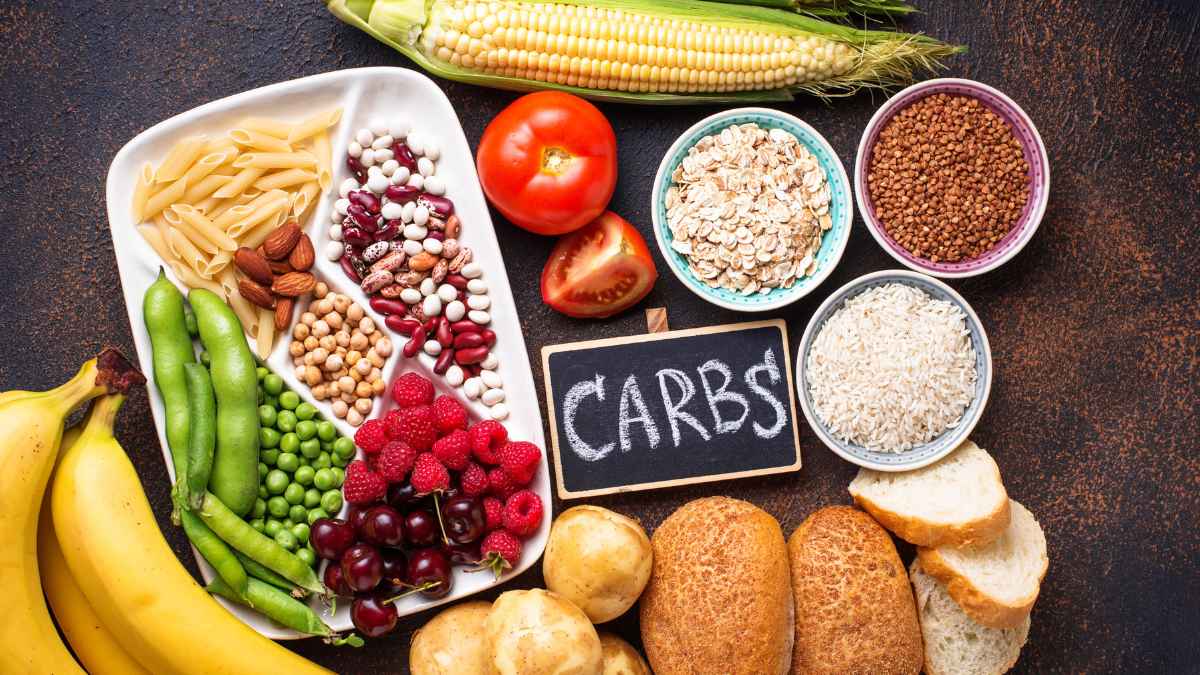
Lipids, commonly known as fats, are hydrophobic molecules that include triglycerides, phospholipids, and sterols. They are primarily involved in long-term energy storage, insulation, and forming cellular membranes. Carbohydrates, on the other hand, are hydrophilic molecules composed of carbon, hydrogen, and oxygen. They include sugars, starches, and fibers, and are primarily involved in short-term energy supply and structural support in plants.
The distinction between lipids and carbohydrates is not just academic; it has practical implications for nutrition, metabolism, and overall health. For instance, the type and amount of lipids and carbohydrates consumed can influence body weight, cholesterol levels, and risk of chronic diseases.
Understanding these macromolecules’ roles and differences helps in making informed dietary choices. It also aids in developing targeted therapies for metabolic disorders such as diabetes and obesity.
In the following sections, we will explore the chemical structures, biological functions, metabolic pathways, and health implications of lipids and carbohydrates, providing a comprehensive understanding of these essential biomolecules.
Chemical Structure of Lipids vs Carbohydrates
Lipids and carbohydrates differ fundamentally in their chemical structures. Lipids are composed mainly of long hydrocarbon chains or rings, making them nonpolar and hydrophobic. The most common types of lipids include triglycerides, which consist of one glycerol molecule bonded to three fatty acids, and phospholipids, which have a glycerol backbone, two fatty acid tails, and a phosphate group.
Carbohydrates, in contrast, are composed of carbon, hydrogen, and oxygen atoms in a ratio of 1:2:1, respectively. They can be simple sugars like glucose or complex polysaccharides like starch and cellulose. The basic building block of carbohydrates is the monosaccharide, which can link together to form disaccharides, oligosaccharides, and polysaccharides.
The hydrophobic nature of lipids allows them to form cell membranes and store energy efficiently, as they do not mix with water. This property is crucial for creating the lipid bilayer of cell membranes, which acts as a barrier to protect cellular components.
Carbohydrates’ hydrophilic nature makes them soluble in water, facilitating their role in energy metabolism. Simple sugars like glucose can be quickly mobilized to provide energy, while complex carbohydrates like glycogen serve as energy reserves in animals and starch in plants.
The structural differences also influence how these molecules are metabolized and utilized by the body. Lipids undergo beta-oxidation to produce energy, while carbohydrates are broken down through glycolysis and the citric acid cycle.
Understanding these structural differences is essential for grasping the distinct roles that lipids and carbohydrates play in biological systems and their impact on health.
Biological Functions of Lipids and Carbohydrates
The biological functions of lipids and carbohydrates are as diverse as their structures. Lipids are primarily involved in long-term energy storage, insulation, and forming cellular membranes. They also play a role in signaling pathways and hormone production. For example, cholesterol, a type of lipid, is a precursor for steroid hormones such as estrogen and testosterone.
Carbohydrates, on the other hand, are the body’s primary source of short-term energy. They are crucial for cellular respiration, where glucose is broken down to produce ATP, the energy currency of the cell. Carbohydrates also play a structural role in plants, with cellulose providing rigidity to plant cell walls.
Lipids’ ability to store energy efficiently makes them essential for survival during periods of food scarcity. The insulation provided by lipids helps maintain body temperature, while their role in forming cell membranes is critical for cellular integrity and function.
Carbohydrates’ role in energy metabolism is equally vital. They provide a quick source of energy during intense physical activity and are essential for brain function, as the brain relies primarily on glucose for energy.
The signaling functions of lipids are also noteworthy. Phospholipids and sphingolipids in cell membranes can act as signaling molecules, influencing processes such as apoptosis (programmed cell death) and cell growth.
In summary, while both lipids and carbohydrates are essential for life, their functions are distinct yet complementary. Lipids are more involved in long-term energy storage and structural roles, whereas carbohydrates are crucial for immediate energy needs and structural support in plants.
Metabolic Pathways: Lipids vs Carbohydrates
The metabolic pathways of lipids and carbohydrates are distinct, reflecting their different roles in the body. Lipids are primarily metabolized through beta-oxidation, a process that occurs in the mitochondria. During beta-oxidation, fatty acids are broken down into acetyl-CoA, which then enters the citric acid cycle to produce ATP.
Carbohydrates are metabolized through glycolysis, followed by the citric acid cycle and oxidative phosphorylation. Glycolysis occurs in the cytoplasm, where glucose is broken down into pyruvate, producing a small amount of ATP. Pyruvate then enters the mitochondria, where it is converted into acetyl-CoA and further metabolized in the citric acid cycle.
The efficiency of energy production differs between these pathways. Lipid metabolism yields more ATP per molecule compared to carbohydrate metabolism, making lipids a more efficient energy storage form. However, the process is slower, making carbohydrates the preferred source for quick energy needs.
The regulation of these metabolic pathways is also different. Insulin and glucagon are key hormones that regulate carbohydrate metabolism. Insulin promotes glucose uptake and storage as glycogen, while glucagon stimulates glycogen breakdown and glucose release. Lipid metabolism is regulated by hormones such as epinephrine and norepinephrine, which promote lipolysis, the breakdown of triglycerides into free fatty acids.
The interplay between these metabolic pathways is crucial for maintaining energy homeostasis. During fasting or prolonged exercise, the body shifts from carbohydrate metabolism to lipid metabolism to ensure a continuous energy supply.
Understanding these metabolic pathways provides insights into how the body utilizes different macromolecules for energy and how imbalances can lead to metabolic disorders such as diabetes and obesity.
Health Implications of Lipids and Carbohydrates
The health implications of lipids and carbohydrates are a topic of extensive research and debate. Both macromolecules are essential, but their types and amounts in the diet can significantly impact health.
Dietary lipids, particularly saturated and trans fats, have been linked to increased risk of cardiovascular diseases. High levels of LDL cholesterol, often associated with saturated fats, can lead to atherosclerosis, a condition characterized by the buildup of plaque in the arteries. Conversely, unsaturated fats, such as those found in olive oil and fish, are considered heart-healthy and can help reduce LDL cholesterol levels.
Carbohydrates also have health implications, particularly concerning their glycemic index (GI). High-GI foods, such as sugary snacks and refined grains, can cause rapid spikes in blood glucose levels, leading to insulin resistance and an increased risk of type 2 diabetes. Low-GI foods, like whole grains and legumes, are digested more slowly, providing a more stable energy source and reducing the risk of metabolic disorders.
The balance between lipids and carbohydrates in the diet is crucial for maintaining optimal health. Diets high in unhealthy fats and refined carbohydrates can lead to obesity, metabolic syndrome, and cardiovascular diseases. On the other hand, a balanced diet that includes healthy fats and complex carbohydrates can promote overall well-being and reduce the risk of chronic diseases.
Nutritional guidelines often emphasize the importance of choosing the right types of lipids and carbohydrates. For example, the Mediterranean diet, which is rich in unsaturated fats and low-GI carbohydrates, has been associated with numerous health benefits, including reduced risk of heart disease and improved cognitive function.
In conclusion, while both lipids and carbohydrates are essential for health, their types and amounts in the diet can have significant health implications. Making informed dietary choices can help mitigate the risks associated with these macromolecules and promote long-term health.
Conclusion: Key Differences and Similarities
In summary, lipids and carbohydrates are both essential macromolecules with distinct chemical structures, biological functions, and metabolic pathways. Lipids, being hydrophobic, are primarily involved in long-term energy storage, insulation, and forming cellular membranes. Carbohydrates, being hydrophilic, are crucial for short-term energy supply and structural support in plants.
The metabolic pathways of lipids and carbohydrates reflect their different roles in energy metabolism. Lipids undergo beta-oxidation to produce ATP, while carbohydrates are metabolized through glycolysis and the citric acid cycle. The regulation of these pathways involves different hormones, highlighting the complexity of energy homeostasis in the body.
The health implications of lipids and carbohydrates are significant, with dietary choices impacting the risk of chronic diseases such as cardiovascular disease and diabetes. Understanding the differences and similarities between these macromolecules can help in making informed dietary decisions and developing targeted therapies for metabolic disorders.
In conclusion, while lipids and carbohydrates serve different functions, they are both indispensable for life. A balanced diet that includes healthy fats and complex carbohydrates can promote overall health and reduce the risk of chronic diseases.
Read More…
- National Institutes of Health – Lipids: This comprehensive resource provides detailed information on the structure, function, and metabolism of lipids.
- Harvard T.H. Chan School of Public Health – Carbohydrates: This article discusses the different types of carbohydrates, their health implications, and dietary recommendations.
- Mayo Clinic – Dietary Fats: Know Which Types to Choose: This resource provides insights into the different types of dietary fats and their impact on health.
- American Heart Association – Carbohydrates and Blood Sugar: This article explains the relationship between carbohydrates, blood sugar levels, and heart health.
- Biochemistry Online – Metabolic Pathways: This resource offers a detailed overview of the metabolic pathways of lipids and carbohydrates, including glycolysis and beta-oxidation.