

Se hai un abbonamento attivo ACCEDI QUI
Introduction:
Understanding the carbohydrate content of foods is crucial for anyone managing their diet, whether for weight loss, diabetes management, or athletic performance. Carbohydrates are a primary energy source, but not all carbs are created equal. This article delves into the concept of carbohydrate equivalency, providing detailed insights into what 20 grams of carbohydrates look like across various food categories. By understanding these equivalents, you can make informed dietary choices that align with your nutritional goals.
Understanding Carbohydrate Equivalency in Foods
Carbohydrates come in different forms, including sugars, starches, and fibers. Each type impacts your body differently, influencing blood sugar levels, energy, and digestion. Understanding carbohydrate equivalency involves knowing how different foods contribute to your daily carb intake. For instance, 20 grams of carbs from a sugary snack will affect your blood sugar differently than 20 grams from a whole grain.
The glycemic index (GI) is a useful tool for understanding how different carbohydrates impact blood sugar. Foods with a high GI cause rapid spikes in blood sugar, while those with a low GI provide a slower, more sustained release of energy. When considering carbohydrate equivalency, it’s essential to factor in the GI of the foods you’re consuming.
Fiber is another critical component. High-fiber foods often have a lower net carb count because fiber isn’t digested and absorbed in the same way as other carbs. This means that a food item with 20 grams of carbs but high in fiber may have a different impact on your body than a low-fiber food with the same carb content.
Portion size is also crucial. Different foods have varying densities and water content, affecting how much you need to eat to reach 20 grams of carbs. For example, you might need a larger volume of vegetables compared to grains to achieve the same carbohydrate content.
Understanding these nuances helps in making balanced dietary choices. By recognizing the carbohydrate equivalency in different foods, you can better manage your intake and maintain a balanced diet, whether you’re aiming for weight loss, muscle gain, or overall health.
Lastly, it’s essential to consider the nutritional value of the foods providing those carbs. Whole foods like fruits, vegetables, and grains offer vitamins, minerals, and other nutrients that processed foods often lack. Therefore, when calculating carbohydrate equivalency, always factor in the overall nutritional profile of the food.
Measuring 20 Grams of Carbohydrates Accurately
Accurately measuring 20 grams of carbohydrates requires a good understanding of portion sizes and food labels. Food labels provide detailed information about the carbohydrate content per serving, making them an invaluable tool. Always check the serving size on the label to ensure you’re calculating your intake correctly.
Using a food scale can enhance accuracy. Weighing your food allows you to measure portions precisely, ensuring you consume the exact amount of carbohydrates you intend. This is especially useful for foods that don’t come with a nutrition label, such as fresh produce.
Apps and online databases can also assist in tracking carbohydrate intake. Many apps allow you to input the type and amount of food you’re eating, providing an accurate count of the carbs. These tools often include extensive databases of foods, making it easier to find the information you need.
Another method is using visual cues and standard measurements. For example, a medium apple typically contains around 20 grams of carbs. Familiarizing yourself with these common equivalents can help you estimate your intake when precise measurements aren’t possible.
It’s also important to consider the preparation method. Cooking can alter the carbohydrate content of some foods. For instance, cooked vegetables may have a different carb count than their raw counterparts due to water loss and concentration of sugars.
Lastly, be mindful of hidden carbs in sauces, dressings, and other additives. These can quickly add up and push your carbohydrate intake beyond your intended limit. Reading labels and being aware of these hidden sources can help you maintain accurate measurements.
Fruits: 20 Grams of Carbs Equivalents
Fruits are a natural source of carbohydrates, providing essential vitamins, minerals, and fiber. A medium-sized apple, for example, contains approximately 20 grams of carbs. Apples are also rich in fiber, particularly pectin, which can aid in digestion and help regulate blood sugar levels.
Bananas are another common fruit with significant carbohydrate content. A small banana typically contains around 20 grams of carbs. Bananas are also a good source of potassium, which is essential for muscle function and heart health.
Grapes are a convenient snack but can be higher in carbs than you might expect. About 30 grapes, or roughly a cup, contain 20 grams of carbohydrates. Grapes also provide antioxidants, such as resveratrol, which have been linked to various health benefits.
Berries, such as strawberries and blueberries, are lower in carbs compared to other fruits. A cup of strawberries contains about 12 grams of carbs, so you would need around 1.5 cups to reach 20 grams. Berries are also high in fiber and antioxidants, making them a nutritious choice.
Oranges are another fruit to consider. A medium-sized orange contains about 15 grams of carbs, so consuming one and a third would provide 20 grams. Oranges are well-known for their vitamin C content, which supports immune function and skin health.
Lastly, consider dried fruits like raisins. While they are more concentrated in sugar, a small portion can quickly add up to 20 grams of carbs. For instance, just 2 tablespoons of raisins contain about 20 grams of carbohydrates. However, be mindful of portion sizes, as it’s easy to consume more than intended.
Vegetables: Low-Carb Options and Equivalents
Vegetables are generally lower in carbohydrates compared to fruits and grains, making them a staple in low-carb diets. Leafy greens, such as spinach and kale, are particularly low in carbs. You would need to consume several cups of these greens to reach 20 grams of carbs, making them an excellent choice for volume eating.
Cruciferous vegetables like broccoli and cauliflower are also low in carbs. One cup of chopped broccoli contains about 6 grams of carbohydrates, so you would need over 3 cups to reach 20 grams. These vegetables are rich in fiber, vitamins, and minerals, contributing to overall health.
Zucchini is another versatile, low-carb vegetable. One medium zucchini contains about 6 grams of carbs. You would need to eat approximately 3.5 zucchinis to reach 20 grams of carbs. Zucchini can be spiralized into noodles, making it a low-carb alternative to pasta.
Bell peppers are slightly higher in carbs but still relatively low. One medium bell pepper contains about 6 grams of carbs, so consuming three to four would provide 20 grams. Bell peppers are also high in vitamin C and other antioxidants.
Tomatoes are often considered a vegetable but are botanically a fruit. One medium tomato contains about 5 grams of carbs, so you would need four to reach 20 grams. Tomatoes are rich in lycopene, an antioxidant linked to various health benefits.
Lastly, consider root vegetables like carrots. One medium carrot contains about 6 grams of carbs. You would need to consume around three to four medium carrots to reach 20 grams of carbs. Carrots are high in beta-carotene, which is converted to vitamin A in the body and supports vision and immune function.
Grains and Legumes: Carbohydrate Content Analysis
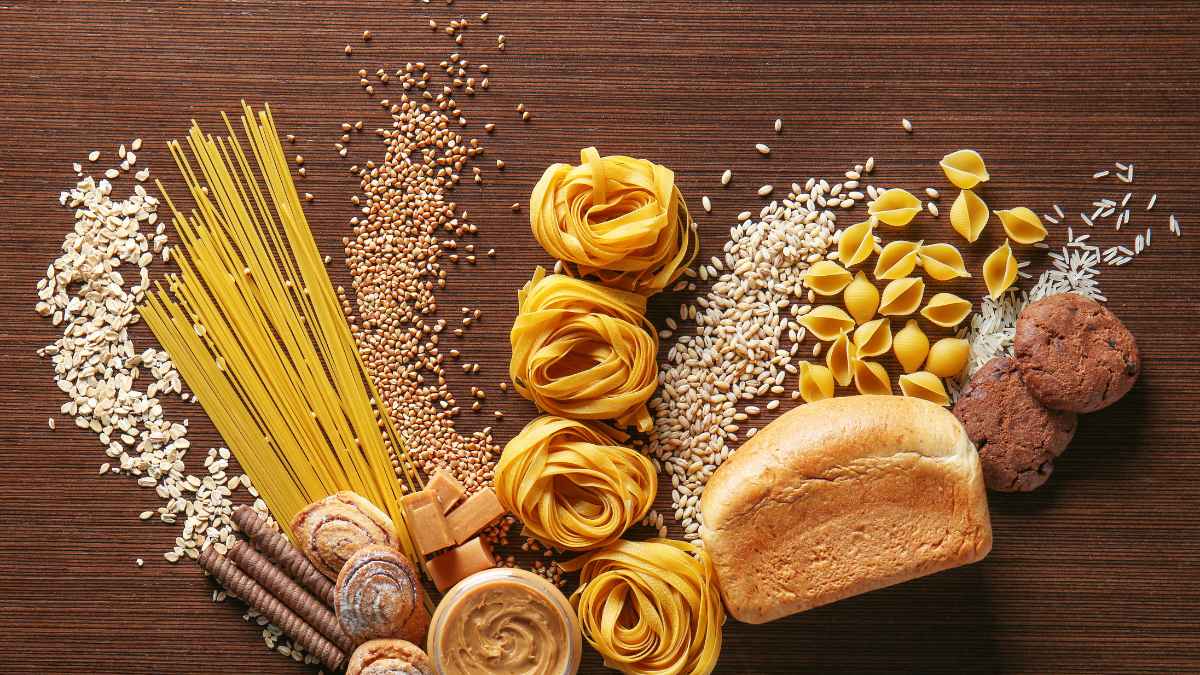
Grains and legumes are significant sources of carbohydrates, often forming the base of many diets worldwide. A slice of whole-grain bread typically contains around 15 grams of carbs, so one and a third slices would provide 20 grams. Whole grains are also rich in fiber, which aids in digestion and helps maintain stable blood sugar levels.
Rice is another staple grain. A half-cup of cooked brown rice contains about 22 grams of carbs, making it a straightforward way to measure 20 grams. Brown rice is a whole grain, providing more fiber and nutrients compared to white rice.
Quinoa is a popular grain alternative that is also high in protein. A half-cup of cooked quinoa contains around 20 grams of carbs. Quinoa is a complete protein, meaning it contains all nine essential amino acids, making it a nutritious choice for vegetarians and vegans.
Legumes, such as beans and lentils, are not only high in carbs but also in protein and fiber. A half-cup of cooked black beans contains about 20 grams of carbs. Beans are also rich in iron, magnesium, and other essential nutrients.
Oats are another versatile grain. A half-cup of cooked oats contains approximately 15 grams of carbs, so you would need about two-thirds of a cup to reach 20 grams. Oats are high in soluble fiber, which can help lower cholesterol levels.
Lastly, consider pasta. A half-cup of cooked whole-grain pasta contains about 20 grams of carbs. Whole-grain pasta provides more fiber and nutrients compared to regular pasta, making it a healthier choice.
Dairy and Alternatives: Carb Equivalents Explained
Dairy products and their alternatives can also contribute to your carbohydrate intake. A cup of milk contains about 12 grams of carbs, so you would need around 1.5 cups to reach 20 grams. Milk is also a good source of calcium and vitamin D, essential for bone health.
Yogurt varies in carbohydrate content depending on the type and whether it contains added sugars. A cup of plain Greek yogurt contains about 6 grams of carbs, so you would need over three cups to reach 20 grams. However, flavored yogurts can contain significantly more carbs due to added sugars.
Cheese is generally low in carbs, but some types contain more than others. For example, a cup of cottage cheese contains about 6 grams of carbs, so you would need around 3.5 cups to reach 20 grams. Cottage cheese is also high in protein, making it a filling option.
Plant-based milk alternatives, such as almond milk, are often lower in carbs. A cup of unsweetened almond milk contains about 1 gram of carbs, so you would need a substantial amount to reach 20 grams. However, sweetened versions can contain significantly more carbs.
Soy milk is another alternative that is higher in carbs compared to almond milk. A cup of unsweetened soy milk contains about 4 grams of carbs, so you would need around 5 cups to reach 20 grams. Soy milk is also a good source of protein and can be fortified with vitamins and minerals.
Lastly, consider ice cream and other dairy desserts. A half-cup serving of regular ice cream contains about 15 grams of carbs, so you would need about two-thirds of a cup to reach 20 grams. Opting for low-carb or sugar-free versions can help manage your carbohydrate intake while still enjoying a treat.
Conclusion:
Understanding carbohydrate equivalency in foods empowers you to make informed dietary choices. By accurately measuring 20 grams of carbs across different food categories, you can better manage your intake and align it with your nutritional goals. Whether you’re focusing on fruits, vegetables, grains, legumes, or dairy, knowing the carb content helps you maintain a balanced and healthy diet. Always consider the overall nutritional profile of the foods you consume, and use tools like food labels, scales, and apps to track your intake accurately.
Read More…
-
Harvard T.H. Chan School of Public Health – Carbohydrates: This resource provides comprehensive information on the role of carbohydrates in a healthy diet, including their impact on health and disease prevention.
-
American Diabetes Association – Counting Carbs: A detailed guide on how to count carbohydrates, particularly useful for individuals managing diabetes.
-
USDA FoodData Central: An extensive database of nutritional information for a wide variety of foods, useful for accurate carb counting and nutritional analysis.
-
Glycemic Index Foundation: Offers insights into the glycemic index of various foods, helping you understand how different carbs impact blood sugar levels.
-
Mayo Clinic – Carbohydrates: How carbs fit into a healthy diet: Provides an overview of carbohydrates, including types, sources, and their role in a balanced diet.