

Se hai un abbonamento attivo ACCEDI QUI
Introduction:
Carbohydrates play a pivotal role in bodybuilding nutrition, providing the necessary energy to fuel intense workouts and promote muscle recovery. Consuming the right amount of carbohydrates can be a game-changer for those aiming to build muscle mass and enhance their performance. This article delves into the essentials of consuming 300 grams of carbohydrates daily, tailored for bodybuilders. By understanding the role of carbohydrates, calculating your needs, selecting the best sources, timing your intake, and monitoring your consumption, you can optimize your bodybuilding nutrition for maximum gains.
Understanding Carbohydrates in Bodybuilding Nutrition
Carbohydrates are one of the three macronutrients essential for the human body, alongside proteins and fats. They are the primary source of energy, especially during high-intensity workouts. In bodybuilding, carbohydrates are crucial for replenishing glycogen stores in muscles, which are depleted during exercise. Glycogen is the stored form of glucose, and it provides the energy needed for muscle contractions.
There are two main types of carbohydrates: simple and complex. Simple carbohydrates, such as sugars, are quickly digested and provide immediate energy. Complex carbohydrates, found in foods like whole grains, vegetables, and legumes, are digested more slowly, providing a sustained energy release. Both types are important in a bodybuilder’s diet, but complex carbohydrates are generally preferred for their longer-lasting energy and nutrient content.
Insufficient carbohydrate intake can lead to muscle fatigue, decreased performance, and impaired recovery. On the other hand, consuming the right amount of carbohydrates can enhance muscle growth, improve workout performance, and accelerate recovery. Therefore, understanding and managing carbohydrate intake is vital for bodybuilders aiming to maximize their results.
Carbohydrates also play a role in protein sparing. When carbohydrate intake is adequate, the body uses glucose for energy, sparing protein for muscle repair and growth. This is particularly important during intense training periods when the demand for muscle recovery is high.
In addition to energy provision, carbohydrates influence insulin levels. Insulin is an anabolic hormone that promotes nutrient uptake in cells, including amino acids for muscle protein synthesis. Consuming carbohydrates post-workout can stimulate insulin release, enhancing muscle recovery and growth.
Understanding the role of carbohydrates in bodybuilding nutrition is the first step towards optimizing your diet for muscle growth and performance. By focusing on the right types and amounts of carbohydrates, you can fuel your workouts, support recovery, and achieve your bodybuilding goals.
Calculating Your Daily Carbohydrate Needs
Determining your daily carbohydrate needs is crucial for effective bodybuilding nutrition. The amount of carbohydrates required varies based on factors such as body weight, activity level, and specific goals. A common approach is to calculate carbohydrate intake as a percentage of total daily caloric intake.
For bodybuilders, carbohydrates typically make up 45-65% of total daily calories. To calculate your carbohydrate needs, first determine your total daily caloric requirement. This can be estimated using formulas such as the Harris-Benedict equation, which considers factors like age, sex, weight, height, and activity level.
Once you have your total daily caloric requirement, multiply this number by the desired percentage of carbohydrates. For example, if your daily caloric intake is 3,000 calories and you aim for 50% of calories from carbohydrates, you would need 1,500 calories from carbohydrates. Since each gram of carbohydrate provides 4 calories, divide the total carbohydrate calories by 4 to get the number of grams. In this example, 1,500 calories divided by 4 equals 375 grams of carbohydrates per day.
It’s important to adjust your carbohydrate intake based on your training intensity and goals. During periods of intense training or bulking phases, higher carbohydrate intake may be necessary to support energy demands and muscle growth. Conversely, during cutting phases, carbohydrate intake may be reduced to promote fat loss while preserving muscle mass.
Monitoring your body’s response to carbohydrate intake is essential. Track your performance, energy levels, and body composition to determine if adjustments are needed. Individual responses to carbohydrate intake can vary, so it’s important to find the right balance that works for you.
Consulting with a nutritionist or dietitian can provide personalized guidance on calculating and adjusting your carbohydrate needs. They can help you develop a tailored nutrition plan that aligns with your bodybuilding goals and ensures optimal performance and recovery.
Best Carbohydrate Sources for Muscle Growth
Choosing the right carbohydrate sources is essential for maximizing muscle growth and overall health. Not all carbohydrates are created equal, and selecting nutrient-dense options can provide additional benefits beyond energy provision.
Whole grains are an excellent source of complex carbohydrates and provide essential nutrients such as fiber, vitamins, and minerals. Examples include oats, brown rice, quinoa, and whole wheat products. These carbohydrates are digested slowly, providing a steady release of energy and helping to maintain stable blood sugar levels.
Fruits and vegetables are also important carbohydrate sources. They offer a wide range of vitamins, minerals, and antioxidants that support overall health and recovery. Fruits such as bananas, berries, and apples can provide quick energy, while vegetables like sweet potatoes, broccoli, and spinach offer complex carbohydrates and fiber.
Legumes, including beans, lentils, and chickpeas, are another valuable source of complex carbohydrates. They are also rich in protein and fiber, making them an excellent choice for bodybuilders looking to support muscle growth and digestive health.
Dairy products, such as milk, yogurt, and cottage cheese, provide both simple and complex carbohydrates along with protein and essential nutrients like calcium and vitamin D. These can be particularly beneficial post-workout for replenishing glycogen stores and supporting muscle recovery.
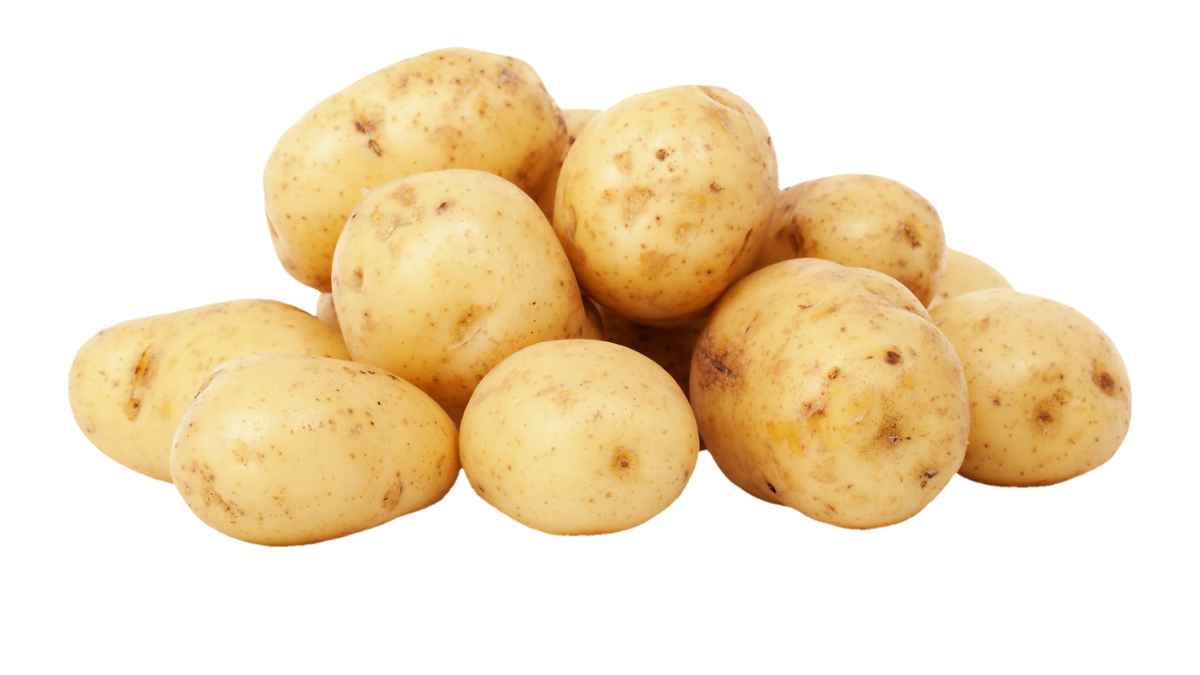
Starchy vegetables, such as potatoes, corn, and peas, are good sources of complex carbohydrates. They provide a substantial amount of energy and can be easily incorporated into meals to meet carbohydrate needs.
Incorporating a variety of these carbohydrate sources into your diet ensures a balanced intake of nutrients that support muscle growth, recovery, and overall health. By focusing on whole, nutrient-dense foods, you can optimize your carbohydrate intake for bodybuilding success.
Timing Your Carbohydrate Intake Effectively
The timing of carbohydrate intake can significantly impact muscle growth, performance, and recovery. Strategically consuming carbohydrates around your workouts can enhance their effectiveness and support your bodybuilding goals.
Pre-workout carbohydrate intake is essential for providing the energy needed for intense training sessions. Consuming carbohydrates 1-3 hours before a workout can help replenish glycogen stores and maintain blood sugar levels. Opt for complex carbohydrates with a moderate to low glycemic index, such as oats, brown rice, or sweet potatoes, to provide sustained energy.
During workouts, especially those lasting longer than an hour, consuming simple carbohydrates can help maintain energy levels and prevent fatigue. Sports drinks, gels, or easily digestible fruits like bananas can provide quick energy and support endurance.
Post-workout carbohydrate intake is crucial for replenishing glycogen stores and promoting muscle recovery. Consuming carbohydrates within 30 minutes to 2 hours after a workout can enhance glycogen resynthesis and support muscle protein synthesis. Combining carbohydrates with protein in a post-workout meal or shake can further optimize recovery.
In addition to pre- and post-workout nutrition, distributing carbohydrate intake evenly throughout the day can help maintain energy levels and support overall performance. Aim to include carbohydrates in each meal and snack to ensure a steady supply of energy.
On rest days, adjusting carbohydrate intake based on activity levels is important. While the overall carbohydrate requirement may be lower, maintaining adequate intake supports recovery and prepares the body for the next training session. Focus on complex carbohydrates and nutrient-dense foods to support overall health and recovery.
By timing your carbohydrate intake effectively, you can maximize energy availability, enhance performance, and promote muscle growth and recovery. Tailoring your carbohydrate timing to your training schedule and individual needs is key to achieving your bodybuilding goals.
Sample Meal Plans for 300g Carbohydrate Intake
Creating a meal plan that provides 300 grams of carbohydrates can help ensure you meet your daily intake goals. Here are sample meal plans to guide you in distributing your carbohydrate intake throughout the day.
Meal Plan 1:
-
Breakfast:
- 1 cup of cooked oatmeal (54g carbs)
- 1 medium banana (27g carbs)
- 1 tablespoon of honey (17g carbs)
- Total: 98g carbs
-
Morning Snack:
- 1 apple (25g carbs)
- 1 cup of Greek yogurt (10g carbs)
- Total: 35g carbs
-
Lunch:
- 1 cup of quinoa (39g carbs)
- 1 cup of steamed broccoli (6g carbs)
- 1 medium sweet potato (27g carbs)
- Total: 72g carbs
-
Afternoon Snack:
- 1 cup of mixed berries (21g carbs)
- 1 ounce of almonds (6g carbs)
- Total: 27g carbs
-
Dinner:
- 1 cup of brown rice (45g carbs)
- 1 cup of mixed vegetables (12g carbs)
- Total: 57g carbs
-
Evening Snack:
- 1 cup of cottage cheese (8g carbs)
- 1 medium pear (27g carbs)
- Total: 35g carbs
Meal Plan 2:
-
Breakfast:
- 2 slices of whole wheat toast (28g carbs)
- 2 tablespoons of peanut butter (6g carbs)
- 1 cup of orange juice (26g carbs)
- Total: 60g carbs
-
Morning Snack:
- 1 cup of grapes (27g carbs)
- 1 ounce of walnuts (4g carbs)
- Total: 31g carbs
-
Lunch:
- 1 cup of cooked brown rice (45g carbs)
- 1 cup of mixed vegetables (12g carbs)
- 1 medium apple (25g carbs)
- Total: 82g carbs
-
Afternoon Snack:
- 1 cup of baby carrots (12g carbs)
- 1 cup of hummus (16g carbs)
- Total: 28g carbs
-
Dinner:
- 1 cup of cooked pasta (43g carbs)
- 1 cup of marinara sauce (14g carbs)
- Total: 57g carbs
-
Evening Snack:
- 1 cup of low-fat yogurt (17g carbs)
- 1 medium banana (27g carbs)
- Total: 44g carbs
These meal plans provide a balanced distribution of carbohydrates throughout the day, ensuring you meet your 300g carbohydrate goal while supporting muscle growth and recovery.
Monitoring and Adjusting Your Carbohydrate Consumption
Monitoring your carbohydrate intake and adjusting it based on your body’s response is crucial for optimizing your bodybuilding nutrition. Regularly tracking your diet, performance, and body composition can help you make informed adjustments to your carbohydrate intake.
Keeping a food diary or using a nutrition tracking app can help you monitor your daily carbohydrate intake. Record the types and amounts of carbohydrates consumed, as well as your energy levels, workout performance, and recovery. This data can provide valuable insights into how your body responds to different carbohydrate sources and quantities.
Pay attention to your energy levels during workouts. If you experience fatigue or decreased performance, it may indicate insufficient carbohydrate intake. Conversely, if you feel sluggish or notice unwanted weight gain, you may need to adjust your carbohydrate intake downwards.
Regularly assess your body composition to ensure you are achieving your bodybuilding goals. Tools such as body fat calipers, bioelectrical impedance scales, or professional body composition analysis can provide accurate measurements. Adjust your carbohydrate intake based on changes in muscle mass and body fat percentage.
Consulting with a nutritionist or dietitian can provide personalized guidance on monitoring and adjusting your carbohydrate intake. They can help you interpret your data and make informed decisions to optimize your nutrition plan.
It’s important to consider individual variability when adjusting carbohydrate intake. Factors such as metabolism, training intensity, and personal preferences can influence your carbohydrate needs. Be patient and make gradual adjustments to find the right balance that works for you.
By consistently monitoring and adjusting your carbohydrate consumption, you can ensure you are meeting your body’s needs and supporting your bodybuilding goals. This proactive approach allows you to fine-tune your nutrition plan for optimal performance, muscle growth, and recovery.
Conclusion:
Consuming 300 grams of carbohydrates daily can significantly enhance your bodybuilding efforts by providing the necessary energy for workouts and promoting muscle recovery. Understanding the role of carbohydrates, calculating your needs, selecting the best sources, timing your intake, and monitoring your consumption are key steps in optimizing your nutrition. By following these guidelines and making informed adjustments, you can achieve your bodybuilding goals and support overall health and performance.
Read More…
-
National Institutes of Health – Carbohydrates
- Comprehensive information on the role of carbohydrates in nutrition and health.
-
American Council on Exercise – Carbohydrate Needs for Athletes
- Detailed guidelines on carbohydrate requirements for athletes and active individuals.
-
Journal of the International Society of Sports Nutrition – Position Stand on Carbohydrates
- Scientific research and recommendations on carbohydrate intake for sports performance.
-
Harvard T.H. Chan School of Public Health – The Nutrition Source
- Reliable information on healthy carbohydrate sources and their benefits.
-
Precision Nutrition – Carbohydrate Timing
- Expert advice on the timing of carbohydrate intake for optimal performance and recovery.