

Introduction:
Adopting a gluten-free diet has become increasingly common, whether due to celiac disease, gluten sensitivity, or personal preference. However, navigating carbohydrate consumption on a gluten-free diet can be challenging. Carbohydrates are essential macronutrients that provide energy, but ensuring they are gluten-free requires careful planning. This article delves into the intricacies of consuming carbohydrates on a gluten-free diet, offering insights into identifying safe sources, balancing macronutrients, and avoiding common pitfalls.
Understanding Carbohydrates in a Gluten-Free Diet
Carbohydrates are one of the primary sources of energy for the human body, playing a crucial role in overall health. They are broken down into glucose, which fuels bodily functions and physical activity. For those on a gluten-free diet, understanding which carbohydrates are safe to consume is essential to maintain energy levels without compromising dietary restrictions.
Gluten is a protein found in wheat, barley, and rye. Therefore, any carbohydrate sources containing these grains are off-limits for those adhering to a gluten-free diet. This includes many common foods such as bread, pasta, and certain cereals. However, there are numerous gluten-free carbohydrate options available that can provide the necessary energy and nutrients.
It’s important to distinguish between simple and complex carbohydrates. Simple carbohydrates, found in foods like fruits and sugars, are quickly digested and provide a rapid energy boost. Complex carbohydrates, found in foods like legumes and gluten-free grains, are digested more slowly and offer sustained energy. Both types can be included in a gluten-free diet, but the focus should be on complex carbohydrates for long-term health benefits.
Label reading is a critical skill for anyone on a gluten-free diet. Many processed foods contain hidden sources of gluten, so it’s essential to check ingredient lists carefully. Look for certifications such as the Gluten-Free Certification Organization (GFCO) seal, which can provide additional assurance that a product is safe to consume.
Cross-contamination is another concern when consuming carbohydrates on a gluten-free diet. Even trace amounts of gluten can cause adverse reactions in individuals with celiac disease. Therefore, it’s important to ensure that gluten-free foods are prepared and stored separately from gluten-containing foods to avoid contamination.
In summary, understanding the role of carbohydrates and the sources that are safe to consume is the first step in successfully managing a gluten-free diet. By focusing on gluten-free grains, legumes, and other safe carbohydrate sources, individuals can maintain their energy levels and overall health.
Identifying Gluten-Free Carbohydrate Sources
When following a gluten-free diet, it’s essential to identify safe carbohydrate sources that can be incorporated into daily meals. Fortunately, there are many naturally gluten-free options available that can provide the necessary nutrients and energy.
One of the most popular gluten-free carbohydrate sources is rice. Available in various types, including white, brown, and wild rice, it is versatile and can be used in a wide range of dishes. Brown rice, in particular, is a whole grain and offers additional fiber and nutrients compared to white rice.
Quinoa is another excellent gluten-free carbohydrate source. This pseudo-grain is packed with protein and essential amino acids, making it a nutritious addition to any meal. Quinoa can be used in salads, as a side dish, or even as a breakfast cereal.
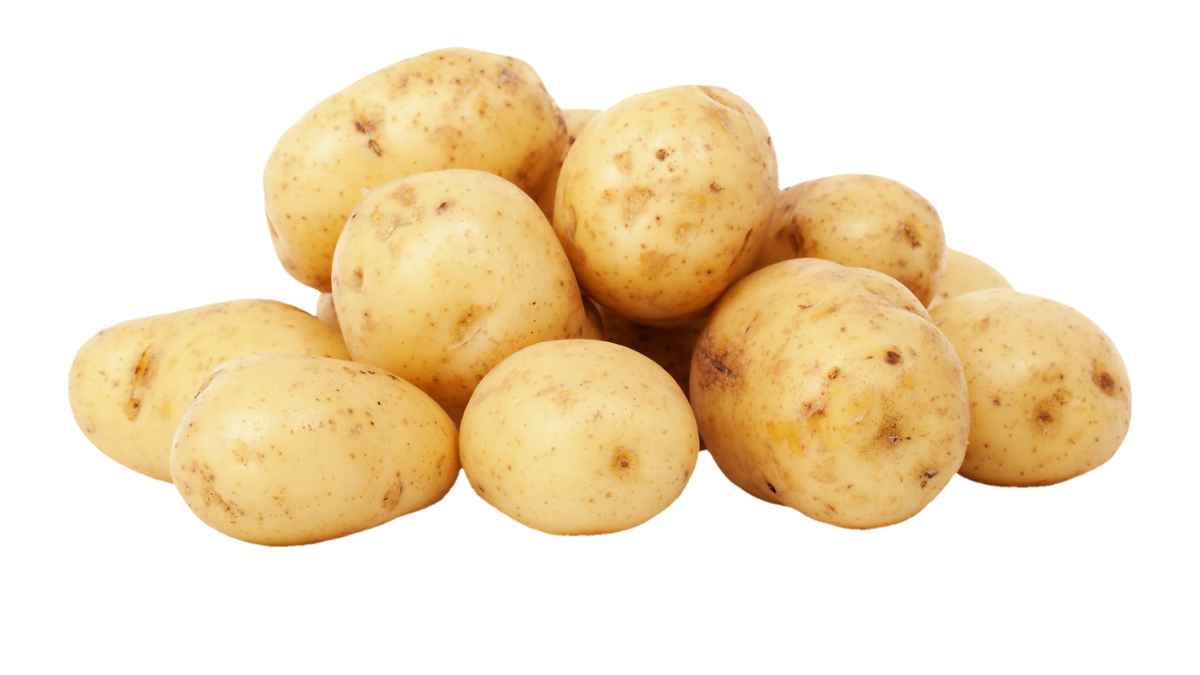
Potatoes and sweet potatoes are naturally gluten-free and provide a good source of complex carbohydrates. They can be prepared in numerous ways, from baking and boiling to mashing and roasting. Sweet potatoes are particularly nutritious, offering high levels of vitamins A and C.
Legumes, including beans, lentils, and chickpeas, are also valuable sources of gluten-free carbohydrates. They are rich in fiber, protein, and essential nutrients, making them an excellent choice for a balanced diet. Legumes can be used in soups, stews, salads, and as a meat substitute in various dishes.
Corn and corn-based products, such as cornmeal and polenta, are naturally gluten-free and can be used in a variety of recipes. Corn tortillas, for example, are a great alternative to wheat-based tortillas and can be used for tacos, wraps, and more.
Lastly, gluten-free oats are a good source of carbohydrates and fiber. It’s important to ensure that the oats are labeled gluten-free, as they can often be contaminated with gluten during processing. Gluten-free oats can be used in breakfast cereals, baking, and as a thickening agent in soups and stews.
By incorporating these gluten-free carbohydrate sources into their diet, individuals can enjoy a variety of meals while maintaining their gluten-free lifestyle.
Balancing Macronutrients for Optimal Health
Balancing macronutrients—carbohydrates, proteins, and fats—is crucial for maintaining optimal health, especially on a gluten-free diet. Each macronutrient plays a unique role in the body, and ensuring a proper balance can help support overall well-being and prevent nutritional deficiencies.
Carbohydrates should make up a significant portion of the diet, as they are the primary source of energy. However, it’s important to focus on complex carbohydrates, such as those found in gluten-free grains, legumes, and vegetables, rather than simple sugars. Complex carbohydrates provide sustained energy and are often rich in fiber, which aids in digestion and helps maintain stable blood sugar levels.
Proteins are essential for building and repairing tissues, producing enzymes and hormones, and supporting immune function. On a gluten-free diet, it’s important to include a variety of protein sources to ensure adequate intake. This can include lean meats, fish, eggs, dairy products, legumes, nuts, and seeds. Plant-based protein sources, such as quinoa and tofu, can also be valuable additions to a gluten-free diet.
Fats are necessary for absorbing fat-soluble vitamins, protecting organs, and providing a concentrated source of energy. Healthy fats, such as those found in avocados, nuts, seeds, and olive oil, should be included in a balanced diet. It’s important to limit the intake of saturated and trans fats, which can contribute to heart disease and other health issues.
In addition to balancing macronutrients, it’s essential to pay attention to micronutrients—vitamins and minerals—that may be lacking in a gluten-free diet. For example, individuals on a gluten-free diet may be at risk of deficiencies in iron, calcium, vitamin D, and B vitamins. Including a variety of nutrient-dense foods and considering supplementation if necessary can help prevent these deficiencies.
Meal planning can be a helpful tool for ensuring a balanced intake of macronutrients. By planning meals and snacks in advance, individuals can ensure they are incorporating a variety of gluten-free carbohydrate sources, proteins, and healthy fats into their diet. This can also help prevent reliance on processed gluten-free foods, which may be high in sugar and unhealthy fats.
Overall, balancing macronutrients is key to maintaining optimal health on a gluten-free diet. By focusing on a variety of whole, nutrient-dense foods, individuals can support their energy levels, immune function, and overall well-being.
The Role of Fiber in a Gluten-Free Diet
Fiber is an essential component of a healthy diet, playing a crucial role in digestion, blood sugar regulation, and overall health. For individuals on a gluten-free diet, ensuring adequate fiber intake can be challenging but is vital for maintaining digestive health and preventing constipation.
Dietary fiber is found in plant-based foods and comes in two forms: soluble and insoluble. Soluble fiber dissolves in water to form a gel-like substance, which can help lower blood cholesterol and glucose levels. Insoluble fiber adds bulk to the stool and aids in the movement of food through the digestive system. Both types of fiber are important for overall health.
Many gluten-containing grains, such as wheat, barley, and rye, are rich sources of fiber. Therefore, individuals on a gluten-free diet need to seek alternative sources to meet their fiber needs. Gluten-free grains such as quinoa, brown rice, and buckwheat are excellent options. These grains not only provide fiber but also offer essential vitamins and minerals.
Legumes, including beans, lentils, and chickpeas, are also high in fiber and can be included in a gluten-free diet. They are versatile and can be used in a variety of dishes, from soups and stews to salads and dips. Additionally, legumes are a good source of protein, making them a valuable addition to a balanced diet.
Fruits and vegetables are naturally gluten-free and rich in fiber. Incorporating a variety of fruits and vegetables into the diet can help ensure adequate fiber intake. Berries, apples, pears, and citrus fruits are particularly high in soluble fiber, while vegetables like broccoli, carrots, and Brussels sprouts provide insoluble fiber.
Nuts and seeds are another excellent source of fiber for those on a gluten-free diet. Chia seeds, flaxseeds, and almonds, for example, can be added to smoothies, yogurt, or salads to boost fiber content. These foods also provide healthy fats and protein, contributing to overall nutritional balance.
It’s important to increase fiber intake gradually and drink plenty of water to prevent digestive discomfort. Sudden increases in fiber can lead to bloating and gas, so it’s best to add high-fiber foods slowly and monitor how the body responds.
In conclusion, fiber plays a vital role in maintaining digestive health and overall well-being. By incorporating a variety of gluten-free fiber sources, individuals can support their digestive system and prevent common issues such as constipation.
Managing Blood Sugar Levels with Carbs
Managing blood sugar levels is a critical aspect of maintaining overall health, particularly for individuals with diabetes or insulin resistance. On a gluten-free diet, it is essential to choose carbohydrate sources that promote stable blood sugar levels and avoid those that cause spikes.
Complex carbohydrates, such as those found in gluten-free grains, legumes, and vegetables, are digested more slowly than simple carbohydrates. This slow digestion helps maintain steady blood sugar levels and provides sustained energy. Foods like quinoa, brown rice, and sweet potatoes are excellent choices for managing blood sugar on a gluten-free diet.
Glycemic index (GI) is a useful tool for understanding how different carbohydrate foods affect blood sugar levels. Foods with a low GI are digested and absorbed more slowly, leading to a gradual rise in blood sugar. Conversely, high GI foods cause rapid spikes in blood sugar. Choosing low to moderate GI gluten-free foods can help maintain stable blood sugar levels.
Fiber plays a significant role in blood sugar management. High-fiber foods slow down the absorption of sugar, preventing rapid spikes in blood glucose levels. Incorporating fiber-rich gluten-free foods, such as legumes, fruits, vegetables, and whole grains, can help regulate blood sugar levels.
Protein and healthy fats also contribute to blood sugar stability. Including protein-rich foods, such as lean meats, fish, eggs, and legumes, in meals can slow the absorption of carbohydrates and prevent blood sugar spikes. Healthy fats, such as those found in avocados, nuts, and olive oil, can further support blood sugar management.
It’s important to monitor portion sizes and avoid overconsumption of carbohydrate-rich foods, even if they are gluten-free. Eating large portions of carbohydrates can lead to elevated blood sugar levels, regardless of the type of carbohydrate. Balancing carbohydrates with protein and healthy fats can help maintain stable blood sugar levels.
Regular physical activity is another key component of blood sugar management. Exercise helps increase insulin sensitivity and allows the body to use glucose more effectively. Incorporating regular physical activity, such as walking, cycling, or strength training, can support blood sugar control and overall health.
In summary, managing blood sugar levels on a gluten-free diet involves choosing complex carbohydrates, incorporating fiber, balancing macronutrients, and engaging in regular physical activity. By following these guidelines, individuals can maintain stable blood sugar levels and support their overall health.
Common Mistakes in Gluten-Free Carb Consumption
While following a gluten-free diet, it’s easy to make mistakes that can impact overall health and well-being. Understanding common pitfalls can help individuals avoid these errors and maintain a balanced, nutritious diet.
One common mistake is relying too heavily on processed gluten-free foods. Many gluten-free products, such as breads, pastas, and snacks, are highly processed and may contain added sugars, unhealthy fats, and low levels of essential nutrients. It’s important to focus on whole, nutrient-dense foods rather than processed options.
Another mistake is neglecting fiber intake. As mentioned earlier, many gluten-containing grains are rich in fiber, and eliminating them from the diet can lead to inadequate fiber consumption. It’s essential to incorporate alternative high-fiber foods, such as legumes, fruits, vegetables, and gluten-free whole grains, to support digestive health.
Overconsumption of simple carbohydrates is another common issue. Foods like gluten-free cookies, cakes, and sugary snacks can cause rapid spikes in blood sugar levels and provide little nutritional value. Prioritizing complex carbohydrates and limiting simple sugars can help maintain stable blood sugar levels and overall health.
Failing to balance macronutrients is also a frequent mistake. A diet overly focused on carbohydrates, even if they are gluten-free, can lead to imbalances and nutritional deficiencies. Ensuring a proper balance of carbohydrates, proteins, and healthy fats is crucial for maintaining optimal health.
Cross-contamination is a significant concern for those with celiac disease or severe gluten sensitivity. Even small amounts of gluten can cause adverse reactions. It’s important to take precautions to avoid cross-contamination, such as using separate cooking utensils, cleaning surfaces thoroughly, and checking labels for gluten-free certification.
Lastly, not seeking professional guidance can lead to nutritional gaps and health issues. Consulting with a registered dietitian or nutritionist who specializes in gluten-free diets can provide personalized advice and support. They can help create a balanced meal plan, identify potential nutrient deficiencies, and offer strategies for maintaining a healthy diet.
In conclusion, being aware of common mistakes in gluten-free carb consumption can help individuals avoid pitfalls and maintain a balanced, nutritious diet. By focusing on whole foods, incorporating fiber, balancing macronutrients, preventing cross-contamination, and seeking professional guidance, individuals can support their overall health and well-being.
Conclusion:
Consuming carbohydrates on a gluten-free diet requires careful planning and attention to detail. By understanding safe carbohydrate sources, balancing macronutrients, incorporating fiber, managing blood sugar levels, and avoiding common mistakes, individuals can maintain a healthy and balanced diet. With the right approach, it’s possible to enjoy a variety of delicious and nutritious gluten-free meals that support overall health and well-being.
Read More…
- Celiac Disease Foundation: A comprehensive resource for information on celiac disease, gluten-free diets, and related health topics.
- Gluten Intolerance Group: Offers resources and support for individuals with gluten intolerance and celiac disease, including information on safe gluten-free foods.
- Academy of Nutrition and Dietetics: Provides evidence-based nutrition information, including guidance on gluten-free diets and balanced nutrition.
- Harvard T.H. Chan School of Public Health: Offers research-based information on nutrition, including the role of carbohydrates and fiber in a healthy diet.
- Mayo Clinic: A trusted source for medical information, including articles on managing celiac disease and gluten-free diet tips.