

Se hai un abbonamento attivo ACCEDI QUI
Introduction: Reducing carbohydrates in your diet can be a crucial step towards achieving various health goals, such as weight loss, better blood sugar control, and improved overall wellness. However, understanding how to effectively reduce carbs, especially in mixed dishes or recipes, requires a nuanced approach. This article delves into the essentials of carbohydrate reduction, identifies high-carb ingredients, and offers practical techniques and substitutions. By the end, you’ll have a comprehensive understanding of how to balance nutritional value while maintaining taste and texture.
Understanding Carbohydrate Reduction Basics
Reducing carbohydrates in your diet starts with understanding what carbohydrates are and how they function in the body. Carbohydrates are one of the three macronutrients, alongside proteins and fats, and they serve as the body’s primary source of energy. They are found in a variety of foods, including grains, fruits, vegetables, and dairy products. Carbohydrates can be classified into simple and complex types, with simple carbs being quickly absorbed by the body and complex carbs taking longer to digest.
The goal of carbohydrate reduction is to decrease the intake of foods that are high in simple carbs, such as sugars and refined grains, while maintaining a balanced diet. This is often achieved by focusing on whole foods that are naturally low in carbs, such as lean proteins, healthy fats, and non-starchy vegetables. Understanding the difference between good carbs and bad carbs is essential for making informed dietary choices.
Another important aspect of carbohydrate reduction is monitoring portion sizes. Even foods that are considered low-carb can contribute to a high carb intake if consumed in large quantities. Therefore, portion control is a key strategy in reducing overall carbohydrate consumption. Tools like food diaries and mobile apps can be helpful in tracking your daily carb intake.
It’s also crucial to recognize that not all carbohydrates are created equal. Fiber, for example, is a type of carbohydrate that the body cannot digest. It plays a vital role in digestive health and can help you feel full longer, which can aid in weight management. When reducing carbs, it’s important to differentiate between fiber and other types of carbs, focusing on reducing sugars and starches while maintaining adequate fiber intake.
Finally, understanding the glycemic index (GI) of foods can be beneficial. The GI measures how quickly a carbohydrate-containing food raises blood sugar levels. Foods with a high GI are rapidly digested and absorbed, leading to spikes in blood sugar and insulin levels. Conversely, low-GI foods are digested and absorbed more slowly, resulting in a gradual rise in blood sugar. Choosing low-GI foods can help in managing blood sugar levels and reducing the risk of type 2 diabetes.
Identifying High-Carb Ingredients in Mixes
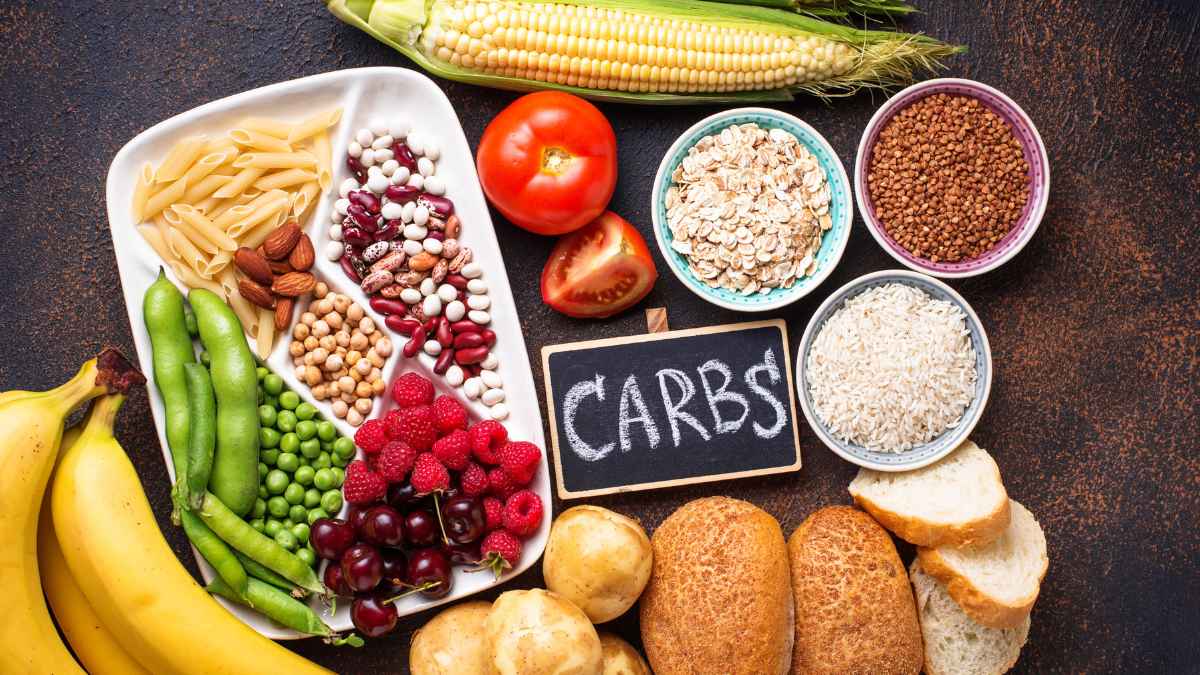
Identifying high-carb ingredients in mixes is the first step towards effective carbohydrate reduction. Common high-carb ingredients include refined grains like white flour, sugars, and starchy vegetables such as potatoes and corn. These ingredients are often found in processed foods, baked goods, and many traditional recipes. Reading ingredient labels carefully can help you pinpoint these high-carb components.
Grains are a significant source of carbohydrates in many mixes. Ingredients like wheat flour, rice, and oats are staple components in a variety of dishes, from bread and pasta to breakfast cereals and snack bars. While whole grains are a healthier option compared to refined grains, they still contribute a substantial amount of carbs. Identifying these ingredients allows you to consider alternatives or reduce their quantities.
Sugars, including white sugar, brown sugar, honey, and syrups, are another major source of carbohydrates. These sweeteners are commonly added to enhance flavor but can significantly increase the carb content of a mix. Natural sweeteners like agave nectar and maple syrup, while slightly better, still contain high levels of carbs. Recognizing the presence of these sugars is crucial for reducing overall carbohydrate intake.
Starchy vegetables such as potatoes, corn, and peas are often included in mixed dishes like casseroles, soups, and stews. While these vegetables offer nutritional benefits, they are also high in carbohydrates. Identifying these ingredients in your recipes allows you to make informed decisions about their inclusion and potential substitutes.
Legumes, including beans, lentils, and chickpeas, are another group of high-carb ingredients. While they are an excellent source of protein and fiber, they also contain a significant amount of carbohydrates. In mixes like chili, salads, and dips, legumes can contribute to the overall carb count. Being aware of their presence helps in planning appropriate portion sizes or finding lower-carb alternatives.
Finally, dairy products such as milk, yogurt, and certain cheeses can add to the carbohydrate content of a mix. While dairy is an important source of calcium and other nutrients, it also contains lactose, a natural sugar. Identifying high-carb dairy ingredients allows you to consider low-carb dairy options or non-dairy substitutes to reduce the overall carb content in your recipes.
Techniques for Lowering Carb Content
One effective technique for lowering carb content in your mixes is to use low-carb flours as substitutes for traditional wheat flour. Almond flour, coconut flour, and flaxseed meal are popular alternatives that have significantly fewer carbs. These flours can be used in baking and cooking, though they may require adjustments in liquid content and cooking times due to their different properties.
Reducing the amount of sugar in recipes is another straightforward method. This can be achieved by using sugar substitutes such as stevia, erythritol, or monk fruit sweetener. These alternatives provide the sweetness without the carbs and can be used in a variety of dishes, from desserts to sauces. It’s important to experiment with quantities, as these sweeteners can be more potent than regular sugar.
Another technique is to increase the proportion of low-carb vegetables in your mixes. Non-starchy vegetables like spinach, kale, zucchini, and cauliflower can add bulk and nutrition without significantly increasing the carb content. For example, using cauliflower rice instead of regular rice or spiralized zucchini instead of pasta can drastically reduce the carb count of a dish while still providing a satisfying texture.
Incorporating more protein and healthy fats into your mixes can also help lower the overall carbohydrate content. Lean meats, fish, eggs, nuts, and seeds are excellent sources of protein and fats that can make your dishes more filling and nutritious. These ingredients can replace high-carb components like grains and legumes, resulting in a lower carb meal that still meets your nutritional needs.
Using spices and herbs to enhance flavor can also be an effective technique. Often, high-carb ingredients are used to add flavor and texture to a dish. By using a variety of spices and herbs, you can achieve a flavorful result without relying on high-carb components. For example, garlic, ginger, cumin, and basil can add depth to your dishes, making them more enjoyable and satisfying.
Finally, portion control is a crucial technique for lowering carb content. Even low-carb ingredients can contribute to a high carb intake if consumed in large quantities. By carefully measuring and controlling portion sizes, you can ensure that your meals remain low in carbs while still being satisfying. Tools like measuring cups, food scales, and portion control plates can be helpful in maintaining appropriate serving sizes.
Substituting High-Carb Ingredients Effectively
Substituting high-carb ingredients effectively requires a good understanding of both the nutritional profile and the culinary properties of the substitutes. For example, almond flour can be used in place of wheat flour in many baking recipes, but it absorbs more moisture and can result in denser baked goods. Adjusting the liquid content and using additional leavening agents can help achieve a desirable texture.
For sugar replacements, stevia and erythritol are popular choices. Stevia is a natural sweetener derived from the leaves of the Stevia plant and is much sweeter than sugar, so only a small amount is needed. Erythritol is a sugar alcohol that provides bulk and sweetness similar to sugar but with fewer carbs and calories. These substitutes can be used in baking, beverages, and sauces, though they may require some experimentation to get the sweetness level just right.
When it comes to replacing high-carb grains, cauliflower is a versatile option. Cauliflower rice can be used in place of regular rice in dishes like stir-fries, casseroles, and sushi. Cauliflower can also be mashed as a substitute for potatoes or used to make low-carb pizza crusts. Its mild flavor and adaptable texture make it a popular choice for reducing carbs in a variety of recipes.
Zucchini and other non-starchy vegetables can be spiralized to create low-carb noodles. These vegetable noodles can be used in place of traditional pasta in dishes like spaghetti, lasagna, and pad thai. They provide a similar texture and can absorb the flavors of the sauces and seasonings used, making them an effective and nutritious substitute.
For dairy replacements, unsweetened almond milk, coconut milk, and Greek yogurt are excellent low-carb alternatives. These substitutes can be used in smoothies, baking, and cooking to reduce the carb content while still providing creaminess and flavor. Greek yogurt, in particular, is higher in protein and lower in carbs compared to regular yogurt, making it a suitable option for many recipes.
Legume substitutes can include lower-carb options like tofu and tempeh. These soy-based products are high in protein and can be used in a variety of dishes, from stir-fries to salads. They can replace beans and lentils in recipes, providing a similar texture and nutritional benefits without the high carb content. Additionally, tofu and tempeh can absorb flavors well, making them versatile ingredients in low-carb cooking.
Balancing Nutritional Value Post-Reduction
Balancing nutritional value after reducing carbs is essential to ensure that your diet remains well-rounded and healthy. One way to achieve this balance is by increasing the intake of lean proteins. Foods like chicken breast, turkey, fish, and plant-based proteins such as tofu and tempeh can provide essential amino acids and help maintain muscle mass, especially important when reducing carbohydrate intake.
Healthy fats are another crucial component to consider. Avocados, nuts, seeds, olive oil, and fatty fish like salmon and mackerel are excellent sources of healthy fats that can help you feel full and satisfied. These fats also play a vital role in nutrient absorption and overall health. Including a variety of healthy fats in your diet can compensate for the reduced energy intake from carbohydrates.
Fiber intake should not be neglected when reducing carbs. High-fiber foods like non-starchy vegetables, nuts, seeds, and low-carb fruits such as berries can help maintain digestive health and prevent constipation. Fiber also aids in blood sugar control and can help you feel full longer, which is beneficial for weight management. Ensuring adequate fiber intake is essential for a balanced low-carb diet.
Micronutrients, including vitamins and minerals, should also be a focus. Reducing carbs often means cutting out certain food groups that are rich in essential nutrients. To maintain a balanced diet, include a variety of colorful vegetables, low-carb fruits, and nuts to ensure you’re getting a wide range of vitamins and minerals. Supplements can also be considered if certain nutrients are lacking.
Hydration is another important aspect of a balanced diet. When reducing carbs, the body tends to excrete more water and electrolytes, which can lead to dehydration and imbalances. Drinking plenty of water and including electrolyte-rich foods like leafy greens, nuts, and seeds can help maintain proper hydration levels. Herbal teas and broths can also contribute to your daily fluid intake.
Lastly, monitoring your overall caloric intake is crucial. While reducing carbs can lead to weight loss, it’s important to ensure that you’re consuming enough calories to meet your energy needs. This is particularly important for individuals with active lifestyles or those engaging in regular exercise. Balancing your diet with adequate proteins, healthy fats, and low-carb vegetables can help maintain energy levels and overall well-being.
Evaluating the Impact on Taste and Texture
Evaluating the impact of carbohydrate reduction on taste and texture is essential to ensure that your dishes remain enjoyable and satisfying. One common concern is that low-carb substitutes may alter the flavor profile of a dish. For example, almond flour has a distinct nutty taste that can be noticeable in baked goods. Experimenting with different ratios and combining it with other low-carb flours can help achieve a more neutral flavor.
Texture is another critical factor to consider. Low-carb flours like coconut flour and almond flour can result in denser and sometimes drier baked goods compared to traditional wheat flour. Adding extra moisture through ingredients like eggs, yogurt, or even a bit of water can help improve the texture. Additionally, using leavening agents like baking powder and baking soda can help achieve a lighter, fluffier result.
Sweetness levels can also be affected when using sugar substitutes. Stevia and erythritol, for example, have different sweetness intensities compared to regular sugar. It’s important to start with smaller quantities and adjust according to taste. Some sugar substitutes can also have a cooling effect or aftertaste, which may require additional flavoring agents like vanilla extract or cinnamon to balance out.
The mouthfeel of dishes can change when substituting high-carb ingredients. For instance, using cauliflower rice instead of regular rice can result in a different texture that some may find less satisfying. To improve the mouthfeel, consider mixing cauliflower rice with a small amount of cooked quinoa or adding extra vegetables and proteins to enhance the overall texture and flavor of the dish.
Sauces and dressings can also be impacted by carbohydrate reduction. Traditional thickeners like flour and cornstarch are high in carbs. Low-carb alternatives like xanthan gum, guar gum, or chia seeds can be used to thicken sauces without adding carbs. These substitutes may require some experimentation to achieve the desired consistency, but they can effectively mimic the texture of traditional thickeners.
Finally, it’s important to consider the overall balance of flavors in your dish. Reducing carbs should not mean compromising on taste. Using a variety of herbs, spices, and seasoning can enhance the flavor profile of your dishes, making them more enjoyable. Ingredients like garlic, ginger, fresh herbs, and citrus zest can add depth and complexity to your recipes, ensuring that they remain flavorful and satisfying despite the reduction in carbs.
Conclusion: Reducing carbohydrates in your mixes and recipes can be a rewarding endeavor that contributes to better health and wellness. By understanding the basics of carbohydrate reduction, identifying high-carb ingredients, and employing effective techniques and substitutions, you can create delicious, low-carb meals that do not compromise on taste or nutritional value. Balancing your diet post-reduction and evaluating the impact on taste and texture ensures that your culinary creations remain enjoyable and satisfying. With these strategies in hand, you’re well-equipped to embark on a successful low-carb journey.
Read More…
-
Harvard T.H. Chan School of Public Health – Carbohydrates and Blood Sugar: This resource provides an in-depth look at how carbohydrates affect blood sugar levels and overall health.
-
Mayo Clinic – Low-Carb Diet: Can it Help You Lose Weight?: An informative article discussing the benefits and potential drawbacks of low-carb diets.
-
American Diabetes Association – Glycemic Index and Diabetes: This page explains the glycemic index and its importance for people managing diabetes.
-
Diet Doctor – Low-Carb Foods: A Complete Guide: A comprehensive guide to low-carb foods, including tips on how to incorporate them into your diet.
-
Healthline – 14 Simple Ways to Reduce Your Carbohydrate Intake: Practical tips and strategies for reducing carbohydrate intake in your daily meals.