

Se hai un abbonamento attivo ACCEDI QUI
Introduction:
In recent years, there has been a growing interest in reducing carbohydrate intake, especially in staple foods like pasta. This shift is driven by various health concerns and dietary preferences. Understanding how to replace carbohydrates in pasta can help maintain a balanced diet without compromising on taste and satisfaction. This article delves into the intricacies of carbohydrates in traditional pasta, the health implications of high carbohydrate intake, the benefits of reducing carbs, and practical tips for cooking low-carb pasta alternatives.
Understanding Carbohydrates in Traditional Pasta
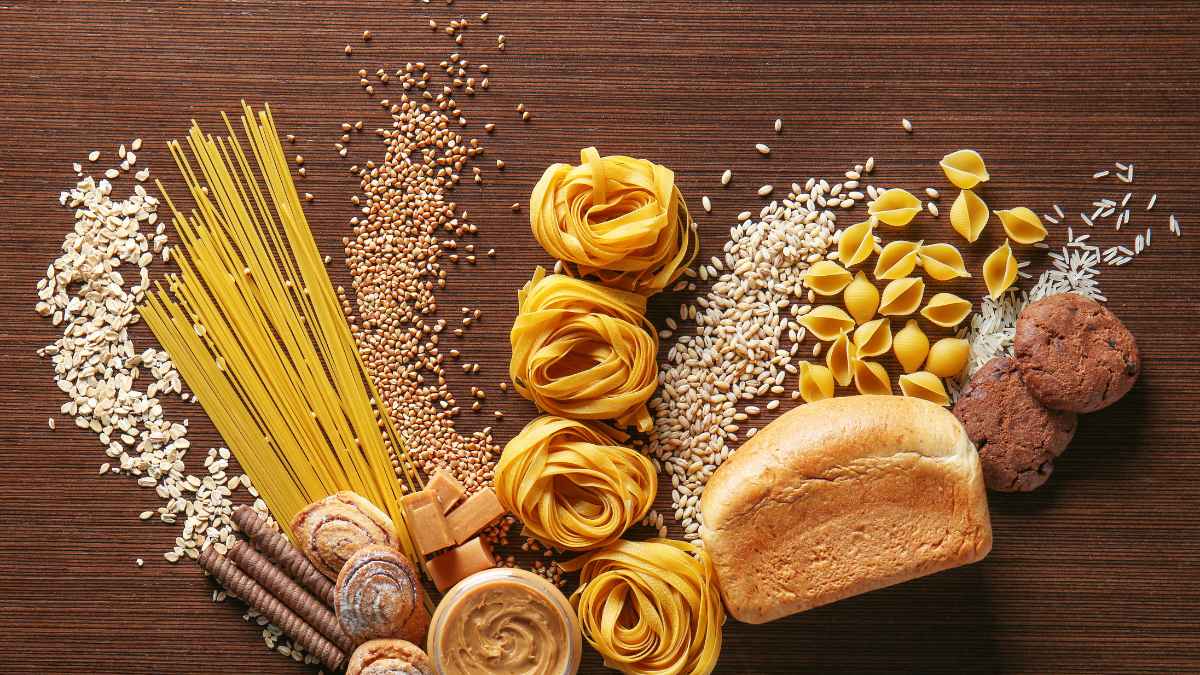
Traditional pasta, primarily made from durum wheat, is a significant source of carbohydrates. Carbohydrates are essential macronutrients that provide energy for the body. In pasta, they are mainly in the form of starch, which is a complex carbohydrate. When consumed, the body breaks down these starches into glucose, which is then used for energy or stored for later use.
The carbohydrate content in traditional pasta is quite high, with an average serving containing around 40-45 grams of carbohydrates. This high carbohydrate content can be a concern for individuals monitoring their intake, such as those with diabetes or those following a low-carb diet. Understanding the carbohydrate content is crucial for making informed dietary choices.
In addition to starch, traditional pasta also contains a small amount of fiber. Fiber is a type of carbohydrate that the body cannot digest, which helps regulate the body’s use of sugars, keeping hunger and blood sugar in check. However, the fiber content in traditional pasta is relatively low compared to whole grain or legume-based alternatives.
The glycemic index (GI) of traditional pasta is another important factor to consider. The GI measures how quickly a food causes blood sugar levels to rise. Traditional pasta has a moderate GI, meaning it can cause a moderate increase in blood sugar levels. This can be a concern for individuals with insulin resistance or diabetes.
Traditional pasta is also relatively low in protein and fat, two macronutrients that can help balance blood sugar levels and provide satiety. This lack of protein and fat can make traditional pasta less filling, leading to overeating and potential weight gain.
Overall, while traditional pasta is a convenient and beloved food, its high carbohydrate content and moderate GI can pose challenges for those looking to manage their carbohydrate intake. Exploring low-carb alternatives can provide a solution for maintaining a balanced diet.
Health Implications of High Carbohydrate Intake
Consuming a diet high in carbohydrates can have several health implications, particularly when those carbohydrates are primarily refined and lack fiber. One of the most significant concerns is the impact on blood sugar levels. High carbohydrate intake can lead to rapid spikes in blood sugar, followed by crashes, which can contribute to insulin resistance and eventually type 2 diabetes.
In addition to blood sugar management, high carbohydrate intake is often linked to weight gain. Carbohydrates, especially refined ones, are less satiating than proteins and fats, which can lead to overeating. Excess carbohydrates are converted into glucose and stored as fat if not used for energy, contributing to obesity and related health issues.
Another health implication is the potential for increased inflammation in the body. Diets high in refined carbohydrates can promote inflammation, which is a risk factor for several chronic diseases, including heart disease, arthritis, and certain cancers. Reducing carbohydrate intake can help mitigate these inflammatory responses.
High carbohydrate consumption is also associated with metabolic syndrome, a cluster of conditions that increase the risk of heart disease, stroke, and diabetes. These conditions include increased blood pressure, high blood sugar levels, excess body fat around the waist, and abnormal cholesterol levels. Managing carbohydrate intake can be a crucial step in preventing or managing metabolic syndrome.
Furthermore, a diet high in refined carbohydrates can negatively affect gut health. Refined carbohydrates can promote the growth of harmful bacteria in the gut, leading to dysbiosis, which is an imbalance in the gut microbiome. This imbalance can affect digestion, immune function, and overall health.
Lastly, high carbohydrate intake can impact mental health. Some studies suggest that diets high in refined carbohydrates may be linked to an increased risk of depression and anxiety. This is thought to be due to the blood sugar fluctuations and inflammatory responses associated with high carbohydrate consumption.
Benefits of Replacing Carbohydrates in Pasta
Replacing carbohydrates in pasta with low-carb alternatives can offer numerous health benefits. One of the primary advantages is improved blood sugar control. Low-carb pasta alternatives typically have a lower glycemic index, which means they cause a slower, more gradual increase in blood sugar levels. This can be particularly beneficial for individuals with diabetes or insulin resistance.
Weight management is another significant benefit. Low-carb pasta alternatives are often higher in protein and fiber, which can help increase satiety and reduce overall calorie intake. Feeling fuller for longer can prevent overeating and support weight loss or maintenance efforts.
Reducing carbohydrate intake can also help decrease inflammation in the body. Low-carb diets have been shown to reduce markers of inflammation, which can lower the risk of chronic diseases such as heart disease, arthritis, and certain cancers. This anti-inflammatory effect can contribute to overall better health and well-being.
Improving gut health is another potential benefit. Low-carb pasta alternatives, particularly those made from legumes or vegetables, are often higher in fiber, which can promote a healthy gut microbiome. A balanced gut microbiome is essential for proper digestion, immune function, and even mental health.
Mental clarity and energy levels can also improve with a lower carbohydrate intake. Many people report feeling more alert and energetic when they reduce their carbohydrate consumption. This is likely due to more stable blood sugar levels and reduced inflammatory responses in the body.
Lastly, replacing carbohydrates in pasta can diversify your diet and introduce you to new and nutritious foods. Exploring low-carb pasta alternatives can lead to the discovery of new flavors and textures, making meals more enjoyable and varied. This dietary diversity can contribute to better overall nutrition and health.
Low-Carb Pasta Alternatives: An Overview
There are several low-carb pasta alternatives available that can help you maintain a balanced diet while still enjoying your favorite dishes. One popular option is spiralized vegetables, such as zucchini, squash, or carrots. These vegetable noodles, often referred to as "zoodles," are low in carbohydrates and calories while being high in vitamins and minerals.
Another excellent low-carb pasta alternative is shirataki noodles. Made from the konjac plant, shirataki noodles are extremely low in carbohydrates and calories. They are also high in glucomannan, a type of fiber that can help promote satiety and support digestive health. Shirataki noodles have a unique texture and can be used in a variety of dishes.
Legume-based pastas, such as those made from chickpeas, lentils, or black beans, are another nutritious low-carb alternative. These pastas are higher in protein and fiber compared to traditional pasta, making them more filling and supportive of blood sugar control. They also offer a variety of flavors and textures to explore.
Almond flour and other nut-based pastas are also gaining popularity as low-carb options. These pastas are typically higher in healthy fats and protein, providing a more balanced macronutrient profile. They can be a bit denser than traditional pasta but offer a rich, nutty flavor that pairs well with many sauces.
Cauliflower pasta is another innovative low-carb alternative. Cauliflower is a versatile vegetable that can be used to make a variety of low-carb dishes, including pasta. Cauliflower pasta is low in carbohydrates and calories while being high in vitamins and minerals. It has a mild flavor that can easily take on the taste of the sauce it is paired with.
Lastly, tofu noodles are a great low-carb pasta option for those looking to increase their protein intake. Made from soybeans, tofu noodles are low in carbohydrates and high in protein. They have a firm texture and can be used in a variety of dishes, from stir-fries to soups.
Nutritional Comparison: Traditional vs. Low-Carb Pasta
When comparing the nutritional profiles of traditional pasta and low-carb alternatives, several key differences emerge. Traditional pasta is primarily composed of carbohydrates, with an average serving containing around 40-45 grams of carbs. In contrast, low-carb pasta alternatives tend to have significantly lower carbohydrate content.
For example, a serving of zucchini noodles contains only about 4 grams of carbohydrates, while shirataki noodles have less than 1 gram of carbohydrates per serving. Legume-based pastas, such as chickpea or lentil pasta, typically contain around 20-25 grams of carbohydrates per serving, which is still considerably lower than traditional pasta.
In terms of protein content, traditional pasta is relatively low, with about 7-8 grams of protein per serving. Low-carb alternatives, particularly legume-based pastas, are often higher in protein. Chickpea pasta, for instance, contains around 14 grams of protein per serving, while black bean pasta can have up to 25 grams of protein per serving.
Fiber content is another important factor to consider. Traditional pasta has about 2-3 grams of fiber per serving, whereas low-carb alternatives can be much higher in fiber. Legume-based pastas often contain 5-8 grams of fiber per serving, and shirataki noodles are high in glucomannan fiber, which can support digestive health.
Fat content is generally low in both traditional and low-carb pastas, but nut-based pastas, such as almond flour pasta, can be higher in healthy fats. These healthy fats can help increase satiety and provide essential fatty acids that support overall health.
Vitamin and mineral content can also vary between traditional and low-carb pastas. Vegetable-based alternatives, such as zucchini or cauliflower noodles, are rich in vitamins and minerals like vitamin C, vitamin K, and potassium. Legume-based pastas are also a good source of iron, magnesium, and folate.
Overall, low-carb pasta alternatives tend to offer a more balanced macronutrient profile, with higher protein and fiber content and lower carbohydrates compared to traditional pasta. This can make them a healthier choice for those looking to manage their carbohydrate intake and improve their overall nutrition.
Practical Tips for Cooking Low-Carb Pasta
Cooking low-carb pasta alternatives can be a bit different from preparing traditional pasta, but with a few practical tips, you can create delicious and satisfying meals. One of the first things to consider is the cooking time. Many low-carb pastas, such as vegetable noodles and shirataki noodles, require much shorter cooking times than traditional pasta. Overcooking can result in a mushy texture, so it’s important to monitor them closely.
For vegetable noodles, such as zucchini or squash, a quick sauté in a hot pan with a bit of olive oil is often sufficient. Cooking them for just a few minutes will help maintain their texture and nutritional value. You can also eat them raw in salads for a crunchy alternative.
Shirataki noodles require a bit of preparation before cooking. They are packed in water and can have a distinct odor that needs to be rinsed off. After rinsing, it’s helpful to dry them thoroughly and even pan-fry them for a few minutes to improve their texture. This step can help remove excess moisture and give them a more pasta-like consistency.
Legume-based pastas can be cooked similarly to traditional pasta, but they may require slightly less cooking time. It’s important to follow the package instructions and taste-test for doneness. These pastas can become mushy if overcooked, so it’s best to cook them al dente.
When cooking nut-based pastas, such as almond flour pasta, be mindful of the cooking time and temperature. These pastas can be more delicate and may require gentle handling. Cooking them at a lower temperature and for a shorter time can help preserve their texture.
For tofu noodles, a quick blanch in boiling water or a brief sauté in a hot pan can be sufficient. Tofu noodles have a firm texture that holds up well in various dishes, from stir-fries to soups. They can also be marinated to add extra flavor before cooking.
Pairing low-carb pastas with nutrient-dense sauces and toppings can enhance their flavor and nutritional value. Consider using homemade tomato sauce, pesto, or a simple olive oil and garlic dressing. Adding plenty of vegetables, lean proteins, and healthy fats can create a well-rounded and satisfying meal.
Conclusion:
Replacing carbohydrates in pasta with low-carb alternatives can offer numerous health benefits, from improved blood sugar control to better weight management and enhanced overall nutrition. Understanding the nutritional differences and learning practical cooking tips can help you make the most of these alternatives. By exploring a variety of low-carb pasta options, you can enjoy delicious and satisfying meals while maintaining a balanced diet.
Read More…
- Healthline – Low-Carb Pasta Options: A comprehensive guide to various low-carb pasta alternatives and their nutritional benefits. Healthline
- Mayo Clinic – Carbohydrates and Blood Sugar: An in-depth look at how carbohydrates affect blood sugar levels and tips for managing intake. Mayo Clinic
- WebMD – Benefits of Low-Carb Diets: An article discussing the health benefits of low-carb diets and how to implement them effectively. WebMD
- Harvard T.H. Chan School of Public Health – Fiber and Health: Information on the importance of dietary fiber and its role in maintaining health. Harvard T.H. Chan School of Public Health
- American Diabetes Association – Glycemic Index and Diabetes: A resource explaining the glycemic index and its relevance for individuals with diabetes. American Diabetes Association