

Se hai un abbonamento attivo ACCEDI QUI
Introduction:
In the realm of nutrition, the concept of separating carbohydrates and proteins has garnered significant attention. This dietary approach, often referred to as macronutrient separation, posits that consuming these macronutrients at different times can optimize digestion and improve overall health. This article delves into the fundamentals of macronutrient separation, its benefits, and practical tips for incorporating this strategy into your daily routine.
Understanding Macronutrient Separation Basics
Macronutrient separation is based on the idea that carbohydrates and proteins are digested differently, and consuming them separately can enhance digestive efficiency. Carbohydrates begin digestion in the mouth with the enzyme amylase, while proteins are primarily broken down in the stomach by pepsin and hydrochloric acid. When consumed together, these processes can interfere with each other, potentially leading to digestive discomfort.
The theory suggests that separating these macronutrients allows the digestive system to work more efficiently. For instance, consuming a carbohydrate-rich meal allows the body to focus on breaking down starches and sugars without the interference of protein digestion. Similarly, a protein-centric meal can be digested more effectively when not competing with carbohydrates.
It’s important to note that scientific consensus on the efficacy of macronutrient separation is still evolving. Some studies suggest potential benefits, while others find minimal impact on digestion or nutrient absorption. Therefore, individual experiences and preferences play a significant role in determining the effectiveness of this approach.
Adopting macronutrient separation also involves understanding the glycemic index (GI) of foods. Carbohydrates with a high GI can cause rapid spikes in blood sugar levels, whereas low-GI carbs provide a more gradual release of energy. Pairing high-GI foods with proteins can moderate these spikes, but separating them might offer a different set of benefits.
Moreover, macronutrient separation is not a one-size-fits-all solution. Factors such as age, metabolic rate, and overall health can influence how well an individual responds to this dietary strategy. Consulting with a healthcare professional or a registered dietitian is advisable before making significant changes to your eating habits.
Ultimately, the goal of macronutrient separation is to enhance digestive health and improve nutrient utilization. By understanding the basics and tailoring the approach to your unique needs, you can explore whether this dietary strategy aligns with your health goals.
Benefits of Separating Carbs and Proteins
One of the primary benefits touted by proponents of macronutrient separation is improved digestion. By consuming carbohydrates and proteins separately, the digestive system can focus on breaking down one macronutrient at a time, potentially reducing the risk of indigestion, bloating, and gas. This can lead to a more comfortable post-meal experience and better overall digestive health.
Another potential benefit is enhanced energy levels. Carbohydrates are the body’s primary source of energy, while proteins play a crucial role in muscle repair and growth. By strategically timing the intake of these macronutrients, individuals may experience more stable energy levels throughout the day. For example, consuming carbohydrates in the morning can provide a quick energy boost, while protein-rich meals later in the day can support muscle recovery and sustained energy.
Weight management is another area where macronutrient separation might offer advantages. Some studies suggest that separating carbs and proteins can help regulate appetite and reduce overall calorie intake. This is because proteins are known to promote satiety, helping individuals feel fuller for longer periods. By consuming protein-rich meals separately, it may be easier to avoid overeating and manage weight more effectively.
Additionally, macronutrient separation can support metabolic health. Carbohydrates, especially those with a high glycemic index, can cause rapid spikes in blood sugar levels. By consuming carbohydrates separately from proteins, it may be possible to moderate these spikes and maintain more stable blood sugar levels. This can be particularly beneficial for individuals with insulin resistance or type 2 diabetes.
Athletes and fitness enthusiasts might also find value in macronutrient separation. Properly timing the intake of carbohydrates and proteins can optimize performance and recovery. For instance, consuming carbohydrates before a workout can provide the necessary energy for exercise, while protein intake post-workout can aid in muscle repair and growth. This strategic approach can enhance athletic performance and support fitness goals.
Lastly, macronutrient separation encourages mindful eating. By paying closer attention to the types and timing of foods consumed, individuals can develop a greater awareness of their dietary habits. This mindfulness can lead to more intentional food choices, better portion control, and an overall healthier relationship with food.
Key Principles of Macronutrient Timing
Macronutrient timing involves strategically planning when to consume carbohydrates and proteins to maximize their benefits. One key principle is to align carbohydrate intake with periods of high energy demand. For example, consuming a carbohydrate-rich meal or snack before a workout can provide the necessary fuel for physical activity, enhancing performance and endurance.
Conversely, protein intake is often emphasized during periods of recovery and muscle repair. Consuming protein-rich foods after a workout can support muscle synthesis and recovery, helping to rebuild and strengthen muscle tissue. This principle is particularly important for athletes and individuals engaged in regular physical activity.
Another principle of macronutrient timing is to consider the glycemic index (GI) of carbohydrates. Low-GI carbohydrates, such as whole grains and legumes, provide a slow and steady release of energy, making them suitable for meals consumed earlier in the day. High-GI carbohydrates, like sugary snacks and refined grains, can cause rapid spikes in blood sugar levels and are best consumed in moderation or paired with proteins to mitigate their impact.
Meal frequency and portion control are also essential aspects of macronutrient timing. Instead of consuming large, mixed meals, individuals can benefit from smaller, more frequent meals that focus on either carbohydrates or proteins. This approach can help maintain stable energy levels and prevent overeating.
Hydration plays a crucial role in macronutrient timing as well. Adequate water intake supports digestion and nutrient absorption, making it important to stay hydrated throughout the day. Drinking water before and after meals can aid in the digestive process and enhance the body’s ability to utilize nutrients effectively.
Lastly, individual variability should be taken into account. Factors such as age, gender, metabolic rate, and overall health can influence how the body responds to macronutrient timing. Personal experimentation and consultation with a healthcare professional can help tailor the approach to meet specific needs and goals.
Foods Rich in Carbohydrates and Proteins
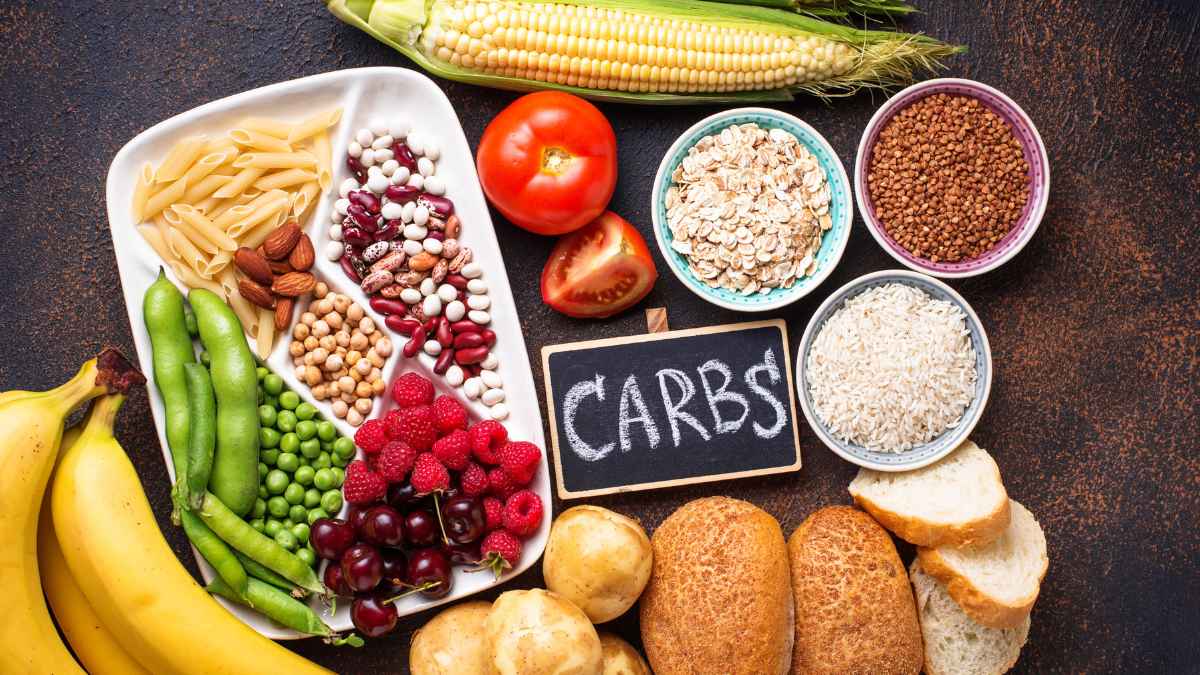
Understanding which foods are rich in carbohydrates and proteins is essential for effectively implementing macronutrient separation. Carbohydrates are primarily found in plant-based foods, including grains, fruits, vegetables, and legumes. Common carbohydrate-rich foods include rice, oats, quinoa, potatoes, bananas, apples, and beans. These foods provide essential nutrients and energy needed for daily activities.
Proteins, on the other hand, are abundant in both animal and plant-based sources. Animal-based protein sources include meat, poultry, fish, eggs, and dairy products such as milk, cheese, and yogurt. These foods are complete proteins, meaning they contain all essential amino acids required by the body.
Plant-based protein sources include legumes, nuts, seeds, tofu, tempeh, and certain grains like quinoa and buckwheat. While some plant-based proteins are incomplete, combining different sources can provide a complete amino acid profile. For example, pairing beans with rice creates a complete protein meal.
It’s also important to consider the quality of carbohydrates and proteins consumed. Whole, unprocessed foods are generally more nutrient-dense and beneficial for health. For example, whole grains like brown rice and whole wheat bread offer more fiber and nutrients compared to refined grains like white rice and white bread. Similarly, lean protein sources such as chicken breast and fish are healthier options compared to processed meats like sausages and bacon.
Incorporating a variety of carbohydrate and protein sources into your diet ensures a balanced intake of essential nutrients. This diversity can also make meal planning more enjoyable and sustainable. Experimenting with different foods and recipes can help identify personal preferences and dietary needs.
When planning meals, it’s helpful to categorize foods based on their macronutrient content. For instance, a breakfast meal might focus on carbohydrate-rich foods like oatmeal and fruit, while lunch could emphasize protein-rich options like grilled chicken and vegetables. This approach simplifies the process of macronutrient separation and ensures a balanced diet.
Practical Tips for Meal Planning and Prep
Effective meal planning and preparation are crucial for successfully implementing macronutrient separation. Start by creating a weekly meal plan that outlines which meals will focus on carbohydrates and which will emphasize proteins. This plan should consider your daily schedule, energy needs, and personal preferences.
Batch cooking is a practical strategy for meal prep. Prepare large quantities of carbohydrate-rich foods like rice, quinoa, and roasted vegetables, as well as protein-rich options like grilled chicken, tofu, and hard-boiled eggs. Store these items in separate containers to make it easy to assemble meals throughout the week.
Utilize kitchen tools and gadgets to streamline meal prep. Slow cookers, instant pots, and food processors can save time and effort when preparing large batches of food. Investing in quality storage containers and meal prep bags can also help keep meals organized and fresh.
Incorporating variety into your meal plan is essential to prevent boredom and ensure a balanced intake of nutrients. Experiment with different recipes and cuisines to keep meals interesting. For example, try a Mediterranean-inspired meal with quinoa, chickpeas, and roasted vegetables, or a Mexican-themed dish with black beans, brown rice, and salsa.
Snacks can also be planned and prepped in advance. Prepare carbohydrate-rich snacks like fruit slices, whole-grain crackers, and vegetable sticks, as well as protein-rich options like yogurt, cheese, and nuts. Having these snacks readily available can help maintain energy levels and prevent unhealthy food choices.
Lastly, staying flexible is important. While having a meal plan is helpful, it’s also essential to adapt to unexpected changes in your schedule or preferences. Allow yourself the flexibility to switch meals or try new foods as needed. This adaptability can make the process of macronutrient separation more sustainable and enjoyable in the long run.
Common Myths About Macronutrient Separation
One common myth about macronutrient separation is that it guarantees weight loss. While some individuals may experience weight loss by adopting this dietary approach, it is not a guaranteed outcome. Weight loss depends on various factors, including overall calorie intake, physical activity levels, and individual metabolism.
Another myth is that macronutrient separation is necessary for optimal digestion. While some people may find that separating carbs and proteins improves their digestion, others may not notice a significant difference. Digestive health is influenced by numerous factors, including gut microbiota, hydration, and overall diet quality.
A prevalent misconception is that all carbohydrates are bad and should be avoided. In reality, carbohydrates are an essential macronutrient that provides energy for the body. The key is to choose high-quality, nutrient-dense carbohydrates, such as whole grains, fruits, and vegetables, rather than refined and processed options.
Some believe that macronutrient separation requires strict and rigid meal planning. While planning is important, the approach can be flexible and adaptable to individual preferences and lifestyles. The goal is to find a balance that works for you, rather than adhering to a strict set of rules.
There is also a myth that macronutrient separation is a new and revolutionary concept. In fact, the idea has been around for decades and has been explored in various dietary approaches, such as food combining diets. While it has gained renewed interest, it is not a novel concept in the field of nutrition.
Lastly, some people think that macronutrient separation eliminates the need for other healthy eating practices. However, it is important to remember that a balanced diet, regular physical activity, and overall lifestyle choices all contribute to health and well-being. Macronutrient separation can be one component of a holistic approach to nutrition and health.
Conclusion:
Macronutrient separation is a dietary strategy that involves consuming carbohydrates and proteins at different times to potentially enhance digestion, energy levels, and overall health. While scientific consensus on its efficacy varies, many individuals find benefits in adopting this approach. By understanding the basics, benefits, and principles of macronutrient timing, and incorporating practical tips for meal planning and preparation, you can explore whether this dietary strategy aligns with your health goals.
Read More…
-
Harvard T.H. Chan School of Public Health – Carbohydrates: This resource provides comprehensive information on the role of carbohydrates in the diet, including their impact on health and guidelines for consumption.
-
Mayo Clinic – Protein: Why Your Body Needs It: An in-depth look at the importance of protein, its functions in the body, and recommended dietary sources.
-
National Institutes of Health – Digestive Enzymes: A detailed explanation of the digestive enzymes involved in breaking down carbohydrates and proteins, and how they function in the digestive process.
-
American Diabetes Association – Glycemic Index and Diabetes: Information on the glycemic index of foods and its relevance to blood sugar management, particularly for individuals with diabetes.
-
Academy of Nutrition and Dietetics – Meal Planning for Athletes: Practical tips and guidelines for meal planning and timing to optimize athletic performance and recovery.