


Introduction:
The relationship between diet and health has long been a topic of discussion, particularly when it comes to cholesterol levels. As a staple in many diets worldwide, pasta often raises questions regarding its impact on cholesterol. This article aims to explore the complex interplay between pasta consumption and cholesterol levels, examining the nutritional profile of pasta, its various forms, and how it fits into a heart-healthy diet.
Understanding Cholesterol: Types and Health Implications
Cholesterol is a waxy substance found in the cells of the body, essential for producing hormones, vitamin D, and substances that help digest foods. However, not all cholesterol is created equal. There are two primary types: low-density lipoprotein (LDL), often referred to as "bad" cholesterol, and high-density lipoprotein (HDL), known as "good" cholesterol. High levels of LDL can lead to plaque buildup in arteries, increasing the risk of heart disease and stroke.
The balance between these two types of cholesterol is crucial for maintaining cardiovascular health. While HDL helps remove cholesterol from the bloodstream, LDL contributes to arterial blockages. Therefore, understanding how dietary choices influence these cholesterol levels is vital for anyone concerned about heart health.
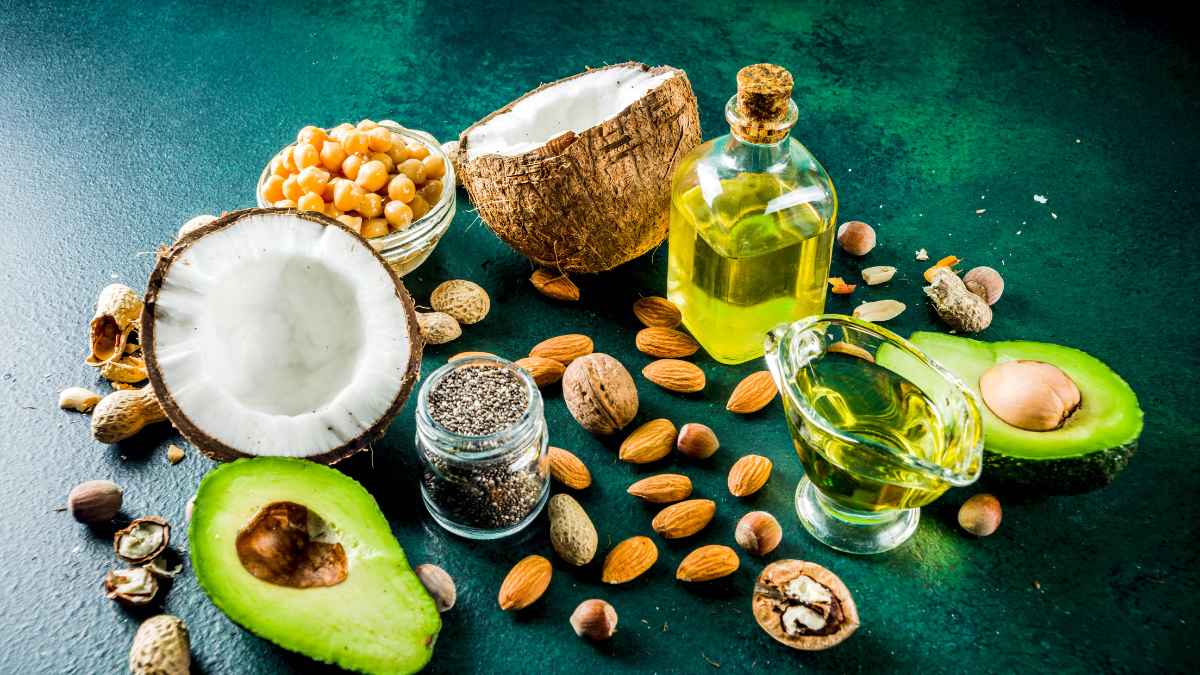
Dietary factors, including saturated fats, trans fats, and dietary cholesterol, can significantly impact cholesterol levels. Foods high in saturated fats, such as fatty cuts of meat and full-fat dairy products, tend to raise LDL cholesterol levels. Conversely, foods rich in unsaturated fats, such as nuts, seeds, and fish, can help boost HDL cholesterol.
In addition to dietary fats, other lifestyle factors such as physical activity, smoking, and weight management play a role in cholesterol levels. Therefore, a holistic approach that includes a balanced diet and healthy lifestyle choices is essential for managing cholesterol effectively.
The Nutritional Profile of Pasta: A Comprehensive Analysis
Pasta is primarily made from durum wheat semolina, which is rich in carbohydrates. A standard serving of cooked pasta contains approximately 200 calories, with around 43 grams of carbohydrates, 7 grams of protein, and 1 gram of fat. While pasta is low in fat, it is essential to consider its carbohydrate content, especially for individuals monitoring their blood sugar levels.
Beyond carbohydrates, pasta also provides essential nutrients, including B vitamins (such as thiamine, niacin, and folate) and minerals like iron and magnesium. These nutrients are vital for energy production, red blood cell formation, and overall metabolic health. However, the nutritional value of pasta can vary significantly depending on the type consumed.
Traditional white pasta is often criticized for its high glycemic index, which can lead to rapid spikes in blood sugar levels. In contrast, whole grain pasta retains more of the wheat’s natural fiber and nutrients, making it a more nutritious option. The fiber content in whole grain pasta can aid in digestion and promote a feeling of fullness, which may help with weight management.
Understanding the nutritional profile of pasta can help individuals make informed choices about its inclusion in their diets, particularly concerning cholesterol management.
How Pasta Consumption Affects Cholesterol Levels
The direct impact of pasta consumption on cholesterol levels is nuanced. Pasta itself is low in saturated fat and cholesterol, meaning it does not inherently raise LDL cholesterol levels. However, the overall dietary context in which pasta is consumed plays a significant role in determining its effects on cholesterol.
When pasta is paired with high-fat sauces, such as Alfredo or carbonara, or served alongside fatty meats, the overall meal can contribute to increased LDL cholesterol levels. Conversely, when pasta is combined with heart-healthy ingredients like vegetables, lean proteins, and healthy fats (such as olive oil), it can be part of a cholesterol-conscious diet.
Additionally, the glycemic index of pasta can influence cholesterol levels indirectly. High-glycemic foods can lead to insulin spikes, which may contribute to increased fat storage and, subsequently, higher cholesterol levels. Choosing whole grain pasta, which has a lower glycemic index, can help mitigate these effects.
Research suggests that incorporating moderate amounts of pasta into a balanced diet does not negatively impact cholesterol levels for most individuals. Instead, it can provide a source of energy and essential nutrients when consumed mindfully.
Comparing Whole Grain and Refined Pasta Options
The distinction between whole grain and refined pasta is crucial for understanding their respective health benefits. Whole grain pasta is made from the entire grain kernel, which includes the bran, germ, and endosperm. This composition results in higher fiber content, essential vitamins, and minerals, making it a more nutritious option compared to refined pasta.
Refined pasta, on the other hand, undergoes processing that removes the bran and germ, stripping away many nutrients. While it may be more palatable and cook faster, refined pasta is often lower in fiber and can lead to quicker spikes in blood sugar levels. This can potentially influence cholesterol levels indirectly by promoting insulin resistance over time.
Studies indicate that diets high in whole grains, including whole grain pasta, are associated with lower levels of LDL cholesterol and a reduced risk of cardiovascular disease. The fiber in whole grains can help lower cholesterol by binding to bile acids in the digestive system, leading to their excretion and forcing the body to use cholesterol to produce more bile.
Incorporating whole grain pasta into meals can be a simple yet effective strategy for improving overall dietary quality and supporting heart health, particularly for those concerned about cholesterol levels.
Dietary Guidelines: Incorporating Pasta Healthily
To enjoy pasta while maintaining healthy cholesterol levels, it is essential to follow dietary guidelines that emphasize balance and moderation. Portion control is key; a standard serving size of pasta is typically about one cup cooked. This helps prevent excessive calorie intake and ensures that pasta remains a complementary part of a meal rather than the main focus.
Pairing pasta with a variety of vegetables, lean proteins, and healthy fats can enhance its nutritional profile. For example, adding sautéed spinach, tomatoes, and grilled chicken to whole grain pasta creates a well-rounded dish that is both satisfying and heart-healthy. Incorporating legumes, such as lentils or chickpeas, can further boost fiber and protein content.
Additionally, being mindful of sauces and toppings is crucial. Opting for tomato-based sauces or olive oil dressings instead of cream-based sauces can significantly reduce saturated fat intake. Herbs and spices can also add flavor without the need for additional fats or sugars, making meals more nutritious.
Finally, maintaining an overall balanced diet that includes a variety of food groups—fruits, vegetables, whole grains, lean proteins, and healthy fats—will support cholesterol management and overall health. Pasta can certainly fit into this framework when consumed thoughtfully.
Conclusions:
In summary, pasta is not inherently bad for cholesterol and can be part of a heart-healthy diet when consumed in moderation and paired with nutritious ingredients. Understanding the differences between whole grain and refined pasta, as well as their respective impacts on cholesterol levels, is essential for making informed dietary choices. By incorporating pasta mindfully and balancing it with other healthy foods, individuals can enjoy this beloved staple without compromising their cardiovascular health.


