
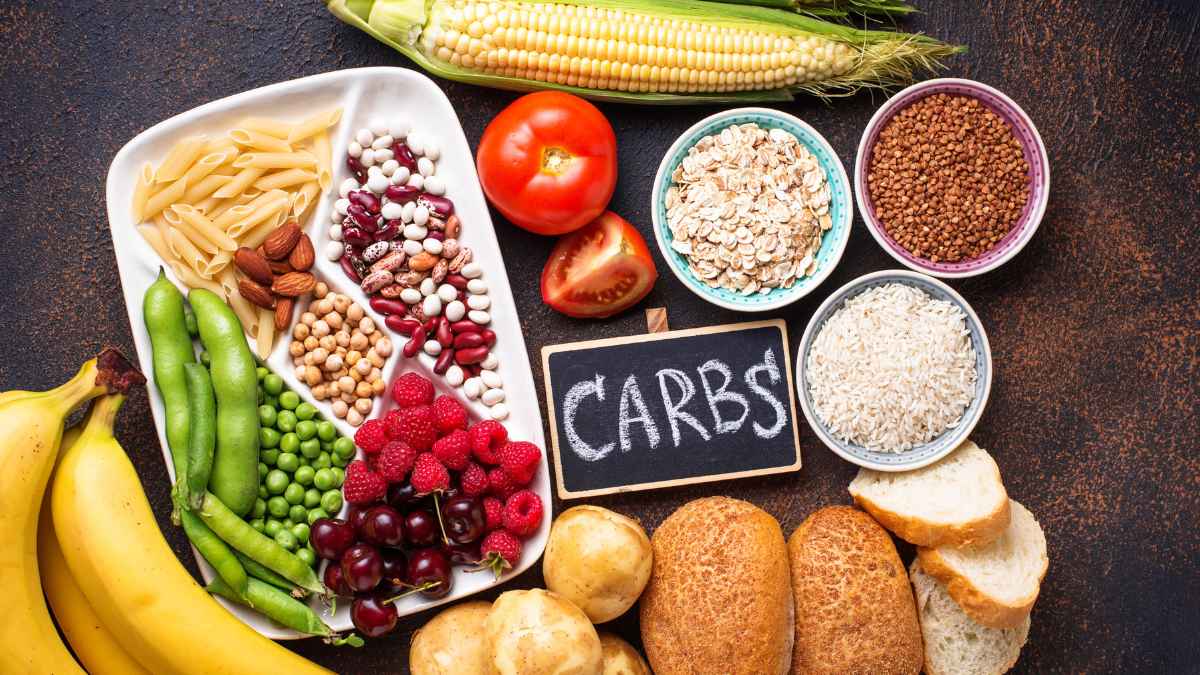


Introduction: Non-fermentable carbohydrates are an essential component of a balanced diet, playing a significant role in maintaining overall health. Unlike fermentable carbohydrates, which are broken down by bacteria in the gut, non-fermentable carbs pass through the digestive system largely intact. This article delves into the intricacies of non-fermentable carbohydrates, exploring their chemical structure, health benefits, sources, and how they compare to their fermentable counterparts. Additionally, we will touch upon future research and potential applications in the field of nutrition and health.
Introduction to Non-Fermentable Carbohydrates
Non-fermentable carbohydrates, also known as non-digestible carbohydrates, are a type of dietary fiber that resists fermentation by gut bacteria. These carbohydrates travel through the digestive system without being broken down, thereby contributing to various health benefits. Unlike fermentable fibers, which are metabolized by gut bacteria to produce short-chain fatty acids (SCFAs), non-fermentable carbs remain largely unchanged as they transit the gastrointestinal tract.
The primary function of non-fermentable carbohydrates is to add bulk to the stool, facilitating regular bowel movements and preventing constipation. This characteristic makes them particularly valuable in promoting digestive health. Additionally, they help in maintaining a healthy weight by providing a sense of fullness, which can reduce overall calorie intake.
Non-fermentable carbohydrates are also known to play a role in regulating blood sugar levels. By slowing down the absorption of glucose, they help in maintaining stable blood sugar levels, which is crucial for individuals with diabetes or those at risk of developing the condition. Moreover, these carbs can aid in lowering cholesterol levels by binding to bile acids and promoting their excretion.
Despite their importance, non-fermentable carbohydrates are often overlooked in favor of their fermentable counterparts. However, their unique properties make them an indispensable part of a balanced diet. Understanding the role of non-fermentable carbohydrates can help individuals make informed dietary choices that support long-term health.
In the following sections, we will explore the chemical structure and classification of non-fermentable carbohydrates, their health benefits, sources, and how they compare to fermentable carbohydrates. We will also discuss future research directions and potential applications in the field of nutrition.
Chemical Structure and Classification
Non-fermentable carbohydrates can be broadly classified into several types based on their chemical structure. The most common types include cellulose, hemicellulose, and lignin. Each of these types has unique structural characteristics that contribute to their non-fermentable nature.
Cellulose is a polysaccharide composed of glucose units linked by β-1,4-glycosidic bonds. This linear structure makes cellulose resistant to enzymatic breakdown in the human digestive tract. As a result, cellulose passes through the digestive system largely intact, providing bulk to the stool and aiding in regular bowel movements.
Hemicellulose, on the other hand, is a heterogeneous group of polysaccharides that include various sugar monomers such as xylose, mannose, and galactose. Unlike cellulose, hemicellulose has a branched structure, which contributes to its partial solubility in water. Despite this solubility, hemicellulose remains largely non-fermentable due to its complex structure.
Lignin is a complex polymer composed of phenolic compounds. Unlike cellulose and hemicellulose, lignin is not a carbohydrate but is often classified with dietary fibers due to its indigestible nature. Lignin’s rigid, three-dimensional structure makes it highly resistant to microbial fermentation, further contributing to its role as a non-fermentable fiber.
In addition to these primary types, non-fermentable carbohydrates can also include certain resistant starches and synthetic fibers. Resistant starches are a form of starch that resists digestion in the small intestine and passes into the colon largely intact. Synthetic fibers, such as polydextrose and methylcellulose, are manufactured to mimic the properties of natural non-fermentable fibers.
Understanding the chemical structure and classification of non-fermentable carbohydrates is crucial for identifying their sources and potential health benefits. In the next section, we will explore the various health benefits associated with the consumption of non-fermentable carbohydrates.
Health Benefits of Non-Fermentable Carbs
One of the primary health benefits of non-fermentable carbohydrates is their ability to promote digestive health. By adding bulk to the stool, these fibers facilitate regular bowel movements and prevent constipation. This is particularly beneficial for individuals who suffer from chronic constipation or other digestive disorders.
Non-fermentable carbohydrates also play a role in weight management. Because they are not broken down and absorbed in the digestive tract, they do not contribute to caloric intake. Additionally, their bulk-forming properties provide a sense of fullness, which can help reduce overall food consumption and support weight loss efforts.
Another significant benefit of non-fermentable carbohydrates is their impact on blood sugar regulation. By slowing down the absorption of glucose, these fibers help maintain stable blood sugar levels. This is particularly important for individuals with diabetes or those at risk of developing the condition. Stable blood sugar levels can also help prevent energy crashes and reduce cravings for sugary foods.
Non-fermentable carbohydrates have also been shown to lower cholesterol levels. They achieve this by binding to bile acids in the intestine, which are then excreted from the body. This process forces the liver to use cholesterol to produce more bile acids, thereby reducing the overall level of cholesterol in the blood.
In addition to these benefits, non-fermentable carbohydrates may also play a role in reducing the risk of certain diseases. For example, a diet high in non-fermentable fibers has been associated with a lower risk of developing colorectal cancer. This is thought to be due to the increased stool bulk and reduced transit time, which minimizes the exposure of the intestinal lining to potential carcinogens.
Overall, the health benefits of non-fermentable carbohydrates are numerous and varied. Incorporating these fibers into a balanced diet can support digestive health, weight management, blood sugar regulation, and cholesterol reduction. In the next section, we will explore the various sources of non-fermentable carbohydrates.
Sources of Non-Fermentable Carbohydrates
Non-fermentable carbohydrates can be found in a variety of foods, making it relatively easy to incorporate them into a balanced diet. One of the most well-known sources of non-fermentable carbohydrates is whole grains. Foods such as brown rice, whole wheat, and oats are rich in cellulose and hemicellulose, making them excellent choices for increasing non-fermentable fiber intake.
Vegetables are another important source of non-fermentable carbohydrates. Leafy greens, such as spinach and kale, as well as root vegetables like carrots and beets, contain significant amounts of cellulose and lignin. These vegetables not only provide essential nutrients but also contribute to the bulk-forming properties of non-fermentable fibers.
Fruits, particularly those with edible skins, are also good sources of non-fermentable carbohydrates. Apples, pears, and berries contain a mix of cellulose and hemicellulose, which contribute to their fiber content. It’s important to consume these fruits with their skins intact to maximize the intake of non-fermentable fibers.
Legumes, including beans, lentils, and chickpeas, are rich in both fermentable and non-fermentable fibers. The non-fermentable fibers in legumes help add bulk to the stool and support digestive health. Additionally, legumes are a good source of protein, making them a valuable addition to a balanced diet.
Nuts and seeds, such as almonds, flaxseeds, and chia seeds, also contain non-fermentable carbohydrates. These foods are not only high in fiber but also provide healthy fats and other essential nutrients. Incorporating a variety of nuts and seeds into the diet can help increase non-fermentable fiber intake.
Finally, certain resistant starches and synthetic fibers can be found in processed foods and supplements. Resistant starches are present in foods like green bananas and cooked and cooled potatoes. Synthetic fibers, such as polydextrose and methylcellulose, are often added to fiber supplements and fortified foods to boost their fiber content.
By including a diverse range of these foods in the diet, individuals can ensure they are getting an adequate amount of non-fermentable carbohydrates. In the next section, we will compare non-fermentable carbohydrates with their fermentable counterparts.
Comparison with Fermentable Carbohydrates
Fermentable carbohydrates, unlike their non-fermentable counterparts, are broken down by gut bacteria in the colon. This fermentation process produces short-chain fatty acids (SCFAs) and gases, which can have various effects on health. While both types of carbohydrates are essential for a balanced diet, they serve different functions and offer distinct health benefits.
One of the primary differences between fermentable and non-fermentable carbohydrates is their impact on gut health. Fermentable fibers, such as those found in beans, onions, and garlic, promote the growth of beneficial gut bacteria. This can enhance gut health by improving the balance of the gut microbiota and producing SCFAs, which have anti-inflammatory properties.
In contrast, non-fermentable carbohydrates primarily add bulk to the stool and facilitate regular bowel movements. While they do not directly influence gut bacteria, their bulk-forming properties can help prevent constipation and support overall digestive health. This makes non-fermentable fibers particularly valuable for individuals with digestive disorders.
Another key difference is their effect on blood sugar levels. Non-fermentable carbohydrates slow down the absorption of glucose, helping to maintain stable blood sugar levels. Fermentable carbohydrates, on the other hand, can have varying effects on blood sugar depending on their rate of fermentation and the production of SCFAs.
Weight management is another area where these two types of carbohydrates differ. Non-fermentable carbohydrates contribute to a sense of fullness without adding calories, which can aid in weight loss efforts. Fermentable carbohydrates, while also providing a sense of fullness, can contribute to caloric intake due to the production of SCFAs during fermentation.
Both types of carbohydrates also differ in their impact on cholesterol levels. Non-fermentable carbohydrates can lower cholesterol by binding to bile acids and promoting their excretion. Fermentable carbohydrates, particularly soluble fibers like beta-glucan found in oats, can also lower cholesterol by forming a gel-like substance in the gut that traps cholesterol.
In summary, while both fermentable and non-fermentable carbohydrates offer unique health benefits, they serve different functions within the body. A balanced diet should include a variety of both types of fibers to support overall health. In the next section, we will explore future research directions and potential applications of non-fermentable carbohydrates.
Future Research and Applications
The field of non-fermentable carbohydrates is ripe for future research and potential applications. One promising area of research is the development of functional foods that incorporate non-fermentable fibers. These foods can be designed to provide specific health benefits, such as improved digestive health, weight management, and blood sugar regulation.
Another area of interest is the role of non-fermentable carbohydrates in disease prevention. While current research suggests that these fibers may reduce the risk of colorectal cancer, more studies are needed to fully understand their protective mechanisms. Additionally, research into the impact of non-fermentable carbohydrates on other types of cancer and chronic diseases could provide valuable insights.
The interaction between non-fermentable carbohydrates and the gut microbiota is another promising research avenue. While these fibers are not fermented by gut bacteria, they can still influence gut health by affecting the physical environment of the colon. Understanding these interactions could lead to new strategies for promoting gut health and preventing digestive disorders.
Advancements in biotechnology also offer exciting possibilities for the development of new non-fermentable fibers. By using genetic engineering and other biotechnological techniques, researchers can create novel fibers with specific properties tailored to meet various health needs. These innovations could lead to the development of more effective fiber supplements and functional foods.
The potential applications of non-fermentable carbohydrates extend beyond human health. These fibers can also be used in animal nutrition to improve digestive health and overall well-being in livestock. Additionally, non-fermentable fibers have applications in the food industry as thickeners, stabilizers, and texturizers, contributing to the development of healthier and more palatable food products.
In conclusion, the future of non-fermentable carbohydrate research and applications is bright, with numerous opportunities for innovation and discovery. By continuing to explore the unique properties and health benefits of these fibers, researchers can develop new strategies for improving health and well-being.
Conclusion: Non-fermentable carbohydrates are a vital component of a balanced diet, offering numerous health benefits, including improved digestive health, weight management, blood sugar regulation, and cholesterol reduction. Understanding their chemical structure, sources, and how they compare to fermentable carbohydrates can help individuals make informed dietary choices. With ongoing research and potential applications in both human and animal nutrition, the future of non-fermentable carbohydrates holds great promise for enhancing health and well-being.
Read More…
-
Harvard T.H. Chan School of Public Health: Fiber
- An in-depth look at the different types of dietary fiber, including non-fermentable carbohydrates, and their health benefits.
-
National Institutes of Health: Dietary Fiber
- A comprehensive resource on dietary fiber, including its classification, sources, and health effects.
-
Mayo Clinic: Dietary Fiber: Essential for a Healthy Diet
- An overview of the importance of dietary fiber, including non-fermentable carbohydrates, and tips for increasing fiber intake.
-
American Heart Association: Fiber and Heart Health
- Information on how dietary fiber, including non-fermentable carbohydrates, can support heart health.
-
Academy of Nutrition and Dietetics: Types of Fiber
- A detailed guide to the different types of fiber, their sources, and their health benefits.


