

Se hai un abbonamento attivo ACCEDI QUI
Introduction:
Chronic Kidney Disease (CKD) is a common condition in aging cats, and managing it effectively can significantly improve the quality of life for our feline friends. One of the key components in managing CKD is diet, specifically the role of carbohydrates. In this article, we will explore the optimal carbohydrate sources for cats with mild CKD, ensuring that their dietary needs are met while supporting kidney health.
Understanding Mild CKD in Cats: An Overview
Mild Chronic Kidney Disease (CKD) in cats is characterized by a gradual loss of kidney function. This condition is often diagnosed through blood tests that measure creatinine and blood urea nitrogen (BUN) levels, as well as urinalysis to assess kidney performance. Early detection is crucial, as it allows for dietary and medical interventions that can slow the progression of the disease.
CKD in cats is typically classified into four stages, with mild CKD corresponding to stages 1 and 2. At these stages, cats may not exhibit obvious symptoms, but subtle signs such as increased thirst, frequent urination, and weight loss can be indicators. Regular veterinary check-ups are essential for early diagnosis and management.
The kidneys play a vital role in filtering waste products from the blood, regulating electrolytes, and maintaining fluid balance. When kidney function declines, waste products accumulate in the blood, leading to various health issues. Therefore, managing CKD involves reducing the workload on the kidneys and minimizing the accumulation of these waste products.
Dietary modifications are a cornerstone of CKD management. By adjusting the nutrient composition of a cat’s diet, we can help alleviate some of the strain on the kidneys. This includes controlling protein, phosphorus, and sodium intake, as well as ensuring adequate hydration.
Understanding the nutritional needs of cats with CKD is essential for formulating an appropriate diet. While protein restriction is often emphasized, the role of carbohydrates should not be overlooked. Carbohydrates can provide a valuable source of energy and help maintain overall health when chosen wisely.
Importance of Diet in Managing Feline CKD
Diet plays a critical role in managing feline CKD, as it directly impacts kidney function and overall health. A well-balanced diet tailored to the needs of cats with CKD can slow disease progression, alleviate symptoms, and improve quality of life.
One of the primary dietary goals for CKD management is to reduce the intake of phosphorus. High phosphorus levels can accelerate kidney damage, so it’s important to choose foods with low phosphorus content. Additionally, controlling protein intake is crucial, as excessive protein can increase the workload on the kidneys.
Hydration is another key factor in managing CKD. Cats with CKD are prone to dehydration, which can exacerbate kidney problems. Wet food or a combination of wet and dry food can help ensure adequate fluid intake. Encouraging water consumption through water fountains or flavored water can also be beneficial.
Omega-3 fatty acids have been shown to have anti-inflammatory properties and may help reduce kidney inflammation. Including sources of omega-3s, such as fish oil, in the diet can be advantageous for cats with CKD. However, it’s important to consult with a veterinarian before making any dietary changes.
Fiber can also play a role in managing CKD. Soluble fiber can help reduce the absorption of toxins in the gut, potentially alleviating some of the burden on the kidneys. Foods with moderate fiber content can be beneficial, but excessive fiber should be avoided.
Finally, monitoring and adjusting the diet based on the cat’s condition and response to treatment is essential. Regular veterinary check-ups and blood tests can help assess kidney function and guide dietary modifications. A tailored diet, combined with medical management, can significantly enhance the well-being of cats with CKD.
Role of Carbohydrates in a Cat’s Diet
Carbohydrates are a source of energy and can play a supportive role in a cat’s diet, even for those with CKD. However, it’s important to understand the specific needs of cats and how carbohydrates fit into their overall nutritional profile.
Cats are obligate carnivores, meaning their natural diet consists primarily of protein and fat. Unlike humans and some other animals, cats have a limited ability to metabolize carbohydrates. Therefore, the inclusion of carbohydrates in their diet should be carefully considered and balanced.
In the context of CKD, carbohydrates can provide an alternative energy source to protein. This is important because reducing protein intake is often necessary to manage CKD, and carbohydrates can help meet the cat’s energy requirements without overburdening the kidneys.
Not all carbohydrates are created equal. Simple carbohydrates, such as sugars, can lead to rapid spikes in blood glucose levels and should be avoided. Complex carbohydrates, on the other hand, are digested more slowly and provide a steady source of energy. These include whole grains, vegetables, and certain legumes.
The glycemic index (GI) of carbohydrates is also an important consideration. Low-GI carbohydrates cause a slower and more gradual increase in blood glucose levels, which is beneficial for cats with CKD. High-GI carbohydrates can lead to insulin resistance and other metabolic issues, so they should be minimized.
Incorporating carbohydrates into a CKD diet requires careful selection and balance. The goal is to provide energy while minimizing any negative impact on kidney function and overall health. Consulting with a veterinarian or a veterinary nutritionist can help determine the appropriate types and amounts of carbohydrates for a cat with CKD.
Optimal Carbohydrate Sources for CKD Cats
Selecting the right carbohydrate sources for cats with CKD is crucial to ensure they receive the necessary nutrients without compromising kidney health. Here are some optimal carbohydrate sources that can be included in a CKD-friendly diet:
-
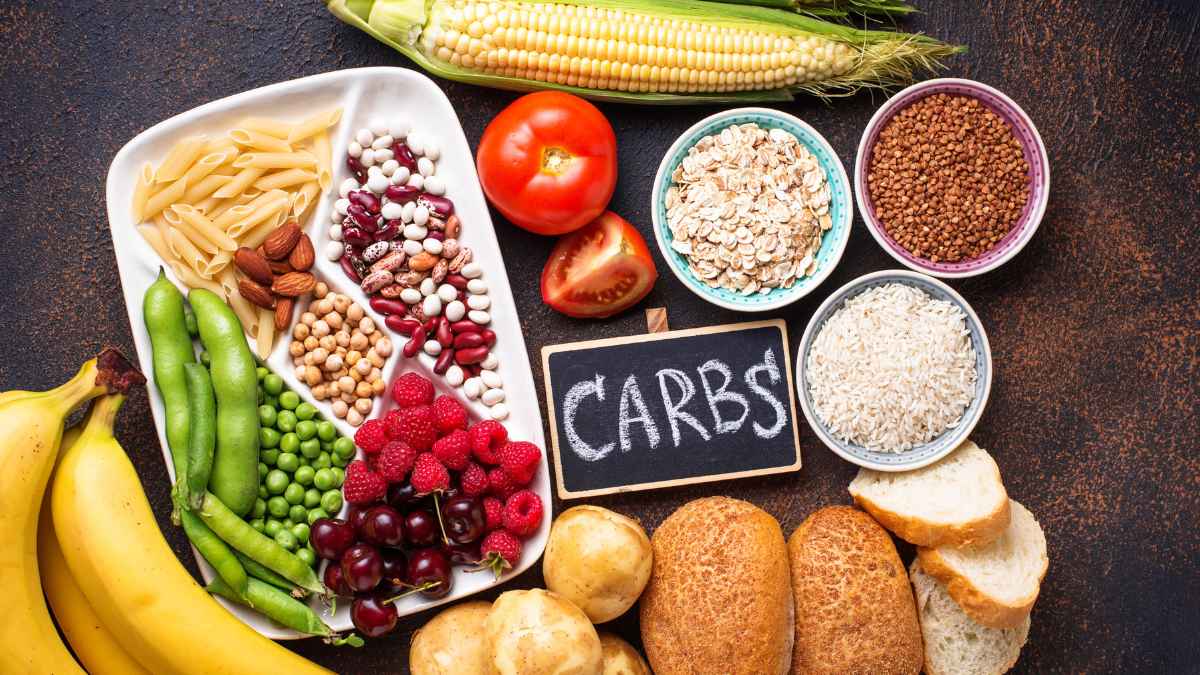
Pumpkin: Pumpkin is a low-GI carbohydrate source that is rich in fiber and essential nutrients. It can help regulate digestion and provide a steady source of energy. Additionally, pumpkin is low in phosphorus, making it suitable for cats with CKD.
-
Sweet Potatoes: Sweet potatoes are another excellent source of complex carbohydrates. They are rich in vitamins and minerals, including potassium and vitamin A. Sweet potatoes have a moderate GI and can be a good addition to a CKD diet.
-
Peas: Peas are a legume that provides both carbohydrates and protein. They are low in phosphorus and have a low GI, making them suitable for CKD cats. Peas also contain fiber, which can aid in digestion and help manage blood glucose levels.
-
Oats: Oats are a whole grain that offers a good source of complex carbohydrates and fiber. They have a low GI and can provide sustained energy. Oats are also low in phosphorus, making them a suitable choice for cats with CKD.
-
Barley: Barley is another whole grain that is low in phosphorus and has a low GI. It provides complex carbohydrates and fiber, which can help regulate digestion and maintain stable blood glucose levels. Barley can be included in a CKD diet to provide energy and essential nutrients.
-
Green Beans: Green beans are a low-calorie vegetable that provides carbohydrates, fiber, and essential vitamins. They have a low GI and are low in phosphorus, making them suitable for cats with CKD. Green beans can be added to the diet to provide variety and additional nutrients.
When incorporating these carbohydrate sources into a CKD diet, it’s important to ensure they are properly cooked and prepared to enhance digestibility. Additionally, portion control is essential to avoid overfeeding and maintain a balanced diet.
Balancing Carbohydrates with Protein and Fat
Balancing carbohydrates with protein and fat is essential for creating a well-rounded diet for cats with CKD. Each macronutrient plays a unique role in supporting overall health and kidney function.
Protein is a critical component of a cat’s diet, but in the context of CKD, it must be carefully managed. High-quality, easily digestible protein sources should be prioritized to minimize the burden on the kidneys. Animal-based proteins, such as chicken, turkey, and fish, are ideal choices. The goal is to provide enough protein to maintain muscle mass and overall health without overloading the kidneys.
Fat is an important energy source and can help make up for the reduced protein intake in a CKD diet. Healthy fats, such as those found in fish oil and flaxseed oil, provide essential fatty acids that support kidney health and reduce inflammation. Including moderate amounts of healthy fats can help maintain energy levels and improve the palatability of the diet.
Carbohydrates, as discussed earlier, should be selected carefully to provide a steady source of energy without causing rapid spikes in blood glucose levels. Complex carbohydrates with a low GI are preferred, and portion control is essential to avoid excessive carbohydrate intake.
The ratio of protein, fat, and carbohydrates in a CKD diet should be tailored to the individual needs of the cat. This can be achieved through consultation with a veterinarian or a veterinary nutritionist who can assess the cat’s condition and recommend appropriate dietary adjustments.
In addition to macronutrients, micronutrients such as vitamins and minerals are also important. Cats with CKD may require supplementation of certain nutrients, such as B vitamins and potassium, to support overall health and kidney function. These supplements should be administered under veterinary supervision.
Regular monitoring of the cat’s condition and response to the diet is crucial. Blood tests and urinalysis can help assess kidney function and guide dietary adjustments. By balancing carbohydrates with protein and fat, we can create a diet that supports kidney health and enhances the quality of life for cats with CKD.
Monitoring and Adjusting Diet for CKD Management
Monitoring and adjusting the diet of cats with CKD is an ongoing process that requires vigilance and regular veterinary care. The goal is to ensure that the diet continues to meet the cat’s nutritional needs while supporting kidney health.
Regular veterinary check-ups are essential for monitoring the progression of CKD and assessing the effectiveness of the diet. Blood tests, including measurements of creatinine, BUN, and phosphorus levels, can provide valuable insights into kidney function. Urinalysis can also help evaluate kidney performance and detect any signs of urinary tract infections.
Based on the results of these tests, dietary adjustments may be necessary. For example, if phosphorus levels are elevated, further reduction in phosphorus intake may be required. If the cat is losing weight or muscle mass, adjustments to protein and calorie intake may be needed to ensure adequate nutrition.
Hydration status should also be closely monitored. Cats with CKD are prone to dehydration, so ensuring adequate fluid intake is crucial. Wet food can help increase water consumption, and additional measures such as water fountains or flavored water can encourage drinking.
Owners should also monitor their cat’s appetite and overall well-being. Changes in appetite, weight, or behavior can indicate that dietary adjustments are needed. Keeping a food diary and recording any changes can help track the cat’s response to the diet and identify any issues early on.
In some cases, appetite stimulants or medications may be necessary to encourage eating and maintain adequate nutrition. These should be used under veterinary supervision and as part of a comprehensive CKD management plan.
By closely monitoring and adjusting the diet, we can help manage CKD more effectively and improve the quality of life for cats with this condition. Regular communication with a veterinarian or a veterinary nutritionist is key to ensuring that the diet remains appropriate and beneficial for the cat’s health.
Conclusion:
Managing CKD in cats requires a comprehensive approach that includes dietary modifications, regular veterinary care, and close monitoring. Carbohydrates, when chosen and balanced correctly, can play a supportive role in providing energy and maintaining overall health. By selecting optimal carbohydrate sources and balancing them with protein and fat, we can create a diet that supports kidney health and enhances the quality of life for cats with CKD.
Read More…
- International Renal Interest Society (IRIS): A leading resource on kidney disease in pets, providing guidelines and information on diagnosis and management.
- American Association of Feline Practitioners (AAFP): Offers guidelines and resources for managing chronic kidney disease in cats.
- Veterinary Partner: A comprehensive resource for pet owners and veterinarians, including information on CKD and dietary management.
- PetMD: Provides articles and resources on various feline health conditions, including CKD and dietary recommendations.
- Tufts University Cummings School of Veterinary Medicine: Offers expert insights and research on the nutritional management of CKD in pets.