

Se hai un abbonamento attivo ACCEDI QUI
Introduction:
Gluten intolerance, also known as non-celiac gluten sensitivity, affects a significant portion of the population. For those who suffer from this condition, consuming gluten can lead to a range of uncomfortable symptoms, from digestive issues to neurological problems. One of the primary dietary adjustments required is the elimination of gluten-containing grains, which can pose a challenge given the prevalence of gluten in many carbohydrate sources. This article delves into the permissible carbohydrates for those with gluten intolerance, providing a comprehensive guide to understanding and incorporating safe carbs into a gluten-free diet.
Understanding Gluten Intolerance and Carbohydrates
Gluten intolerance is a condition where the ingestion of gluten—a protein found in wheat, barley, and rye—triggers adverse health effects. Unlike celiac disease, which involves an autoimmune response, gluten intolerance does not cause damage to the small intestine but can still lead to significant discomfort and health issues. Common symptoms include bloating, diarrhea, constipation, headache, and fatigue.
Carbohydrates are a vital part of any diet, providing the primary source of energy for the body. They are found in a wide range of foods, including grains, fruits, vegetables, and legumes. For those with gluten intolerance, identifying and consuming gluten-free carbohydrates is crucial to maintaining a balanced diet without triggering adverse reactions.
Gluten-containing grains such as wheat, barley, and rye are common sources of carbohydrates, but they must be avoided by those with gluten intolerance. This can make it challenging to meet daily carbohydrate needs, especially given the prevalence of these grains in processed foods. However, there are many gluten-free carbohydrate options available that can provide the necessary nutrients without causing harm.
Understanding the relationship between gluten intolerance and carbohydrates involves recognizing which foods are safe to consume and which should be avoided. This knowledge is essential for managing symptoms and maintaining overall health. It also requires careful reading of food labels and an awareness of potential cross-contamination in food processing.
In addition to grains, gluten can be found in many processed foods, sauces, and even some medications. Therefore, those with gluten intolerance must be vigilant about their food choices and seek out certified gluten-free products to ensure their safety. This often involves a combination of naturally gluten-free foods and specially formulated gluten-free products.
Ultimately, managing gluten intolerance requires a comprehensive understanding of which carbohydrates are permissible and how to incorporate them into a balanced diet. By doing so, individuals can enjoy a variety of foods while avoiding the discomfort and health issues associated with gluten consumption.
Essential Carbohydrates for Gluten-Free Diets
For those with gluten intolerance, it’s essential to focus on carbohydrates that are naturally gluten-free or specifically processed to be gluten-free. These carbohydrates not only provide the necessary energy but also contribute to overall nutritional balance. Some of the most important gluten-free carbohydrates include rice, potatoes, quinoa, and gluten-free oats.
Rice is a staple in many gluten-free diets due to its versatility and availability. Both white and brown rice are naturally gluten-free, making them safe choices for those with gluten intolerance. Brown rice, in particular, offers additional nutritional benefits, including higher fiber content and essential vitamins and minerals.
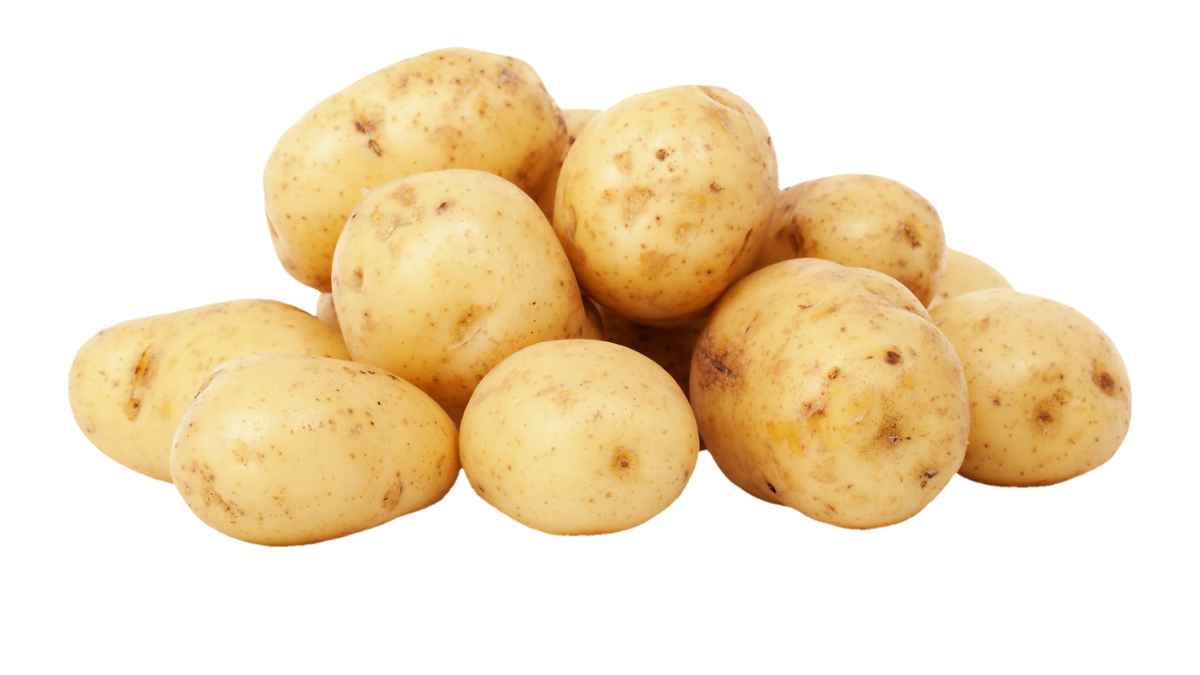
Potatoes are another excellent source of gluten-free carbohydrates. They can be prepared in various ways, from baking and boiling to mashing and frying. Sweet potatoes are especially nutritious, providing a rich source of vitamins A and C, as well as fiber. Both regular and sweet potatoes can be incorporated into a wide range of dishes.
Quinoa, a pseudo-cereal, is naturally gluten-free and packed with nutrients. It is a complete protein, containing all nine essential amino acids, making it an excellent choice for those on a gluten-free diet. Quinoa is also high in fiber, magnesium, and iron, contributing to overall health and well-being.
Gluten-free oats are another valuable addition to a gluten-free diet. While oats themselves are naturally gluten-free, they can often be contaminated with gluten during processing. Therefore, it’s important to choose oats that are specifically labeled as gluten-free. These oats can be used in various recipes, from breakfast porridge to baked goods.
Corn is a versatile gluten-free grain that can be used in many forms, including cornmeal, corn flour, and whole corn. It is a good source of carbohydrates and provides essential nutrients such as fiber, vitamins, and minerals. Corn-based products like tortillas and polenta are popular choices for those on a gluten-free diet.
Incorporating these essential gluten-free carbohydrates into daily meals ensures that individuals with gluten intolerance can maintain a balanced diet without compromising their health. By focusing on naturally gluten-free options and being mindful of potential cross-contamination, it’s possible to enjoy a wide variety of nutritious and delicious foods.
Naturally Gluten-Free Carbohydrate Sources
Naturally gluten-free carbohydrate sources are abundant and varied, offering numerous options for those with gluten intolerance. Fruits, vegetables, legumes, and certain grains and pseudo-cereals are all excellent choices that provide essential nutrients without the risk of gluten exposure.
Fruits are a fantastic source of carbohydrates and are naturally gluten-free. They provide essential vitamins, minerals, and fiber, contributing to overall health. Apples, bananas, berries, and citrus fruits are just a few examples of fruits that can be safely consumed by those with gluten intolerance. Fresh, frozen, and dried fruits (without added gluten-containing ingredients) are all suitable options.
Vegetables are another important source of gluten-free carbohydrates. Starchy vegetables like potatoes, sweet potatoes, and corn are particularly rich in carbohydrates and can be included in various dishes. Non-starchy vegetables such as broccoli, spinach, and bell peppers also provide valuable nutrients and fiber, supporting a balanced diet.
Legumes, including beans, lentils, and chickpeas, are naturally gluten-free and offer a substantial amount of carbohydrates, protein, and fiber. They can be used in soups, stews, salads, and as standalone dishes. Legumes are also an excellent source of plant-based protein, making them a valuable addition to a gluten-free diet.
Certain grains and pseudo-cereals, such as rice, quinoa, and buckwheat, are naturally gluten-free and provide essential carbohydrates. These grains can be used in a variety of recipes, from main dishes to side dishes and even desserts. Buckwheat, despite its name, is not related to wheat and is safe for those with gluten intolerance.
Nuts and seeds, while not typically high in carbohydrates, can be used to add texture and flavor to gluten-free dishes. They are also rich in healthy fats, protein, and essential nutrients. Almonds, chia seeds, and flaxseeds are just a few examples of nuts and seeds that can be incorporated into a gluten-free diet.
By focusing on these naturally gluten-free carbohydrate sources, individuals with gluten intolerance can enjoy a diverse and nutritious diet. These foods not only provide the necessary energy but also contribute to overall health and well-being, ensuring that dietary restrictions do not lead to nutritional deficiencies.
Processed Carbohydrates: Safe Choices for Intolerance
Processed carbohydrates can be a convenient option for those with gluten intolerance, but it’s crucial to choose products that are specifically labeled as gluten-free. Many processed foods contain hidden sources of gluten or are subject to cross-contamination during manufacturing. However, there are numerous safe choices available that cater to gluten-free diets.
Gluten-free bread is a popular processed carbohydrate that allows individuals with gluten intolerance to enjoy sandwiches, toast, and other bread-based dishes. These breads are typically made from alternative flours such as rice flour, almond flour, or tapioca flour. It’s important to check labels for certification to ensure they are truly gluten-free.
Pasta is another staple that can be enjoyed by those with gluten intolerance, provided it is made from gluten-free ingredients. Gluten-free pasta options include those made from rice, corn, quinoa, and legumes. These alternatives offer a similar texture and taste to traditional pasta, making them a suitable replacement in various recipes.
Gluten-free cereals and granolas are also available for those who need to avoid gluten. These products are often made from rice, corn, or gluten-free oats and can be enjoyed as part of a balanced breakfast or snack. As with other processed foods, it’s essential to choose products that are certified gluten-free to avoid cross-contamination.
Snack foods such as gluten-free crackers, chips, and pretzels provide convenient options for those with gluten intolerance. These snacks are typically made from alternative grains and flours, ensuring they are safe to consume. Reading labels and choosing certified gluten-free products is key to avoiding inadvertent gluten exposure.
Baking mixes and flours specifically formulated for gluten-free diets are widely available and can be used to create a variety of baked goods. These mixes often combine different gluten-free flours, such as rice flour, potato starch, and tapioca flour, to achieve the desired texture and taste. Using these products allows for the enjoyment of homemade gluten-free cakes, cookies, and breads.
Frozen meals and convenience foods that are labeled gluten-free can also be a practical option for those with gluten intolerance. These products are designed to be quick and easy to prepare while adhering to gluten-free standards. It’s important to verify the gluten-free certification on the packaging to ensure safety.
By choosing processed carbohydrates that are specifically labeled as gluten-free, individuals with gluten intolerance can enjoy the convenience of these foods without compromising their health. These products provide a variety of options that cater to different tastes and dietary needs, making it easier to maintain a gluten-free lifestyle.
Nutritional Benefits of Gluten-Free Carbohydrates
Gluten-free carbohydrates offer numerous nutritional benefits that contribute to overall health and well-being. By selecting a variety of gluten-free carbohydrate sources, individuals with gluten intolerance can ensure they receive essential nutrients while avoiding gluten-related symptoms.
One of the primary benefits of gluten-free carbohydrates is their ability to provide sustained energy. Carbohydrates are the body’s main source of fuel, and consuming gluten-free options ensures that individuals with gluten intolerance can maintain their energy levels throughout the day. This is particularly important for those who are active or have demanding schedules.
Many gluten-free carbohydrates are rich in fiber, which is essential for digestive health. Foods such as brown rice, quinoa, and legumes provide significant amounts of fiber, helping to regulate bowel movements and prevent constipation. A high-fiber diet also supports heart health by reducing cholesterol levels and promoting a healthy weight.
Gluten-free carbohydrates often contain essential vitamins and minerals that support overall health. For example, sweet potatoes are an excellent source of vitamins A and C, while quinoa provides magnesium, iron, and B vitamins. These nutrients play crucial roles in various bodily functions, from immune support to energy production.
Incorporating a variety of gluten-free carbohydrates can also enhance the diversity of the diet, leading to a more balanced intake of nutrients. By including different grains, fruits, vegetables, and legumes, individuals can benefit from a wide range of vitamins, minerals, and antioxidants. This diversity can help prevent nutritional deficiencies and promote overall health.
Gluten-free carbohydrates can also support weight management. Many naturally gluten-free foods, such as fruits, vegetables, and legumes, are low in calories and high in fiber, making them filling and satisfying. This can help individuals maintain a healthy weight by reducing the likelihood of overeating and promoting satiety.
For those with gluten intolerance, consuming gluten-free carbohydrates can also improve overall well-being by reducing symptoms associated with gluten consumption. By avoiding gluten, individuals can prevent digestive discomfort, fatigue, and other adverse effects, leading to a better quality of life.
Overall, the nutritional benefits of gluten-free carbohydrates are significant. By carefully selecting and incorporating a variety of gluten-free carbohydrate sources, individuals with gluten intolerance can enjoy a balanced and nutritious diet that supports their health and well-being.
Tips for Incorporating Safe Carbs in Daily Meals
Incorporating safe carbohydrates into daily meals is essential for those with gluten intolerance to maintain a balanced and enjoyable diet. Here are some practical tips to help individuals effectively include gluten-free carbohydrates in their meals.
Start by planning meals around naturally gluten-free carbohydrate sources. For breakfast, consider options like gluten-free oats, quinoa porridge, or a smoothie with fruits and gluten-free granola. These choices provide a nutritious start to the day and ensure a good intake of essential nutrients.
For lunch and dinner, focus on incorporating gluten-free grains and starchy vegetables. Dishes such as rice bowls, quinoa salads, and baked sweet potatoes can serve as the base for a variety of meals. Pair these carbohydrate sources with lean proteins and plenty of vegetables to create balanced and satisfying dishes.
Experiment with gluten-free pasta and bread alternatives. Gluten-free pasta made from rice, corn, or legumes can be used in traditional pasta dishes, while gluten-free bread can be used for sandwiches and toast. These alternatives allow for the enjoyment of familiar meals without the risk of gluten exposure.
Incorporate legumes into meals for an added boost of carbohydrates, protein, and fiber. Beans, lentils, and chickpeas can be used in soups, stews, salads, and even as a base for veggie burgers. These versatile ingredients are not only nutritious but also add variety to the diet.
When it comes to snacks, choose gluten-free options that provide carbohydrates and other essential nutrients. Snacks like gluten-free crackers, rice cakes, and fruit can be convenient and satisfying. Preparing homemade snacks, such as energy balls made with gluten-free oats and nuts, can also be a great way to ensure safe and nutritious options.
Lastly, always read labels and choose certified gluten-free products to avoid cross-contamination. This is especially important for processed foods, as gluten can be hidden in various ingredients and additives. Being vigilant about label reading and choosing trusted brands can help ensure that the carbohydrates consumed are safe for those with gluten intolerance.
By following these tips, individuals with gluten intolerance can effectively incorporate safe carbohydrates into their daily meals. This approach not only supports a balanced diet but also allows for the enjoyment of a wide variety of delicious and nutritious foods.
Conclusion:
Managing gluten intolerance requires careful selection of carbohydrate sources to avoid gluten exposure while maintaining a balanced diet. By understanding which carbohydrates are permissible, focusing on naturally gluten-free options, and choosing certified gluten-free processed foods, individuals with gluten intolerance can enjoy a diverse and nutritious diet. Incorporating a variety of gluten-free carbohydrates ensures sustained energy, essential nutrients, and overall well-being. With the right knowledge and planning, it’s possible to navigate a gluten-free lifestyle without compromising on taste or nutrition.
Read More…
- Celiac Disease Foundation – Gluten-Free Diet
- Provides comprehensive information on gluten-free diets, including safe foods and tips for managing gluten intolerance.
- Mayo Clinic – Gluten-Free Diet: What’s Allowed, What’s Not
- Offers detailed guidance on which foods are safe for those with gluten intolerance and how to avoid gluten.
- Harvard T.H. Chan School of Public Health – Carbohydrates
- Explains the role of carbohydrates in the diet and provides insights into healthy carbohydrate choices.
- Beyond Celiac – Gluten-Free Diet
- A resource for understanding gluten intolerance and finding safe gluten-free foods and recipes.
- National Institute of Diabetes and Digestive and Kidney Diseases – Definition & Facts for Celiac Disease
- Provides scientific information on celiac disease and gluten intolerance, including dietary recommendations.