

Se hai un abbonamento attivo ACCEDI QUI
Introduction: Carbohydrates are fundamental macromolecules that play a crucial role in the biology of living organisms. They are not only a primary source of energy but also contribute significantly to various structural and functional aspects of cells. This article delves into the primary functions of carbohydrates in living beings, exploring their chemical structure, role in energy production, involvement in cell structure and function, participation in metabolic pathways, and their dietary sources and health implications.
Introduction to Carbohydrates in Living Beings
Carbohydrates are organic compounds composed of carbon, hydrogen, and oxygen, typically with a hydrogen:oxygen atom ratio of 2:1. These molecules are essential for life, serving as a primary energy source and playing a vital role in various biological processes. Carbohydrates are classified into three main categories: monosaccharides, disaccharides, and polysaccharides, each with distinct functions and properties.
In living beings, carbohydrates are involved in numerous physiological processes. They are vital for energy production, cellular structure, and signaling. Carbohydrates also contribute to the synthesis of nucleic acids and the functioning of the immune system. Their versatility and abundance make them indispensable for life.
The importance of carbohydrates can be traced back to their role in photosynthesis, where plants convert carbon dioxide and water into glucose and oxygen. This glucose serves as the primary energy source for plants and, subsequently, for the animals and humans that consume them. Understanding the functions of carbohydrates is crucial for comprehending the broader aspects of biology and nutrition.
Carbohydrates are also involved in cell recognition and communication. Glycoproteins and glycolipids, which are carbohydrates attached to proteins and lipids, respectively, play critical roles in cell-cell interactions and signaling pathways. These molecules are essential for the immune response and the maintenance of cellular integrity.
Moreover, carbohydrates have significant implications for health and disease. Imbalances in carbohydrate metabolism can lead to conditions such as diabetes, obesity, and cardiovascular diseases. Therefore, understanding the role of carbohydrates in living beings is not only important for biology but also for medical science and nutrition.
In summary, carbohydrates are multifaceted molecules that are essential for the survival and functioning of living organisms. Their roles in energy production, cellular structure, and signaling, as well as their health implications, make them a critical area of study in both biology and medicine.
Chemical Structure of Carbohydrates
The chemical structure of carbohydrates is defined by their molecular formula, which is generally represented as (CH₂O)n. This formula indicates that carbohydrates are composed of carbon (C), hydrogen (H), and oxygen (O) atoms. The simplest form of carbohydrates is monosaccharides, which include glucose, fructose, and galactose. These are single sugar molecules that serve as building blocks for more complex carbohydrates.
Monosaccharides are characterized by the presence of a carbonyl group (C=O) and multiple hydroxyl groups (-OH). Depending on the position of the carbonyl group, monosaccharides can be classified as aldoses (with an aldehyde group) or ketoses (with a ketone group). The arrangement of these functional groups determines the specific properties and reactivity of the monosaccharides.
Disaccharides are formed when two monosaccharides undergo a dehydration reaction, resulting in the formation of a glycosidic bond. Common disaccharides include sucrose (glucose + fructose), lactose (glucose + galactose), and maltose (glucose + glucose). These molecules are easily broken down into their constituent monosaccharides during digestion, providing a quick source of energy.
Polysaccharides are long chains of monosaccharide units linked by glycosidic bonds. They can be either linear or branched and serve various functions in living organisms. Starch and glycogen are storage polysaccharides in plants and animals, respectively, while cellulose and chitin are structural polysaccharides found in plant cell walls and exoskeletons of arthropods.
The structural diversity of polysaccharides is due to the different types of glycosidic linkages and the degree of branching. For example, amylose, a component of starch, is a linear polysaccharide with α-1,4-glycosidic bonds, while amylopectin, another component of starch, is highly branched with both α-1,4- and α-1,6-glycosidic bonds. This structural complexity allows polysaccharides to perform a wide range of biological functions.
In conclusion, the chemical structure of carbohydrates is highly variable, ranging from simple monosaccharides to complex polysaccharides. This structural diversity underpins their multifunctional roles in energy storage, structural integrity, and biological signaling.
Role of Carbohydrates in Energy Production
Carbohydrates are the primary source of energy for most living organisms. The process of energy production from carbohydrates begins with glycolysis, a metabolic pathway that occurs in the cytoplasm of cells. During glycolysis, one molecule of glucose is broken down into two molecules of pyruvate, yielding a net gain of two ATP molecules and two NADH molecules. This process does not require oxygen and is therefore considered anaerobic.
Following glycolysis, pyruvate can enter the mitochondria and be converted into acetyl-CoA, which then enters the citric acid cycle (Krebs cycle). The citric acid cycle is a series of enzymatic reactions that produce additional ATP, NADH, and FADH₂ molecules. These high-energy electron carriers then donate electrons to the electron transport chain, a series of protein complexes located in the inner mitochondrial membrane.
The electron transport chain generates a proton gradient across the inner mitochondrial membrane, driving the synthesis of ATP through oxidative phosphorylation. This process is highly efficient, producing approximately 34 ATP molecules from one molecule of glucose. Thus, the complete oxidation of glucose through glycolysis, the citric acid cycle, and oxidative phosphorylation yields a total of about 36-38 ATP molecules.
In addition to glucose, other carbohydrates such as fructose and galactose can also be utilized for energy production. These sugars are converted into intermediates of glycolysis and enter the metabolic pathway at different points. This flexibility allows cells to efficiently utilize various carbohydrate sources for energy.
Carbohydrates are also involved in the storage of energy. In animals, excess glucose is stored as glycogen in the liver and muscle tissues. Glycogen can be rapidly mobilized and broken down into glucose when energy demands increase. In plants, excess glucose is stored as starch, which serves as an energy reserve for periods of low photosynthetic activity.
In summary, carbohydrates play a central role in energy production through glycolysis, the citric acid cycle, and oxidative phosphorylation. They provide a versatile and efficient source of energy for cellular processes and are also stored as glycogen and starch for future use.
Carbohydrates in Cell Structure and Function
Carbohydrates are integral components of cell structure and function. One of the most well-known structural carbohydrates is cellulose, a polysaccharide that forms the primary component of plant cell walls. Cellulose is composed of β-1,4-linked glucose units, which form long, linear chains that interact through hydrogen bonds to create strong, rigid fibers. This structural integrity provides plants with the necessary support to maintain their shape and withstand external forces.
In addition to cellulose, other structural polysaccharides include chitin and peptidoglycan. Chitin is a polymer of N-acetylglucosamine and is found in the exoskeletons of arthropods and the cell walls of fungi. Peptidoglycan is a complex polysaccharide that forms the cell walls of bacteria, providing structural support and protection against osmotic pressure.
Carbohydrates also play a crucial role in cell recognition and communication. Glycoproteins and glycolipids are molecules that consist of carbohydrates covalently bonded to proteins and lipids, respectively. These molecules are located on the cell surface and are involved in various cellular processes, including cell-cell interactions, immune response, and signal transduction.
The carbohydrate moieties of glycoproteins and glycolipids serve as recognition sites for other molecules. For example, the binding of specific carbohydrates on the surface of pathogens to receptors on immune cells triggers an immune response. Similarly, cell-cell adhesion molecules, such as selectins, recognize and bind to specific carbohydrate structures on the surfaces of other cells, facilitating cell-cell interactions and communication.
Carbohydrates are also involved in the stabilization of proteins and lipids. The addition of carbohydrate groups to proteins (glycosylation) can enhance protein stability, solubility, and resistance to proteolysis. Glycosylation also plays a role in protein folding and trafficking within the cell.
In summary, carbohydrates are essential for cell structure and function. They provide structural support through polysaccharides like cellulose and chitin, facilitate cell recognition and communication through glycoproteins and glycolipids, and stabilize proteins and lipids through glycosylation.
Carbohydrates and Metabolic Pathways
Carbohydrates are central to various metabolic pathways that sustain life. One of the primary pathways is glycolysis, which breaks down glucose into pyruvate, generating ATP and NADH in the process. This pathway is crucial for energy production, especially in anaerobic conditions where oxygen is limited.
Following glycolysis, pyruvate can be further metabolized through the citric acid cycle and oxidative phosphorylation to produce additional ATP. These pathways are interconnected with other metabolic processes, such as the pentose phosphate pathway, which generates NADPH and ribose-5-phosphate for nucleotide synthesis and antioxidant defense.
Carbohydrates are also involved in gluconeogenesis, a metabolic pathway that synthesizes glucose from non-carbohydrate precursors. This process is essential during periods of fasting or intense exercise when glycogen stores are depleted. Gluconeogenesis occurs primarily in the liver and kidneys and ensures a continuous supply of glucose for tissues that rely on it, such as the brain and red blood cells.
Another important metabolic pathway involving carbohydrates is glycogenesis, the synthesis of glycogen from glucose. This process occurs in the liver and muscle tissues and serves as a storage form of glucose. Glycogen can be rapidly mobilized and broken down into glucose through glycogenolysis when energy demands increase.
Carbohydrates also play a role in the synthesis of other biomolecules. For example, glucose is a precursor for the synthesis of fatty acids and cholesterol through the acetyl-CoA pathway. Additionally, carbohydrates are involved in the formation of glycosaminoglycans, which are essential components of the extracellular matrix and play a role in cell signaling and tissue repair.
In summary, carbohydrates are integral to various metabolic pathways that produce energy, synthesize biomolecules, and maintain glucose homeostasis. These pathways are interconnected and tightly regulated to ensure the efficient utilization of carbohydrates in living organisms.
Dietary Sources and Health Implications
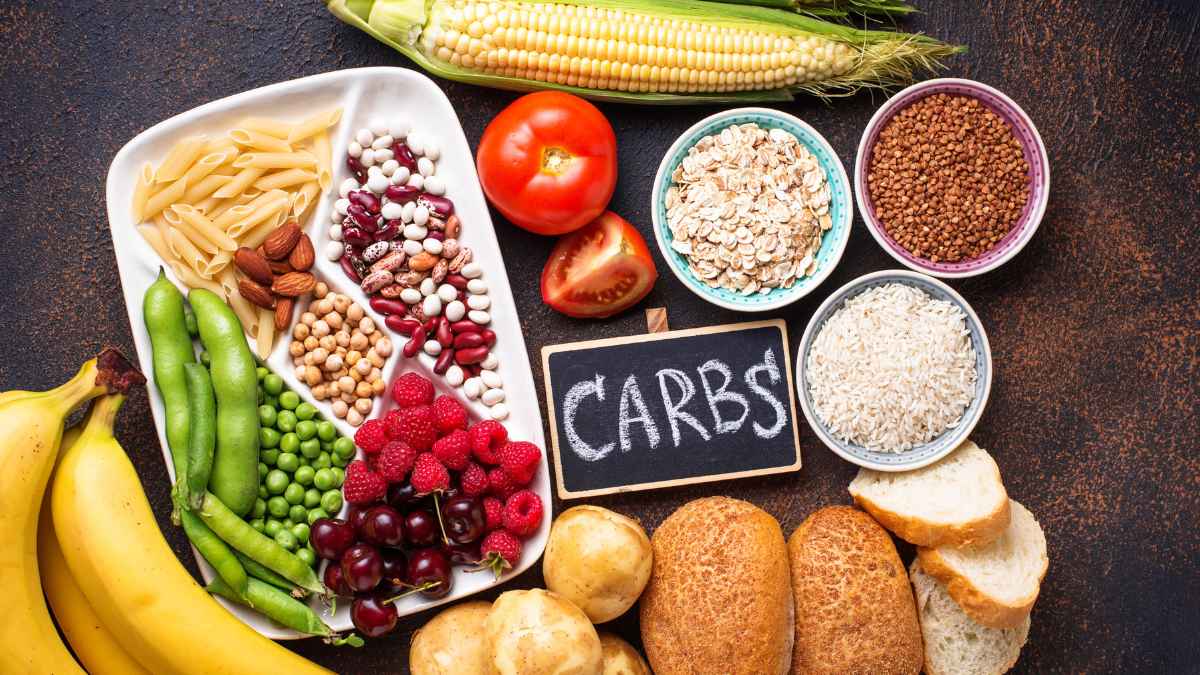
Carbohydrates are found in a wide variety of foods, including fruits, vegetables, grains, and legumes. They are classified into simple carbohydrates (sugars) and complex carbohydrates (starches and fibers). Simple carbohydrates include monosaccharides and disaccharides, which are quickly absorbed and provide a rapid source of energy. Complex carbohydrates, on the other hand, consist of polysaccharides and are digested more slowly, providing a sustained release of energy.
Fruits and vegetables are rich sources of simple and complex carbohydrates, as well as vitamins, minerals, and fiber. Whole grains, such as oats, brown rice, and whole wheat, are excellent sources of complex carbohydrates and provide additional health benefits due to their high fiber content. Legumes, including beans, lentils, and peas, are also rich in complex carbohydrates and protein, making them a valuable component of a balanced diet.
The consumption of carbohydrates has significant implications for health. A diet high in refined sugars and low in fiber is associated with an increased risk of obesity, type 2 diabetes, and cardiovascular diseases. Refined sugars, found in sugary beverages, candies, and baked goods, can cause rapid spikes in blood glucose levels, leading to insulin resistance and metabolic disorders.
Conversely, a diet rich in complex carbohydrates and fiber is associated with numerous health benefits. Dietary fiber, found in whole grains, fruits, vegetables, and legumes, promotes digestive health, regulates blood glucose levels, and reduces the risk of chronic diseases. Fiber also aids in weight management by promoting satiety and reducing overall calorie intake.
It is important to consider the glycemic index (GI) of carbohydrate-containing foods, which measures how quickly they raise blood glucose levels. Foods with a low GI, such as whole grains, legumes, and non-starchy vegetables, cause a slower and more gradual increase in blood glucose levels, providing sustained energy and reducing the risk of insulin resistance.
In summary, carbohydrates are an essential part of the diet, providing energy and various health benefits. However, the type and quality of carbohydrates consumed are crucial for maintaining optimal health and preventing chronic diseases. A balanced diet that includes a variety of complex carbohydrates and fiber-rich foods is recommended for overall well-being.
Conclusion: Carbohydrates are indispensable molecules that play a vital role in the biology of living organisms. Their functions range from energy production and storage to structural support and cellular communication. Understanding the chemical structure and metabolic pathways of carbohydrates provides insight into their multifaceted roles in life processes. Additionally, the dietary sources and health implications of carbohydrates highlight the importance of consuming a balanced diet rich in complex carbohydrates and fiber. By appreciating the primary functions of carbohydrates, we can better understand their significance in health and disease.
Read More…
- National Center for Biotechnology Information (NCBI) – Carbohydrates: An extensive resource on the structure, function, and metabolism of carbohydrates.
- Harvard T.H. Chan School of Public Health – The Nutrition Source: Carbohydrates: Provides detailed information on the dietary sources and health implications of carbohydrates.
- American Heart Association – Carbohydrates: Discusses the role of carbohydrates in a heart-healthy diet.
- Mayo Clinic – Carbohydrates: How carbs fit into a healthy diet: Offers insights into the importance of carbohydrates and how to incorporate them into a balanced diet.
- World Health Organization (WHO) – Healthy diet: Provides guidelines on carbohydrate consumption and its impact on health.