

Se hai un abbonamento attivo ACCEDI QUI
Introduction:
In the quest for weight loss, the debate surrounding the effectiveness of carbohydrate versus fat reduction in diets is both prevalent and complex. As individuals seek to understand the best approach to achieve their health goals, it becomes essential to dissect the roles of these macronutrients, their impact on body composition, and the science behind various dietary strategies. This article will explore the nuances of carbohydrates and fats in the context of weight management, providing insights to help individuals make informed dietary choices.
Understanding Macronutrients: Carbohydrates vs. Fats
Macronutrients, which include carbohydrates, fats, and proteins, are the primary sources of energy for the body. Carbohydrates are often categorized into simple and complex forms, with sugars and starches providing quick energy. They are crucial for brain function and physical activity, making them a staple in many diets. On the other hand, fats serve as a dense energy source, essential for hormone production, nutrient absorption, and cellular health. They are classified into saturated, unsaturated, and trans fats, each having different effects on health.
The body metabolizes these macronutrients differently. Carbohydrates are broken down into glucose, which is readily used for energy or stored as glycogen in the liver and muscles. Conversely, fats are broken down into fatty acids and glycerol, which can be used for energy during prolonged periods of low carbohydrate intake. Understanding these metabolic pathways is crucial for individuals considering which macronutrient to reduce in their diet for weight loss.
Moreover, the satiety levels associated with each macronutrient can influence dietary choices. Fats tend to promote a greater feeling of fullness compared to carbohydrates, potentially leading to reduced overall caloric intake. However, the type of carbohydrate consumed also plays a role; complex carbohydrates, such as whole grains, can provide sustained energy and satiety, while simple carbohydrates may lead to quick spikes and drops in blood sugar levels.
In summary, both carbohydrates and fats play significant roles in the body, and their impacts on weight loss can vary based on individual metabolic responses, dietary preferences, and lifestyle factors. Understanding these differences is vital for making informed decisions about which macronutrient to cut back on for effective weight management.
The Role of Carbohydrates in Weight Management
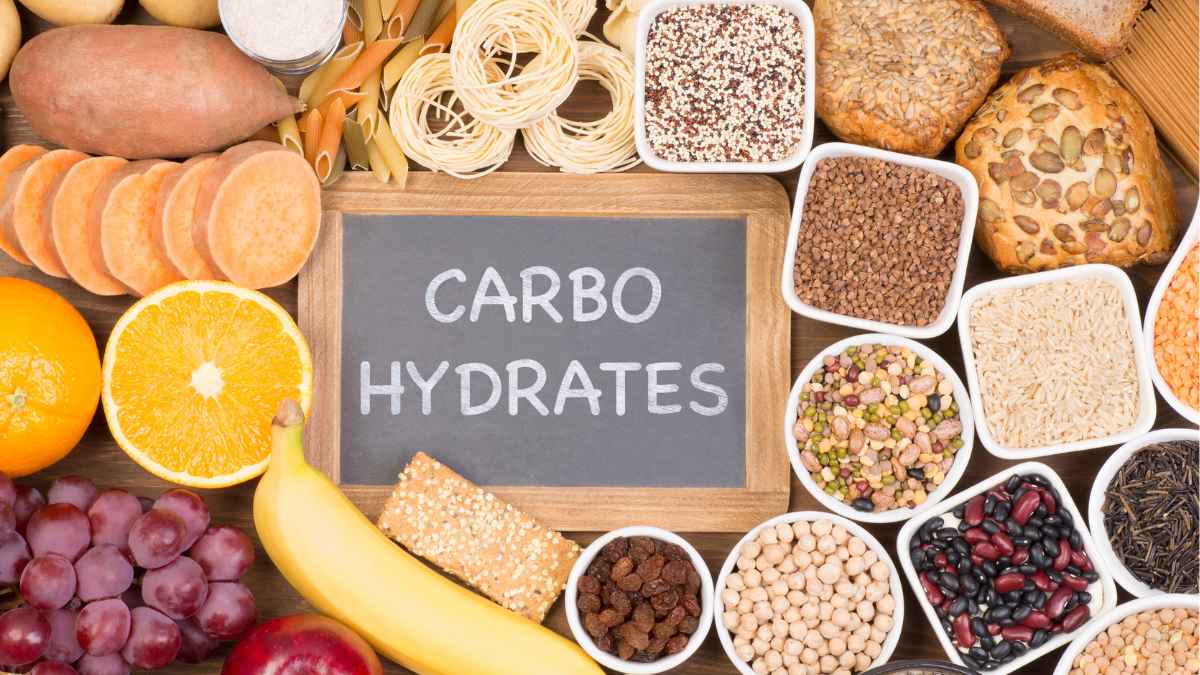
Carbohydrates are often viewed as the enemy in many weight loss diets, but they are essential for energy and overall health. When consumed, carbohydrates are converted into glucose, which fuels bodily functions and physical activity. Reducing carbohydrate intake can lead to rapid weight loss initially, primarily due to water loss and glycogen depletion. However, this approach may not be sustainable long-term, as the body requires carbohydrates for optimal functioning.
Moreover, the quality of carbohydrates is crucial. Whole, unprocessed carbohydrates, such as fruits, vegetables, and whole grains, provide essential nutrients and fiber, which can aid in digestion and promote satiety. In contrast, refined carbohydrates, often found in sugary snacks and beverages, can lead to weight gain and increased cravings. Therefore, focusing on the type and quality of carbohydrates rather than simply reducing them may be a more effective strategy for weight management.
Additionally, some studies suggest that high-carbohydrate diets can be beneficial for weight loss when they are rich in fiber and low in added sugars. Fiber-rich foods can help regulate blood sugar levels and improve gut health, contributing to a feeling of fullness and reducing overall caloric intake. This indicates that not all carbohydrates are created equal, and the right choices can support weight loss efforts.
In conclusion, while reducing carbohydrates can lead to short-term weight loss, the emphasis should be on the quality of carbohydrates consumed. Incorporating whole, nutrient-dense carbohydrates into the diet can provide sustained energy and support long-term weight management.
The Impact of Dietary Fats on Body Composition
Dietary fats have often been misunderstood in the context of weight loss. Contrary to the belief that all fats contribute to weight gain, healthy fats, such as those found in avocados, nuts, and olive oil, can actually support weight loss efforts. These fats are essential for various bodily functions, including hormone regulation and nutrient absorption, and they can also promote satiety, helping to control appetite.
Research indicates that diets higher in healthy fats may lead to greater fat loss compared to low-fat diets. Monounsaturated and polyunsaturated fats have been shown to improve metabolic markers and support heart health. Incorporating these fats into a balanced diet may help individuals feel fuller for longer, reducing the likelihood of overeating and aiding in weight loss.
However, it is essential to monitor portion sizes, as fats are calorie-dense. Overconsumption can lead to a caloric surplus, counteracting weight loss efforts. Mindful eating and understanding serving sizes can help individuals enjoy the benefits of healthy fats without exceeding their caloric needs.
In summary, dietary fats, particularly healthy fats, can play a positive role in body composition and weight management. By focusing on the type of fat consumed and practicing moderation, individuals can incorporate fats into their diets while still achieving their weight loss goals.
Analyzing Caloric Deficits: Carbs vs. Fats
To lose weight, creating a caloric deficit is essential, regardless of whether one chooses to cut carbohydrates or fats. A caloric deficit occurs when the number of calories consumed is less than the number of calories burned. Both carbohydrates and fats can contribute to this deficit, but the approach may differ based on individual preferences and metabolic responses.
When reducing carbohydrates, many individuals experience an initial drop in weight due to water loss and glycogen depletion. However, this may not lead to sustained fat loss. On the other hand, reducing dietary fats can also create a caloric deficit, but it may lead to increased hunger and cravings, making it harder to maintain the deficit over time. Therefore, the choice between cutting carbs or fats should consider how each macronutrient affects individual hunger levels and overall adherence to the diet.
Moreover, the distribution of macronutrients in the diet can influence metabolism. Some studies suggest that higher protein intake, regardless of carbohydrate or fat reduction, may enhance fat loss and preserve lean muscle mass during weight loss. Incorporating adequate protein can help individuals feel fuller and maintain muscle, which is crucial for a healthy metabolism.
Ultimately, the most effective weight loss strategy is one that creates a sustainable caloric deficit while considering individual preferences, lifestyle, and metabolic responses. Whether one chooses to cut carbohydrates or fats, the key is to find a balance that supports long-term adherence and health.
Scientific Studies on Low-Carb and Low-Fat Diets
Numerous studies have examined the effectiveness of low-carb and low-fat diets for weight loss, with varying results. Low-carb diets, such as the ketogenic diet, have gained popularity for their potential to promote rapid weight loss and improve metabolic markers. Research indicates that these diets may lead to greater fat loss in the short term, primarily due to reduced insulin levels and increased fat oxidation.
Conversely, low-fat diets have also been shown to be effective for weight loss, particularly when they emphasize whole foods and limit added sugars. Some studies suggest that individuals on low-fat diets may experience similar weight loss results compared to those on low-carb diets over the long term, especially when caloric intake is controlled. This highlights the importance of overall dietary quality and adherence rather than solely focusing on macronutrient composition.
Furthermore, individual responses to these diets can vary significantly. Factors such as genetics, metabolic rate, and personal preferences play a crucial role in determining which diet may be more effective for weight loss. Personalization in dietary approaches is essential, as what works for one individual may not be suitable for another.
In summary, both low-carb and low-fat diets can be effective for weight loss, but individual responses and adherence are critical factors. Scientific evidence supports the idea that a balanced approach, tailored to personal preferences and lifestyle, may yield the best long-term results.
Personalized Nutrition: Finding What Works for You
The journey to weight loss is highly individual, and what works for one person may not work for another. Personalized nutrition takes into account individual preferences, metabolic responses, and lifestyle factors to create a tailored approach to dieting. This concept emphasizes the importance of understanding one’s body and its unique needs when deciding whether to cut carbs or fats.
To find the most effective dietary strategy, individuals should consider their personal goals, activity levels, and food preferences. For some, a lower-carb approach may provide the satiety and energy levels needed for their lifestyle, while others may thrive on a balanced diet that includes healthy fats and complex carbohydrates. Listening to one’s body and adjusting dietary choices accordingly can lead to more sustainable weight loss.
Additionally, consulting with a healthcare professional or registered dietitian can provide valuable insights into personalized nutrition. These experts can help individuals assess their dietary habits, identify potential deficiencies, and create a plan that aligns with their health goals. Education on macronutrient composition and portion control can empower individuals to make informed decisions about their diets.
Ultimately, the key to successful weight loss lies in finding a balanced approach that suits individual needs and preferences. Whether one chooses to cut carbs or fats, the focus should be on creating a sustainable and enjoyable eating pattern that promotes overall health and well-being.
Conclusions:
In the debate over whether to cut carbohydrates or fats for weight loss, there is no one-size-fits-all answer. Both macronutrients play essential roles in the body, and their impacts on weight management can vary based on individual preferences and metabolic responses. Understanding the nuances of each macronutrient, the importance of caloric deficits, and the benefits of personalized nutrition can help individuals make informed dietary choices. Ultimately, the most effective weight loss strategy is one that is sustainable, enjoyable, and tailored to individual needs.
Read more
- Harvard Health Publishing – Carbohydrates: The Good, the Bad, and the Ugly – An overview of carbohydrates and their role in health and weight management.
- American Journal of Clinical Nutrition – Effects of Low-Carbohydrate vs. Low-Fat Diets on Weight Loss – A scientific study comparing the effects of low-carb and low-fat diets on weight loss.
- Mayo Clinic – Dietary Fats: Know Which to Choose – A guide to understanding dietary fats and their impact on health.
- National Institutes of Health – Personalized Nutrition: A New Approach – An article discussing the importance of personalized nutrition in achieving health goals.
- Cleveland Clinic – Low-Carb vs. Low-Fat Diets: Which is Better for Weight Loss? – A comparison of low-carb and low-fat diets and their effectiveness for weight loss.