

Se hai un abbonamento attivo ACCEDI QUI
Introduction:
Adopting a no-carb diet can be a transformative journey for those looking to lose weight, manage blood sugar levels, or simply improve their overall health. This dietary approach eliminates all sources of carbohydrates, focusing instead on proteins and fats. While it may seem daunting at first, understanding the basics and knowing what foods to include can make the transition smoother and more sustainable. This article delves into the essentials of a no-carb diet, highlighting key nutrients, food choices, and meal planning strategies.
Understanding the No-Carb Diet Basics
A no-carb diet, also known as a zero-carb diet, involves the complete elimination of carbohydrates from your daily intake. This means cutting out all grains, fruits, starchy vegetables, and sugars. The primary goal is to shift the body’s energy source from glucose, derived from carbohydrates, to ketones, produced from fats. This metabolic state is known as ketosis.
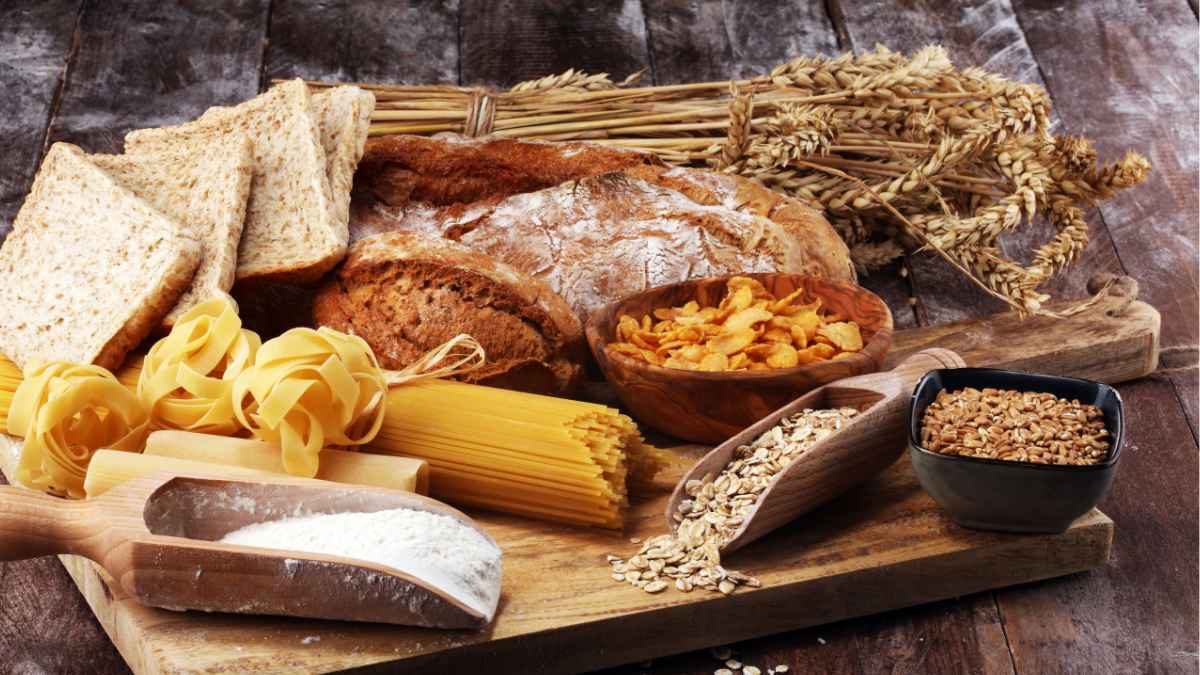
To successfully follow a no-carb diet, it is crucial to understand the types of foods you need to avoid. These include bread, pasta, rice, cereals, and most processed foods. Additionally, many beverages like soda, fruit juices, and beer are high in carbohydrates and should be excluded. Instead, focus on foods rich in proteins and fats, which will become your primary energy sources.
One common misconception is that a no-carb diet means eating only meat. While animal products are a significant component, there are various other foods you can incorporate to ensure a balanced intake of nutrients. Dairy products, certain vegetables, and healthy fats are all integral parts of a no-carb diet.
It’s also important to monitor your body’s response to this dietary change. Initially, you might experience symptoms of the "keto flu," such as fatigue, headache, and irritability, as your body adjusts to burning fat for fuel. Staying hydrated and maintaining electrolyte balance can help mitigate these symptoms.
Consulting with a healthcare provider before starting a no-carb diet is advisable, especially if you have underlying health conditions. They can provide personalized guidance and ensure that this diet is safe and effective for you.
Lastly, remember that a no-carb diet requires careful planning and commitment. Meal prepping and having a variety of recipes on hand can help you stay on track and avoid the temptation of high-carb foods.
Key Nutrients in a No-Carb Diet
While carbohydrates are eliminated, it is crucial to ensure that your diet remains rich in essential nutrients. Proteins and fats become the primary sources of energy, but other nutrients are also vital for overall health.
Protein is a key component of a no-carb diet. It is essential for muscle repair, immune function, and the production of enzymes and hormones. High-quality protein sources include meat, fish, eggs, and dairy products. Aim to include a variety of these in your daily meals to meet your protein needs.
Fats play a significant role in a no-carb diet, providing a dense source of energy and helping you stay satiated. Healthy fats, such as those found in avocados, nuts, seeds, and olive oil, are beneficial for heart health and should be included regularly. Avoid trans fats and highly processed oils, as they can have adverse health effects.
Vitamins and minerals are also crucial. Since many carbohydrate-rich foods like fruits and vegetables are sources of essential vitamins and minerals, you need to find alternative sources. Leafy greens, nuts, seeds, and certain dairy products can help fill this gap. Additionally, consider taking a multivitamin supplement to ensure you are meeting your nutritional needs.
Fiber, although technically a carbohydrate, is not digested by the body and does not affect blood sugar levels. Including fiber-rich, non-starchy vegetables like spinach, kale, and broccoli can help maintain digestive health and prevent constipation.
Electrolytes, such as sodium, potassium, and magnesium, are important for maintaining fluid balance and preventing dehydration, especially during the initial stages of a no-carb diet. Foods like leafy greens, nuts, seeds, and avocados are good sources of these essential minerals.
Lastly, water is an often-overlooked but essential nutrient. Staying well-hydrated is crucial, particularly when your body is adjusting to a no-carb diet. Aim to drink at least 8-10 glasses of water daily to support overall health and well-being.
High-Protein Foods for No-Carb Diets
Protein is a cornerstone of the no-carb diet, providing the necessary building blocks for muscle repair, immune function, and overall body maintenance. Here are some high-protein foods that fit perfectly into a no-carb lifestyle.
Meat is an obvious choice for a no-carb diet. Beef, pork, lamb, and poultry are all excellent sources of high-quality protein. Opt for grass-fed or organic options when possible, as they tend to have a better nutrient profile and fewer additives.
Fish and seafood are also fantastic protein sources. Salmon, mackerel, sardines, and trout are not only rich in protein but also provide essential omega-3 fatty acids, which are beneficial for heart and brain health. Shellfish like shrimp, crab, and lobster are other tasty options.
Eggs are incredibly versatile and nutrient-dense. They provide high-quality protein and essential vitamins and minerals. Whether boiled, scrambled, or made into an omelet, eggs can be a staple in your no-carb diet.
Dairy products such as cheese, Greek yogurt, and cottage cheese offer another excellent source of protein. They are also rich in calcium and other essential nutrients. However, be mindful of the carbohydrate content in some dairy products, and choose full-fat options to stay within your dietary guidelines.
Plant-based protein sources can also be included, although they are less common in a strict no-carb diet. Tofu and tempeh are low in carbs and high in protein, making them suitable for those who prefer plant-based options. However, always check the nutritional labels to ensure they fit within your carb limits.
Protein supplements, such as whey or casein protein powders, can be convenient for meeting your daily protein requirements. These can be particularly useful for those with busy lifestyles or specific fitness goals. Choose a low-carb or no-carb protein powder to stay aligned with your dietary plan.
Healthy Fats to Include in Your Diet
Healthy fats are a crucial component of a no-carb diet, providing a dense source of energy and essential fatty acids that support various bodily functions. Here are some healthy fats to include in your no-carb diet.
Avocados are a fantastic source of monounsaturated fats, which are heart-healthy and can help reduce bad cholesterol levels. They are also rich in fiber and essential vitamins and minerals. Incorporate avocados into salads, smoothies, or enjoy them on their own.
Nuts and seeds are excellent sources of healthy fats and protein. Almonds, walnuts, chia seeds, and flaxseeds are particularly beneficial. They can be added to salads, yogurt, or eaten as a snack. However, be mindful of portion sizes, as they can be calorie-dense.
Olive oil is a staple in many healthy diets and is rich in monounsaturated fats. It is also packed with antioxidants that can help reduce inflammation. Use olive oil for cooking, salad dressings, or drizzling over vegetables.
Coconut oil is another excellent fat source, particularly for cooking at high temperatures. It contains medium-chain triglycerides (MCTs), which are easily converted into energy by the body. Coconut oil can be used in cooking, baking, or added to smoothies.
Fatty fish, such as salmon, mackerel, and sardines, provide essential omega-3 fatty acids, which are beneficial for heart and brain health. Including fish in your diet at least twice a week can help ensure you get enough of these essential fats.
Butter and ghee are also suitable fat sources for a no-carb diet. They are rich in saturated fats, which can be part of a healthy diet when consumed in moderation. Use them for cooking, baking, or adding flavor to vegetables and meats.
Vegetables Suitable for No-Carb Plans
While many vegetables are high in carbohydrates, there are several low-carb options that can be included in a no-carb diet. These vegetables provide essential vitamins, minerals, and fiber without significantly impacting your carb intake.
Leafy greens, such as spinach, kale, and Swiss chard, are excellent choices. They are low in carbs and high in essential nutrients like vitamins A, C, and K, as well as iron and calcium. Use them in salads, smoothies, or as a side dish.
Cruciferous vegetables, including broccoli, cauliflower, and Brussels sprouts, are also low in carbs and high in fiber. They provide important antioxidants and can be roasted, steamed, or stir-fried for a nutritious addition to your meals.
Zucchini and other summer squashes are versatile and low in carbs. They can be spiralized into noodles, grilled, or added to soups and stews. Zucchini is also a good source of vitamins A and C, as well as potassium.
Mushrooms are another great option for a no-carb diet. They are low in carbs and calories but high in flavor and nutrients. Mushrooms can be sautéed, grilled, or added to various dishes for a savory boost.
Asparagus is a low-carb vegetable that is rich in vitamins A, C, and K, as well as folate. It can be roasted, steamed, or grilled and makes a delicious side dish or addition to salads.
Bell peppers, especially green ones, are lower in carbs compared to their red, yellow, or orange counterparts. They are high in vitamins A and C and can be used in salads, stir-fries, or as a crunchy snack.
Sample No-Carb Meal Plan Ideas
Creating a no-carb meal plan can help you stay on track and ensure you are getting a balanced intake of nutrients. Here are some sample meal ideas to inspire your no-carb diet.
For breakfast, consider a classic omelet made with eggs, cheese, and a variety of low-carb vegetables like spinach, mushrooms, and bell peppers. Add a side of avocado for healthy fats and extra flavor.
Lunch could be a grilled chicken salad with mixed greens, cucumbers, and a homemade olive oil and vinegar dressing. Top with some feta cheese and a handful of nuts for added protein and healthy fats.
For dinner, try a baked salmon fillet with a side of roasted asparagus and a mixed green salad. Drizzle the salmon with lemon juice and olive oil for added flavor and nutrients.
Snack options can include a handful of almonds or walnuts, cheese slices, or celery sticks with almond butter. These snacks are low in carbs but high in protein and healthy fats, helping to keep you satiated between meals.
Another breakfast idea is a Greek yogurt parfait made with full-fat Greek yogurt, a sprinkle of chia seeds, and a few raspberries. This provides a good balance of protein, healthy fats, and fiber to start your day.
For a quick and easy lunch, consider lettuce wraps filled with turkey, cheese, avocado, and a dollop of mayonnaise. These wraps are portable and can be customized with your favorite low-carb fillings.
Conclusion:
A no-carb diet can offer numerous health benefits, from weight loss to improved blood sugar control. By understanding the basics, focusing on key nutrients, and incorporating a variety of high-protein foods, healthy fats, and suitable vegetables, you can create a balanced and satisfying meal plan. Remember to consult with a healthcare provider before making significant dietary changes and to monitor your body’s response to ensure this diet is right for you.
Read More…
-
Healthline: The Zero Carb Diet – Benefits, Downsides, and Foods List
- A comprehensive guide to the zero-carb diet, including benefits, potential downsides, and a detailed list of foods to eat and avoid.
-
WebMD: What to Know About a No-Carb Diet
- An informative article discussing the essentials of a no-carb diet, its health implications, and tips for getting started.
-
Mayo Clinic: Low-Carb Diet: Can It Help You Lose Weight?
- Insights from Mayo Clinic experts on the effectiveness of low-carb diets for weight loss and overall health.
-
Diet Doctor: What to Eat on a Low-Carb or Keto Diet
- A detailed resource on low-carb and keto diets, including food lists, meal plans, and scientific explanations.
-
Verywell Fit: No-Carb Diet Plan – Benefits, Risks, and Sample Menu
- A balanced overview of the no-carb diet, discussing its benefits, potential risks, and providing a sample menu for beginners.