
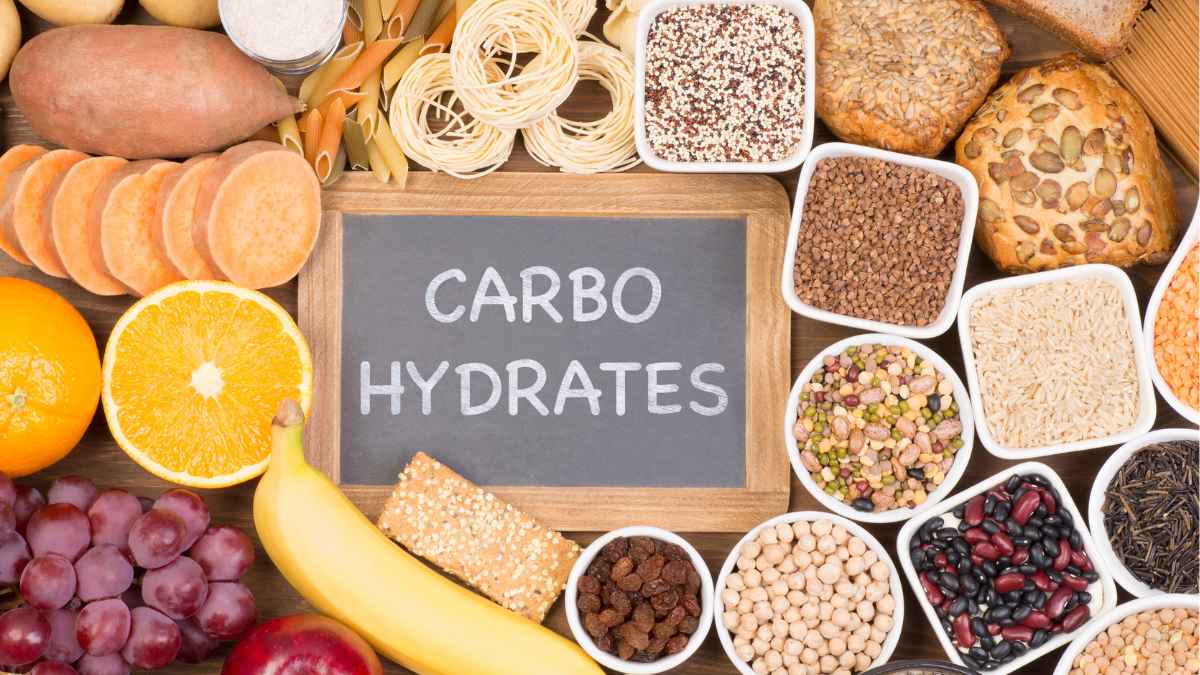

Introduction:
When embarking on a low-calorie diet, understanding the role of carbohydrates is crucial for achieving your weight loss goals. Carbohydrates are a primary source of energy, but not all carbs are created equal. Knowing the types and amounts of carbs to include in your diet can make a significant difference in your success. This article delves into the various aspects of carbohydrates in a low-calorie diet, providing insights into optimal intake, best sources, and effective monitoring techniques.
Understanding Carbohydrates in a Low-Calorie Diet
Carbohydrates are one of the three macronutrients, alongside proteins and fats, essential for maintaining bodily functions. They are broken down into glucose, which is used by the body for energy. In a low-calorie diet, the focus is on reducing overall calorie intake while ensuring that the body receives the necessary nutrients to function properly.
There are three main types of carbohydrates: sugars, starches, and fibers. Sugars are simple carbs found in fruits, vegetables, and dairy products. Starches are complex carbs found in grains, legumes, and tubers. Fibers, also complex carbs, are found in fruits, vegetables, and whole grains and are crucial for digestive health.
In a low-calorie diet, the goal is to choose carbohydrates that provide sustained energy and essential nutrients without excessive calories. This often means prioritizing complex carbs and fibers over simple sugars. Complex carbs take longer to digest, leading to a slower release of glucose into the bloodstream, which helps in maintaining steady energy levels and reducing hunger pangs.
Balancing carbohydrate intake with other macronutrients is also vital. Proteins and fats play a significant role in satiety and metabolic health. By understanding the different types of carbs and how they interact with proteins and fats, you can create a balanced, low-calorie diet that supports weight loss and overall health.
It’s also important to consider the glycemic index (GI) of foods. The GI measures how quickly a carbohydrate-containing food raises blood glucose levels. Low-GI foods are preferable in a low-calorie diet as they lead to a slower, more gradual increase in blood sugar, which can help control appetite and reduce the risk of overeating.
Lastly, portion control is key. Even healthy carbs can contribute to weight gain if consumed in large quantities. Understanding serving sizes and being mindful of portions can help you manage your carb intake effectively, ensuring you stay within your calorie limits while still getting the nutrients you need.
Simple vs Complex Carbs: Key Differences
Simple carbohydrates, also known as simple sugars, consist of one or two sugar molecules. They are found naturally in foods like fruits, milk, and vegetables, but are also added to processed foods in the form of refined sugars. Simple carbs are quickly absorbed by the body, leading to rapid spikes in blood sugar levels, which can result in energy crashes and increased hunger.
Complex carbohydrates, on the other hand, are made up of longer chains of sugar molecules. These include starches and fibers found in whole grains, legumes, and vegetables. Complex carbs take longer to digest, providing a more sustained release of energy and helping to keep blood sugar levels stable. This makes them a better choice for a low-calorie diet aimed at weight loss.
The fiber content in complex carbs is particularly beneficial. Fiber not only aids in digestion but also promotes a feeling of fullness, which can help reduce overall calorie intake. Foods high in fiber, such as whole grains, beans, and vegetables, are essential components of a healthy, low-calorie diet.
Another critical difference between simple and complex carbs is their nutritional value. Simple carbs, especially those found in processed foods, often lack essential nutrients and can contribute to empty calories. In contrast, complex carbs are typically rich in vitamins, minerals, and antioxidants, which are vital for overall health and well-being.
Choosing complex carbs over simple carbs can also have long-term health benefits. Diets high in simple sugars have been linked to various health issues, including obesity, type 2 diabetes, and heart disease. Conversely, diets rich in complex carbs and fiber are associated with a lower risk of these chronic conditions.
In summary, while both simple and complex carbs provide energy, complex carbs are the superior choice for a low-calorie diet. They offer sustained energy, essential nutrients, and numerous health benefits, making them a cornerstone of effective weight management and overall health.
Optimal Daily Carb Intake for Weight Loss
Determining the optimal daily carb intake for weight loss can be challenging, as it varies depending on individual factors such as age, sex, activity level, and metabolic health. However, general guidelines can help you tailor your carb intake to support your weight loss goals.
For most people, a low-calorie diet that supports weight loss typically includes 45-65% of total daily calories from carbohydrates. For someone on a 1,500-calorie diet, this translates to about 169-244 grams of carbs per day. However, some low-carb diets recommend even lower intakes, ranging from 50-150 grams of carbs per day.
It’s essential to focus on the quality of carbs rather than just the quantity. Prioritize complex carbs and fiber-rich foods, which provide sustained energy and essential nutrients. Reducing intake of refined sugars and processed foods can help lower overall calorie consumption and improve diet quality.
Monitoring your carb intake can also involve adjusting based on your progress. If you’re not seeing the desired weight loss results, you may need to reduce your carb intake further or increase your physical activity. Consulting with a healthcare professional or a registered dietitian can provide personalized recommendations based on your specific needs.
Incorporating carb cycling into your diet is another strategy that some people find effective. This involves alternating between high-carb and low-carb days to optimize metabolism and support weight loss. For example, you might consume more carbs on days with intense workouts and fewer carbs on rest days.
Lastly, it’s important to remember that weight loss is not solely about reducing carb intake. A balanced diet that includes adequate protein and healthy fats, along with regular physical activity, is crucial for sustainable weight loss and overall health. By finding the right balance of carbs, proteins, and fats, you can create a diet that supports your weight loss goals without sacrificing nutrition.
Low-Calorie Carbs: Best Choices and Sources
When selecting low-calorie carbs for your diet, it’s important to choose nutrient-dense options that provide essential vitamins, minerals, and fiber. Here are some of the best choices and sources of low-calorie carbs:
-
Vegetables: Non-starchy vegetables like spinach, broccoli, cauliflower, bell peppers, and zucchini are excellent low-calorie carb sources. They are high in fiber, vitamins, and minerals while being low in calories, making them ideal for weight loss.
-
Fruits: While fruits contain natural sugars, they are also packed with fiber, vitamins, and antioxidants. Berries, apples, pears, and citrus fruits are particularly good choices due to their lower calorie content and high nutrient density.
-
Whole Grains: Whole grains like quinoa, brown rice, oats, and barley are rich in complex carbs and fiber. They provide sustained energy and help keep you full longer, which can aid in reducing overall calorie intake.
-
Legumes: Beans, lentils, and chickpeas are excellent sources of complex carbs and protein. They are also high in fiber, which promotes satiety and supports digestive health. Including legumes in your diet can help you stay within your calorie limits while getting essential nutrients.
-
Tubers: Sweet potatoes and other root vegetables are nutritious sources of complex carbs. They are rich in vitamins, minerals, and fiber, making them a better choice than refined carbs like white bread and pasta.
-
Nuts and Seeds: While nuts and seeds are higher in calories, they provide healthy fats, protein, and fiber. Including small portions of nuts and seeds in your diet can help balance your macronutrient intake and provide sustained energy.
Incorporating these low-calorie carb sources into your diet can help you achieve your weight loss goals while ensuring you get the necessary nutrients for overall health. It’s also important to prepare these foods in a healthy manner, avoiding added sugars, unhealthy fats, and excessive salt.
Experimenting with different recipes and meal plans can help you find enjoyable ways to include these low-calorie carbs in your diet. By focusing on whole, unprocessed foods, you can create a balanced and nutritious diet that supports weight loss and overall well-being.
Balancing Carbs with Protein and Fats
Achieving a balanced diet involves more than just managing carbohydrate intake. Proteins and fats are equally important macronutrients that play crucial roles in maintaining health and supporting weight loss. Here’s how to balance carbs with protein and fats in a low-calorie diet:
-
Protein: Protein is essential for muscle repair, immune function, and satiety. Including high-quality protein sources like lean meats, fish, eggs, dairy, legumes, and plant-based proteins in your diet can help you feel full longer and reduce overall calorie intake. Aim for 20-30% of your daily calories from protein.
-
Healthy Fats: Fats are vital for hormone production, brain health, and nutrient absorption. Choose healthy fats from sources like avocados, nuts, seeds, olive oil, and fatty fish. These fats can help you feel satisfied and provide essential fatty acids that the body cannot produce on its own. Aim for 20-35% of your daily calories from fats.
-
Meal Composition: When planning meals, aim for a balance of carbs, protein, and fats. For example, a balanced meal might include a serving of whole grains (complex carbs), a portion of lean protein, and a source of healthy fats. This combination can help stabilize blood sugar levels, reduce hunger, and provide sustained energy.
-
Portion Control: Even healthy foods can contribute to weight gain if consumed in large quantities. Be mindful of portion sizes and use tools like measuring cups or food scales to ensure you’re eating appropriate amounts of each macronutrient.
-
Timing: Distributing your macronutrient intake throughout the day can help maintain energy levels and prevent overeating. Aim to include a balance of carbs, protein, and fats in each meal and snack to keep blood sugar levels stable and reduce cravings.
-
Personalization: Everyone’s nutritional needs are different, so it’s important to tailor your diet to your individual requirements. Factors like age, sex, activity level, and metabolic health can influence the optimal balance of carbs, protein, and fats. Consulting with a healthcare professional or registered dietitian can help you create a personalized plan that supports your weight loss goals.
By balancing carbs with protein and fats, you can create a well-rounded, low-calorie diet that supports weight loss and overall health. This approach not only helps manage hunger and energy levels but also ensures you’re getting the necessary nutrients for optimal bodily function.
Monitoring Carb Intake: Tools and Techniques
Effectively monitoring your carb intake is essential for staying on track with your low-calorie diet. Here are some tools and techniques to help you manage your carbohydrate consumption:
-
Food Journals: Keeping a food journal can help you track what you eat and identify patterns in your diet. Write down everything you consume, including portion sizes and macronutrient content. This can help you stay accountable and make informed adjustments to your diet.
-
Mobile Apps: There are numerous mobile apps available that can help you track your carb intake. Apps like MyFitnessPal, Cronometer, and Lose It! allow you to log your meals, scan barcodes, and get detailed nutritional information. These tools can simplify the process of monitoring your diet and provide insights into your eating habits.
-
Carb Counting: Learning to count carbs can be particularly useful for those following a low-carb diet. Familiarize yourself with the carb content of common foods and use this knowledge to plan your meals. Many food packaging labels provide detailed nutritional information, including total carbs and fiber content.
-
Portion Control: Using measuring cups, food scales, and portion control containers can help you accurately measure your food intake. This ensures you’re consuming the right amount of carbs and staying within your calorie limits.
-
Reading Labels: Understanding food labels is crucial for monitoring carb intake. Look for the total carbohydrate content, including sugars and fiber. Pay attention to serving sizes, as the nutritional information provided is often based on a specific portion size.
-
Consulting Professionals: Working with a registered dietitian or nutritionist can provide personalized guidance and support. These professionals can help you create a tailored meal plan, offer tips for managing carb intake, and provide ongoing support to help you achieve your weight loss goals.
By using these tools and techniques, you can effectively monitor your carb intake and stay on track with your low-calorie diet. Consistent tracking and mindful eating can help you make informed choices, adjust your diet as needed, and ultimately achieve your weight loss and health goals.
Conclusion:
Understanding the types and amounts of carbohydrates to include in a low-calorie diet is essential for effective weight loss and overall health. By focusing on complex carbs, monitoring your intake, and balancing carbs with protein and fats, you can create a sustainable diet that supports your goals. Utilizing tools and techniques for tracking your carb consumption can further enhance your success, ensuring you stay on track and make informed dietary choices.
Read More…
-
Harvard T.H. Chan School of Public Health – Carbohydrates: An in-depth resource on the role of carbohydrates in nutrition, including types, health effects, and dietary recommendations.
-
Mayo Clinic – Low-Carb Diet: Can It Help You Lose Weight?: An overview of low-carb diets, their benefits, and considerations for weight loss.
-
American Heart Association – Carbohydrates and Blood Sugar: Information on how different types of carbohydrates affect blood sugar levels and overall health.
-
National Institute of Diabetes and Digestive and Kidney Diseases – Eating, Diet, and Nutrition for Weight Loss: Guidelines and tips for healthy eating and weight management, including the role of carbohydrates.
-
Academy of Nutrition and Dietetics – Carbohydrates: How Carbs Fit into a Healthy Diet: A comprehensive guide on carbohydrates, their importance in a balanced diet, and how to choose healthy carb sources.