
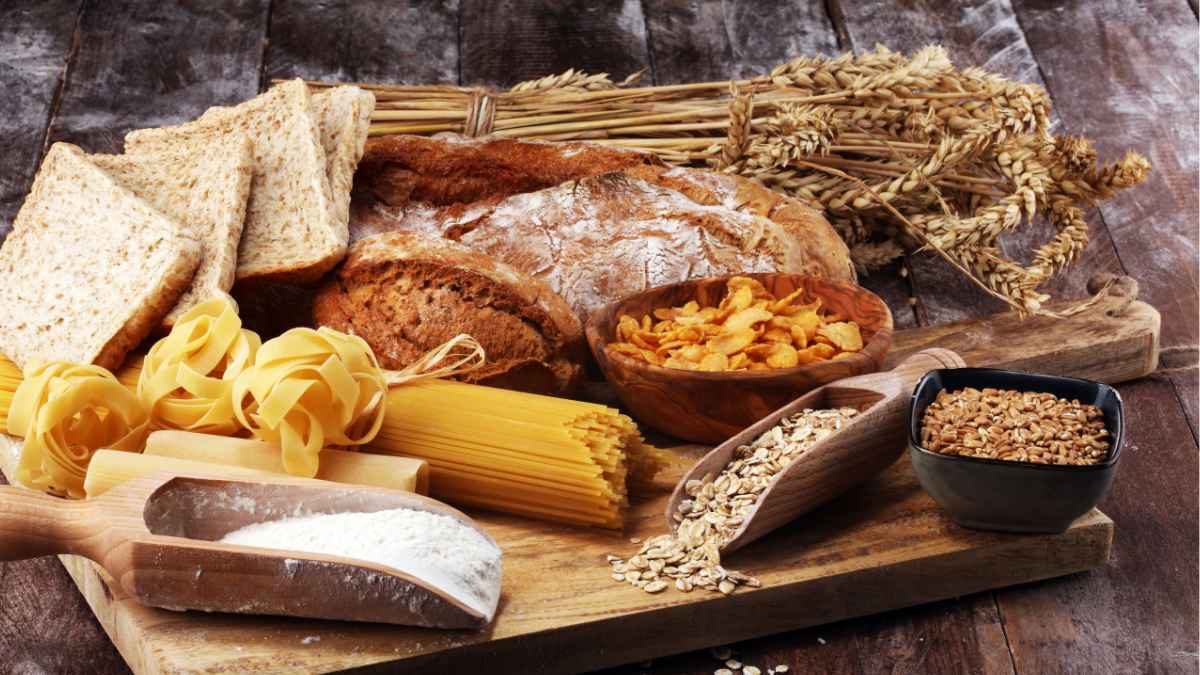

Introduction: Understanding the role of potatoes as carbohydrates is crucial for anyone interested in nutrition, diet planning, or simply making informed food choices. Potatoes are a staple food in many cultures and are often misunderstood in terms of their nutritional value and impact on health. This article delves into the various aspects of potatoes as a carbohydrate source, exploring their nutritional composition, types of carbohydrates they contain, their glycemic index, health implications, and how different cooking methods affect their carbohydrate content.
Introduction to Potatoes as Carbohydrates
Potatoes are one of the most widely consumed vegetables globally, known for their versatility and rich carbohydrate content. As a primary source of energy, carbohydrates in potatoes play a significant role in the human diet. Understanding how these carbohydrates function and their impact on health is essential for making informed dietary choices.
Carbohydrates in potatoes are primarily composed of starch, which is a complex carbohydrate. This makes them an excellent energy source, especially for athletes and individuals with high energy demands. However, not all carbohydrates are created equal, and the type of carbohydrate in potatoes can influence their nutritional value and health effects.
Potatoes also contain dietary fiber, a type of carbohydrate that the body cannot digest. Fiber is crucial for digestive health, helping to maintain regular bowel movements and prevent constipation. Additionally, fiber can aid in weight management by promoting a feeling of fullness, which can reduce overall calorie intake.
The carbohydrate content in potatoes can vary depending on the type of potato and how it is prepared. For instance, sweet potatoes have a different carbohydrate profile compared to white potatoes, and cooking methods can alter the carbohydrate content and its effects on the body.
Understanding the glycemic index (GI) of potatoes is also important. The GI measures how quickly a carbohydrate-containing food raises blood glucose levels. Foods with a high GI can cause rapid spikes in blood sugar, which may not be ideal for individuals with insulin sensitivity or diabetes.
In summary, potatoes are a rich source of carbohydrates that can provide essential energy and nutrients. However, their impact on health can vary based on the type of potato, preparation methods, and individual health conditions.
Nutritional Composition of Potatoes
Potatoes are not just about carbohydrates; they are a nutrient-dense food that provides a variety of essential vitamins and minerals. A medium-sized potato (about 150 grams) contains approximately 110 calories, making it a low-calorie food option when prepared without added fats or oils.
One of the key nutritional components of potatoes is their vitamin C content. A single potato can provide nearly 45% of the recommended daily intake of vitamin C, which is essential for immune function, skin health, and the absorption of iron from plant-based foods.
Potatoes are also a good source of potassium, an essential mineral that helps regulate fluid balance, muscle contractions, and nerve signals. A medium potato contains about 620 milligrams of potassium, which is more than what you would find in a banana.
In addition to vitamins and minerals, potatoes provide a significant amount of dietary fiber, particularly when consumed with the skin. The fiber content can vary, but on average, a medium potato provides about 2 grams of fiber, contributing to digestive health and satiety.
Potatoes also contain small amounts of other essential nutrients such as iron, magnesium, and folate. Iron is crucial for the formation of red blood cells, magnesium supports muscle and nerve function, and folate is important for DNA synthesis and repair.
Despite their nutritional benefits, the way potatoes are prepared can significantly impact their healthfulness. For example, frying potatoes can add a substantial amount of unhealthy fats and calories, whereas boiling or baking them retains most of their nutritional value without adding extra calories.
In conclusion, potatoes are a nutrient-rich food that offers more than just carbohydrates. They provide essential vitamins, minerals, and fiber that contribute to overall health. However, preparation methods play a crucial role in determining their final nutritional profile.
Types of Carbohydrates in Potatoes
Potatoes contain several types of carbohydrates, each with different properties and health implications. The primary carbohydrate in potatoes is starch, which is a complex carbohydrate composed of long chains of glucose molecules. Starch is the main energy reserve in plants and is broken down into glucose in the human body to provide energy.
Starch in potatoes can be categorized into two types: amylose and amylopectin. Amylose is a linear molecule that is less readily digestible, leading to a slower release of glucose into the bloodstream. Amylopectin, on the other hand, is highly branched and is more rapidly broken down, leading to quicker spikes in blood glucose levels.
Another important carbohydrate in potatoes is dietary fiber. Fiber is a type of carbohydrate that the human body cannot digest, and it passes through the digestive system largely intact. There are two types of fiber: soluble and insoluble. Soluble fiber dissolves in water and can help lower blood cholesterol and glucose levels. Insoluble fiber adds bulk to the stool and aids in regular bowel movements.
Potatoes also contain small amounts of sugars, primarily glucose, fructose, and sucrose. These simple sugars are rapidly absorbed into the bloodstream and can provide a quick source of energy. However, the sugar content in potatoes is relatively low compared to other carbohydrate-rich foods.
Resistant starch is another type of carbohydrate found in potatoes. It is a form of starch that resists digestion in the small intestine and ferments in the large intestine. Resistant starch acts like fiber, promoting gut health by feeding beneficial gut bacteria and producing short-chain fatty acids.
In summary, the carbohydrates in potatoes are diverse and include starch, dietary fiber, sugars, and resistant starch. Each type of carbohydrate has different properties and health effects, making potatoes a complex and multifaceted food in terms of their carbohydrate content.
Glycemic Index and Potatoes
The glycemic index (GI) is a measure of how quickly a carbohydrate-containing food raises blood glucose levels after consumption. Foods with a high GI cause rapid spikes in blood sugar, while those with a low GI result in a slower, more gradual increase. Understanding the GI of potatoes is crucial for managing blood sugar levels, especially for individuals with diabetes or insulin sensitivity.
Potatoes generally have a high GI, but this can vary depending on the type of potato and how it is prepared. For example, boiled potatoes have a lower GI compared to baked or fried potatoes. The GI of a potato can also be influenced by its variety; waxy potatoes tend to have a lower GI than starchy potatoes.
The cooking method plays a significant role in the GI of potatoes. Boiling potatoes and allowing them to cool can lower their GI, as cooling promotes the formation of resistant starch, which is less readily digestible. On the other hand, frying or baking potatoes can increase their GI due to the breakdown of starch into simpler sugars during the cooking process.
The GI of potatoes can also be affected by what they are eaten with. Consuming potatoes with protein, fat, or fiber-rich foods can slow down the absorption of glucose, thereby lowering the overall GI of the meal. For instance, pairing potatoes with a source of lean protein or healthy fats can mitigate their impact on blood sugar levels.
It’s important to note that while the GI is a useful tool for understanding how foods affect blood sugar, it should not be the sole factor in dietary decisions. The overall nutritional profile of the food, portion sizes, and individual metabolic responses should also be considered.
In conclusion, the glycemic index of potatoes is an important factor in understanding their impact on blood sugar levels. Various factors, including the type of potato, cooking method, and accompanying foods, can influence the GI. Managing these factors can help mitigate the blood sugar spikes associated with potato consumption.
Health Implications of Potato Consumption
Potatoes can have both positive and negative health implications, depending on various factors such as preparation methods, portion sizes, and individual health conditions. Understanding these implications can help individuals make informed dietary choices.
One of the primary benefits of potato consumption is their high nutrient density. Potatoes are rich in vitamins, minerals, and antioxidants that contribute to overall health. For instance, the high vitamin C content in potatoes can boost the immune system, while potassium supports cardiovascular health by regulating blood pressure.
However, the high carbohydrate content in potatoes, particularly their starch, can be a concern for individuals with insulin resistance or diabetes. Consuming high-GI foods like potatoes can lead to rapid spikes in blood sugar levels, which can be detrimental to blood sugar management. Therefore, it is essential for these individuals to monitor their potato intake and opt for lower-GI preparation methods.
Potatoes are also a good source of dietary fiber, which can aid in digestion and promote a feeling of fullness. This can be beneficial for weight management, as fiber-rich foods can help reduce overall calorie intake by promoting satiety. However, this benefit is often lost when potatoes are consumed in processed forms, such as chips or fries, which are typically low in fiber and high in unhealthy fats and calories.
The antioxidant content in potatoes, particularly in the skin, can also offer health benefits. Antioxidants help combat oxidative stress and inflammation, which are linked to various chronic diseases. Including potatoes with their skin in the diet can enhance their antioxidant intake and contribute to better health outcomes.
On the downside, the way potatoes are often prepared can negate their health benefits. Frying potatoes, for example, adds unhealthy fats and increases calorie content, which can contribute to weight gain and cardiovascular issues. Therefore, healthier preparation methods like boiling, baking, or steaming are recommended to maximize the nutritional benefits of potatoes.
In summary, potatoes can offer numerous health benefits when consumed in moderation and prepared healthily. However, their high carbohydrate content and potential for high GI should be considered, especially for individuals with specific health conditions.
Cooking Methods and Carbohydrate Retention
The way potatoes are prepared can significantly impact their carbohydrate content and overall nutritional value. Different cooking methods can alter the structure of the carbohydrates in potatoes, affecting their digestibility and glycemic index.
Boiling is one of the healthiest ways to prepare potatoes. When potatoes are boiled and then allowed to cool, they form resistant starch, a type of carbohydrate that resists digestion and acts like fiber. This not only lowers the glycemic index of the potatoes but also promotes gut health by feeding beneficial gut bacteria.
Baking potatoes, while a popular method, can increase their glycemic index compared to boiling. The high heat of baking breaks down the starches into simpler sugars, making them more rapidly digestible and leading to quicker spikes in blood sugar levels. However, baking can retain most of the potato’s nutrients, especially if the skin is left on.
Frying potatoes, such as in the form of French fries or potato chips, is the least healthy preparation method. Frying adds a significant amount of unhealthy fats and calories, and the high temperatures can produce harmful compounds like acrylamides. Additionally, frying can reduce the fiber content and increase the glycemic index, making fried potatoes less nutritious overall.
Steaming is another healthy cooking method that retains most of the potato’s nutrients while keeping the glycemic index relatively low. Steamed potatoes are less likely to undergo the chemical changes that increase their glycemic index, making them a better option for blood sugar management.
Microwaving potatoes is a convenient and relatively healthy option. Microwaving can preserve most of the nutrients and has a minimal impact on the glycemic index, especially if the potatoes are microwaved with their skin on. However, it’s essential to avoid adding unhealthy toppings like butter or cheese, which can negate the health benefits.
In conclusion, the method of cooking potatoes plays a crucial role in their carbohydrate retention and overall nutritional value. Healthier cooking methods like boiling, steaming, and microwaving are recommended to maximize the benefits of potato consumption while minimizing negative health impacts.
Conclusion: Understanding potatoes as a source of carbohydrates involves more than just acknowledging their starch content. Potatoes are a nutrient-dense food that provides essential vitamins, minerals, and dietary fiber. However, their impact on health can vary significantly based on the type of potato, preparation methods, and individual health conditions. By choosing healthier cooking methods and being mindful of portion sizes, potatoes can be a valuable part of a balanced diet.
Read More…
-
Harvard T.H. Chan School of Public Health – The Nutrition Source: Potatoes and Health
Link
This source provides an in-depth look at the nutritional benefits and health implications of potato consumption. -
Glycemic Index Foundation – Understanding the Glycemic Index
Link
This resource explains the glycemic index and its relevance to foods like potatoes. -
American Diabetes Association – Glycemic Index and Diabetes
Link
This article discusses the importance of the glycemic index for individuals managing diabetes. -
Mayo Clinic – Dietary Fiber: Essential for a Healthy Diet
Link
This source highlights the benefits of dietary fiber, including those found in potatoes. -
National Institutes of Health – Antioxidants: In Depth
Link
This resource provides information on antioxidants and their health benefits, relevant to the antioxidant content in potato skins.