

Introduction:
Low carb diets have gained significant popularity in recent years, primarily due to their potential for weight loss and health benefits. These diets focus on reducing carbohydrate intake while emphasizing protein and fat consumption. Understanding what constitutes low carb foods is essential for anyone looking to adopt this lifestyle. In this article, we will explore the best low carb food options, their nutritional benefits, and how to incorporate them into your daily meals.
Understanding Low Carb Diets: A Comprehensive Overview
Low carb diets typically restrict the intake of carbohydrates, which are found in sugary foods, pasta, and bread. Instead, these diets promote the consumption of proteins and healthy fats. The primary goal is to shift the body’s metabolism from burning carbohydrates for energy to burning fat. This metabolic state is known as ketosis and is often associated with the ketogenic diet, a popular low carb variation.
There are various types of low carb diets, ranging from moderate to very low carb. The Atkins diet and the South Beach diet are well-known examples that emphasize different levels of carbohydrate restriction. Each diet has its own set of rules regarding the types and amounts of carbs allowed, making it essential to choose one that aligns with your health goals and lifestyle.
It’s crucial to note that not all carbohydrates are created equal. While refined carbs and sugars can lead to weight gain and health issues, complex carbohydrates found in whole foods can provide essential nutrients. Therefore, a successful low carb diet focuses on reducing harmful carbs while incorporating nutrient-dense alternatives.
Lastly, transitioning to a low carb diet may require adjustments in meal planning and preparation. Understanding the types of foods to include and avoid will help streamline this process and make it more sustainable in the long run.
Nutritional Benefits of Low Carb Foods Explained
One of the most significant benefits of low carb foods is their ability to promote weight loss. By reducing carbohydrate intake, the body is encouraged to burn stored fat for energy, leading to a decrease in body fat percentage. Studies have shown that low carb diets can lead to more significant weight loss compared to low-fat diets, particularly in the initial stages.
In addition to weight loss, low carb foods can improve blood sugar levels. For individuals with type 2 diabetes or insulin resistance, reducing carbohydrate intake can lead to better glycemic control. This is particularly important as uncontrolled blood sugar levels can lead to severe health complications over time.
Another notable benefit is the potential for improved mental clarity and focus. Many individuals report experiencing fewer energy crashes and enhanced cognitive function when following a low carb diet. This is likely due to the stable blood sugar levels maintained by reduced carbohydrate consumption.
Furthermore, low carb diets can lead to increased levels of good cholesterol (HDL) while decreasing triglycerides. This shift in lipid profiles can contribute to better cardiovascular health, reducing the risk of heart disease and stroke.
Top Protein Sources for a Low Carb Lifestyle
Protein is a cornerstone of low carb diets, providing essential amino acids while keeping hunger at bay. High-quality protein sources include lean meats such as chicken, turkey, and beef. These options are not only low in carbs but also rich in nutrients like iron and zinc, which are vital for overall health.
Fish and seafood are also excellent protein options. Fatty fish like salmon and mackerel are particularly beneficial due to their omega-3 fatty acids, which promote heart health and reduce inflammation. Shellfish, such as shrimp and crab, are low in carbs and high in protein, making them ideal for a low carb diet.
Eggs are another fantastic source of protein that is versatile and easy to prepare. They are low in carbohydrates and packed with nutrients, including vitamins D and B12. Incorporating eggs into your meals can provide a satisfying and nutrient-dense option for breakfast or snacks.
Lastly, dairy products like Greek yogurt and cottage cheese can be included in moderation. These foods are rich in protein and calcium but should be chosen carefully to avoid those with added sugars. Opting for full-fat versions can also help maintain satiety without compromising on taste.
Essential Vegetables to Include in Low Carb Meals
Vegetables are an important component of a low carb diet, providing essential vitamins, minerals, and fiber. Non-starchy vegetables such as leafy greens, broccoli, cauliflower, and zucchini are excellent choices. These vegetables are low in carbohydrates and calories, making them ideal for filling up your plate without derailing your diet.
Leafy greens like spinach and kale are particularly nutrient-dense, offering a wealth of vitamins A, C, and K. They can be used in salads, smoothies, or sautéed as a side dish. Broccoli and cauliflower are also versatile options that can be steamed, roasted, or used as substitutes for grains in various recipes.
Other low carb vegetables include bell peppers, asparagus, and mushrooms. These options add flavor and texture to meals while keeping carbohydrate counts low. Incorporating a variety of colorful vegetables can ensure a diverse intake of nutrients, promoting overall health.
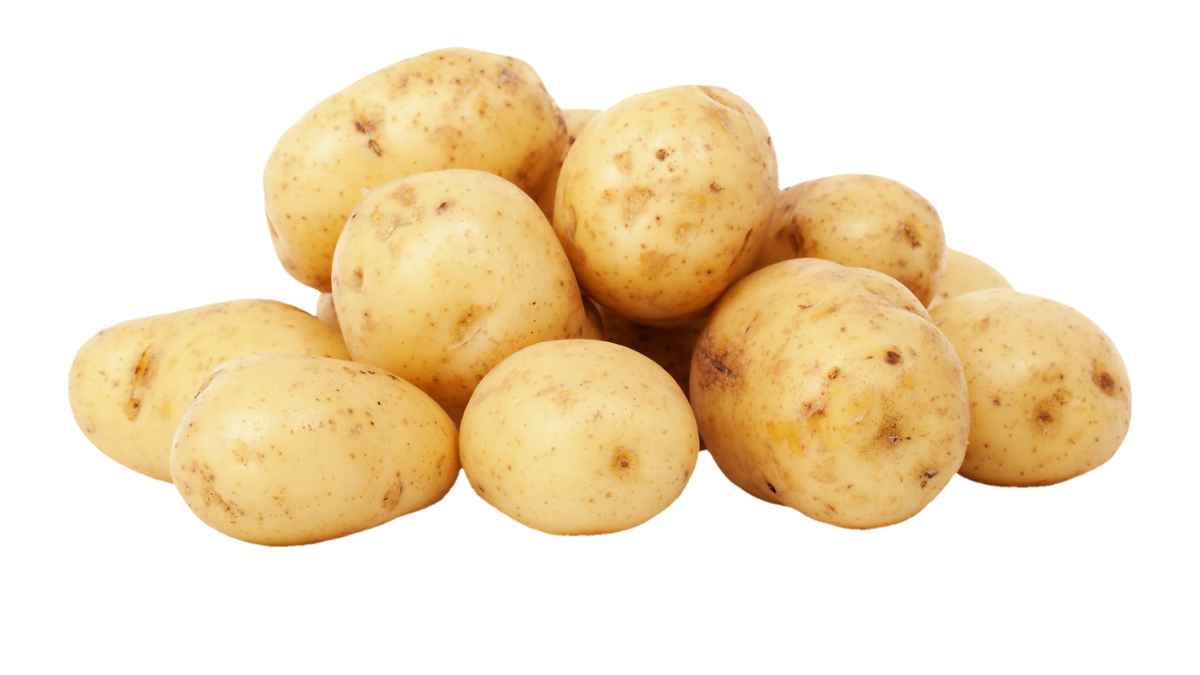
It’s important to note that while starchy vegetables like potatoes and corn are higher in carbohydrates, they can still be enjoyed in moderation. Balancing these with non-starchy options can help maintain a well-rounded diet while adhering to low carb principles.
Healthy Fats: Key Components of Low Carb Nutrition
Healthy fats play a crucial role in a low carb diet, providing energy and supporting various bodily functions. Sources of healthy fats include avocados, nuts, seeds, and oils. Avocados are particularly beneficial due to their high content of monounsaturated fats, which can help lower bad cholesterol levels.
Nuts and seeds, such as almonds, walnuts, and chia seeds, are excellent sources of healthy fats and protein. They can be added to salads, smoothies, or enjoyed as snacks. However, portion control is essential, as they are calorie-dense.
Oils like olive oil, coconut oil, and avocado oil are also key components of low carb nutrition. These oils can be used for cooking or as dressings, providing healthy fats that can enhance the flavor of meals while supporting heart health.
Incorporating healthy fats into your diet can also help with satiety, reducing the likelihood of overeating. This is particularly important in a low carb diet, where maintaining energy levels and feeling full is essential for adherence and success.
Sample Meal Plans Featuring Low Carb Food Choices
Creating a meal plan that adheres to low carb principles can simplify the transition to this dietary lifestyle. A sample breakfast could include scrambled eggs with spinach and feta cheese, paired with a side of avocado. This meal is rich in protein and healthy fats while remaining low in carbohydrates.
For lunch, consider a grilled chicken salad topped with mixed greens, cherry tomatoes, cucumbers, and a drizzle of olive oil and vinegar. This meal is refreshing, nutrient-dense, and easy to prepare, making it a perfect low carb option.
Dinner could feature baked salmon served with steamed broccoli and a side of cauliflower rice. This meal is not only low in carbs but also rich in omega-3 fatty acids and fiber, promoting overall health.
Snacks can include Greek yogurt topped with a handful of berries or a small serving of nuts. These options provide a satisfying and nutritious way to curb hunger between meals without exceeding carbohydrate limits.
Conclusions:
Adopting a low carb diet can offer numerous health benefits, including weight loss, improved blood sugar control, and enhanced mental clarity. By focusing on high-quality protein sources, essential vegetables, and healthy fats, individuals can create balanced and satisfying meals. With careful planning and a variety of food options, a low carb lifestyle can be both enjoyable and sustainable.
Read more
- Healthline – Low-Carb Diets: A Complete Guide – A comprehensive overview of low carb diets, their benefits, and potential drawbacks.
- Mayo Clinic – Low-Carbohydrate Diets: What You Need to Know – Insights from medical professionals on low carb diets and their implications for health.
- Cleveland Clinic – What Is a Low-Carb Diet? – An informative article discussing the fundamentals of low carb diets and their effects on the body.
- American Journal of Clinical Nutrition – Low-Carbohydrate Diets: A Review – A scholarly review of the research surrounding low carbohydrate diets and their impact on health.
- Diet Doctor – Low Carb Diets Explained – A resource providing detailed information on low carb diets, including meal plans and recipes.