

Introduction:
Managing high cholesterol is a crucial aspect of maintaining heart health. Diet plays a significant role in cholesterol levels, and understanding which foods to avoid can help individuals make informed choices. This article outlines the top ten foods that should be limited or eliminated from the diet of those with high cholesterol, emphasizing the impact of various dietary components on overall health.
Understanding Cholesterol: The Role of Diet in Management
Cholesterol is a waxy substance found in the cells of the body and is essential for producing hormones, vitamin D, and bile acids that help digest fat. However, not all cholesterol is created equal. There are two main types: low-density lipoprotein (LDL), often referred to as "bad" cholesterol, and high-density lipoprotein (HDL), known as "good" cholesterol. High levels of LDL can lead to plaque buildup in arteries, increasing the risk of heart disease. Therefore, managing cholesterol levels through diet is vital for cardiovascular health.
Dietary choices significantly influence cholesterol levels. Foods high in saturated and trans fats can raise LDL cholesterol, while those rich in unsaturated fats can help lower it. Incorporating heart-healthy foods, such as fruits, vegetables, whole grains, and lean proteins, can improve cholesterol profiles. Understanding the relationship between diet and cholesterol can empower individuals to make healthier choices.
Moreover, lifestyle factors such as physical activity, smoking, and weight management also play a role in cholesterol levels. Combining a balanced diet with regular exercise can lead to significant improvements in overall heart health. Individuals with high cholesterol should consult healthcare professionals for personalized dietary recommendations and lifestyle changes.
In summary, recognizing the importance of diet in managing cholesterol is essential for those at risk of heart disease. By focusing on heart-healthy foods and avoiding those that raise LDL levels, individuals can take proactive steps towards better cardiovascular health.
The Impact of Saturated Fats on Cholesterol Levels
Saturated fats are primarily found in animal products and certain plant oils. Foods such as fatty cuts of meat, full-fat dairy products, and tropical oils like coconut and palm oil are high in saturated fats. These fats can raise LDL cholesterol levels, contributing to an increased risk of heart disease. The American Heart Association recommends limiting saturated fat intake to less than 6% of total daily calories for those with high cholesterol.
Consuming saturated fats can lead to a higher risk of developing atherosclerosis, a condition characterized by the hardening of arteries due to plaque buildup. This makes it crucial for individuals with high cholesterol to be mindful of their saturated fat consumption. Instead, opting for lean meats, low-fat dairy products, and healthier cooking oils can help mitigate these risks.
Additionally, many processed foods contain hidden saturated fats that can easily go unnoticed. Reading food labels and being aware of ingredients can help individuals avoid unnecessary saturated fat intake. Making simple substitutions, such as choosing skinless poultry over red meat or using olive oil instead of butter, can lead to significant improvements in cholesterol levels.
In conclusion, reducing saturated fat intake is a critical step for those managing high cholesterol. By making conscious dietary choices and opting for healthier alternatives, individuals can effectively lower their LDL cholesterol levels and promote better heart health.
Trans Fats: The Hidden Dangers in Processed Foods
Trans fats are artificially created fats that are often found in processed foods, such as baked goods, snack foods, and margarine. These fats are known to raise LDL cholesterol while simultaneously lowering HDL cholesterol, creating a double jeopardy for heart health. The consumption of trans fats has been linked to an increased risk of heart disease, stroke, and type 2 diabetes.
Many countries have implemented regulations to limit or ban the use of trans fats in food production, yet they can still be found in some products. _It is essential for individuals with high cholesterol to read ingredient labels carefully, as trans fats can be listed as "partially hydrogenated oils." Even small amounts of trans fats can be detrimental to heart health, making it crucial to avoid them entirely.
In addition to processed foods, trans fats can also be present in fried foods, which are often cooked in oils that have been hydrogenated. Choosing baked or grilled options instead of fried foods can significantly reduce trans fat intake. Home cooking with fresh ingredients is a great way to control fat consumption and avoid hidden trans fats.
Overall, avoiding trans fats is vital for anyone with high cholesterol. By steering clear of processed foods and opting for whole, unprocessed ingredients, individuals can protect their heart health and maintain healthier cholesterol levels.
Refined Carbohydrates: Their Effect on Cholesterol
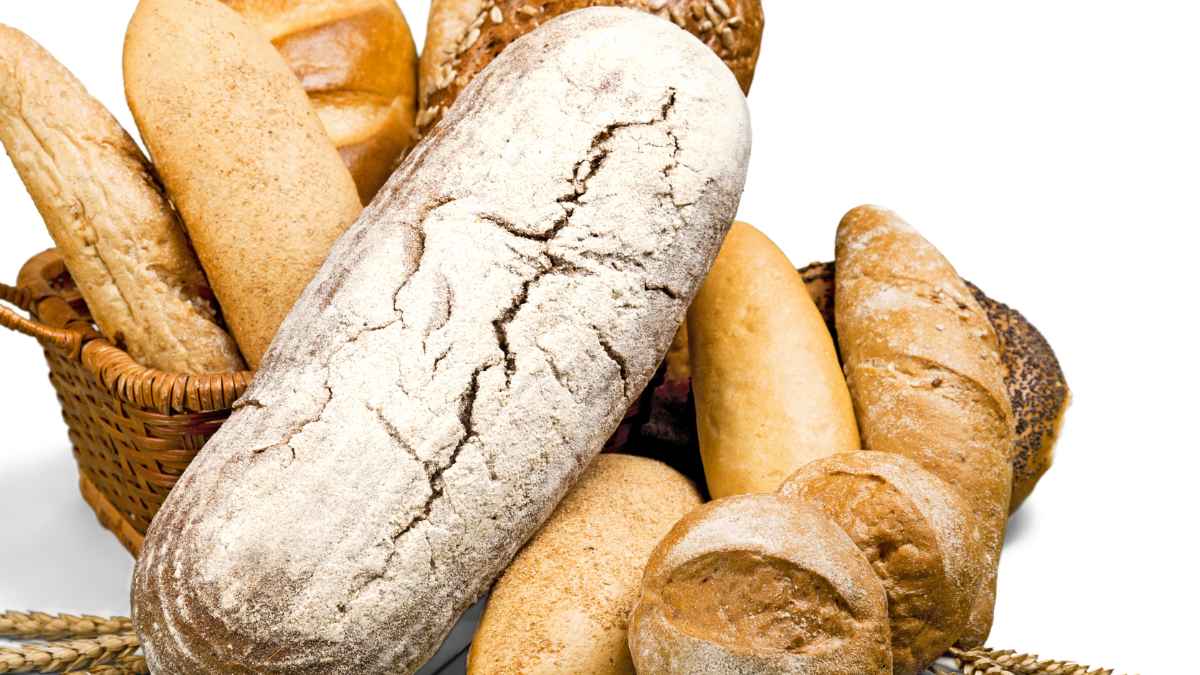
Refined carbohydrates, such as white bread, pastries, and sugary cereals, can negatively impact cholesterol levels. These foods are stripped of their natural fiber and nutrients, leading to rapid spikes in blood sugar levels. High blood sugar can contribute to increased triglyceride levels, which are another type of fat in the blood that can elevate cholesterol levels.
Moreover, diets high in refined carbohydrates are often low in fiber, which is essential for maintaining healthy cholesterol levels. Fiber helps to lower LDL cholesterol and promotes overall heart health. Incorporating whole grains, fruits, and vegetables into the diet can provide the necessary fiber to combat high cholesterol.
The consumption of refined carbohydrates can also lead to weight gain, which is a significant risk factor for high cholesterol. Managing weight through a balanced diet rich in whole foods can help regulate cholesterol levels and improve overall health. Individuals should aim to replace refined carbohydrates with complex carbohydrates, such as whole grains, legumes, and starchy vegetables, to support heart health.
In summary, avoiding refined carbohydrates is crucial for those with high cholesterol. By choosing whole, nutrient-dense foods, individuals can improve their cholesterol levels and reduce their risk of heart disease.
High-Sodium Foods: A Risk Factor for Heart Health
High sodium intake is often associated with hypertension, which can exacerbate the risks associated with high cholesterol. Excessive sodium can lead to fluid retention and increased blood pressure, putting additional strain on the heart. Processed and packaged foods are typically high in sodium, making it essential for individuals with high cholesterol to monitor their intake.
Common sources of high sodium include canned soups, deli meats, and snack foods. These foods can contribute to an unhealthy diet and increase the risk of cardiovascular diseases. Opting for fresh, whole foods and cooking at home can help individuals control their sodium intake and promote better heart health.
Reducing sodium intake can also enhance the effectiveness of cholesterol-lowering medications. By maintaining a heart-healthy diet low in sodium, individuals can support their overall cardiovascular health. It is advisable to read food labels and choose low-sodium options whenever possible.
In conclusion, high-sodium foods pose a significant risk to those with high cholesterol. By prioritizing fresh, whole foods and being mindful of sodium intake, individuals can take proactive steps towards better heart health.
Sugary Beverages and Their Contribution to Cholesterol Issues
Sugary beverages, including soda, energy drinks, and sweetened teas, can have a detrimental effect on cholesterol levels. These drinks are high in added sugars, which can lead to weight gain and increased triglyceride levels. Elevated triglycerides are closely linked to high LDL cholesterol and can significantly increase the risk of heart disease.
Furthermore, excessive sugar consumption can lead to insulin resistance, a condition that can further complicate cholesterol management. Insulin resistance is associated with higher levels of LDL cholesterol and lower levels of HDL cholesterol, creating an unfavorable lipid profile. Reducing sugary beverage intake is a vital step for individuals looking to manage their cholesterol levels effectively.
Instead of sugary drinks, individuals should consider healthier alternatives, such as water, herbal teas, or sparkling water with a splash of lemon. These options can help maintain hydration without the added sugars that contribute to cholesterol issues. Additionally, incorporating more whole foods into the diet can help reduce cravings for sugary beverages.
In summary, sugary beverages are a significant contributor to high cholesterol and should be avoided by those at risk. By making healthier drink choices and focusing on a balanced diet, individuals can improve their cholesterol levels and overall heart health.
Conclusions:
Managing high cholesterol involves making informed dietary choices. By avoiding saturated and trans fats, refined carbohydrates, high-sodium foods, and sugary beverages, individuals can take significant steps towards improving their cholesterol levels and overall heart health. A balanced diet rich in whole foods, combined with regular physical activity, can lead to lasting changes in cholesterol profiles and a reduced risk of cardiovascular diseases.
Read more:
- American Heart Association – Understanding Cholesterol – Comprehensive information on cholesterol types and management.
- Mayo Clinic – Saturated Fat and Cholesterol – Insights on how saturated fats affect cholesterol levels.
- Harvard Health – The Dangers of Trans Fats – Detailed analysis of trans fats and their health implications.
- Cleveland Clinic – The Impact of Sugar on Cholesterol – Examination of how sugar and sugary beverages influence cholesterol levels.
- WebMD – Sodium and Heart Health – Overview of sodium’s role in cardiovascular health and cholesterol management.