


Introduction:
The low-carb diet has gained popularity as an effective approach for weight loss and improved metabolic health. By significantly reducing carbohydrate intake, individuals can promote fat burning and stabilize blood sugar levels. However, navigating this dietary landscape can be challenging, especially when it comes to identifying which foods to avoid. This article will explore the essential components of a low-carb diet, highlighting the foods that should be eliminated to maximize its benefits.
Understanding the Low-Carb Diet: A Brief Overview
A low-carb diet primarily focuses on reducing the intake of carbohydrates, which are found in foods such as grains, sugars, fruits, and starchy vegetables. The goal is to shift the body’s metabolism from relying on glucose, derived from carbohydrates, to utilizing fat for energy. This metabolic shift can lead to weight loss, improved energy levels, and enhanced mental clarity.
The low-carb diet comes in various forms, including ketogenic, Atkins, and paleo diets, each with its own specific guidelines regarding carbohydrate limits. Generally, these diets advocate for a daily carbohydrate intake of anywhere from 20 to 150 grams, depending on individual goals and dietary preferences. As a result, understanding the types of carbohydrates and their impact on the body is crucial for anyone considering this dietary approach.
Moreover, the low-carb diet emphasizes the consumption of whole, nutrient-dense foods. This includes healthy fats, lean proteins, and non-starchy vegetables. By prioritizing these food groups, individuals can maintain satiety and nutritional balance, which are essential for long-term adherence to the diet.
In essence, the low-carb diet is not merely about cutting carbs; it’s about making informed choices that promote overall health and well-being. Understanding the foundational principles of carbohydrate restriction is vital for anyone looking to embark on this dietary journey.
Key Principles of Carbohydrate Restriction Explained
The primary principle of carbohydrate restriction is to minimize insulin spikes caused by high-carb foods. When carbohydrates are consumed, they are broken down into glucose, leading to an increase in blood sugar levels. In response, the pancreas releases insulin to help transport glucose into cells for energy. However, frequent spikes in insulin can lead to insulin resistance over time, increasing the risk of obesity and type 2 diabetes.
Another key principle is the promotion of ketosis, a metabolic state where the body burns fat for fuel instead of carbohydrates. This occurs when carbohydrate intake is sufficiently low, prompting the liver to convert fatty acids into ketones, which serve as an alternative energy source. Achieving and maintaining ketosis can enhance fat loss and provide sustained energy levels throughout the day.
Additionally, it’s important to recognize the role of dietary fiber in a low-carb diet. While fiber is a type of carbohydrate, it is not digested and does not raise blood sugar levels. Therefore, incorporating fiber-rich, low-carb foods is encouraged, as they can aid in digestion and promote feelings of fullness without compromising carbohydrate limits.
Ultimately, understanding these principles can empower individuals to make informed dietary choices that align with their health goals. By focusing on the quality of carbohydrates and their effects on the body, followers of a low-carb diet can achieve optimal results.
Foods High in Carbohydrates to Eliminate from Your Diet
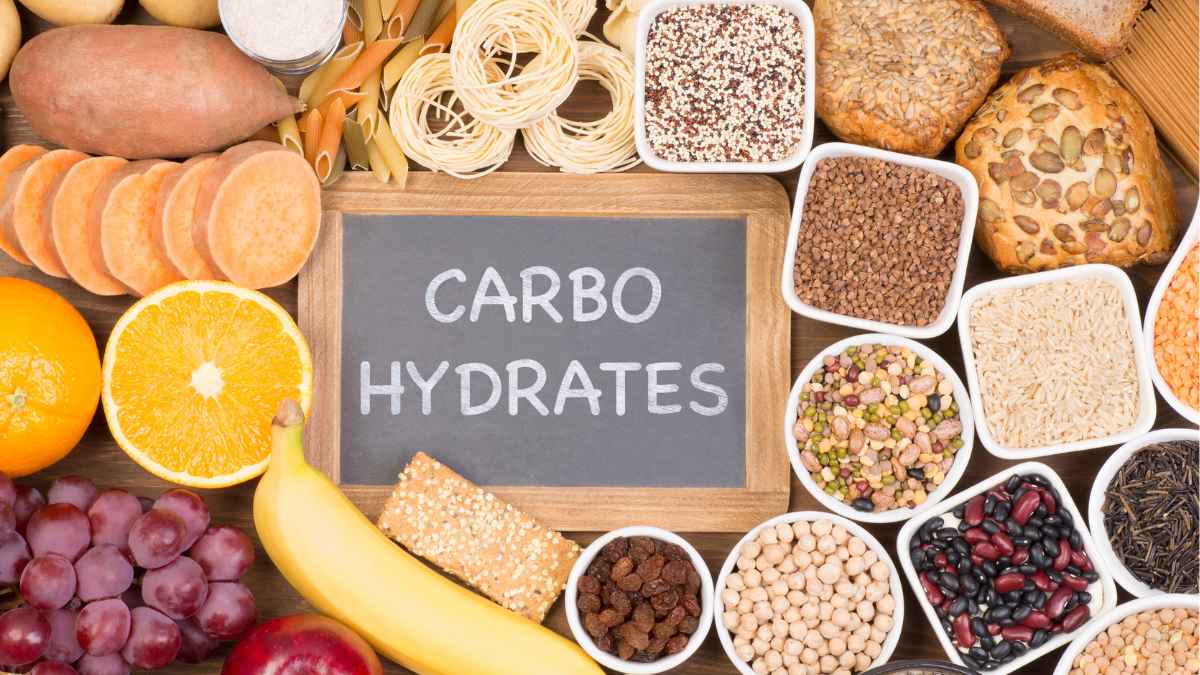
When adopting a low-carb diet, it is crucial to eliminate foods that are high in carbohydrates. This includes grains such as wheat, rice, oats, and corn, which are staples in many diets but can significantly hinder progress on a low-carb regimen. These foods not only contribute to carbohydrate intake but also contain gluten, which can cause inflammation and digestive issues in some individuals.
Sugary foods are another category to avoid. This includes candies, pastries, sodas, and other sweetened beverages that are high in added sugars. These foods can cause rapid spikes in blood sugar and insulin levels, making it challenging to maintain stable energy levels and effective fat burning.
Starchy vegetables, such as potatoes, sweet potatoes, and corn, should also be limited. While these vegetables can be nutritious, they are high in carbohydrates and can quickly exceed daily carb limits. Instead, opting for non-starchy vegetables like leafy greens, broccoli, and cauliflower can provide essential nutrients without the excess carbs.
Lastly, many processed foods contain hidden carbohydrates and sugars, making them detrimental to a low-carb diet. These include snack foods, sauces, and condiments that may appear low in carbs but often contain added sugars or refined grains. Reading labels carefully and choosing whole, unprocessed foods is essential for maintaining a low-carb lifestyle.
Hidden Sugars: Identifying Common Culprits in Foods
One of the biggest challenges in maintaining a low-carb diet is identifying hidden sugars in seemingly healthy foods. Many products marketed as "low-fat" or "healthy" often compensate for reduced fat content with added sugars, which can significantly increase carbohydrate intake. Common examples include yogurt, granola bars, and salad dressings.
Another area to watch is condiments. Ketchup, barbecue sauce, and certain salad dressings can contain high amounts of sugar. Even savory sauces like teriyaki or sweet chili sauce can pack a surprising carbohydrate punch. Opting for homemade versions or choosing sugar-free alternatives can help mitigate this issue.
Additionally, dried fruits and fruit juices are often perceived as healthy options but can be high in sugar. Dried fruits, while nutritious, are calorie-dense and concentrated sources of sugar. Whole fruits, while healthier than processed snacks, should still be consumed in moderation due to their natural sugar content.
Finally, it’s crucial to be aware of the various names for sugar that may appear on ingredient labels. Terms like high-fructose corn syrup, sucrose, and maltodextrin can indicate hidden sugars. Familiarizing oneself with these terms can empower individuals to make better choices and avoid unnecessary carbohydrate intake.
Processed Foods: Why They Should Be Avoided on Low-Carb
Processed foods are often laden with unhealthy ingredients that can derail a low-carb diet. These foods typically contain refined grains, sugars, and unhealthy fats, which can lead to increased cravings and hinder weight loss efforts. The manufacturing process often strips these foods of their natural nutrients, rendering them less satisfying and more likely to contribute to overeating.
Moreover, many processed foods contain preservatives and additives that can negatively impact gut health. A healthy gut microbiome is crucial for overall health and can influence weight management. By consuming whole, unprocessed foods, individuals can support their gut health and enhance their body’s natural ability to regulate appetite and metabolism.
Another concern with processed foods is their potential to cause inflammation. Ingredients like trans fats and artificial additives can trigger inflammatory responses in the body, leading to various health issues, including obesity, diabetes, and heart disease. By avoiding processed foods, individuals can reduce their risk of chronic inflammation and promote better overall health.
In summary, steering clear of processed foods is essential for anyone following a low-carb diet. By prioritizing whole, nutrient-dense foods, individuals can achieve better health outcomes and maintain their dietary goals more effectively.
Nutritional Alternatives: Low-Carb Substitutes to Consider
Fortunately, there are numerous low-carb substitutes available that can help individuals maintain their dietary preferences without sacrificing flavor or satisfaction. For instance, instead of traditional pasta, one can opt for zucchini noodles or shirataki noodles, which are significantly lower in carbohydrates and calories. These alternatives can be used in a variety of dishes, allowing for creativity in meal preparation.
Another excellent substitute is using cauliflower as a base for various recipes. Cauliflower can be transformed into rice, mashed potatoes, or even pizza crust, providing a low-carb option that is both versatile and nutritious. This vegetable is rich in vitamins and minerals, making it an excellent addition to any low-carb diet.
For those who enjoy baking, almond flour and coconut flour are fantastic low-carb alternatives to traditional wheat flour. These flours are lower in carbohydrates and higher in healthy fats and fiber, making them suitable for a variety of baked goods. Additionally, they can provide a unique flavor profile that enhances the overall taste of the dish.
Lastly, incorporating healthy fats such as avocados, olive oil, and nuts can help individuals feel satiated while adhering to a low-carb diet. These fats not only provide essential nutrients but also support heart health and promote a feeling of fullness, making them an integral part of a successful low-carb eating plan.
Conclusions:
Adopting a low-carb diet can lead to significant health benefits, including weight loss and improved metabolic function. However, understanding which foods to avoid is crucial for success. By eliminating high-carb foods, hidden sugars, and processed options, individuals can create a sustainable and effective low-carb lifestyle. Embracing low-carb substitutes can further enhance the experience, allowing for a diverse and satisfying diet.
Read more:
- Healthline – What is a Low-Carb Diet? – A comprehensive overview of low-carb diets and their benefits.
- Mayo Clinic – Low-Carbohydrate Diets – An in-depth look at the principles and effectiveness of low-carb diets.
- Cleveland Clinic – The Truth About Low-Carb Diets – A detailed analysis of low-carb diets and their impact on health.
- Harvard Health – Low-Carb Diets: What You Need to Know – Insights into the science behind low-carb diets and practical tips for implementation.
- WebMD – Low-Carb Diets: Pros and Cons – A balanced view of the advantages and disadvantages of low-carb eating plans.


