

Introduction:
When it comes to staple foods, rice and pasta are among the most consumed worldwide. Both are versatile, easy to prepare, and can be incorporated into a variety of dishes. However, many people wonder which of the two is healthier. This article aims to provide a comprehensive analysis of rice and pasta by examining their nutritional composition, glycemic index, fiber content, micronutrient profiles, portion control, and dietary considerations. By understanding these factors, one can make informed dietary choices that align with their health goals.
Nutritional Composition: Rice vs. Pasta Analyzed
The nutritional composition of rice and pasta varies significantly. Rice, particularly white rice, is primarily composed of carbohydrates, with about 80% of its calories coming from this macronutrient. It contains minimal protein and fat, making it a quick source of energy. Brown rice, on the other hand, retains its bran and germ layers, providing more protein and healthy fats, along with essential vitamins and minerals.
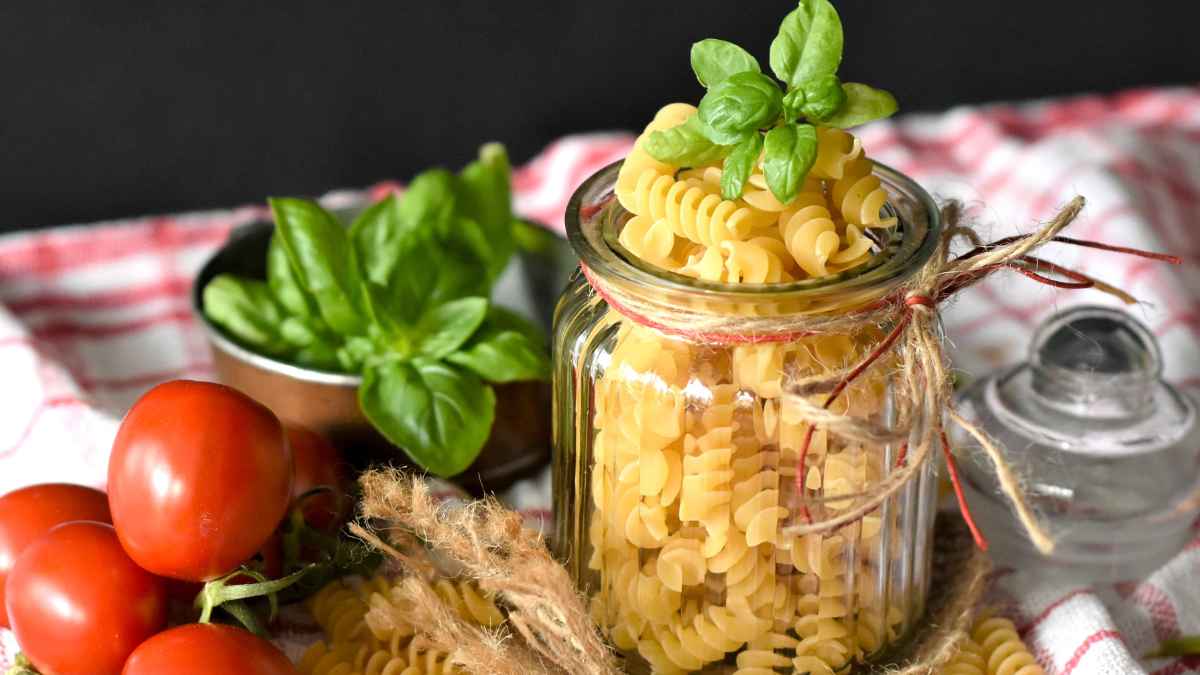
Pasta, made from durum wheat, also contains a high percentage of carbohydrates, but it typically has a higher protein content compared to rice. A standard serving of cooked pasta contains approximately 7 grams of protein, while the same serving of white rice has only about 4 grams. Furthermore, pasta is often enriched with vitamins and minerals, such as iron and B vitamins, which can enhance its nutritional value.
When comparing the two, it is crucial to consider the type of rice or pasta being consumed. Whole grain options, such as brown rice and whole wheat pasta, provide additional nutrients and health benefits compared to their refined counterparts. These whole grain options are generally more nutrient-dense and can contribute to overall health when included in a balanced diet.
Ultimately, the choice between rice and pasta may depend on individual dietary needs and preferences. While both can be part of a healthy diet, understanding their nutritional composition can help individuals make choices that align with their health goals.
Glycemic Index: Impact on Blood Sugar Levels
The glycemic index (GI) is a measure of how quickly a food raises blood sugar levels. Foods with a high GI can cause rapid spikes in blood sugar, while those with a low GI lead to more gradual increases. This distinction is particularly important for individuals managing diabetes or those looking to maintain stable energy levels throughout the day.
White rice has a high glycemic index, typically ranging from 70 to 90, depending on the variety. This means that consuming white rice can lead to quick spikes in blood glucose levels, which may not be ideal for everyone. In contrast, whole grain options like brown rice have a lower GI, often falling between 50 and 60, making them a better choice for those concerned about blood sugar control.
Pasta, particularly when cooked al dente, tends to have a lower glycemic index compared to white rice. Its GI can range from 40 to 60, depending on the type and cooking method. This lower GI means that pasta may provide a more sustained release of energy, making it a favorable option for those looking to manage their blood sugar levels effectively.
When considering the glycemic index, it is essential to take into account the overall meal composition. Pairing rice or pasta with protein, healthy fats, and fiber can further mitigate blood sugar spikes, promoting better overall health and well-being.
Fiber Content: A Key Factor in Digestive Health
Fiber plays a crucial role in digestive health, aiding in regular bowel movements and promoting a feeling of fullness. It is generally categorized into two types: soluble and insoluble fiber. Soluble fiber dissolves in water and can help lower cholesterol levels, while insoluble fiber adds bulk to the stool and aids in digestion.
Brown rice is a good source of dietary fiber, containing approximately 3.5 grams of fiber per cooked cup. This fiber content can help improve digestive health and promote satiety, making it a valuable addition to a balanced diet. In contrast, white rice has significantly less fiber, often containing less than 1 gram per cooked cup, which may not provide the same digestive benefits.
Pasta, particularly whole wheat pasta, also offers a considerable amount of fiber. A serving of whole wheat pasta can provide around 6 grams of fiber, making it a superior choice for those looking to increase their fiber intake. The higher fiber content in whole grain pasta can contribute to better digestive health and help regulate blood sugar levels.
In summary, both brown rice and whole grain pasta are excellent sources of fiber, while their refined counterparts offer minimal fiber content. Incorporating high-fiber options into one’s diet can significantly benefit digestive health and overall well-being.
Micronutrient Profiles: Vitamins and Minerals Compared
The micronutrient profiles of rice and pasta reveal important differences in their vitamin and mineral content. Brown rice is a rich source of several essential nutrients, including magnesium, phosphorus, and B vitamins such as niacin and thiamine. These micronutrients play vital roles in energy metabolism, bone health, and overall cellular function.
Pasta, particularly when enriched, can also provide a range of vitamins and minerals. Many commercial pasta products are fortified with iron and B vitamins, which can help prevent deficiencies in these nutrients. However, the micronutrient content can vary significantly between different types of pasta, with whole grain options generally offering more nutrients than their refined counterparts.
When assessing the micronutrient profiles, it is essential to consider the overall dietary context. Including a variety of foods in one’s diet can help ensure adequate intake of essential vitamins and minerals, regardless of whether rice or pasta is the primary carbohydrate source.
In conclusion, both rice and pasta can contribute valuable micronutrients to the diet, but their profiles differ. Choosing whole grain options and incorporating a variety of foods can enhance overall nutrient intake and support health.
Portion Control: Serving Sizes and Caloric Density
Portion control is a critical factor in maintaining a healthy diet, as it directly impacts caloric intake. Both rice and pasta can be calorie-dense if consumed in large quantities, making it essential to be mindful of serving sizes. A typical serving of cooked rice is about 1 cup, which contains approximately 200 calories for white rice and around 215 calories for brown rice.
Pasta servings are similar, with a standard serving size of about 1 cup of cooked pasta containing around 200 calories for regular pasta and slightly more for whole grain varieties. However, pasta often provides more protein and fiber per serving, which can contribute to a greater feeling of fullness compared to rice.
One of the challenges with portion control is that both rice and pasta can be easy to overconsume, especially when served as the main component of a meal. To mitigate this, it is advisable to balance these carbohydrates with adequate portions of vegetables, protein, and healthy fats, creating a well-rounded plate that promotes satiety and nutritional balance.
In summary, both rice and pasta can be part of a healthy diet, but portion control is crucial. Being mindful of serving sizes and incorporating a variety of foods can help individuals manage their caloric intake and achieve their health goals.
Dietary Considerations: Gluten, Allergies, and Preferences
When choosing between rice and pasta, dietary considerations such as gluten intolerance, allergies, and personal preferences play a significant role. Rice is naturally gluten-free, making it an excellent option for individuals with celiac disease or gluten sensitivity. It can be easily incorporated into various dishes, from stir-fries to salads, and serves as a staple in many gluten-free diets.
Pasta, on the other hand, is typically made from wheat and contains gluten. However, there are numerous gluten-free pasta alternatives available, made from ingredients such as rice flour, quinoa, or lentils. These alternatives allow individuals with gluten sensitivities to enjoy pasta dishes without compromising their dietary needs.
In addition to gluten considerations, personal preferences regarding taste and texture can influence the choice between rice and pasta. Some individuals may prefer the chewy texture of pasta, while others might favor the softness of rice. Cultural backgrounds and culinary traditions also play a role in determining which carbohydrate source is more commonly consumed.
Ultimately, the decision between rice and pasta should take into account individual dietary needs, preferences, and health goals. Both options can be included in a healthy diet, provided that they align with one’s nutritional requirements.
Conclusions:
In summary, both rice and pasta have their unique nutritional profiles, benefits, and drawbacks. While rice, especially brown rice, offers a good source of fiber and essential nutrients, pasta, particularly whole grain varieties, provides higher protein content and a lower glycemic index when prepared correctly. Portion control and dietary considerations, such as gluten intolerance and personal preferences, are crucial in determining which option is healthier for an individual. Ultimately, incorporating a variety of whole grains into the diet can promote overall health and well-being.
Read more
-
Harvard T.H. Chan School of Public Health – The Nutrition Source: Carbohydrates
- This resource provides a comprehensive overview of carbohydrates, including their types, sources, and health implications.
-
American Diabetes Association – Glycemic Index
- This article explains the glycemic index and its importance in managing blood sugar levels, particularly for individuals with diabetes.
-
Whole Grains Council – Whole Grains 101
- This resource offers insights into whole grains, their health benefits, and how to incorporate them into your diet.
-
Mayo Clinic – Fiber: How Much Do You Need?
- A detailed guide on dietary fiber, its health benefits, and recommended daily intake.
-
Cleveland Clinic – Gluten-Free Diet: What to Know
- This article discusses gluten-free diets, including who should follow them and how to maintain a balanced diet without gluten.