

Introduction:
In the realm of nutrition, carbohydrates often take center stage, being a primary source of energy for the body. However, as dietary trends evolve, many individuals are seeking to reduce their carbohydrate intake for various reasons, including weight management and improved metabolic health. This article delves into the world of snack foods devoid of carbohydrates, exploring their benefits, options, and practical tips for incorporating them into a balanced diet.
Understanding Carbohydrates and Their Impact on Diet
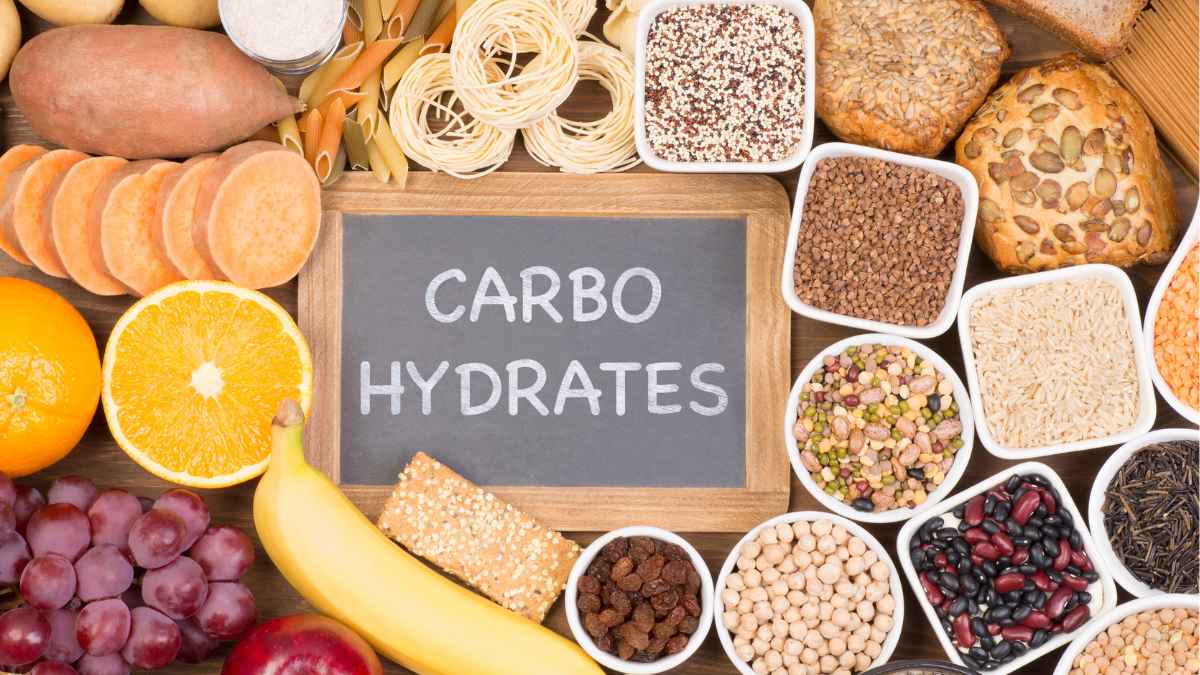
Carbohydrates are one of the three macronutrients essential for human life, alongside proteins and fats. They are primarily found in foods such as grains, fruits, vegetables, and dairy products. When consumed, carbohydrates are broken down into glucose, which serves as the body’s main energy source. However, not all carbohydrates are created equal; they can be classified into simple and complex forms, with simple carbohydrates often leading to rapid spikes in blood sugar levels.
The impact of carbohydrates on diet can vary significantly based on individual health goals. For instance, those looking to lose weight or manage conditions like diabetes may benefit from a reduced carbohydrate intake. Low-carb diets, such as ketogenic or Atkins, emphasize the consumption of proteins and fats while minimizing carbohydrates, which can lead to enhanced fat burning and improved insulin sensitivity.
Despite their importance, excessive carbohydrate consumption can lead to weight gain and other health issues, including metabolic syndrome and type 2 diabetes. Therefore, understanding how to manage carbohydrate intake is crucial for maintaining overall health. This is where the concept of no-carb snacks becomes particularly appealing, allowing individuals to enjoy tasty treats without the associated carbohydrate load.
Moreover, the increasing popularity of low-carb and no-carb diets has sparked a growing interest in snack foods that align with these dietary preferences. As consumers become more health-conscious, the demand for convenient, low-carb snacks has surged, prompting manufacturers to innovate and expand their product offerings.
Overview of Low-Carb Snack Options Available Today
The market for low-carb snacks has exploded in recent years, catering to a diverse array of dietary preferences and lifestyles. From protein bars to cheese crisps, the options are vast and varied. Many brands now offer snacks specifically designed to be low in carbohydrates, making it easier for individuals to adhere to their dietary goals without feeling deprived.
In addition to commercially available products, there are numerous homemade low-carb snack options that can be easily prepared. For example, snacks made from nuts, seeds, and cheese provide satisfying crunch and flavor while remaining low in carbohydrates. These options not only satisfy cravings but also contribute to overall nutrient intake.
Another category of low-carb snacks includes vegetables, particularly non-starchy varieties like celery, cucumber, and bell peppers. These can be paired with high-fat dips such as guacamole or ranch dressing, creating a delicious and satisfying snack that aligns with low-carb principles.
Furthermore, the rise of the keto diet has led to the creation of specialized snack foods that cater to those following this high-fat, low-carb lifestyle. Products like keto-friendly cookies, chips, and even ice creams are now widely available, providing a guilt-free indulgence for those looking to satisfy their sweet tooth without the carbohydrate burden.
Identifying Snack Foods with Zero Carbohydrate Content
When searching for snacks that contain no carbohydrates, it’s essential to focus on foods that are primarily composed of proteins and fats. Some of the most popular zero-carb snack options include certain meats, cheeses, and eggs. For instance, beef jerky, pork rinds, and hard-boiled eggs are all excellent choices that provide essential nutrients without any carbohydrate content.
Cheese is another versatile option, with varieties like cheddar, mozzarella, and cream cheese being completely free of carbohydrates. These can be enjoyed as is or incorporated into various recipes, such as cheese crisps or baked cheese bites, offering a satisfying crunch without the carbs.
Additionally, certain condiments and toppings can enhance the flavor of no-carb snacks. For example, mustard, mayonnaise, and hot sauce can be used to add zest to meats and cheeses without introducing any carbohydrates. This allows for a diverse range of flavor profiles while sticking to a no-carb regimen.
Lastly, snack options derived from healthy fats, such as olives and avocados, can also be considered. While avocados do contain a small amount of carbohydrates, they are primarily composed of healthy fats and fiber, making them a suitable choice for those following a low-carb diet. Olives, on the other hand, are virtually carb-free and can be enjoyed as a savory snack.
Nutritional Analysis of Popular No-Carb Snack Choices
When evaluating no-carb snack choices, it’s crucial to consider their nutritional profiles beyond just carbohydrate content. For instance, beef jerky is not only devoid of carbs but also rich in protein, making it an excellent option for muscle maintenance and repair. However, it’s important to choose varieties that are low in sodium and free from added sugars.
Cheese, a staple in many no-carb diets, is an excellent source of calcium and other essential nutrients. Different types of cheese offer varying levels of fat and protein, allowing individuals to select options that align with their dietary needs. For example, cottage cheese is higher in protein while cream cheese is richer in fat.
Eggs are another powerhouse snack, containing high-quality protein and essential vitamins and minerals. They are versatile and can be prepared in numerous ways, such as hard-boiled, scrambled, or deviled, making them a convenient option for quick snacking.
Lastly, it’s important to consider the role of healthy fats in no-carb snacks. Foods like avocados and nuts provide essential fatty acids that support heart health and overall well-being. While nuts do contain some carbohydrates, their high fiber content and healthy fat profile make them an excellent choice for those looking to maintain a balanced diet.
Health Benefits of Incorporating No-Carb Snacks
Incorporating no-carb snacks into one’s diet can offer several health benefits, particularly for those seeking to manage their weight or improve metabolic health. One of the primary advantages is the potential for enhanced satiety. Foods high in protein and healthy fats can help individuals feel fuller for longer, reducing the likelihood of overeating during meals.
Moreover, no-carb snacks can support stable blood sugar levels. By minimizing carbohydrate intake, individuals may experience fewer blood sugar spikes and crashes, leading to improved energy levels and reduced cravings for sugary foods. This can be particularly beneficial for individuals with insulin resistance or those managing diabetes.
Additionally, the inclusion of no-carb snacks can promote better fat oxidation. When carbohydrate intake is low, the body shifts its energy source from glucose to fat, which can enhance fat-burning capabilities. This metabolic shift is a key component of many low-carb diets, contributing to weight loss and improved body composition.
Finally, no-carb snacks can facilitate better nutrient absorption. By focusing on whole, nutrient-dense foods, individuals can ensure they are meeting their nutritional needs while adhering to a low-carb lifestyle. This can lead to improved overall health and well-being, making no-carb snacks a valuable addition to any diet.
Practical Tips for Choosing No-Carb Snacks Effectively
When selecting no-carb snacks, it’s essential to prioritize quality over quantity. Opt for whole, minimally processed foods that provide essential nutrients. For example, choose grass-fed beef jerky over conventional varieties that may contain added sugars and preservatives.
Reading labels is crucial when shopping for no-carb snacks. Many products marketed as low-carb may still contain hidden carbohydrates, so it’s important to check the nutritional information carefully. Look for items with zero grams of carbohydrates per serving to ensure they align with your dietary goals.
Incorporating a variety of no-carb snacks can help prevent boredom and ensure a well-rounded nutrient intake. Experiment with different flavors and textures, such as crunchy cheese crisps, savory olives, or creamy dips. This variety can make snacking enjoyable while staying within your carbohydrate limits.
Lastly, consider portion control when enjoying no-carb snacks. While these options may be low in carbohydrates, they can still be high in calories. Being mindful of portion sizes can help maintain a balanced diet and prevent unintended weight gain.
Conclusions:
Navigating the world of snacks while adhering to a low-carb or no-carb diet can be challenging, but with the right knowledge and resources, it is entirely achievable. By understanding the impact of carbohydrates on health, exploring available snack options, and making informed choices, individuals can enjoy satisfying snacks without compromising their dietary goals.
Read more:
- Harvard Health Publishing – The Role of Carbohydrates in Your Diet – An overview of carbohydrates and their importance in nutrition.
- Mayo Clinic – Low-Carbohydrate Diets: What You Need to Know – Insights into low-carb diets and their potential benefits.
- Cleveland Clinic – The Benefits of Eating Low-Carb – A detailed look at the advantages of low-carb eating.
- Healthline – The Ultimate Guide to Low-Carb Snacks – A comprehensive guide to various low-carb snack options.
- Verywell Fit – No-Carb Snacks: What to Eat – A resource for identifying and preparing no-carb snacks.