

Introduction:
Post-workout nutrition plays a crucial role in recovery, muscle repair, and overall performance enhancement. Among the essential nutrients, carbohydrates stand out for their ability to replenish glycogen stores and provide the energy needed for recovery. Understanding which carbohydrates to consume post-workout can significantly impact your fitness goals. This article delves into the specifics of post-workout carbohydrate needs, the importance of glycogen replenishment, the differences between simple and complex carbohydrates, optimal timing for intake, high glycemic index foods, and the balance of carbs with protein for muscle repair.
Understanding Post-Workout Carbohydrate Needs
Carbohydrates are the body’s primary source of energy, especially during high-intensity workouts. After an intense exercise session, your muscles are depleted of glycogen, the stored form of glucose. Replenishing these glycogen stores is critical for recovery and preparing your body for future workouts. Consuming the right type and amount of carbohydrates post-exercise ensures that your muscles recover efficiently and reduces the risk of fatigue and injury.
The amount of carbohydrates needed post-workout can vary depending on the intensity and duration of the exercise, as well as individual factors such as body weight and metabolic rate. Generally, it is recommended to consume 1.0 to 1.2 grams of carbohydrates per kilogram of body weight within the first hour after exercise. This period is often referred to as the "glycogen window," where the muscles are most receptive to glucose uptake.
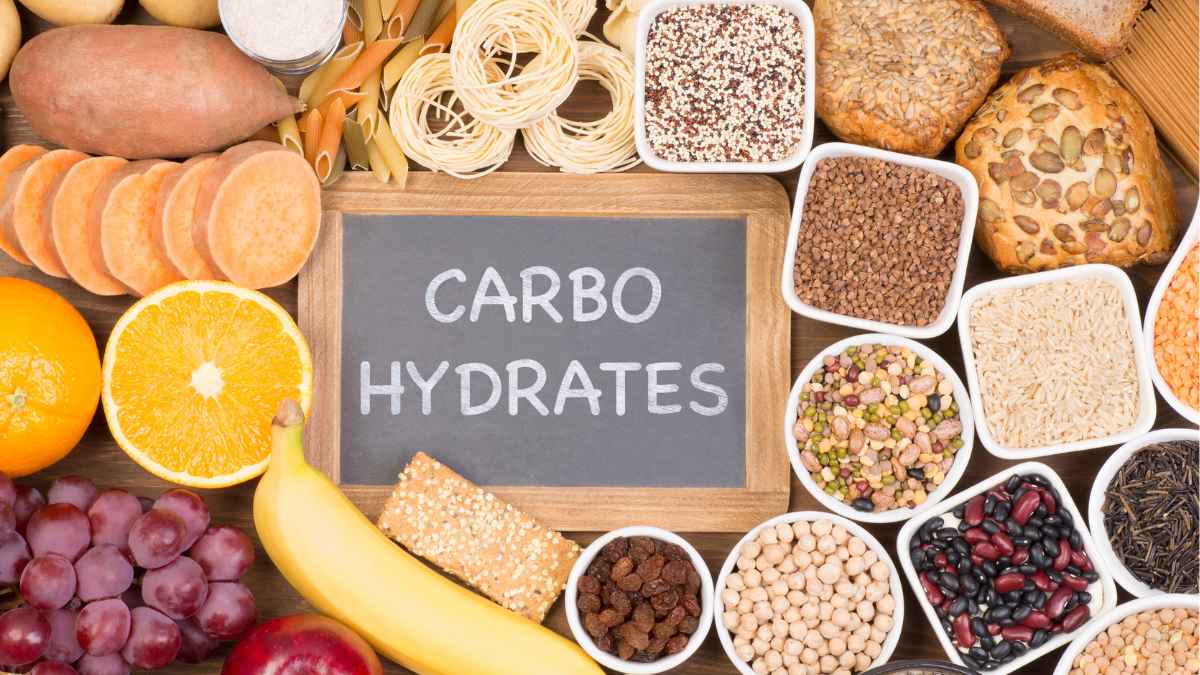
It’s also important to consider the type of carbohydrates consumed. Simple carbohydrates, such as those found in fruits and sports drinks, are quickly digested and can provide an immediate source of glucose. Complex carbohydrates, like those in whole grains and legumes, are digested more slowly and provide a sustained release of energy. Both types of carbohydrates can be beneficial post-workout, depending on the timing and specific recovery needs.
Hydration also plays a key role in post-workout recovery. Carbohydrates help to retain water in the muscles, which is essential for maintaining proper hydration levels. Consuming carbohydrates along with fluids can enhance rehydration and improve overall recovery.
In addition to replenishing glycogen stores, post-workout carbohydrates can help to reduce muscle soreness and inflammation. This is particularly important for athletes and individuals engaging in regular intense training, as it allows for quicker recovery and the ability to maintain a consistent training schedule.
Glycogen Replenishment Post-Exercise
Glycogen is the stored form of glucose in the muscles and liver, and it serves as a vital energy reserve during physical activity. During prolonged or high-intensity exercise, glycogen stores are significantly depleted, necessitating effective replenishment strategies to restore energy levels and support muscle recovery.
The process of glycogen replenishment involves the conversion of consumed carbohydrates into glucose, which is then stored in the muscles and liver as glycogen. This process is most efficient immediately after exercise when the muscles are more sensitive to insulin, a hormone that facilitates glucose uptake. Consuming carbohydrates within the first 30 minutes to two hours post-exercise can maximize glycogen synthesis and enhance recovery.
Research has shown that the rate of glycogen synthesis is highest during the initial post-exercise period. Therefore, timing is crucial. Delaying carbohydrate intake can result in slower glycogen replenishment and prolonged recovery times. To optimize glycogen resynthesis, it is recommended to consume a carbohydrate-rich meal or snack as soon as possible after completing your workout.
The type of carbohydrate consumed can also influence glycogen replenishment rates. High glycemic index (GI) foods, which cause a rapid increase in blood glucose levels, are particularly effective for quick glycogen restoration. Examples of high GI foods include white bread, rice, and potatoes. These foods can be particularly beneficial immediately post-workout when rapid glycogen replenishment is desired.
In addition to carbohydrates, incorporating a small amount of protein into your post-workout meal can further enhance glycogen synthesis. Protein provides the necessary amino acids for muscle repair and can stimulate insulin release, which aids in glucose uptake. A combination of carbohydrates and protein in a 3:1 or 4:1 ratio is often recommended for optimal recovery.
Hydration should not be overlooked in the context of glycogen replenishment. Adequate fluid intake is essential for the proper functioning of metabolic processes, including glycogen synthesis. Consuming carbohydrate-rich fluids, such as sports drinks, can simultaneously address both glycogen replenishment and hydration needs.
Simple vs. Complex Carbohydrates: A Comparison
Simple carbohydrates, also known as sugars, consist of one or two sugar molecules and are quickly digested and absorbed by the body. Examples include glucose, fructose, and sucrose, which are found in fruits, honey, and table sugar. Due to their rapid digestion, simple carbohydrates can provide a quick source of energy, making them suitable for immediate post-workout consumption.
Complex carbohydrates, on the other hand, are composed of longer chains of sugar molecules and take longer to digest. They are found in foods such as whole grains, legumes, and vegetables. The slower digestion of complex carbohydrates results in a more gradual release of glucose into the bloodstream, providing sustained energy over a longer period.
The choice between simple and complex carbohydrates post-workout depends on the timing and specific recovery goals. Simple carbohydrates are ideal for rapid glycogen replenishment immediately after exercise, as they quickly elevate blood glucose levels and facilitate glycogen synthesis. This can be particularly beneficial for athletes who have multiple training sessions in a day or those who need to recover quickly for upcoming events.
Complex carbohydrates, while slower to digest, offer other benefits. They provide a steady supply of energy, which can be useful for maintaining energy levels throughout the day. Additionally, complex carbohydrates are often rich in fiber, vitamins, and minerals, contributing to overall health and well-being. Including a mix of both simple and complex carbohydrates in your post-workout nutrition can provide a balanced approach to recovery.
It’s also important to consider the glycemic index (GI) of the carbohydrates consumed. High GI foods, which are typically simple carbohydrates, cause a rapid spike in blood glucose levels, while low GI foods, often complex carbohydrates, result in a slower, more sustained release of glucose. Both types have their place in post-workout nutrition, depending on the immediate and long-term recovery needs.
In summary, simple carbohydrates are beneficial for quick energy replenishment and rapid glycogen synthesis immediately after exercise. Complex carbohydrates, with their slower digestion and sustained energy release, can support ongoing recovery and overall health. A combination of both types of carbohydrates can optimize post-workout recovery and performance.
Optimal Timing for Carbohydrate Intake
The timing of carbohydrate intake is critical for maximizing post-workout recovery. The period immediately following exercise, often referred to as the "anabolic window" or "glycogen window," is when the muscles are most receptive to nutrient uptake. Consuming carbohydrates during this window can significantly enhance glycogen replenishment and muscle recovery.
Research suggests that the first 30 minutes to two hours post-exercise is the optimal time for carbohydrate consumption. During this period, insulin sensitivity is heightened, allowing for more efficient glucose uptake and glycogen synthesis. Delaying carbohydrate intake beyond this window can result in slower recovery and reduced glycogen stores.
For athletes and individuals engaging in multiple training sessions per day, the timing of carbohydrate intake becomes even more crucial. Rapid glycogen replenishment is necessary to ensure that the muscles are adequately fueled for subsequent workouts. In such cases, consuming high glycemic index (GI) carbohydrates immediately after exercise can provide the quickest source of glucose for glycogen synthesis.
In addition to the immediate post-workout period, it is also important to continue consuming carbohydrates throughout the day to maintain energy levels and support ongoing recovery. Including carbohydrate-rich meals and snacks at regular intervals can help sustain glycogen stores and prevent energy dips.
The type of carbohydrate consumed can also influence the timing strategy. Simple carbohydrates, with their rapid digestion and absorption, are ideal for immediate post-workout consumption. Complex carbohydrates, which provide a slower release of glucose, can be included in meals and snacks throughout the day to support sustained energy levels.
Hydration should also be considered in the context of carbohydrate timing. Consuming carbohydrate-rich fluids, such as sports drinks, immediately after exercise can address both glycogen replenishment and hydration needs simultaneously. This can be particularly beneficial in hot and humid conditions where fluid loss is significant.
High Glycemic Index Foods for Recovery
High glycemic index (GI) foods are those that cause a rapid increase in blood glucose levels upon consumption. These foods are particularly effective for post-workout recovery, as they quickly elevate blood sugar and facilitate glycogen synthesis. Incorporating high GI foods into your post-exercise nutrition can enhance recovery and prepare your body for future workouts.
Examples of high GI foods include white bread, rice, potatoes, and certain fruits like watermelon and pineapple. These foods are rapidly digested and absorbed, providing an immediate source of glucose for glycogen replenishment. Consuming high GI foods within the first 30 minutes to two hours post-exercise can maximize glycogen synthesis and improve recovery.
Sports drinks and gels, which are specifically formulated for rapid absorption, are also high GI options that can be convenient and effective for post-workout nutrition. These products often contain a combination of simple sugars and electrolytes, addressing both glycogen replenishment and hydration needs.
While high GI foods are beneficial for immediate post-workout recovery, it is important to balance them with other nutrients to support overall health. Including a source of protein in your post-workout meal or snack can enhance muscle repair and stimulate insulin release, further aiding in glucose uptake. A combination of carbohydrates and protein in a 3:1 or 4:1 ratio is often recommended for optimal recovery.
It’s also worth noting that not all high GI foods are created equal. Some high GI foods, such as sugary snacks and processed foods, may provide quick energy but lack essential nutrients. Opting for nutrient-dense high GI foods, such as fruits and whole grains, can provide the benefits of rapid glycogen replenishment while also contributing to overall health.
In summary, high GI foods play a crucial role in post-workout recovery by quickly replenishing glycogen stores. Including these foods in your immediate post-exercise nutrition can enhance recovery and prepare your body for future workouts. Balancing high GI foods with protein and other nutrients can further support muscle repair and overall health.
Balancing Carbs with Protein for Muscle Repair
While carbohydrates are essential for glycogen replenishment, protein is equally important for muscle repair and growth. Combining carbohydrates with protein in your post-workout nutrition can provide a synergistic effect, enhancing both glycogen synthesis and muscle recovery. This balanced approach can optimize overall recovery and performance.
Protein provides the necessary amino acids for muscle repair and growth. Consuming protein post-workout stimulates muscle protein synthesis, the process by which new muscle tissue is formed. Including a source of protein in your post-workout meal or snack can enhance muscle recovery and reduce muscle soreness.
The combination of carbohydrates and protein can also stimulate insulin release, which aids in glucose uptake and glycogen synthesis. Insulin is a hormone that facilitates the transport of glucose and amino acids into the muscle cells, promoting both glycogen replenishment and muscle repair. A ratio of 3:1 or 4:1 carbohydrates to protein is often recommended for optimal recovery.
Examples of balanced post-workout meals include a smoothie made with fruit and protein powder, a turkey sandwich on whole grain bread, or yogurt with granola and berries. These meals provide a combination of carbohydrates and protein, supporting both glycogen replenishment and muscle repair.
In addition to enhancing recovery, balancing carbohydrates with protein can also help to stabilize blood sugar levels and prevent energy crashes. This can be particularly beneficial for athletes and individuals engaging in prolonged or intense training sessions, as it provides sustained energy and supports overall performance.
Hydration should also be considered in the context of post-workout nutrition. Consuming carbohydrate and protein-rich fluids, such as chocolate milk or a protein shake, can address both glycogen replenishment and hydration needs simultaneously. This can be particularly beneficial in hot and humid conditions where fluid loss is significant.
Conclusion:
Post-workout nutrition is a critical component of recovery and performance enhancement. Understanding the role of carbohydrates in glycogen replenishment, the differences between simple and complex carbohydrates, and the importance of timing can optimize your recovery strategy. Incorporating high glycemic index foods and balancing carbohydrates with protein can further enhance muscle repair and overall health. By paying attention to these factors, you can ensure that your body is adequately fueled and prepared for future workouts.
Read More…
- National Institutes of Health (NIH) – Carbohydrates and Exercise: This source provides comprehensive information on the role of carbohydrates in exercise performance and recovery.
- Journal of the International Society of Sports Nutrition (JISSN) – Nutrient Timing: An in-depth look at the importance of nutrient timing for optimal recovery and performance.
- American College of Sports Medicine (ACSM) – Nutrition and Athletic Performance: Guidelines and recommendations for nutrition strategies to support athletic performance.
- Mayo Clinic – Glycemic Index Diet: Information on the glycemic index and its implications for diet and health.
- Harvard T.H. Chan School of Public Health – Carbohydrates: A detailed overview of different types of carbohydrates and their impact on health and exercise.