
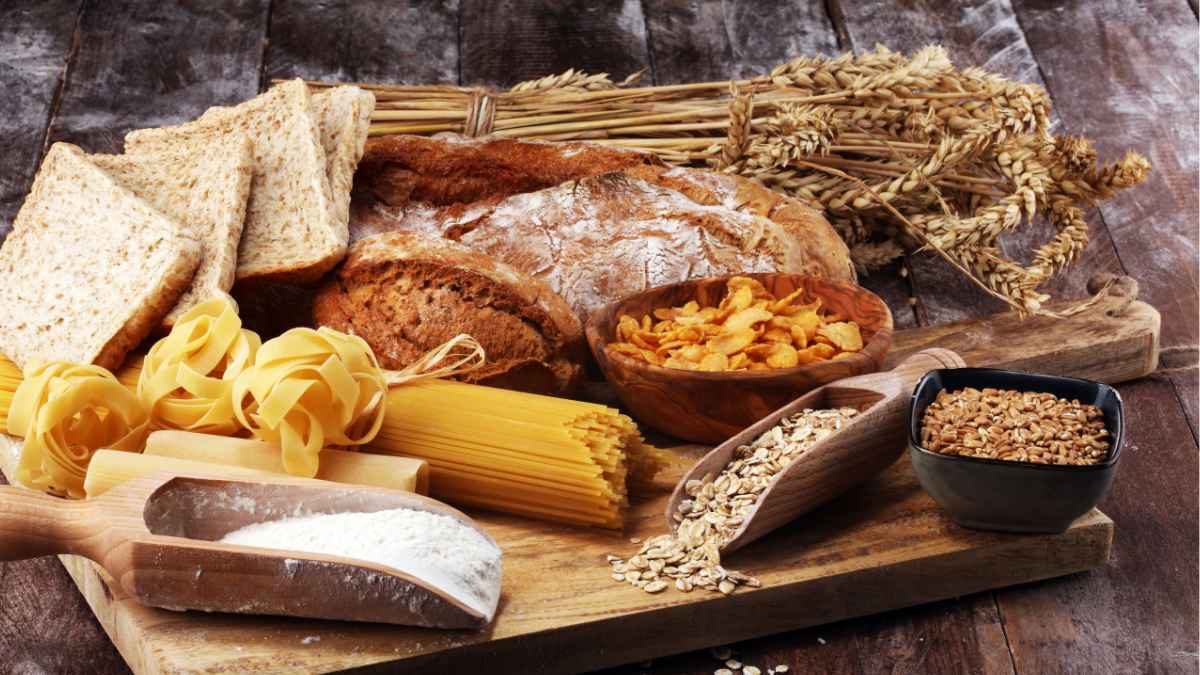

Introduction: The quest for carbohydrate-free flours has become increasingly popular, driven by the rising interest in low-carb and ketogenic diets. For individuals looking to reduce their carbohydrate intake, finding suitable flour alternatives can be a game-changer. This article delves into the world of carbohydrate-free flours, exploring their characteristics, benefits, and applications in cooking and baking.
Introduction to Carbohydrate-Free Flours
Carbohydrate-free flours are a boon for those adhering to low-carb or ketogenic diets. Unlike traditional flours made from grains, these alternatives are derived from sources that inherently contain little to no carbohydrates. They provide a way to enjoy baked goods and other flour-based recipes without the associated carb load.
The primary appeal of carbohydrate-free flours lies in their ability to maintain the texture and structure of baked goods while significantly reducing carbohydrate content. This makes them an excellent choice for people managing conditions like diabetes or those aiming for weight loss through carb restriction.
Moreover, these flours often come with additional nutritional benefits, such as higher protein content or essential fatty acids, which can contribute to a balanced diet. This dual advantage makes them a versatile ingredient in many health-conscious kitchens.
However, it’s important to note that not all carbohydrate-free flours are created equal. Their nutritional profiles, taste, and baking properties can vary significantly, necessitating a good understanding of each type to make the best choice for your needs.
In this article, we will explore the common types of carbohydrate-free flours, their nutritional profiles, and how they can be used effectively in cooking and baking. By the end, you’ll have a comprehensive understanding of these flours and how to incorporate them into your diet.
Before diving into specific types, let’s first understand what carbohydrates are and why they are present in traditional flours.
Understanding Carbohydrates in Flour
Carbohydrates are one of the three macronutrients essential for human health, alongside proteins and fats. They are the body’s primary energy source, broken down into glucose to fuel various bodily functions. However, not all carbohydrates are created equal, and their impact on health can vary.
Traditional flours, such as wheat flour, are high in carbohydrates because they are made from grains that naturally contain starches. These starches are complex carbohydrates that break down into sugars during digestion, leading to a rise in blood glucose levels.
For individuals on low-carb or ketogenic diets, managing carbohydrate intake is crucial. These diets typically aim to reduce carbohydrate consumption to a minimum, forcing the body to enter a state of ketosis, where it burns fat for energy instead of glucose. This metabolic shift can aid in weight loss and improve certain health markers.
The carbohydrate content in traditional flours can pose a challenge for those following such diets. A single cup of all-purpose flour contains approximately 95 grams of carbohydrates, making it unsuitable for low-carb meal plans. This necessitates the search for alternative flours that can provide similar culinary results without the carb load.
Understanding the carbohydrate content in flour is essential for making informed dietary choices. It allows individuals to select appropriate alternatives that align with their nutritional goals while still enjoying a variety of foods.
In the next section, we will explore some common types of carbohydrate-free flours, highlighting their unique properties and uses.
Common Types of Carbohydrate-Free Flours
Almond Flour
Almond flour is a popular low-carb alternative made from finely ground almonds. It is rich in healthy fats, protein, and fiber, making it a nutritious choice for baking. Almond flour has a slightly sweet, nutty flavor and works well in a variety of recipes, from cookies to bread.
Coconut Flour
Coconut flour is made from dried coconut meat and is another excellent low-carb option. It is high in fiber, which helps to offset its carbohydrate content, making it effectively low in net carbs. Coconut flour is highly absorbent, so recipes often require less of it compared to traditional flour.
Flaxseed Meal
Flaxseed meal is ground from whole flaxseeds and is virtually free of digestible carbohydrates. It is an excellent source of omega-3 fatty acids and fiber. Flaxseed meal can be used in baking and as an egg substitute in vegan recipes due to its binding properties.
Chia Seed Flour
Chia seed flour is made from ground chia seeds and is another carbohydrate-free option. It is rich in omega-3 fatty acids, fiber, and protein. Chia seed flour can be used in baking and as a thickening agent in recipes due to its gel-forming ability when mixed with liquids.
Psyllium Husk Powder
Psyllium husk powder is derived from the seeds of the Plantago ovata plant. It is primarily used as a fiber supplement but can also be used in baking to add structure and moisture to low-carb recipes. It is virtually free of digestible carbohydrates and is known for its high soluble fiber content.
Lupin Flour
Lupin flour is made from the lupin bean and is very low in carbohydrates. It is high in protein and fiber, making it a nutritious addition to low-carb and ketogenic diets. Lupin flour can be used in a variety of baked goods and is particularly popular in European cuisine.
Nutritional Profile of Zero-Carb Flours
Almond Flour
Almond flour is rich in monounsaturated fats, which are beneficial for heart health. It also provides a good amount of protein and fiber. A quarter-cup serving of almond flour contains about 6 grams of protein, 14 grams of fat, and 3 grams of fiber, with only 2 grams of net carbs.
Coconut Flour
Coconut flour is high in dietary fiber, which aids in digestion and helps maintain stable blood sugar levels. A quarter-cup serving of coconut flour contains approximately 6 grams of protein, 4 grams of fat, and 10 grams of fiber, resulting in only 2 grams of net carbs.
Flaxseed Meal
Flaxseed meal is a powerhouse of nutrients, offering a high concentration of omega-3 fatty acids, lignans, and fiber. A two-tablespoon serving of flaxseed meal provides about 3 grams of protein, 4 grams of fat, and 4 grams of fiber, with virtually no net carbs.
Chia Seed Flour
Chia seed flour is nutrient-dense, providing a substantial amount of omega-3 fatty acids, antioxidants, and fiber. A two-tablespoon serving contains around 4 grams of protein, 6 grams of fat, and 10 grams of fiber, resulting in negligible net carbs.
Psyllium Husk Powder
Psyllium husk powder is primarily composed of soluble fiber, which can aid in digestion and promote satiety. A single tablespoon serving contains about 5 grams of fiber and negligible amounts of protein and fat, with virtually no net carbs.
Lupin Flour
Lupin flour is notable for its high protein and fiber content. A quarter-cup serving contains approximately 12 grams of protein, 3 grams of fat, and 11 grams of fiber, resulting in only 1 gram of net carbs. It is also low in calories, making it a valuable addition to a weight management diet.
Benefits of Using Carbohydrate-Free Flours
Weight Management
One of the primary benefits of using carbohydrate-free flours is their potential to aid in weight management. By reducing carbohydrate intake, these flours can help control blood sugar levels and reduce insulin spikes, which are often associated with weight gain.
Improved Blood Sugar Control
For individuals with diabetes or insulin resistance, carbohydrate-free flours can be a valuable tool for managing blood sugar levels. The low net carb content of these flours helps prevent significant blood sugar fluctuations, promoting better glycemic control.
Enhanced Satiety
The high fiber content in many carbohydrate-free flours, such as coconut flour and flaxseed meal, can promote feelings of fullness and satiety. This can help reduce overall calorie intake and support weight loss efforts.
Nutrient Density
Carbohydrate-free flours often come with additional nutritional benefits. For example, almond flour is rich in vitamin E and magnesium, while chia seed flour provides a good source of omega-3 fatty acids and antioxidants. These nutrients contribute to overall health and well-being.
Versatility in Cooking and Baking
Carbohydrate-free flours can be used in a wide range of recipes, from baked goods to savory dishes. Their versatility allows individuals to enjoy their favorite foods while adhering to a low-carb or ketogenic diet.
Gluten-Free Options
Many carbohydrate-free flours, such as almond flour and coconut flour, are naturally gluten-free. This makes them an excellent choice for individuals with celiac disease or gluten sensitivity, providing a safe and nutritious alternative to traditional wheat flour.
Cooking and Baking with Zero-Carb Flours
Adjusting Recipes
When cooking and baking with zero-carb flours, it’s important to adjust recipes accordingly. These flours often have different absorption rates and textures compared to traditional flours. For example, coconut flour is highly absorbent, so recipes may require additional liquids or eggs to achieve the desired consistency.
Combining Flours
Combining different types of zero-carb flours can yield better results in recipes. For instance, mixing almond flour with coconut flour can balance out the absorbency and create a more cohesive texture in baked goods. Experimenting with different combinations can help achieve the best results.
Using Binders
Zero-carb flours may require the use of binders to replicate the structure provided by gluten in traditional flours. Common binders include eggs, psyllium husk powder, and flaxseed meal. These ingredients help provide structure and prevent crumbling in baked goods.
Flavor Considerations
Each type of zero-carb flour has its own unique flavor profile. Almond flour has a mild, nutty taste, while coconut flour has a subtle coconut flavor. It’s important to consider these flavors when incorporating zero-carb flours into recipes to ensure they complement the other ingredients.
Storage and Shelf Life
Zero-carb flours often have a shorter shelf life compared to traditional flours due to their higher fat content. It’s important to store them in airtight containers in a cool, dry place, or even in the refrigerator or freezer, to extend their shelf life and prevent rancidity.
Experimentation and Practice
Cooking and baking with zero-carb flours may require some experimentation and practice to achieve the desired results. It’s important to be patient and willing to adjust recipes as needed. Over time, you’ll become more familiar with the properties of these flours and how to use them effectively in your culinary creations.
Conclusion: Carbohydrate-free flours offer a versatile and nutritious alternative to traditional flours, making them an excellent choice for individuals following low-carb or ketogenic diets. By understanding the unique properties and benefits of these flours, you can confidently incorporate them into your cooking and baking routines. Whether you’re looking to manage your weight, control blood sugar levels, or simply enjoy a variety of delicious foods, zero-carb flours can help you achieve your dietary goals.
Read More…
-
Healthline – Low-Carb Flours: The Best Options
- This article provides a comprehensive overview of various low-carb flours, their nutritional benefits, and how to use them in recipes.
-
Verywell Fit – The Best Low-Carb Flours for Baking
- A detailed guide on the best low-carb flours for baking, including tips on how to substitute them in recipes.
-
Diet Doctor – Guide to Low-Carb Flours
- An in-depth guide to low-carb flours, their uses, and how to incorporate them into a ketogenic diet.
-
Medical News Today – What to Know About Low-Carb Flours
- An informative article discussing the different types of low-carb flours and their health benefits.
-
Keto Summit – The Ultimate Guide to Low-Carb Flours
- A comprehensive resource on low-carb flours, including their nutritional profiles and how to use them in various recipes.