

Introduction:
Carbohydrates are a fundamental component of our diet, providing the energy necessary for daily activities and overall bodily functions. Understanding which foods contain the most carbohydrates can help individuals make informed dietary choices, whether for energy management, weight control, or managing conditions like diabetes. This article delves into the various sources of carbohydrates, their role in nutrition, and highlights specific food groups rich in this essential macronutrient.
Understanding Carbohydrates: An Overview
Carbohydrates are one of the three primary macronutrients, alongside proteins and fats, that our bodies require for optimal functioning. They are composed of carbon, hydrogen, and oxygen atoms and can be classified into three main types: sugars, starches, and fiber. Simple carbohydrates, or sugars, are quickly absorbed by the body and provide immediate energy, while complex carbohydrates, such as starches and fiber, take longer to digest and offer sustained energy release.
The chemical structure of carbohydrates determines how they are digested and utilized by the body. Simple carbohydrates consist of one or two sugar molecules, making them easy to break down. Examples include glucose, fructose, and sucrose. Complex carbohydrates, on the other hand, have three or more sugar molecules linked together, which means they are broken down more slowly, providing a more gradual energy release.
Carbohydrates are found in a wide variety of foods, both natural and processed. Natural sources include fruits, vegetables, grains, and legumes, while processed sources encompass items like bread, pasta, and sugary snacks. The type and amount of carbohydrates consumed can significantly impact health, influencing blood sugar levels, weight, and overall energy levels.
The glycemic index (GI) is a useful tool for understanding how different carbohydrates affect blood sugar levels. Foods with a high GI are rapidly digested and cause a quick spike in blood sugar, while those with a low GI are digested more slowly, leading to a gradual increase in blood sugar. Managing carbohydrate intake based on the GI can be particularly beneficial for individuals with diabetes or those looking to maintain steady energy levels.
In addition to providing energy, carbohydrates play a crucial role in various bodily functions. They are essential for brain function, as the brain relies primarily on glucose for energy. Carbohydrates also help in the synthesis of certain amino acids and fatty acids, contributing to overall metabolic processes.
Understanding the different types of carbohydrates and their sources can aid in making healthier dietary choices. By focusing on complex carbohydrates and natural sources, individuals can ensure they are getting the necessary nutrients while maintaining stable energy levels and supporting overall health.
The Role of Carbohydrates in Nutrition
Carbohydrates are the body’s primary source of energy, particularly for the brain and muscles during physical activity. When consumed, carbohydrates are broken down into glucose, which is then used by cells for energy or stored in the liver and muscles as glycogen for later use. This storage mechanism ensures that the body has a readily available energy supply during periods of fasting or intense physical exertion.
In addition to providing energy, carbohydrates play a vital role in maintaining proper digestive health. Dietary fiber, a type of carbohydrate found in plant-based foods, aids in digestion by adding bulk to the stool and promoting regular bowel movements. Fiber also helps to prevent constipation, reduce the risk of colorectal cancer, and support a healthy gut microbiome by serving as a food source for beneficial bacteria.
Carbohydrates are also important for maintaining optimal blood sugar levels. Consuming complex carbohydrates with a low glycemic index can help regulate blood sugar levels, preventing spikes and crashes that can lead to energy fluctuations and cravings. This is particularly important for individuals with diabetes, as managing carbohydrate intake can help control blood glucose levels and reduce the risk of complications.
Furthermore, carbohydrates contribute to overall nutrient intake. Many carbohydrate-rich foods, such as fruits, vegetables, and whole grains, are also packed with essential vitamins, minerals, and antioxidants. These nutrients support various bodily functions, including immune health, bone health, and cellular repair, making carbohydrates an integral part of a balanced diet.
Carbohydrates also play a role in athletic performance. During prolonged or high-intensity exercise, the body relies on glycogen stores for energy. Consuming adequate carbohydrates before, during, and after exercise can help maintain glycogen levels, enhance endurance, and support recovery. Athletes and active individuals often follow carbohydrate-loading strategies to maximize glycogen stores before competitions or intense training sessions.
Despite their importance, not all carbohydrates are created equal. It’s essential to differentiate between whole, unprocessed carbohydrates and refined, processed ones. Whole carbohydrates, found in foods like fruits, vegetables, and whole grains, provide sustained energy and essential nutrients. In contrast, refined carbohydrates, such as sugary snacks and white bread, can lead to rapid blood sugar spikes and offer little nutritional value.
High-Carbohydrate Foods: A Comprehensive List
High-carbohydrate foods are abundant in various food groups, each offering unique benefits and nutritional profiles. Understanding which foods are rich in carbohydrates can help individuals tailor their diets to meet energy needs and support overall health.
Grains and cereals are among the most carbohydrate-dense foods. Items like rice, oats, quinoa, and barley are staples in many diets worldwide, providing a significant portion of daily carbohydrate intake. Whole grains, in particular, are excellent sources of complex carbohydrates, fiber, and essential nutrients, making them a healthier choice compared to refined grains.
Legumes, including beans, lentils, and chickpeas, are another excellent source of carbohydrates. They are rich in fiber and protein, making them a nutritious option for both energy and muscle repair. Legumes also have a low glycemic index, which helps in maintaining stable blood sugar levels.
Fruits are natural sources of simple carbohydrates, primarily in the form of fructose. While they do contain sugars, fruits also provide essential vitamins, minerals, and antioxidants. Bananas, apples, grapes, and mangoes are examples of high-carbohydrate fruits that can offer a quick energy boost along with other health benefits.
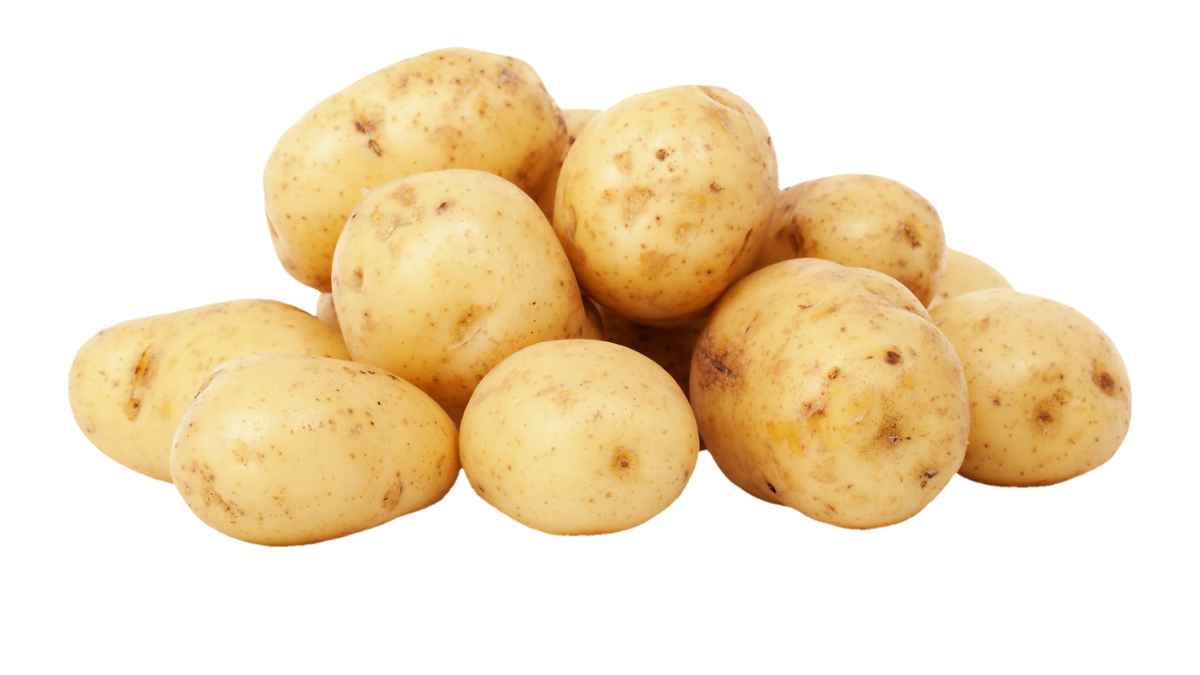
Vegetables, particularly starchy ones like potatoes, sweet potatoes, and corn, are also rich in carbohydrates. These vegetables provide complex carbohydrates and are packed with vitamins, minerals, and fiber. Non-starchy vegetables, while lower in carbohydrates, still contribute to overall intake and offer numerous health benefits.
Dairy products, such as milk, yogurt, and cheese, contain carbohydrates in the form of lactose. While dairy is not as carbohydrate-dense as grains or fruits, it still contributes to daily intake and provides essential nutrients like calcium and vitamin D. Lactose-intolerant individuals can opt for lactose-free dairy products or plant-based alternatives.
Processed foods, including bread, pasta, and sugary snacks, are often high in carbohydrates. While they can provide quick energy, it’s important to choose whole-grain options and limit the intake of refined and sugary products. These foods can lead to rapid blood sugar spikes and contribute to weight gain if consumed in excess.
Grains and Cereals: Carbohydrate-Rich Staples
Grains and cereals are fundamental components of diets around the world, serving as primary sources of carbohydrates. They are versatile, affordable, and can be incorporated into various meals, making them essential staples in many cultures.
Rice is one of the most widely consumed grains globally, particularly in Asia. Both white and brown rice are rich in carbohydrates, but brown rice is a healthier option due to its higher fiber content and lower glycemic index. Brown rice retains the bran and germ, providing additional nutrients compared to white rice, which is more processed.
Oats are another popular grain, known for their high carbohydrate and fiber content. They are often consumed as oatmeal or used in baking. Oats have a low glycemic index, making them an excellent choice for sustained energy release. They also contain beta-glucan, a type of soluble fiber that can help lower cholesterol levels.
Quinoa, while technically a seed, is often classified as a grain due to its similar nutritional profile and culinary uses. It is a complete protein, containing all nine essential amino acids, and is rich in carbohydrates and fiber. Quinoa is also gluten-free, making it a suitable option for individuals with gluten sensitivities or celiac disease.
Barley is another carbohydrate-rich grain that offers numerous health benefits. It is high in fiber, particularly beta-glucan, which can help regulate blood sugar levels and support heart health. Barley can be used in soups, stews, and salads, adding both texture and nutritional value.
Wheat, in its various forms, is a primary source of carbohydrates in many diets. Whole wheat products, such as whole wheat bread and pasta, provide more fiber and nutrients compared to their refined counterparts. Consuming whole wheat can help maintain stable blood sugar levels and support digestive health.
Corn, while often considered a vegetable, is also a grain and a significant source of carbohydrates. It can be consumed in various forms, including fresh, canned, or as cornmeal. Corn provides essential nutrients like vitamin C, magnesium, and antioxidants, making it a nutritious addition to a balanced diet.
Fruits and Vegetables: Natural Carbohydrate Sources
Fruits and vegetables are vital components of a healthy diet, offering a wide range of nutrients along with their carbohydrate content. They provide natural sugars and fiber, contributing to overall health and well-being.
Bananas are one of the most carbohydrate-rich fruits, containing primarily simple sugars like glucose, fructose, and sucrose. They are also high in potassium, which is essential for maintaining proper heart and muscle function. Bananas are a convenient and quick source of energy, making them popular among athletes and active individuals.
Apples are another fruit high in carbohydrates, particularly in the form of fructose. They are also rich in dietary fiber, especially when consumed with the skin. Apples provide vitamins C and K, as well as various antioxidants that support overall health and reduce the risk of chronic diseases.
Sweet potatoes are a starchy vegetable that offers a substantial amount of complex carbohydrates. They are also high in fiber, vitamins A and C, and potassium. Sweet potatoes have a lower glycemic index compared to regular potatoes, making them a better option for sustained energy release and blood sugar management.
Corn, as mentioned earlier, is both a grain and a vegetable, providing a significant amount of carbohydrates. It is also rich in fiber, vitamins, and antioxidants. Corn can be enjoyed in various forms, such as on the cob, as popcorn, or incorporated into dishes like salads and soups.
Grapes are another fruit high in carbohydrates, primarily in the form of glucose and fructose. They are also rich in vitamins C and K, as well as antioxidants like resveratrol, which has been linked to heart health benefits. Grapes can be consumed fresh, dried as raisins, or used in various culinary applications.
Carrots, while not as carbohydrate-dense as some other vegetables, still contribute to overall carbohydrate intake. They are rich in beta-carotene, which the body converts to vitamin A, supporting vision and immune health. Carrots can be enjoyed raw, cooked, or juiced, adding both nutrition and flavor to meals.
Processed Foods: Hidden Carbohydrate Content
Processed foods often contain hidden carbohydrates, making it essential to read labels and understand what you’re consuming. These foods can contribute to excessive carbohydrate intake, leading to potential health issues if not managed properly.
Bread is a common processed food that can vary significantly in carbohydrate content. White bread, made from refined flour, is high in simple carbohydrates and has a high glycemic index. Whole grain or whole wheat bread is a better option, providing more fiber and nutrients while offering a lower glycemic index.
Pasta, another staple in many diets, is rich in carbohydrates. Traditional pasta made from refined wheat flour can cause rapid spikes in blood sugar levels. Opting for whole grain or legume-based pasta can provide more fiber and protein, helping to maintain stable blood sugar levels and offering additional nutritional benefits.
Sugary snacks, including cookies, cakes, and candies, are often loaded with simple carbohydrates and added sugars. These foods can lead to rapid increases in blood sugar levels, followed by crashes that can cause cravings and energy fluctuations. Limiting the intake of sugary snacks and choosing healthier alternatives can support better energy management and overall health.
Breakfast cereals are another category where hidden carbohydrates are prevalent. Many commercially available cereals are high in added sugars and refined grains. Reading labels and choosing cereals made from whole grains with minimal added sugars can help ensure a more balanced and nutritious start to the day.
Snack foods like chips and crackers are often high in refined carbohydrates and unhealthy fats. These foods can contribute to weight gain and increased risk of chronic diseases if consumed in excess. Opting for whole grain or vegetable-based snacks can provide more nutrients and better support overall health.
Beverages, including sodas, fruit juices, and energy drinks, can also be significant sources of hidden carbohydrates. These drinks often contain high levels of added sugars, contributing to excessive carbohydrate intake and potential health issues like weight gain and diabetes. Choosing water, herbal teas, or beverages with no added sugars can help manage carbohydrate intake and support better health outcomes.
Conclusion:
Understanding which foods contain the most carbohydrates and how they impact health is crucial for making informed dietary choices. By focusing on natural, whole food sources of carbohydrates and being mindful of hidden carbohydrates in processed foods, individuals can better manage their energy levels, support overall health, and reduce the risk of chronic diseases.
Read More…
-
Harvard T.H. Chan School of Public Health – Carbohydrates
- A comprehensive resource on the types, sources, and health impacts of carbohydrates.
-
Mayo Clinic – Carbohydrates: How Carbs Fit into a Healthy Diet
- An informative guide on the role of carbohydrates in a balanced diet and tips for healthy carbohydrate consumption.
-
American Diabetes Association – Glycemic Index and Diabetes
- Detailed information on the glycemic index and its importance for individuals managing diabetes.
-
Cleveland Clinic – High-Carb Foods and Their Health Benefits
- An article highlighting various high-carbohydrate foods and their nutritional benefits.
-
National Institutes of Health – Dietary Fiber
- A thorough overview of dietary fiber, its sources, and its health benefits.