

Se hai un abbonamento attivo ACCEDI QUI
Introduction:
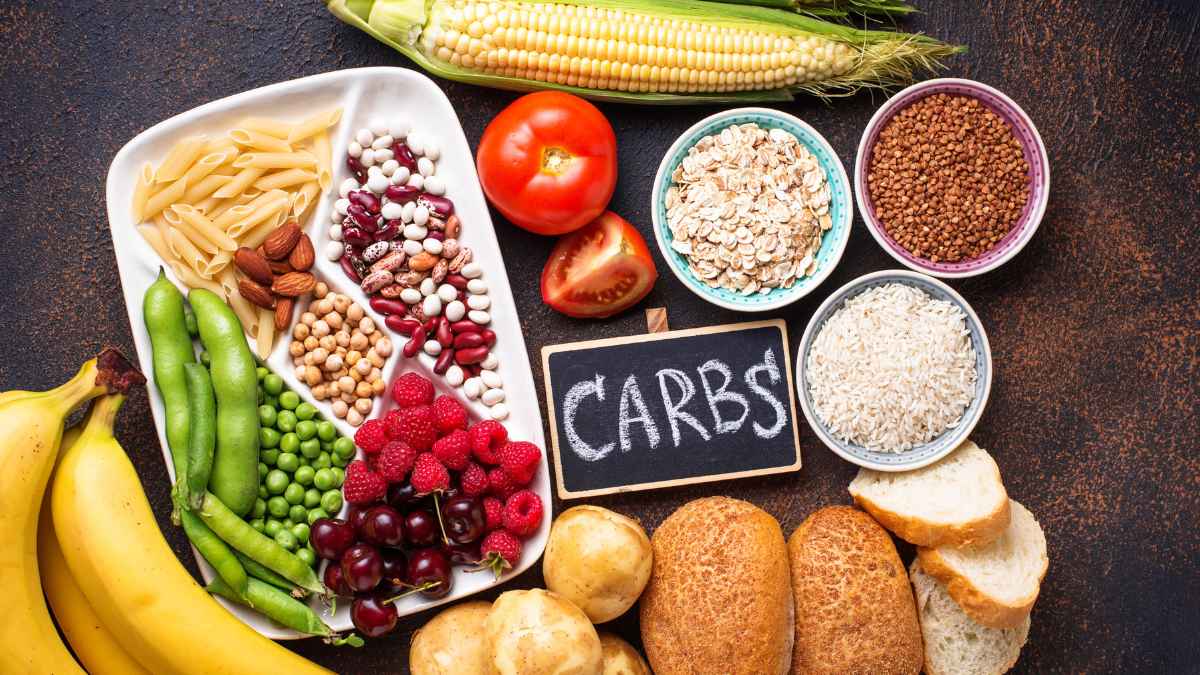
Carbohydrates are a fundamental component of our diet, providing the primary source of energy for our bodies. Understanding the different types of carbohydrates and their sources is crucial for maintaining a balanced and healthy diet. This article delves into the various foods that are rich in carbohydrates, explaining their types and benefits.
Understanding Carbohydrates in Your Diet
Carbohydrates are one of the three macronutrients, alongside proteins and fats, that are essential for human health. They are the body’s main source of energy, particularly for the brain and muscles during physical activity. Carbohydrates can be found in a variety of foods, ranging from fruits and vegetables to grains and legumes.
The role of carbohydrates in the diet is to provide energy. When consumed, carbohydrates are broken down into glucose, which is then used by the body for immediate energy or stored in the liver and muscles for later use. This process is vital for maintaining normal bodily functions and supporting physical activity.
There are different types of carbohydrates, including sugars, starches, and fibers. Each type has a unique impact on the body. Sugars are simple carbohydrates that provide quick energy, while starches and fibers are complex carbohydrates that offer sustained energy and support digestive health.
It’s important to balance carbohydrate intake with other nutrients to ensure a well-rounded diet. Overconsumption of carbohydrates, particularly simple sugars, can lead to health issues such as obesity and diabetes. Conversely, insufficient carbohydrate intake can result in fatigue and poor mental function.
Dietary guidelines recommend that carbohydrates make up about 45-65% of total daily caloric intake. This range allows for flexibility in choosing carbohydrate sources while ensuring that other macronutrients are also adequately consumed.
Understanding the sources of carbohydrates and their effects on the body can help individuals make informed dietary choices. By selecting a variety of carbohydrate-rich foods, one can enjoy the benefits of this essential nutrient while maintaining overall health.
Simple vs. Complex Carbohydrates Explained
Carbohydrates are categorized into two main types: simple and complex. The distinction between these two types lies in their chemical structure and how quickly they are digested and absorbed by the body.
Simple carbohydrates, also known as simple sugars, consist of one or two sugar molecules. Common examples include glucose, fructose, and sucrose. These carbohydrates are found naturally in fruits, vegetables, and dairy products, as well as in processed foods like candy and soda. Simple carbohydrates are quickly broken down by the body, leading to rapid spikes in blood sugar levels.
Complex carbohydrates, on the other hand, are made up of longer chains of sugar molecules. They are found in foods such as whole grains, legumes, and starchy vegetables. Because of their complex structure, these carbohydrates take longer to digest, resulting in a slower and more sustained release of energy.
The glycemic index (GI) is a measure used to rank carbohydrates based on how they affect blood sugar levels. Foods with a high GI cause rapid increases in blood sugar, while those with a low GI result in gradual changes. Simple carbohydrates typically have a higher GI, whereas complex carbohydrates usually have a lower GI.
Incorporating a balance of simple and complex carbohydrates into the diet is important. While simple carbohydrates can provide quick energy, complex carbohydrates offer more sustained energy and additional nutritional benefits, such as fiber, vitamins, and minerals.
Choosing whole, unprocessed foods as sources of carbohydrates can help maintain stable blood sugar levels and support overall health. For example, opting for whole fruits instead of fruit juices or whole grains instead of refined grains can make a significant difference in nutrient intake and energy levels.
Understanding the differences between simple and complex carbohydrates can aid in making healthier dietary choices. By focusing on complex carbohydrates and limiting the intake of simple sugars, one can achieve a more balanced and nutritious diet.
Fruits: Natural Sources of Carbohydrates
Fruits are a natural and delicious source of carbohydrates, providing essential nutrients and fiber along with their carbohydrate content. They contain both simple and complex carbohydrates, making them a versatile addition to any diet.
Berries, such as strawberries, blueberries, and raspberries, are rich in carbohydrates and antioxidants. These fruits provide quick energy from their natural sugars while also offering vitamins, minerals, and fiber that support overall health.
Bananas are another excellent source of carbohydrates, particularly for athletes and those needing quick energy. They contain both simple sugars and resistant starch, a type of complex carbohydrate that promotes digestive health and provides sustained energy.
Apples and pears are high in fiber and carbohydrates, making them ideal for maintaining stable blood sugar levels. The fiber in these fruits slows down digestion, leading to a gradual release of energy and prolonged satiety.
Tropical fruits like mangoes, pineapples, and papayas are also rich in carbohydrates. These fruits are packed with vitamins, such as vitamin C and A, and provide a quick source of energy due to their natural sugar content.
Citrus fruits, including oranges, grapefruits, and lemons, offer a refreshing source of carbohydrates. They are high in vitamin C and other antioxidants, which support immune function and overall health. The natural sugars in citrus fruits provide a quick energy boost, making them a great snack option.
Incorporating a variety of fruits into the diet ensures a diverse intake of carbohydrates and essential nutrients. By choosing whole fruits over processed fruit products, one can maximize the health benefits and enjoy the natural sweetness and energy that fruits provide.
Grains and Cereals: Carbohydrate Powerhouses
Grains and cereals are some of the most significant sources of carbohydrates in the diet. They provide a substantial amount of energy and are a staple in many cultures around the world. Whole grains, in particular, are highly nutritious and offer numerous health benefits.
Whole grains, such as brown rice, quinoa, and oats, are rich in complex carbohydrates. These grains contain all parts of the grain kernel, including the bran, germ, and endosperm, which provide fiber, vitamins, and minerals. The complex carbohydrates in whole grains are digested slowly, leading to sustained energy release and prolonged satiety.
Refined grains, such as white rice and white bread, have been processed to remove the bran and germ, resulting in a loss of nutrients. While they still provide carbohydrates, they lack the fiber and other beneficial components found in whole grains. Consuming refined grains can lead to rapid spikes in blood sugar levels.
Breakfast cereals, particularly those made from whole grains, are a convenient and nutritious source of carbohydrates. Many cereals are fortified with additional vitamins and minerals, making them a valuable part of a balanced diet. However, it’s important to choose cereals with low added sugar to avoid unnecessary calorie intake.
Pasta, made from wheat or other grains, is another excellent source of carbohydrates. Whole grain pasta offers more fiber and nutrients compared to refined pasta. It provides sustained energy and can be paired with various vegetables and proteins for a balanced meal.
Bread, particularly whole grain bread, is a common source of carbohydrates. Whole grain bread contains more fiber and nutrients than white bread, making it a healthier choice. It can be used in a variety of meals, from sandwiches to toast, providing a versatile and nutritious carbohydrate source.
Incorporating a variety of grains and cereals into the diet can ensure a steady supply of energy and essential nutrients. Opting for whole grains over refined grains can enhance the nutritional quality of the diet and support overall health.
Vegetables Rich in Carbohydrates
Vegetables are often celebrated for their vitamins, minerals, and fiber content, but they also provide a significant amount of carbohydrates. Certain vegetables are particularly rich in carbohydrates, making them an important part of a balanced diet.
Root vegetables, such as potatoes, sweet potatoes, and carrots, are high in carbohydrates. These vegetables provide both simple and complex carbohydrates, offering quick energy as well as sustained energy release. They are also rich in fiber, vitamins, and minerals, contributing to overall health.
Corn is another vegetable that is high in carbohydrates. It contains both simple sugars and complex carbohydrates, making it a versatile energy source. Corn is also rich in fiber and antioxidants, supporting digestive health and reducing the risk of chronic diseases.
Peas and beans, although often categorized with legumes, are also considered vegetables and are rich in carbohydrates. They provide a combination of simple and complex carbohydrates, along with protein and fiber. This makes them a nutritious and filling addition to any meal.
Winter squash, including varieties like butternut and acorn squash, are high in carbohydrates. These vegetables are also rich in vitamins A and C, as well as fiber. Their complex carbohydrates provide sustained energy, making them a valuable part of a balanced diet.
Beets are another carbohydrate-rich vegetable. They contain natural sugars that provide quick energy, as well as complex carbohydrates that offer sustained energy release. Beets are also high in antioxidants and nitrates, which can improve blood flow and support cardiovascular health.
Incorporating a variety of carbohydrate-rich vegetables into the diet can enhance nutritional intake and provide a steady source of energy. These vegetables offer a range of flavors and textures, making them a versatile and delicious part of any meal.
Legumes and Pulses: Carbohydrate Content
Legumes and pulses, including beans, lentils, and chickpeas, are excellent sources of carbohydrates. They are also rich in protein, fiber, and essential nutrients, making them a valuable addition to a balanced diet.
Beans, such as black beans, kidney beans, and pinto beans, are high in complex carbohydrates. They provide sustained energy and are also rich in fiber, which supports digestive health and helps maintain stable blood sugar levels. Beans are versatile and can be used in a variety of dishes, from soups to salads.
Lentils are another carbohydrate-rich legume. They come in various colors, including green, red, and brown, each offering a slightly different nutritional profile. Lentils are high in complex carbohydrates and fiber, providing long-lasting energy and promoting satiety. They are also a good source of protein and iron.
Chickpeas, also known as garbanzo beans, are rich in carbohydrates and fiber. They provide a combination of simple and complex carbohydrates, offering both quick and sustained energy. Chickpeas are also high in protein and can be used in a variety of dishes, from hummus to stews.
Peas, including green peas and split peas, are high in carbohydrates and fiber. They provide both simple sugars and complex carbohydrates, making them a versatile energy source. Peas are also rich in vitamins and minerals, supporting overall health.
Soybeans, including edamame and tofu, are another legume rich in carbohydrates. They provide a combination of simple and complex carbohydrates, along with protein and healthy fats. Soybeans are also high in essential nutrients, such as calcium and iron, making them a nutritious addition to the diet.
Incorporating legumes and pulses into the diet can enhance carbohydrate intake and provide a range of essential nutrients. These foods are versatile and can be used in a variety of dishes, making them a valuable part of a balanced and nutritious diet.
Conclusion:
Understanding the different sources of carbohydrates and their nutritional benefits is essential for maintaining a balanced and healthy diet. By incorporating a variety of fruits, grains, vegetables, and legumes, one can ensure a steady supply of energy and essential nutrients. Choosing whole, unprocessed foods over refined options can enhance the nutritional quality of the diet and support overall health.
Read More…
-
Harvard T.H. Chan School of Public Health: Carbohydrates
- A comprehensive guide on the role of carbohydrates in the diet, including types, sources, and health impacts.
-
- Detailed information on the importance of carbohydrates, their types, and how to incorporate them into a healthy diet.
-
American Heart Association: Whole Grains and Fiber
- Insights into the benefits of whole grains and fiber, including their role in heart health and overall well-being.
-
National Institutes of Health: Dietary Carbohydrates
- An in-depth look at dietary carbohydrates, their metabolism, and their impact on health.
-
Cleveland Clinic: Carbohydrates and Blood Sugar
- Information on how carbohydrates affect blood sugar levels and tips for managing carbohydrate intake for optimal health.