

Se hai un abbonamento attivo ACCEDI QUI
Introduction:
Understanding which foods do not contain carbohydrates is essential for individuals following specific dietary plans, such as ketogenic or low-carb diets. Carbohydrates are a primary source of energy, but some people need or prefer to limit their intake for various health reasons. This article delves into the nature of carbohydrates, their role in nutrition, and identifies foods that are naturally free from carbohydrates. Additionally, it explores protein-rich foods, fats, oils, and beverages that do not contain carbs, providing a comprehensive guide to zero-carb options.
Understanding Carbohydrates and Their Functions
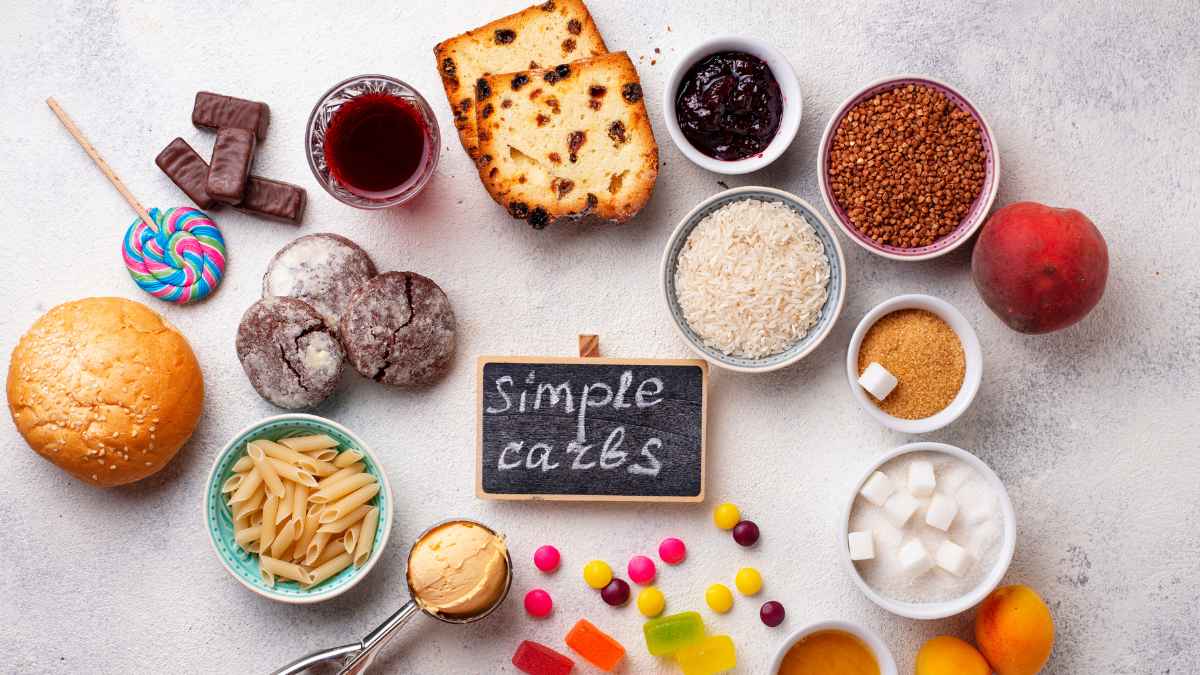
Carbohydrates are one of the three macronutrients, alongside proteins and fats, that are essential for human health. They are composed of carbon, hydrogen, and oxygen atoms and are primarily found in plant-based foods. Carbohydrates are categorized into three main types: sugars, starches, and fibers. Sugars are simple carbohydrates, while starches and fibers are complex carbohydrates. Each type plays a unique role in the body’s metabolic processes.
The primary function of carbohydrates is to provide energy. When consumed, carbohydrates are broken down into glucose, which is used by the body’s cells for energy. This glucose is either used immediately or stored in the liver and muscles as glycogen for later use. The brain, in particular, relies heavily on glucose as its main energy source, making carbohydrates crucial for cognitive function.
In addition to providing energy, carbohydrates also play a role in maintaining digestive health. Dietary fibers, a type of carbohydrate, are essential for proper bowel function. They add bulk to the stool and help prevent constipation. Moreover, certain types of fiber act as prebiotics, promoting the growth of beneficial gut bacteria and supporting overall gut health.
Carbohydrates also have a role in sparing protein and preventing ketosis. When the body has sufficient carbohydrates, it uses them for energy instead of breaking down proteins. This protein-sparing effect is crucial for preserving muscle mass. Additionally, adequate carbohydrate intake prevents ketosis, a metabolic state where the body burns fat for fuel, producing ketones as a byproduct. While ketosis can be beneficial in controlled settings, such as ketogenic diets, it is not the body’s preferred state for energy production.
Understanding the different types of carbohydrates and their functions helps in making informed dietary choices. While carbohydrates are essential, not all sources are created equal. Whole grains, fruits, and vegetables provide essential nutrients and fiber, whereas refined sugars and processed foods offer little nutritional value. Balancing carbohydrate intake with other macronutrients is key to a healthy diet.
The Role of Carbohydrates in Nutrition
Carbohydrates play a multifaceted role in human nutrition, beyond just providing energy. They are involved in various physiological processes that are essential for maintaining overall health. For instance, carbohydrates are crucial for the proper functioning of the central nervous system. The brain requires a constant supply of glucose, and a lack of carbohydrates can lead to cognitive impairments, mood swings, and decreased mental performance.
In athletic performance, carbohydrates are vital. They serve as a quick and efficient source of energy, especially during high-intensity exercise. Glycogen stores in muscles are the primary fuel during such activities, and depleting these stores can lead to fatigue and decreased performance. This is why athletes often consume carbohydrate-rich foods before and after workouts to replenish glycogen levels and enhance recovery.
Carbohydrates also influence metabolic health. Diets high in refined carbohydrates and sugars can lead to insulin resistance, a precursor to type 2 diabetes. Conversely, consuming complex carbohydrates with a low glycemic index can help maintain stable blood sugar levels. Whole grains, legumes, and vegetables are examples of low-glycemic foods that provide sustained energy without causing spikes in blood sugar.
Another important aspect of carbohydrates is their role in satiety and weight management. Foods high in fiber, such as whole grains and vegetables, tend to be more filling and can help control appetite. Fiber slows down digestion and prolongs the feeling of fullness, which can be beneficial for weight management. Diets rich in fiber are also associated with a lower risk of obesity and related health conditions.
Carbohydrates also contribute to the intake of essential nutrients. Many carbohydrate-rich foods, such as fruits, vegetables, and whole grains, are packed with vitamins, minerals, and antioxidants. These nutrients are vital for various bodily functions, including immune support, bone health, and the prevention of chronic diseases. A diet that includes a variety of carbohydrate sources ensures a well-rounded intake of essential nutrients.
In summary, carbohydrates are indispensable in human nutrition. They provide energy, support cognitive and physical performance, influence metabolic health, aid in weight management, and contribute to the intake of essential nutrients. Understanding their role helps in making informed dietary choices that promote overall health and well-being.
Foods Naturally Free from Carbohydrates
For individuals seeking to reduce or eliminate carbohydrate intake, it is essential to identify foods that are naturally free from carbohydrates. These foods can be incorporated into various dietary plans to help achieve specific health goals, such as weight loss, improved metabolic health, or better blood sugar control.
One of the primary categories of zero-carb foods is animal-based proteins. These include meats such as beef, pork, lamb, and poultry. These foods are composed primarily of protein and fat, with negligible amounts of carbohydrates. For instance, a serving of grilled chicken breast contains virtually no carbohydrates, making it an excellent choice for a low-carb diet.
Seafood is another category of foods that are naturally free from carbohydrates. Fish such as salmon, tuna, and cod, as well as shellfish like shrimp, crab, and lobster, are rich in protein and healthy fats while being devoid of carbs. These foods are also excellent sources of omega-3 fatty acids, which have numerous health benefits, including reducing inflammation and supporting heart health.
Eggs are a versatile and nutrient-dense food that is free from carbohydrates. They can be prepared in various ways, such as boiled, scrambled, or poached, and can be included in different meals throughout the day. Eggs are also rich in essential nutrients like choline, which supports brain health, and vitamin D, which is important for bone health.
Certain dairy products are also naturally low in carbohydrates. For example, cheese, particularly hard cheeses like cheddar, parmesan, and gouda, contain minimal carbs. Butter and cream are other dairy options that are virtually free from carbohydrates. These foods can add flavor and richness to meals without contributing to carbohydrate intake.
Non-starchy vegetables are another group of foods that are low in carbohydrates. While not completely carb-free, vegetables such as spinach, kale, broccoli, and cauliflower contain very low amounts of carbohydrates and are rich in vitamins, minerals, and fiber. These vegetables can be included in a low-carb diet to provide essential nutrients while keeping carbohydrate intake minimal.
Incorporating these naturally carb-free foods into your diet can help you achieve your nutritional goals while ensuring you receive essential nutrients. By focusing on animal-based proteins, seafood, eggs, certain dairy products, and non-starchy vegetables, you can create a balanced and satisfying low-carb meal plan.
Protein-Rich Foods Without Carbohydrates
Protein is a crucial macronutrient that supports muscle growth, repair, and overall bodily functions. For those following a low-carb or ketogenic diet, finding protein-rich foods without carbohydrates is essential. Fortunately, there are several options available that can meet your protein needs without adding carbs to your diet.
Lean meats are an excellent source of protein and are naturally free from carbohydrates. Beef, pork, lamb, and poultry such as chicken and turkey are all great options. These meats can be prepared in various ways, including grilling, roasting, or sautéing, to create delicious and satisfying meals. Opt for cuts that are minimally processed to avoid hidden carbs from additives or marinades.
Fish and seafood are also protein-rich foods that contain no carbohydrates. Fish such as salmon, trout, and mackerel are not only high in protein but also rich in omega-3 fatty acids, which support heart health and reduce inflammation. Shellfish like shrimp, crab, and scallops are other excellent options that provide high-quality protein without carbs.
Eggs are a versatile and nutrient-dense food that is free from carbohydrates. A single large egg contains about 6 grams of protein and is packed with essential nutrients such as choline, which supports brain health, and vitamin B12, which is important for red blood cell formation. Eggs can be included in various meals, from breakfast to dinner, making them a convenient and protein-rich option.
Certain dairy products are also protein-rich and low in carbohydrates. Cheese, particularly hard cheeses like cheddar, gouda, and parmesan, contains minimal carbs while providing a good amount of protein. Greek yogurt is another dairy option that is high in protein and can be included in a low-carb diet. However, it is essential to choose plain, unsweetened varieties to avoid added sugars.
Plant-based protein sources can also be included in a low-carb diet, though they may contain small amounts of carbohydrates. Tofu and tempeh, made from soybeans, are excellent sources of plant-based protein and can be used in various dishes. Additionally, seitan, made from wheat gluten, is a high-protein, low-carb option for those following a vegetarian or vegan diet.
Incorporating these protein-rich, carb-free foods into your diet can help you meet your protein needs while adhering to a low-carb or ketogenic eating plan. By focusing on lean meats, fish, seafood, eggs, certain dairy products, and plant-based proteins, you can create balanced and nutritious meals that support your health goals.
Fats and Oils: Zero-Carb Options
Fats and oils are essential components of a balanced diet, providing energy, supporting cell function, and aiding in the absorption of fat-soluble vitamins. For those following a low-carb or ketogenic diet, fats and oils are particularly important as they serve as the primary source of energy. Fortunately, there are several zero-carb options available that can be incorporated into your meals.
Olive oil is a popular and healthy fat that contains no carbohydrates. It is rich in monounsaturated fats, which have been shown to support heart health by reducing bad cholesterol levels. Olive oil is versatile and can be used for cooking, salad dressings, and drizzling over vegetables. Extra virgin olive oil, in particular, retains more nutrients and antioxidants compared to refined varieties.
Coconut oil is another zero-carb fat that is widely used in low-carb and ketogenic diets. It is high in medium-chain triglycerides (MCTs), which are easily absorbed and converted into energy by the body. Coconut oil can be used for cooking, baking, and adding to beverages like coffee or smoothies. Its unique flavor also adds a tropical twist to various dishes.
Butter is a traditional fat that is naturally free from carbohydrates. It is rich in saturated fats and provides a good source of fat-soluble vitamins such as vitamin A, D, E, and K. Grass-fed butter, in particular, contains higher levels of beneficial nutrients like conjugated linoleic acid (CLA) and omega-3 fatty acids. Butter can be used for cooking, baking, and as a spread.
Avocado oil is another healthy fat option that contains no carbohydrates. It is rich in monounsaturated fats and has a high smoke point, making it suitable for cooking at high temperatures. Avocado oil can be used in salad dressings, marinades, and for sautéing vegetables. It also has a mild flavor that complements a variety of dishes.
Ghee, or clarified butter, is a zero-carb fat that is commonly used in Indian cuisine. It is made by simmering butter to remove the water and milk solids, resulting in a pure fat that is rich in flavor and nutrients. Ghee has a high smoke point, making it ideal for cooking at high temperatures. It can be used in place of butter or oil in various recipes.
Incorporating these zero-carb fats and oils into your diet can help you meet your energy needs while adhering to a low-carb or ketogenic eating plan. By focusing on healthy fats like olive oil, coconut oil, butter, avocado oil, and ghee, you can create delicious and satisfying meals that support your health goals.
Non-Carb Beverages and Their Benefits
Staying hydrated is essential for overall health, and choosing the right beverages is crucial for those following a low-carb or ketogenic diet. Fortunately, there are several non-carb beverages available that can be enjoyed without disrupting your dietary goals. These beverages not only provide hydration but also offer various health benefits.
Water is the most basic and essential non-carb beverage. It is crucial for maintaining hydration, supporting metabolic processes, and regulating body temperature. Drinking adequate amounts of water throughout the day helps flush out toxins, supports kidney function, and promotes healthy skin. For added flavor, you can infuse water with slices of lemon, cucumber, or mint.
Herbal teas are another excellent non-carb beverage option. They are made from the leaves, flowers, seeds, or roots of various plants and contain no carbohydrates. Herbal teas come in a variety of flavors and can offer health benefits depending on the ingredients used. For example, chamomile tea is known for its calming effects, while peppermint tea can aid in digestion.
Black coffee is a popular non-carb beverage that can be enjoyed on a low-carb or ketogenic diet. It contains no carbohydrates and is rich in antioxidants. Coffee can boost energy levels, improve mental focus, and enhance physical performance. However, it is essential to avoid adding sugar or high-carb creamers. Instead, opt for a splash of heavy cream or a sugar-free sweetener if desired.
Green tea is another non-carb beverage that offers numerous health benefits. It is rich in antioxidants, particularly catechins, which have been shown to support heart health, boost metabolism, and promote fat loss. Green tea also contains a moderate amount of caffeine, providing a gentle energy boost without the jitters associated with coffee.
Bone broth is a nutrient-dense non-carb beverage that is gaining popularity in low-carb and ketogenic circles. It is made by simmering animal bones and connective tissues, resulting in a broth rich in collagen, amino acids, and minerals. Bone broth can support joint health, improve gut health, and provide a source of electrolytes, which are essential for maintaining hydration and preventing keto flu.
Incorporating these non-carb beverages into your daily routine can help you stay hydrated and support your overall health while adhering to a low-carb or ketogenic diet. By choosing water, herbal teas, black coffee, green tea, and bone broth, you can enjoy a variety of flavors and health benefits without compromising your dietary goals.
Conclusion:
Understanding which foods do not contain carbohydrates is essential for individuals following low-carb or ketogenic diets. By focusing on naturally carb-free foods such as lean meats, seafood, eggs, certain dairy products, and non-starchy vegetables, you can create a balanced and nutritious meal plan. Additionally, incorporating protein-rich foods, zero-carb fats and oils, and non-carb beverages can help you meet your nutritional needs while adhering to your dietary goals. Making informed choices about your food and beverage intake can support your overall health and well-being.
Read More…
-
Harvard T.H. Chan School of Public Health: Carbohydrates
- This resource provides comprehensive information on the types of carbohydrates, their functions, and their role in a healthy diet.
-
Mayo Clinic: Low-Carb Diet: Can It Help You Lose Weight?
- This article explores the benefits and potential risks of low-carb diets, offering insights into how they can support weight loss and overall health.
-
National Institutes of Health: Dietary Fats
- This resource provides detailed information on different types of dietary fats, their health benefits, and how to incorporate them into a balanced diet.
-
American Heart Association: Protein and Heart Health
- This article discusses the importance of protein in a heart-healthy diet and offers guidance on choosing high-quality protein sources.
-
Cleveland Clinic: Hydration: Why It’s So Important
- This resource emphasizes the importance of hydration, the benefits of various non-carb beverages, and tips for maintaining proper hydration levels.