

Introduction:
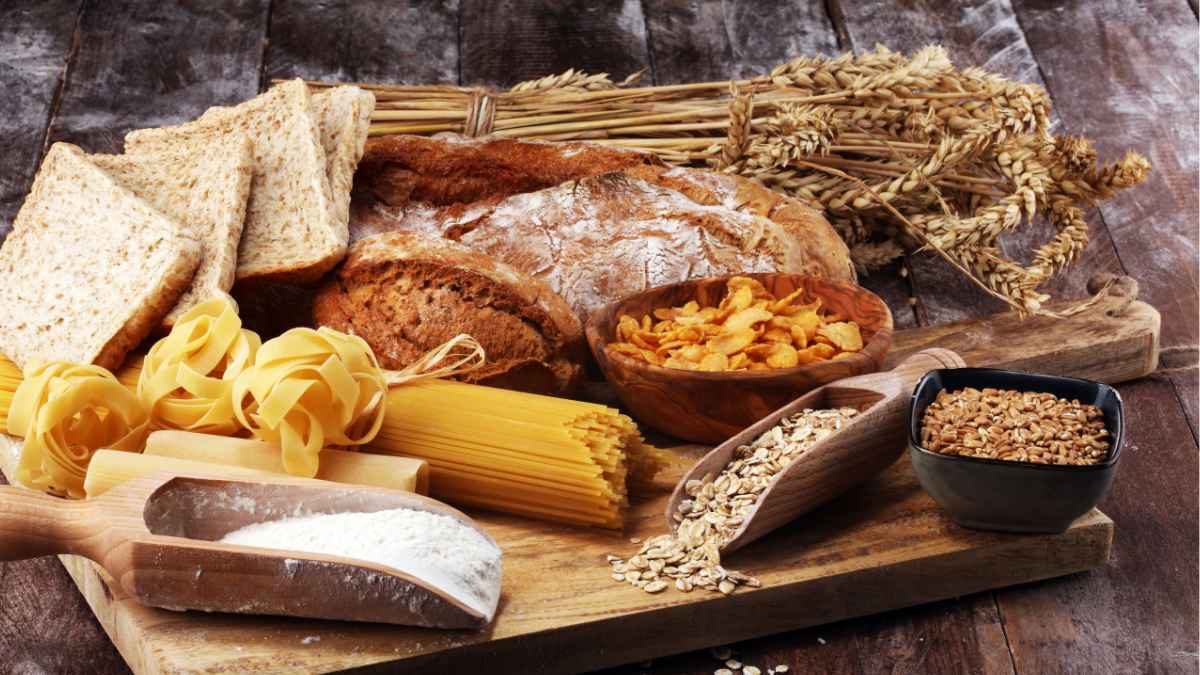
Carbohydrates are one of the three macronutrients essential for human nutrition, alongside proteins and fats. They play a crucial role in providing energy, especially for the brain and muscles during physical activity. However, with the rise of low-carb diets, many individuals are seeking foods that are devoid of carbohydrates. Understanding which foods fall into this category can be beneficial for those looking to reduce their carbohydrate intake for weight management, blood sugar control, or other health-related reasons. This article will explore the types of carbohydrates, the significance of low-carb diets, and identify various foods that contain no carbohydrates, including protein-rich options and fats.
Understanding Carbohydrates: A Brief Overview of Types
Carbohydrates can be classified into three main categories: simple carbohydrates, complex carbohydrates, and fiber. Simple carbohydrates, often referred to as sugars, are quickly absorbed by the body and can lead to rapid spikes in blood glucose levels. Common sources include fruits, honey, and refined sugars. Complex carbohydrates, on the other hand, consist of longer chains of sugar molecules and are found in foods such as whole grains, legumes, and starchy vegetables. These are digested more slowly, providing a more gradual release of energy.
Fiber, while technically a carbohydrate, is not digested by the body and thus does not contribute to caloric intake. It plays a vital role in digestive health and can be found in fruits, vegetables, whole grains, and legumes. Understanding these distinctions is crucial for anyone considering a low-carb diet, as it allows for informed choices regarding food selection and nutritional balance.
In the context of dietary choices, carbohydrates are often viewed with skepticism, especially in light of their association with weight gain and metabolic disorders. However, it’s important to recognize that not all carbohydrates are created equal. While refined sugars and processed foods can lead to negative health outcomes, whole food sources of carbohydrates can provide essential nutrients and fiber that promote overall health.
Ultimately, the goal of a low-carb diet is to minimize the intake of carbohydrates while maintaining a balanced and nutritious diet. This often leads individuals to seek out foods that are naturally free of carbohydrates, which can be an effective strategy for achieving their dietary goals.
The Importance of Low-Carb Diets in Nutritional Science
Low-carb diets have gained significant popularity in recent years, largely due to their potential benefits for weight loss and metabolic health. Research has shown that reducing carbohydrate intake can lead to improved insulin sensitivity, lower blood sugar levels, and enhanced fat oxidation. These effects can be particularly beneficial for individuals with type 2 diabetes or those at risk of developing metabolic syndrome.
Moreover, low-carb diets often encourage the consumption of higher amounts of protein and healthy fats, which can lead to increased satiety and reduced overall caloric intake. This shift in macronutrient composition can help individuals feel fuller for longer periods, making it easier to adhere to dietary restrictions and achieve weight loss goals.
In addition to weight management, low-carb diets have been associated with various health benefits, including improved cardiovascular markers, reduced inflammation, and better cognitive function. As a result, many healthcare professionals and nutritionists advocate for the inclusion of low-carb foods as part of a balanced diet, emphasizing the importance of whole, unprocessed options.
However, it is essential to approach low-carb diets with caution, as excessively restricting carbohydrates can lead to nutrient deficiencies and other health complications. Therefore, understanding which foods are naturally free of carbohydrates can help individuals make informed decisions while maintaining a balanced intake of essential nutrients.
Identifying Foods That Are Naturally Free of Carbohydrates
When searching for foods that contain no carbohydrates, it is essential to focus on whole, unprocessed options. Many animal-based foods are naturally devoid of carbohydrates, making them ideal choices for low-carb diets. For instance, meats such as beef, pork, chicken, and turkey are all excellent sources of protein and contain no carbs. Additionally, fish and seafood, including salmon, tuna, and shrimp, are rich in protein and healthy fats while being completely free of carbohydrates.
Eggs are another fantastic source of protein that contains no carbohydrates. They are versatile and can be prepared in various ways, making them a staple in many low-carb diets. Dairy products, particularly those that are full-fat and unsweetened, such as cheese and heavy cream, also provide a low-carb option, although it is essential to check labels for any added sugars or carbohydrates.
In the realm of vegetables, certain non-starchy options are very low in carbohydrates and can be included in a low-carb diet. Leafy greens like spinach, kale, and lettuce, as well as cruciferous vegetables like broccoli and cauliflower, are excellent choices. While these vegetables do contain some carbohydrates, the amounts are minimal and can be considered negligible in the context of a low-carb diet.
Ultimately, identifying foods that are naturally free of carbohydrates requires a focus on whole, minimally processed options. By prioritizing animal-based proteins, eggs, and low-carb vegetables, individuals can effectively reduce their carbohydrate intake while still enjoying a diverse and nutritious diet.
Analyzing Protein-Rich Foods with Zero Carbohydrate Content
Protein-rich foods are a cornerstone of low-carb diets, providing essential amino acids that support muscle growth, repair, and overall health. Many protein sources are naturally free of carbohydrates, making them ideal for those looking to minimize their carb intake. For instance, lean meats, such as chicken breast and turkey, are excellent sources of protein without any carbohydrate content. These foods can be grilled, roasted, or sautéed to create satisfying meals that align with low-carb principles.
Fish and seafood are also outstanding options for protein, as they are not only carb-free but also rich in omega-3 fatty acids, which are beneficial for heart health. Fatty fish like salmon and mackerel provide a wealth of nutrients while keeping carbohydrate levels at zero. Shellfish, such as shrimp and crab, are equally nutritious and versatile, making them suitable for various culinary applications.
Eggs stand out as a unique protein source due to their complete amino acid profile and versatility in cooking. They can be boiled, scrambled, poached, or made into omelets, providing a satisfying meal option without any carbohydrates. Additionally, eggs contain essential vitamins and minerals, making them a nutrient-dense choice for those on a low-carb diet.
Dairy products, particularly those that are high in fat and low in sugar, can also contribute to a low-carb diet. Cheeses like cheddar, mozzarella, and cream cheese are rich in protein and can be enjoyed in various dishes. Greek yogurt, while it contains some carbohydrates, can be included in moderation due to its high protein content and probiotic benefits. Overall, incorporating these protein-rich foods into a low-carb diet can help individuals meet their nutritional needs while minimizing carbohydrate intake.
Exploring Fats and Oils: Carbohydrate-Free Options Available
Fats and oils are essential components of a low-carb diet, providing a concentrated source of energy while containing no carbohydrates. Healthy fats are vital for hormone production, nutrient absorption, and overall cellular function. Various sources of fats can be included in a low-carb diet, with many options being completely free of carbohydrates.
Oils such as olive oil, coconut oil, and avocado oil are excellent choices for cooking and salad dressings. These oils not only add flavor but also provide healthy monounsaturated and saturated fats that can support heart health and reduce inflammation. They are versatile and can be used in various culinary applications, from sautéing vegetables to drizzling over salads.
Nuts and seeds are another source of healthy fats, although they do contain some carbohydrates. However, certain varieties, such as macadamia nuts and pecans, are lower in carbs compared to others. These can be enjoyed in moderation as a snack or added to dishes for added texture and flavor. Nut butters, particularly those made from almonds or macadamias, can also be included but should be consumed mindfully due to their calorie density.
Additionally, full-fat dairy products like butter, heavy cream, and ghee are excellent sources of fat that can be incorporated into a low-carb diet. These products can enhance the flavor of dishes while providing a satisfying source of energy. It’s important to choose high-quality, minimally processed options to maximize health benefits.
In summary, the world of fats and oils offers a plethora of carbohydrate-free options that can enhance flavor and nutrition in a low-carb diet. By incorporating healthy oils and fats, individuals can create satisfying meals that align with their dietary goals.
Practical Applications: Incorporating No-Carb Foods in Meals
Incorporating no-carb foods into daily meals can be both enjoyable and nutritious. Planning is key to successfully navigating a low-carb lifestyle. Start by creating a meal plan that emphasizes protein-rich foods, healthy fats, and low-carb vegetables. For breakfast, consider options like scrambled eggs with spinach and cheese, or a hearty omelet filled with vegetables and avocado.
For lunch, salads can be a fantastic way to include no-carb foods. Start with a base of leafy greens, add grilled chicken or tuna, and top with olive oil and vinegar dressing. Incorporating cheese, nuts, or seeds can enhance flavor and texture while keeping carbohydrate levels low.
Dinner can feature a variety of protein sources, such as grilled steak or baked salmon, paired with non-starchy vegetables like broccoli or cauliflower. Roasting vegetables in olive oil can bring out their natural flavors while keeping the meal low in carbs.
Snacking can also be adapted to a low-carb diet by choosing foods like cheese sticks, hard-boiled eggs, or a small handful of nuts. These options provide satiety without the added carbohydrates found in traditional snacks. By being creative and mindful about food choices, individuals can enjoy a diverse range of meals while adhering to a low-carb lifestyle.
Conclusions:
Understanding which foods are free of carbohydrates can empower individuals to make informed dietary choices, particularly for those following low-carb diets. By focusing on protein-rich foods, healthy fats, and low-carb vegetables, it is possible to create a balanced and nutritious meal plan that supports health and wellness. As with any dietary approach, it is essential to consider individual nutritional needs and consult with healthcare professionals when making significant changes to one’s diet.
Read more
- Harvard Health Publishing – The Truth About Carbs – An in-depth look at carbohydrates and their role in health.
- Mayo Clinic – Low-Carbohydrate Diets – A comprehensive overview of low-carb diets and their benefits.
- Cleveland Clinic – The Benefits of Low-Carb Diets – Insights into the advantages of reducing carbohydrate intake.
- American Heart Association – Carbohydrates: Good or Bad? – A balanced perspective on carbohydrates and their health implications.
- Nutrition.gov – Carbohydrates – A government resource providing information on carbohydrates and dietary recommendations.