
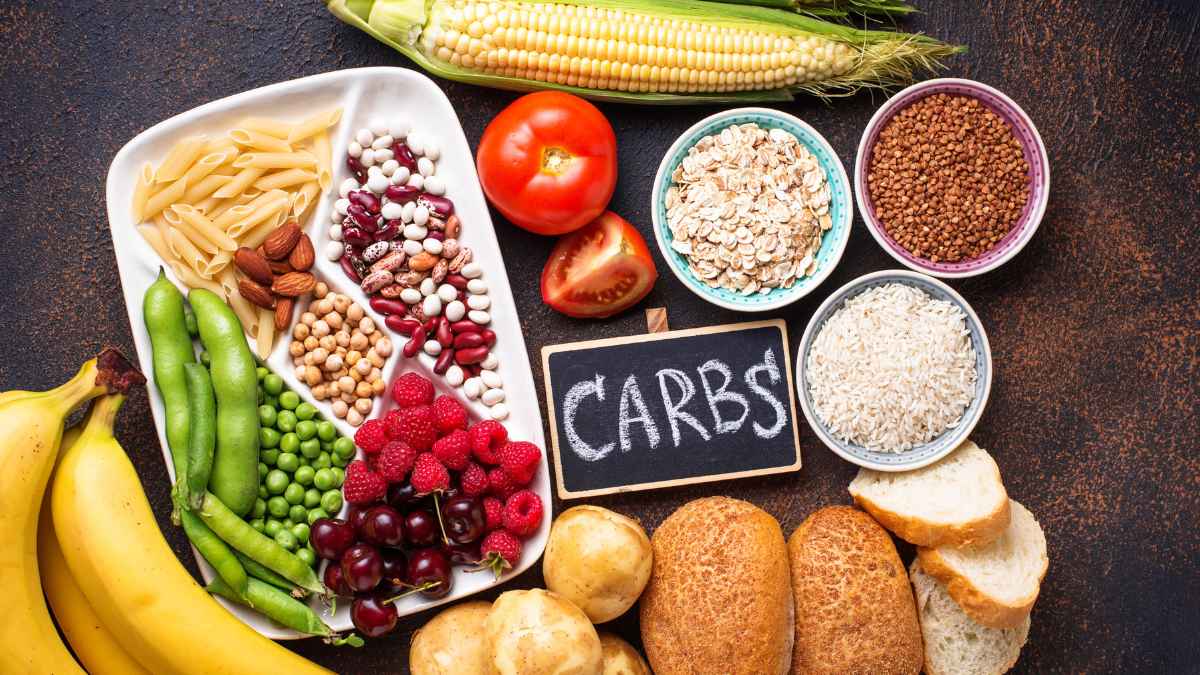

Introduction:
When it comes to managing dietary intake, carbohydrates often become a focal point, especially for those following low-carb or ketogenic diets. Fruits, while nutritious, are commonly perceived as high in carbohydrates due to their natural sugar content. However, not all fruits are created equal in this regard. This article delves into the concept of carbohydrate-free fruits, examining their nutritional profiles, health benefits, and common misconceptions. We will also provide expert tips on how to incorporate these fruits into your diet effectively.
Understanding Carbohydrates in Fruits
Carbohydrates are one of the three macronutrients essential for human health, the other two being proteins and fats. They are the body’s primary source of energy and are found in various forms, including sugars, starches, and fibers. In fruits, carbohydrates predominantly exist as sugars, such as glucose, fructose, and sucrose. These sugars provide the sweetness we associate with fruits and contribute to their caloric content.
Fruits also contain dietary fiber, a type of carbohydrate that the body cannot digest. Fiber plays a crucial role in maintaining digestive health, regulating blood sugar levels, and promoting satiety. However, when discussing carbohydrate content, it’s essential to distinguish between digestible sugars and non-digestible fibers.
The carbohydrate content in fruits can vary significantly. For example, berries like strawberries and raspberries have relatively low carbohydrate levels, while tropical fruits like bananas and mangoes are higher in sugars. Understanding these differences is vital for anyone looking to manage their carbohydrate intake.
It’s also worth noting that the ripeness of a fruit can affect its carbohydrate content. As fruits ripen, their starches convert into sugars, increasing their overall carbohydrate levels. This transformation is why ripe bananas are sweeter and contain more carbs than their green counterparts.
While carbohydrates are essential for energy, excessive intake can lead to weight gain and other health issues, particularly for individuals with insulin resistance or diabetes. Therefore, understanding the carbohydrate content in fruits is crucial for making informed dietary choices.
In summary, carbohydrates in fruits come in various forms and quantities. Knowing these details can help individuals tailor their diets to meet specific health goals, whether it’s weight management, blood sugar control, or overall wellness.
Defining Carbohydrate-Free Fruits
The term "carbohydrate-free fruits" might seem contradictory, given that most fruits contain some level of carbohydrates. However, there are fruits that are extremely low in carbs, often to the point of being negligible. These fruits can be considered "carbohydrate-free" for practical dietary purposes, especially for those adhering to strict low-carb or ketogenic diets.
One example of a fruit that is often considered carbohydrate-free is the avocado. While technically a fruit, avocados are low in carbohydrates and high in healthy fats. A typical avocado contains less than 2 grams of net carbs per 100 grams, making it an excellent choice for low-carb diets.
Another example is the olive. Olives are another fruit that is low in carbs and high in fats. They contain about 3 grams of net carbs per 100 grams, which is relatively low compared to other fruits. Olives are also rich in antioxidants and healthy monounsaturated fats.
Cucumbers, often mistaken for vegetables, are technically fruits and are very low in carbohydrates. A 100-gram serving of cucumber contains only about 3.6 grams of carbs, most of which are fiber, making the net carb content very low.
Tomatoes, another fruit often categorized as a vegetable, are also low in carbohydrates. A medium-sized tomato contains about 5 grams of carbs, with around 1.5 grams of fiber, resulting in a net carb content of approximately 3.5 grams.
Rhubarb is another fruit that is extremely low in carbs. A 100-gram serving of rhubarb contains only about 4 grams of carbs, with almost half of that being fiber. This makes rhubarb a suitable option for those looking to minimize their carbohydrate intake.
In conclusion, while true "carbohydrate-free" fruits are rare, several fruits are exceptionally low in carbs and can be included in low-carb and ketogenic diets. These fruits provide essential nutrients without significantly impacting carbohydrate intake.
Nutritional Profile of Zero-Carb Fruits
Understanding the nutritional profile of low-carb fruits is essential for incorporating them into a balanced diet. These fruits offer a range of vitamins, minerals, and other beneficial compounds, despite their low carbohydrate content.
Avocados are a powerhouse of nutrition. They are rich in monounsaturated fats, which are heart-healthy and can help reduce bad cholesterol levels. Avocados also provide significant amounts of potassium, which is essential for maintaining proper heart and muscle function. Additionally, they contain vitamins E, K, and several B vitamins, making them a nutrient-dense choice.
Olives are another nutrient-rich, low-carb fruit. They are high in healthy fats, particularly oleic acid, which has anti-inflammatory properties. Olives also contain antioxidants like vitamin E and polyphenols, which can help protect against oxidative stress and inflammation. Furthermore, they provide small amounts of iron, calcium, and copper.
Cucumbers, while low in calories and carbs, are high in water content, making them an excellent hydrating food. They also contain small amounts of vitamin K, which is important for blood clotting and bone health. Cucumbers provide antioxidants like beta-carotene and flavonoids, which can help reduce inflammation and protect against chronic diseases.
Tomatoes are rich in several essential nutrients, including vitamin C, potassium, folate, and vitamin K. They are also a significant source of lycopene, an antioxidant linked to numerous health benefits, including reduced risk of heart disease and certain cancers. Despite their low carb content, tomatoes offer a robust nutritional profile.
Rhubarb, although not commonly consumed as a fruit, provides a good source of vitamin K, which is vital for bone health and blood clotting. It also contains small amounts of vitamin C, calcium, and potassium. Rhubarb is rich in fiber, which aids in digestion and helps maintain a healthy gut.
In summary, low-carb fruits like avocados, olives, cucumbers, tomatoes, and rhubarb offer a variety of essential nutrients. These fruits can be valuable additions to a low-carb diet, providing necessary vitamins, minerals, and antioxidants without significantly impacting carbohydrate intake.
Health Benefits of Carbohydrate-Free Fruits
Incorporating low-carb fruits into your diet can offer numerous health benefits, ranging from improved heart health to better weight management. These fruits provide essential nutrients while keeping carbohydrate intake in check, making them suitable for various dietary needs.
One of the primary benefits of low-carb fruits like avocados and olives is their high content of healthy fats. Monounsaturated fats found in these fruits can help reduce bad cholesterol levels, thereby lowering the risk of heart disease. These fats also provide a steady source of energy, which is particularly beneficial for those following ketogenic diets.
Low-carb fruits are also rich in antioxidants, which play a crucial role in protecting the body against oxidative stress and inflammation. For instance, tomatoes contain lycopene, an antioxidant linked to a reduced risk of heart disease and certain cancers. Similarly, olives are rich in polyphenols, which have anti-inflammatory properties and can help protect against chronic diseases.
Another significant benefit is the high fiber content in some low-carb fruits. Fiber is essential for maintaining digestive health, regulating blood sugar levels, and promoting satiety. Fruits like cucumbers and rhubarb are excellent sources of dietary fiber, which can aid in weight management by keeping you full for longer periods.
Low-carb fruits are also hydrating, thanks to their high water content. Cucumbers, for example, are composed of about 95% water, making them an excellent choice for staying hydrated. Proper hydration is essential for various bodily functions, including temperature regulation, nutrient transport, and waste elimination.
These fruits also provide essential vitamins and minerals that contribute to overall health. For example, avocados are rich in potassium, which is crucial for heart and muscle function. Tomatoes provide vitamin C, which supports the immune system, and vitamin K, which is vital for bone health.
In conclusion, low-carb fruits offer a range of health benefits, from improved heart health and better weight management to enhanced hydration and nutrient intake. Incorporating these fruits into your diet can help you achieve a balanced and nutritious eating plan while keeping carbohydrate intake low.
Common Misconceptions About Fruit Carbs
There are several misconceptions about the carbohydrate content in fruits that can lead to confusion and misguided dietary choices. Understanding these misconceptions is crucial for making informed decisions about fruit consumption, especially for those following low-carb or ketogenic diets.
One common misconception is that all fruits are high in carbohydrates and should be avoided on low-carb diets. While it’s true that some fruits, like bananas and grapes, are high in sugars, many others are relatively low in carbs. Fruits like avocados, olives, cucumbers, and tomatoes can be included in low-carb diets without significantly impacting carbohydrate intake.
Another misconception is that the natural sugars in fruits are as harmful as added sugars found in processed foods. Natural sugars in fruits come with fiber, vitamins, minerals, and antioxidants, which can mitigate the negative effects of sugar. In contrast, added sugars in processed foods provide empty calories with little to no nutritional value.
Some people believe that fruit juices are a healthy alternative to whole fruits. However, fruit juices often contain concentrated sugars and lack the fiber found in whole fruits. This can lead to rapid spikes in blood sugar levels, making fruit juices less suitable for low-carb diets compared to whole fruits.
There’s also a misconception that dried fruits are a good low-carb snack option. While dried fruits are convenient and can be nutritious, they are often high in concentrated sugars and calories. The drying process removes water, concentrating the sugars and increasing the carbohydrate content per serving.
Another common belief is that the carbohydrate content in fruits remains constant regardless of ripeness. In reality, as fruits ripen, their starches convert into sugars, increasing their carbohydrate content. This is why a ripe banana contains more carbs than a green one.
In summary, not all fruits are high in carbohydrates, and the natural sugars in fruits are not as harmful as added sugars. Whole fruits are generally better than fruit juices, and dried fruits can be high in carbs. Understanding these misconceptions can help individuals make better dietary choices and effectively manage their carbohydrate intake.
Expert Tips on Incorporating Zero-Carb Fruits
Incorporating low-carb fruits into your diet can be both enjoyable and beneficial for your health. Here are some expert tips to help you make the most of these nutritious options while keeping your carbohydrate intake in check.
First, consider using avocados as a versatile ingredient in your meals. They can be added to salads, smoothies, or even used as a spread on low-carb bread. Their creamy texture and rich flavor make them a satisfying addition to various dishes, providing healthy fats and essential nutrients.
Olives can be a great snack or addition to salads and Mediterranean dishes. They are not only low in carbs but also high in healthy fats and antioxidants. You can also use olive oil as a dressing or cooking oil to reap the benefits of this low-carb fruit.
Cucumbers are an excellent hydrating snack that can be enjoyed on their own or added to salads. You can also use cucumber slices as a low-carb alternative to crackers for dips. Their high water content and low calorie count make them a refreshing and healthy choice.
Tomatoes can be incorporated into your diet in various ways. They can be eaten raw in salads, cooked in sauces, or even roasted as a side dish. Tomatoes are rich in vitamins and antioxidants, making them a nutritious addition to any meal.
Rhubarb can be used in both sweet and savory dishes. While it’s often associated with desserts, you can also use it in salads or as a tangy addition to meat dishes. Remember to sweeten rhubarb with low-carb sweeteners if you’re making a dessert to keep the carbohydrate content low.
Lastly, consider growing your own low-carb fruits if you have the space and resources. Homegrown fruits can be more nutritious and free from pesticides. Plus, gardening can be a rewarding and stress-relieving activity.
In conclusion, there are numerous ways to incorporate low-carb fruits into your diet. From using avocados in smoothies to adding cucumbers to salads, these fruits can enhance your meals while keeping your carbohydrate intake low. Experiment with different recipes and enjoy the health benefits these fruits have to offer.
Conclusion:
Low-carb fruits offer a range of nutritional benefits while keeping carbohydrate intake minimal. Understanding the carbohydrate content in fruits and incorporating low-carb options like avocados, olives, cucumbers, tomatoes, and rhubarb can help you achieve a balanced and nutritious diet. These fruits provide essential vitamins, minerals, and antioxidants, contributing to overall health and well-being. By dispelling common misconceptions and following expert tips, you can enjoy the benefits of low-carb fruits without compromising on taste or nutrition.
Read More…
- Healthline: The Best Low-Carb Fruits – A comprehensive guide to low-carb fruits, including their nutritional profiles and health benefits.
- Medical News Today: Low-Carb Fruits and Vegetables – An article detailing various low-carb fruits and vegetables and their impact on health.
- Diet Doctor: Low-Carb Fruits – The Best and the Worst – A detailed analysis of different fruits and their carbohydrate content, helping you make informed dietary choices.
- WebMD: Low-Carb Fruits That Are Healthy and Delicious – A slideshow featuring low-carb fruits that are both nutritious and tasty.
- Verywell Fit: Low-Carb Fruits List – A list of low-carb fruits along with their nutritional information and tips for incorporating them into your diet.