
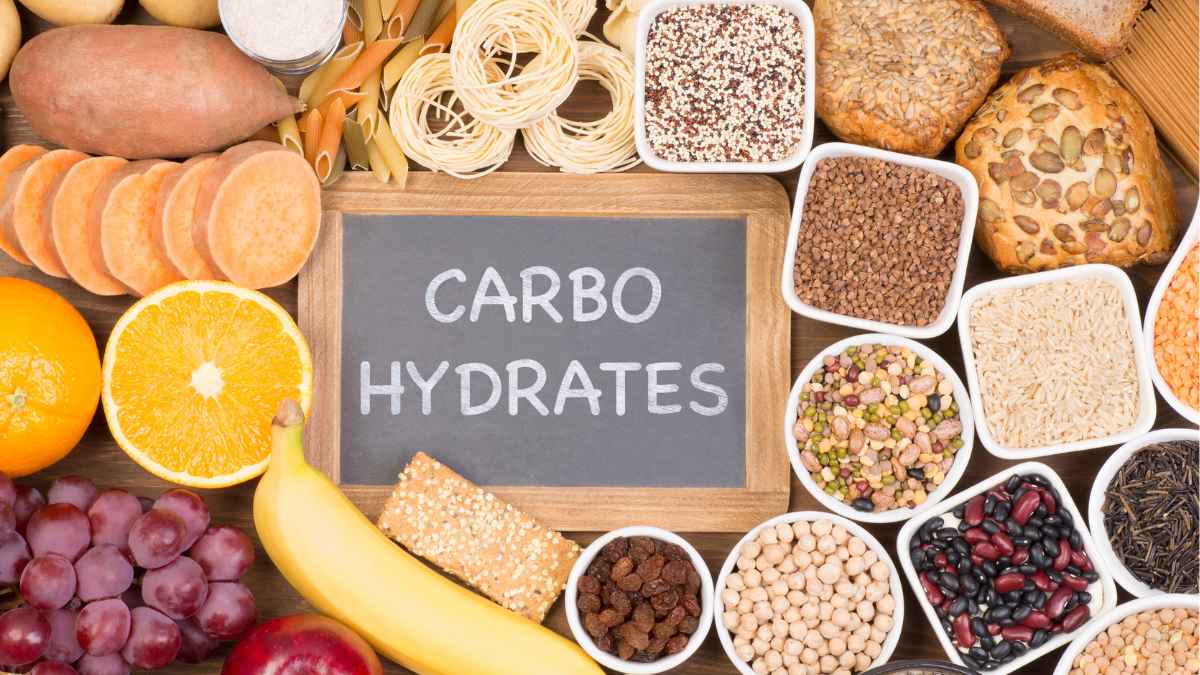

Introduction: The debate between potatoes and rice often centers around their carbohydrate content, as both are staples in many diets worldwide. Understanding which of these foods has more carbohydrates can help individuals make informed dietary choices, especially those managing conditions like diabetes or following specific nutritional plans. In this article, we delve into the carbohydrate content of potatoes and rice, examining their nutritional profiles and the factors that influence their carbohydrate levels.
Introduction to Carbohydrate Content in Foods
Carbohydrates are a primary source of energy for the human body, playing a crucial role in our overall health and well-being. They are found in various foods, including grains, vegetables, fruits, and legumes. Carbohydrates can be classified into simple and complex forms, with the latter being more beneficial due to their slower digestion and sustained energy release.
Understanding the carbohydrate content in foods is essential for managing energy levels, blood sugar, and overall health. Foods high in carbohydrates can significantly impact blood sugar levels, making it important for individuals, especially those with diabetes, to monitor their intake carefully. This is where the comparison between common staples like potatoes and rice becomes relevant.
Both potatoes and rice are rich in carbohydrates, but they differ in their types and amounts. Potatoes are tubers, while rice is a grain, and these differences influence their nutritional compositions. Additionally, the way these foods are prepared and consumed can affect their carbohydrate content and glycemic index.
The glycemic index (GI) is a measure of how quickly a carbohydrate-containing food raises blood sugar levels. Foods with a high GI can cause rapid spikes in blood sugar, while those with a low GI provide a slower, more gradual release of glucose. This index is an important consideration for those looking to manage their carbohydrate intake effectively.
In the following sections, we will explore the nutritional profiles of potatoes and rice in detail, comparing their carbohydrate content and examining the factors that influence these levels. This analysis will provide a clearer understanding of which food may be more suitable for different dietary needs.
Nutritional Profile of Potatoes
Potatoes are a versatile and widely consumed vegetable known for their high carbohydrate content. They are rich in vitamins, minerals, and dietary fiber, making them a nutritious addition to many diets. A medium-sized potato (about 150 grams) typically contains around 26 grams of carbohydrates, with a significant portion coming from starch.
In addition to carbohydrates, potatoes provide essential nutrients such as vitamin C, potassium, and vitamin B6. Vitamin C is a powerful antioxidant that supports the immune system, while potassium is crucial for maintaining healthy blood pressure levels. Vitamin B6 plays a role in brain health and the production of neurotransmitters.
The carbohydrate content in potatoes can vary depending on the type and preparation method. For instance, sweet potatoes have a slightly lower carbohydrate content compared to white potatoes but are higher in fiber and certain vitamins. Boiling, baking, or steaming potatoes can preserve their nutritional value, while frying can increase their calorie content and affect their glycemic index.
Potatoes also contain resistant starch, a type of carbohydrate that resists digestion in the small intestine and acts as a prebiotic, promoting gut health. Resistant starch can help regulate blood sugar levels and improve insulin sensitivity, making potatoes a beneficial food for those managing diabetes.
However, the glycemic index of potatoes can be relatively high, especially when they are cooked and consumed without the skin. This means they can cause a rapid increase in blood sugar levels. To mitigate this effect, it is advisable to consume potatoes with their skin and pair them with other low-GI foods to balance the meal.
Overall, potatoes are a nutrient-dense food with a notable carbohydrate content. Their nutritional benefits extend beyond carbohydrates, offering a range of vitamins, minerals, and fiber that contribute to a healthy diet.
Nutritional Profile of Rice
Rice is a staple grain consumed by billions of people around the world. It is available in various types, including white, brown, basmati, and jasmine, each with its unique nutritional profile. A typical serving of cooked white rice (about 150 grams) contains approximately 45 grams of carbohydrates, making it a significant source of energy.
White rice is often criticized for its lower nutritional value compared to whole grain varieties like brown rice. During the milling process, white rice loses its bran and germ, which are rich in fiber, vitamins, and minerals. As a result, white rice has a higher glycemic index and can cause quicker spikes in blood sugar levels.
Brown rice, on the other hand, retains its bran and germ, making it a more nutritious option. It contains more fiber, vitamins, and minerals than white rice. A serving of cooked brown rice (about 150 grams) has around 38 grams of carbohydrates, slightly less than white rice, but with added nutritional benefits such as higher fiber content.
Rice is also a good source of essential nutrients like magnesium, phosphorus, and B vitamins. Magnesium is important for muscle and nerve function, while phosphorus plays a role in bone health. B vitamins, including thiamine and niacin, are crucial for energy metabolism and overall cellular function.
The preparation method of rice can influence its carbohydrate content and glycemic index. For example, parboiled rice has a lower glycemic index compared to regular white rice, as the parboiling process helps retain some of the nutrients and fiber. Cooking rice with a bit of oil or cooling it after cooking can also increase its resistant starch content, making it a healthier option.
Despite its high carbohydrate content, rice can be part of a balanced diet when consumed in moderation and paired with other nutrient-dense foods. Choosing whole grain varieties like brown rice can enhance its nutritional value and provide additional health benefits.
In summary, rice is a carbohydrate-rich grain with varying nutritional profiles depending on the type and preparation method. Whole grain varieties like brown rice offer more fiber and nutrients, making them a healthier choice compared to refined white rice.
Comparing Carbohydrate Content: Potatoes vs Rice
When comparing the carbohydrate content of potatoes and rice, it is essential to consider both the quantity and quality of the carbohydrates they provide. On a per-serving basis, rice generally contains more carbohydrates than potatoes. For example, a 150-gram serving of cooked white rice has about 45 grams of carbohydrates, while a similar serving of potatoes contains around 26 grams.
However, the type of carbohydrates in these foods also matters. Potatoes contain a significant amount of resistant starch, which has health benefits such as improved gut health and better blood sugar control. Rice, particularly white rice, has a higher glycemic index, meaning it can cause more rapid spikes in blood sugar levels compared to potatoes.
The preparation method can further influence the carbohydrate content and glycemic index of both foods. Boiled or steamed potatoes with the skin on have a lower glycemic index compared to mashed or fried potatoes. Similarly, parboiled or cooled rice has a lower glycemic index than freshly cooked white rice.
Another factor to consider is the overall nutritional value. While rice, especially brown rice, provides more carbohydrates per serving, potatoes offer a broader range of vitamins and minerals, including vitamin C, potassium, and vitamin B6. This makes potatoes a more nutrient-dense option despite their lower carbohydrate content.
It’s also worth noting that portion sizes and dietary context play a crucial role in determining the impact of these foods on your diet. For individuals managing diabetes or following a low-carb diet, the glycemic index and portion size of these foods should be carefully monitored to maintain stable blood sugar levels.
In conclusion, while rice generally contains more carbohydrates than potatoes, the type and quality of these carbohydrates, along with the overall nutritional profile, should be considered when making dietary choices. Both foods can be part of a balanced diet when consumed in moderation and prepared in a way that maximizes their nutritional benefits.
Factors Influencing Carbohydrate Levels
Several factors can influence the carbohydrate levels in potatoes and rice, including the type of food, preparation methods, and serving sizes. Understanding these factors can help individuals make more informed dietary choices and better manage their carbohydrate intake.
Firstly, the type of potato or rice plays a significant role in determining carbohydrate content. For instance, sweet potatoes have a slightly lower carbohydrate content compared to white potatoes but are higher in fiber and certain vitamins. Similarly, brown rice contains fewer carbohydrates than white rice but offers more fiber and nutrients.
Preparation methods also significantly impact carbohydrate levels and glycemic index. Boiling, baking, or steaming potatoes can preserve their nutritional value, while frying can increase their calorie content and glycemic index. For rice, parboiling or cooling after cooking can lower the glycemic index, making it a healthier option.
Serving size is another critical factor. Larger portions naturally contain more carbohydrates, so it’s essential to monitor portion sizes to manage carbohydrate intake effectively. For example, a smaller serving of rice or potatoes can help control blood sugar levels and prevent excessive carbohydrate consumption.
The presence of other foods in a meal can also influence the impact of carbohydrates on blood sugar levels. Pairing high-carbohydrate foods like potatoes or rice with protein, healthy fats, and fiber can slow down digestion and reduce the glycemic index of the meal. This can help maintain stable blood sugar levels and provide sustained energy.
Lastly, individual metabolic responses to carbohydrates can vary. Factors such as age, activity level, and metabolic health can influence how the body processes carbohydrates. Personalized dietary plans that consider these individual differences can be more effective in managing carbohydrate intake and overall health.
In summary, the carbohydrate levels in potatoes and rice can be influenced by various factors, including the type of food, preparation methods, serving sizes, and individual metabolic responses. By understanding and considering these factors, individuals can make more informed dietary choices and better manage their carbohydrate intake.
Conclusion: Potatoes or Rice for Carbohydrates?
Conclusion: When deciding between potatoes and rice for carbohydrates, it’s essential to consider both the quantity and quality of the carbohydrates they provide, as well as their overall nutritional profiles. Rice generally contains more carbohydrates per serving compared to potatoes, but the type of carbohydrates and their glycemic index can vary significantly.
Potatoes offer a lower carbohydrate content per serving and provide additional nutrients such as vitamin C, potassium, and vitamin B6. They also contain resistant starch, which has health benefits like improved gut health and better blood sugar control. However, their glycemic index can be high, especially when prepared in certain ways.
Rice, particularly brown rice, provides more carbohydrates per serving but also offers more fiber and nutrients compared to white rice. The preparation method can influence its glycemic index, with parboiled or cooled rice being healthier options. Rice can be part of a balanced diet when consumed in moderation and paired with other nutrient-dense foods.
Ultimately, the choice between potatoes and rice for carbohydrates depends on individual dietary needs, preferences, and health goals. Both foods can be part of a healthy diet when consumed in appropriate portions and prepared in ways that maximize their nutritional benefits. By understanding the differences in their carbohydrate content and nutritional profiles, individuals can make more informed dietary choices.
Read More…
-
Harvard T.H. Chan School of Public Health: Carbohydrates
- This resource provides an in-depth look at the role of carbohydrates in the diet, including types, sources, and health impacts.
-
American Diabetes Association: Glycemic Index and Diabetes
- This article explains the glycemic index and its importance for individuals managing diabetes, offering practical tips for choosing low-GI foods.
-
USDA FoodData Central: Potatoes, raw, flesh and skin
- The USDA database provides detailed nutritional information on various foods, including potatoes, helping users understand their nutrient content.
-
USDA FoodData Central: Rice, white, long-grain, regular, cooked
- This resource offers comprehensive nutritional data on different types of rice, allowing for a detailed comparison of their carbohydrate content.
-
Mayo Clinic: Dietary fiber: Essential for a healthy diet
- The Mayo Clinic provides valuable insights into the benefits of dietary fiber, which is an important consideration when comparing the nutritional profiles of potatoes and rice.