

Introduction:
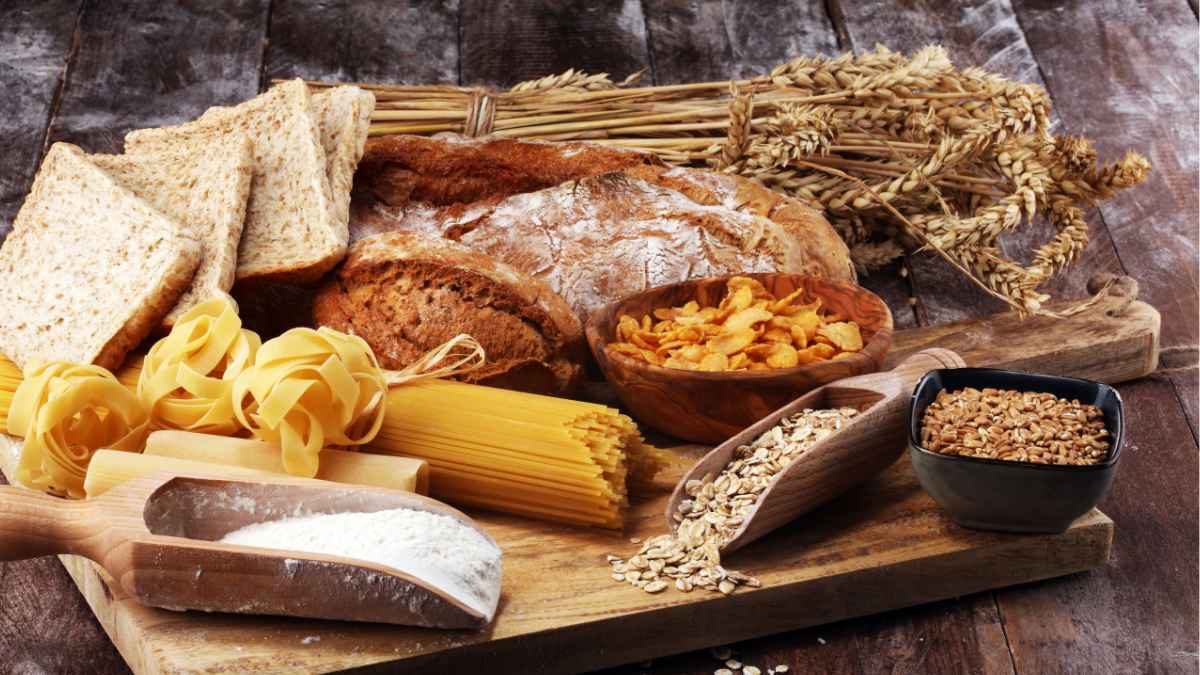
When it comes to maintaining a balanced diet, understanding the carbohydrate content in pasta is crucial, especially for those managing their carbohydrate intake due to health reasons or dietary preferences. Traditional pasta is known for its high carbohydrate content, which can be a concern for individuals following low-carb diets. This article delves into the carbohydrate content of various pasta types, factors influencing these levels, and offers insights into low-carb pasta alternatives.
Understanding Carbohydrate Content in Pasta
Carbohydrates are a primary macronutrient found in many foods, including pasta. Traditional pasta, typically made from durum wheat, contains a significant amount of carbohydrates. On average, a 100-gram serving of cooked pasta contains about 25-30 grams of carbohydrates. This high carb content is due to the starches present in wheat flour, which are broken down into sugars during digestion.
The glycemic index (GI) of pasta is another critical factor. The GI measures how quickly a food raises blood sugar levels. Traditional pasta has a moderate GI, meaning it causes a gradual rise in blood sugar. However, for individuals with diabetes or those on ketogenic diets, even moderate GI foods can be problematic.
Whole grain pasta is often considered a healthier option, as it retains more of the grain’s natural nutrients and fiber. While it has slightly fewer carbohydrates than refined pasta, the difference is not substantial. Whole grain pasta typically contains around 23-27 grams of carbohydrates per 100-gram serving.
For those seeking to reduce their carbohydrate intake, understanding the carbohydrate content in pasta is the first step. This knowledge allows for better dietary planning and helps in making informed choices about which types of pasta to include in a low-carb diet.
It’s essential to read nutrition labels carefully. Different brands and types of pasta can vary significantly in their carbohydrate content. Labels provide detailed information about the carbohydrate content per serving, allowing consumers to compare and choose the best options for their dietary needs.
Lastly, portion control plays a vital role. Even low-carb pasta can contribute to a high carbohydrate intake if consumed in large quantities. Being mindful of portion sizes helps in managing overall carbohydrate consumption effectively.
Factors Influencing Pasta’s Carb Levels
Several factors influence the carbohydrate content in pasta, starting with the type of flour used. Traditional pasta is made from durum wheat semolina, which is high in starch. Alternative flours, such as those made from legumes, vegetables, or other grains, can significantly alter the carbohydrate content.
Processing methods also play a role. The degree of refinement affects the carbohydrate levels; more refined pasta typically has higher carbohydrate content due to the removal of fiber and other components. Whole grain pasta, which is less refined, retains more fiber and nutrients, slightly lowering its carbohydrate content.
The cooking method can influence the carbohydrate content as well. Al dente pasta, which is cooked to be firm to the bite, has a lower glycemic index compared to overcooked pasta. This means it causes a slower rise in blood sugar levels, making it a better option for those monitoring their carbohydrate intake.
The addition of ingredients can also impact carbohydrate levels. For example, pasta made with added vegetables or legumes can have a different carbohydrate profile compared to traditional wheat pasta. These ingredients can add fiber and protein, which can help reduce the net carbohydrate content.
Serving size is another critical factor. The carbohydrate content listed on nutrition labels is typically based on a standard serving size. Consuming larger portions will naturally increase the total carbohydrate intake, regardless of the type of pasta.
Lastly, the presence of resistant starches can affect the carbohydrate content. Resistant starches are not fully broken down and absorbed by the body, which can lower the effective carbohydrate content. Some pasta varieties are designed to increase the amount of resistant starch, making them a better option for low-carb diets.
Low-Carb Pasta Varieties: An Overview
For those looking to reduce their carbohydrate intake, several low-carb pasta varieties are available. These alternatives often use different ingredients and processing methods to lower the carbohydrate content while still providing a satisfying pasta experience.
Shirataki noodles, also known as konjac noodles, are a popular low-carb option. Made from the konjac yam, these noodles are extremely low in carbohydrates and calories. They are primarily composed of water and glucomannan, a type of fiber that can help with digestion and satiety.
Another low-carb alternative is pasta made from legumes, such as chickpeas, lentils, or black beans. These varieties tend to have higher protein and fiber content, which can help reduce the net carbohydrate content. They also offer additional nutritional benefits, such as essential vitamins and minerals.
Vegetable-based pastas, such as those made from zucchini (zoodles) or spaghetti squash, are also excellent low-carb options. These pastas are naturally low in carbohydrates and provide a good source of vitamins and minerals. They can be easily made at home using a spiralizer or purchased pre-made from the store.
Almond flour pasta is another alternative that has gained popularity. Made from finely ground almonds, this pasta is low in carbohydrates and high in healthy fats and protein. It provides a different texture and flavor compared to traditional pasta but can be a satisfying substitute.
There are also specialty low-carb pastas available on the market. These products are specifically designed to be low in carbohydrates and often use a combination of alternative flours and fibers to achieve the desired texture and taste. Brands like "Miracle Noodle" and "Explore Cuisine" offer a variety of low-carb pasta options.
Lastly, some traditional pasta manufacturers have started producing lower-carb versions of their products. These pastas often incorporate additional fibers or protein to reduce the net carbohydrate content. It’s important to read the nutrition labels carefully to understand the exact carbohydrate content and how it fits into your dietary goals.
Comparing Traditional and Alternative Pastas
When comparing traditional pasta to alternative low-carb options, several factors come into play, including carbohydrate content, nutritional value, taste, and texture. Understanding these differences can help you make informed choices that align with your dietary needs and preferences.
Traditional pasta, made from durum wheat, is high in carbohydrates, typically containing 25-30 grams per 100-gram serving. It has a familiar taste and texture that many people enjoy, making it a staple in many diets. However, its high carbohydrate content can be a drawback for those on low-carb diets.
In contrast, shirataki noodles are extremely low in carbohydrates, often containing less than 5 grams per serving. They have a unique texture that can be described as slightly chewy and gelatinous. While they may not perfectly mimic traditional pasta, they are a viable option for those looking to significantly reduce their carbohydrate intake.
Legume-based pastas, such as those made from chickpeas or lentils, offer a middle ground. They typically contain fewer carbohydrates than traditional pasta, around 15-20 grams per serving, and are higher in protein and fiber. These pastas have a different taste and texture but can be a satisfying alternative for those seeking a more nutritious option.
Vegetable-based pastas, like zucchini noodles or spaghetti squash, are very low in carbohydrates, often containing less than 10 grams per serving. They offer a completely different flavor profile and texture, which can be a refreshing change. These pastas are also rich in vitamins and minerals, adding additional nutritional benefits.
Almond flour pasta is another alternative, with a lower carbohydrate content and higher levels of healthy fats and protein. It has a nutty flavor and a different texture compared to traditional pasta, which may require some adjustment but can be a satisfying low-carb option.
Specialty low-carb pastas designed to mimic traditional pasta as closely as possible offer another option. These products often use a blend of alternative flours and fibers to achieve a similar taste and texture while reducing carbohydrate content. They can be a good compromise for those seeking a low-carb option that still feels like traditional pasta.
Nutritional Benefits of Low-Carb Pasta Options
Low-carb pasta options offer several nutritional benefits that can make them a valuable addition to a balanced diet. These benefits often extend beyond just reduced carbohydrate content, providing additional health advantages.
One of the primary benefits of low-carb pasta is its impact on blood sugar levels. By reducing carbohydrate intake, these pastas can help prevent spikes in blood sugar, which is particularly beneficial for individuals with diabetes or those following a ketogenic diet.
Many low-carb pastas, such as those made from legumes or vegetables, are higher in fiber compared to traditional pasta. Fiber is essential for digestive health, helping to maintain regular bowel movements and prevent constipation. It also contributes to a feeling of fullness, which can aid in weight management.
Protein content is another advantage of many low-carb pasta options. Legume-based pastas, for example, are often higher in protein than traditional pasta. Protein is crucial for muscle repair and growth, and it also helps to keep you feeling full and satisfied after meals.
Low-carb pastas made from ingredients like almonds or konjac also offer unique nutritional benefits. Almond flour pasta is high in healthy fats, which are important for brain health and hormone production. Konjac-based shirataki noodles contain glucomannan, a type of fiber that can help with weight loss and improve gut health.
Vegetable-based pastas provide a rich source of vitamins and minerals. Zucchini noodles, for example, are high in vitamin C and potassium, while spaghetti squash is a good source of vitamin A and folate. These nutrients are essential for various bodily functions, including immune support and cell growth.
Lastly, many low-carb pastas are gluten-free, making them suitable for individuals with celiac disease or gluten sensitivity. This expands the range of pasta options available to those who need to avoid gluten, allowing them to enjoy pasta dishes without adverse health effects.
Tips for Choosing the Right Low-Carb Pasta
Choosing the right low-carb pasta can be a daunting task given the variety of options available. Here are some tips to help you make an informed decision that aligns with your dietary needs and preferences.
First, consider the carbohydrate content. Look for pastas that have a significantly lower carbohydrate content compared to traditional pasta. Reading nutrition labels carefully will help you identify the best options. Aim for pastas that have less than 15 grams of carbohydrates per serving if you are following a strict low-carb diet.
Next, evaluate the ingredient list. Opt for pastas made from whole, natural ingredients rather than those with a long list of additives and preservatives. Ingredients like chickpeas, lentils, zucchini, and almonds are good indicators of a healthier, low-carb pasta.
Consider the nutritional profile beyond just carbohydrates. Look for pastas that are high in fiber and protein, as these nutrients can help keep you full and satisfied. Fiber is particularly important for digestive health, while protein is essential for muscle repair and growth.
Taste and texture are also important factors. Some low-carb pastas have a different taste and texture compared to traditional pasta, which may require some adjustment. It can be helpful to try a few different varieties to find the one that you enjoy the most. Reading reviews and seeking recommendations can also provide valuable insights.
Cooking methods can vary between different types of low-carb pasta. Some may require shorter cooking times or specific preparation techniques. Be sure to follow the cooking instructions on the package to achieve the best results. Overcooking can affect the texture and taste, making the pasta less enjoyable.
Lastly, consider the cost and availability. Some specialty low-carb pastas can be more expensive than traditional pasta. It’s worth comparing prices and looking for deals or bulk purchase options. Additionally, check the availability in your local stores or online to ensure you can easily access your preferred low-carb pasta.
Conclusion:
Choosing the right pasta with the least carbohydrates involves understanding the carbohydrate content, considering various factors that influence these levels, and exploring alternative low-carb pasta varieties. By comparing traditional and alternative pastas, you can make informed choices that align with your dietary needs and preferences. Low-carb pasta options offer numerous nutritional benefits, including better blood sugar control, higher fiber and protein content, and additional vitamins and minerals. By following the tips provided, you can select the best low-carb pasta to incorporate into your diet, ensuring a satisfying and nutritious meal.
Read More…
- Healthline: Low-Carb Pasta Options – A comprehensive guide on various low-carb pasta alternatives and their nutritional benefits.
- WebMD: Understanding Carbohydrates – An informative article about carbohydrates, their impact on health, and tips for managing carb intake.
- Diabetes UK: Carbohydrates and Diabetes – Detailed information on how carbohydrates affect blood sugar levels and dietary recommendations for individuals with diabetes.
- Mayo Clinic: Low-Carb Diets – An overview of low-carb diets, their benefits, and potential risks.
- Verywell Fit: Best Low-Carb Pasta Brands – A review of some of the best low-carb pasta brands available on the market, including taste and nutritional information.