
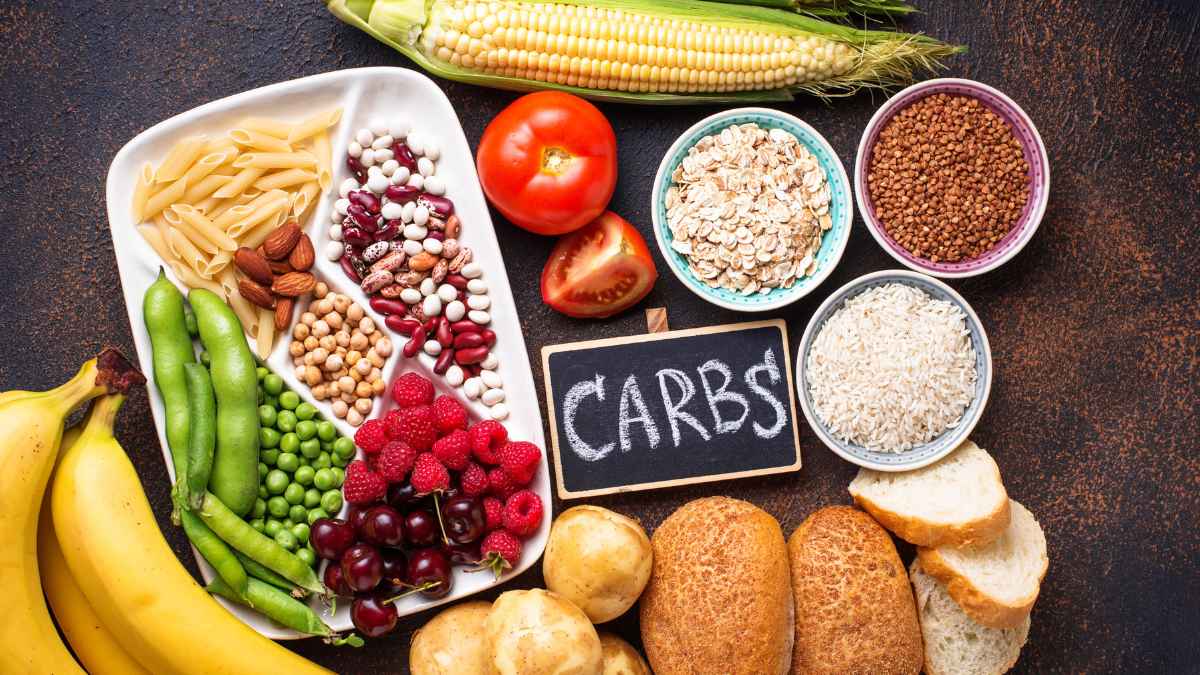

Introduction: Understanding why carbohydrates are soluble in water is crucial for various scientific fields, including biochemistry, nutrition, and food science. Carbohydrates, a primary source of energy for living organisms, exhibit unique chemical properties that influence their behavior in aqueous solutions. This article delves into the chemical structure of carbohydrates, the role of hydrogen bonds, the influence of molecular size, and the practical implications of their solubility in food science.
Introduction to Carbohydrates and Solubility
Carbohydrates are organic molecules composed of carbon, hydrogen, and oxygen atoms, typically with a hydrogen:oxygen atom ratio of 2:1. They are essential for energy storage and structural integrity in living organisms. Carbohydrates can be classified into monosaccharides, disaccharides, oligosaccharides, and polysaccharides, each varying in complexity and size.
Solubility, the ability of a substance to dissolve in a solvent, is a fundamental property that determines how substances interact in different environments. For carbohydrates, solubility in water is particularly significant due to water’s role as a universal solvent in biological systems. The solubility of carbohydrates affects their functionality in metabolic processes, food formulation, and pharmaceutical applications.
Water, a polar solvent, has a unique ability to dissolve a wide range of substances, including carbohydrates. This solubility is primarily due to the interactions between water molecules and the hydroxyl groups present in carbohydrates. Understanding these interactions is key to comprehending why carbohydrates are soluble in water.
The solubility of carbohydrates in water is not uniform; it varies depending on the type and structure of the carbohydrate. For instance, simple sugars like glucose and fructose are highly soluble, whereas complex carbohydrates like starch and cellulose exhibit varying degrees of solubility. This variability has significant implications for their biological and industrial applications.
In summary, the solubility of carbohydrates in water is a multifaceted phenomenon influenced by their chemical structure and the nature of water as a solvent. This article explores the underlying principles that govern this solubility, providing a comprehensive understanding of the topic.
Chemical Structure of Carbohydrates
Carbohydrates are composed of carbon (C), hydrogen (H), and oxygen (O) atoms, typically arranged in a ring or linear form. The basic building blocks of carbohydrates are monosaccharides, which include glucose, fructose, and galactose. These simple sugars can combine to form more complex carbohydrates such as disaccharides (e.g., sucrose, lactose) and polysaccharides (e.g., starch, cellulose).
The chemical structure of carbohydrates is characterized by the presence of multiple hydroxyl (-OH) groups. These hydroxyl groups are polar, meaning they have a partial positive charge on the hydrogen atom and a partial negative charge on the oxygen atom. This polarity is crucial for the solubility of carbohydrates in water.
Monosaccharides, the simplest form of carbohydrates, typically have a ring structure with multiple hydroxyl groups attached. For example, glucose has a six-carbon ring with five hydroxyl groups, making it highly soluble in water. The arrangement of these hydroxyl groups allows for extensive hydrogen bonding with water molecules.
Disaccharides, formed by the linkage of two monosaccharides, retain the hydroxyl groups of their constituent sugars. This allows disaccharides like sucrose to dissolve readily in water. The glycosidic bond that links the monosaccharides does not significantly hinder the solubility, as the hydroxyl groups remain available for interaction with water.
Polysaccharides, composed of long chains of monosaccharide units, exhibit more complex solubility behavior. While some polysaccharides like starch are partially soluble in water, others like cellulose are not. This difference is due to the specific arrangement of the monosaccharide units and the degree of hydrogen bonding within the polymer itself.
In conclusion, the chemical structure of carbohydrates, particularly the presence and arrangement of hydroxyl groups, plays a pivotal role in their solubility in water. The ability of these groups to form hydrogen bonds with water molecules is a key factor that will be explored further in the next section.
Role of Hydrogen Bonds in Solubility
Hydrogen bonds are a type of weak chemical bond that occurs when a hydrogen atom, covalently bonded to a highly electronegative atom like oxygen, interacts with another electronegative atom. In the case of carbohydrates, the hydroxyl groups (-OH) are the primary sites for hydrogen bonding.
When carbohydrates dissolve in water, the hydroxyl groups form hydrogen bonds with water molecules. This interaction is energetically favorable, as it allows the system to achieve a lower energy state. The formation of hydrogen bonds between the hydroxyl groups of carbohydrates and water molecules is a key factor in their solubility.
The strength and number of hydrogen bonds formed between carbohydrates and water depend on the number and accessibility of hydroxyl groups. Monosaccharides, with multiple free hydroxyl groups, can form numerous hydrogen bonds, making them highly soluble in water. For example, glucose can form hydrogen bonds with up to five water molecules simultaneously.
Disaccharides, although slightly more complex, still possess multiple hydroxyl groups capable of forming hydrogen bonds. The solubility of disaccharides like sucrose in water can be attributed to the ability of their hydroxyl groups to interact with water molecules. The glycosidic bond does not significantly impede this interaction.
Polysaccharides present a more complex scenario. While they have numerous hydroxyl groups, the extent of hydrogen bonding with water can be limited by the polymer’s structure. In starch, for example, the amylose and amylopectin components can form hydrogen bonds with water, but the overall solubility is lower compared to monosaccharides and disaccharides. Cellulose, on the other hand, has a highly organized structure that limits its ability to form hydrogen bonds with water, resulting in low solubility.
In summary, hydrogen bonds play a crucial role in the solubility of carbohydrates in water. The ability of hydroxyl groups to form hydrogen bonds with water molecules is a primary factor that determines the solubility of different types of carbohydrates.
Influence of Molecular Size on Solubility
The molecular size of carbohydrates significantly influences their solubility in water. Generally, smaller molecules are more soluble than larger ones due to the ease with which they can interact with water molecules. This principle is evident when comparing monosaccharides, disaccharides, and polysaccharides.
Monosaccharides, being the smallest carbohydrates, are highly soluble in water. Their small size allows them to easily penetrate the water’s hydrogen-bonding network, facilitating extensive interactions with water molecules. This high solubility is essential for their rapid absorption and utilization in biological systems.
Disaccharides, although larger than monosaccharides, still exhibit good solubility in water. The two monosaccharide units in disaccharides like sucrose and lactose can interact with water molecules, forming hydrogen bonds. The solubility of disaccharides is slightly lower than that of monosaccharides but remains sufficient for their biological and industrial applications.
Polysaccharides, composed of long chains of monosaccharide units, exhibit varying degrees of solubility. The large molecular size of polysaccharides like starch and cellulose can hinder their ability to dissolve in water. In starch, the amylose and amylopectin components have different solubility characteristics, with amylose being more soluble due to its linear structure and amylopectin being less soluble due to its branched structure.
The solubility of polysaccharides is also influenced by their degree of polymerization and the presence of branching. Highly branched polysaccharides like glycogen are more soluble than linear polysaccharides like cellulose. The branching allows for more interaction sites with water molecules, enhancing solubility.
In conclusion, the molecular size of carbohydrates plays a significant role in their solubility in water. Smaller carbohydrates like monosaccharides and disaccharides are generally more soluble than larger polysaccharides. The structure and degree of branching in polysaccharides further influence their solubility, highlighting the complexity of carbohydrate-water interactions.
Solubility Differences Among Carbohydrates
The solubility of carbohydrates in water varies widely among different types, influenced by their chemical structure, molecular size, and the presence of functional groups. These differences have important implications for their biological functions and industrial applications.
Monosaccharides, such as glucose and fructose, are highly soluble in water due to their small size and multiple hydroxyl groups. These simple sugars can easily form hydrogen bonds with water molecules, resulting in high solubility. This property is crucial for their role in metabolism, as it allows for rapid absorption and transport in biological systems.
Disaccharides, like sucrose and lactose, also exhibit good solubility in water. The two monosaccharide units in disaccharides can interact with water molecules, forming hydrogen bonds. However, their solubility is slightly lower than that of monosaccharides due to their larger size and the presence of a glycosidic bond. Despite this, disaccharides are still sufficiently soluble for their use in food and pharmaceutical industries.
Polysaccharides present a more complex solubility profile. Starch, a polysaccharide composed of amylose and amylopectin, has varying solubility depending on its structure. Amylose, with its linear structure, is more soluble in water compared to amylopectin, which has a branched structure. This difference in solubility is important for the functional properties of starch in food applications.
Cellulose, another polysaccharide, is largely insoluble in water. Its highly organized, linear structure and extensive hydrogen bonding within the polymer itself limit its ability to interact with water molecules. This low solubility is a key factor in the structural role of cellulose in plant cell walls.
In summary, the solubility differences among carbohydrates are influenced by their chemical structure, molecular size, and the presence of functional groups. These differences have significant implications for their biological functions and industrial applications, highlighting the importance of understanding carbohydrate solubility.
Practical Implications in Food Science
The solubility of carbohydrates in water has significant practical implications in food science, affecting the texture, stability, and nutritional properties of food products. Understanding these implications is essential for food formulation and processing.
In the food industry, the solubility of simple sugars like glucose and fructose is crucial for sweetening and flavoring applications. Their high solubility allows them to dissolve easily in aqueous solutions, providing uniform sweetness and enhancing the flavor profile of food products. This property is particularly important in beverages, confectionery, and baked goods.
The solubility of disaccharides like sucrose is also important in food applications. Sucrose is widely used as a sweetener and preservative in various food products. Its good solubility in water ensures that it can be easily incorporated into syrups, beverages, and other aqueous formulations. Additionally, the solubility of sucrose affects the texture and crystallization properties of confectionery products.
Polysaccharides like starch play a crucial role in food texture and stability. The solubility of starch components, amylose and amylopectin, influences the thickening, gelling, and stabilizing properties of food products. For example, the solubility of amylose is important for the formation of gels in puddings and sauces, while the solubility of amylopectin affects the viscosity and stability of soups and gravies.
The low solubility of cellulose has practical implications in food science as well. Cellulose is often used as a dietary fiber in food products, contributing to their nutritional value. Its insolubility in water allows it to provide bulk and aid in digestion without being absorbed, making it an important component of functional foods and dietary supplements.
In conclusion, the solubility of carbohydrates in water has significant practical implications in food science, affecting the texture, stability, and nutritional properties of food products. Understanding these implications is essential for optimizing food formulations and processing techniques.
Conclusion: The solubility of carbohydrates in water is a complex phenomenon influenced by their chemical structure, molecular size, and the presence of functional groups. The ability of carbohydrates to form hydrogen bonds with water molecules is a key factor in their solubility. Understanding these principles is crucial for various scientific fields, including biochemistry, nutrition, and food science. The practical implications of carbohydrate solubility in food science highlight the importance of this property in food formulation and processing.
Read More…
- Carbohydrates: Structure and Function: A comprehensive resource on the structure and function of carbohydrates, provided by the National Center for Biotechnology Information.
- Hydrogen Bonding in Carbohydrates: An in-depth review of hydrogen bonding in carbohydrates, published in the journal Chemical Reviews.
- The Role of Carbohydrates in Food Science: An article exploring the role of carbohydrates in food science, available on ScienceDirect.
- Solubility of Polysaccharides: A detailed study on the solubility of polysaccharides, published in the journal Carbohydrate Polymers.
- Dietary Fiber and Human Health: A review article on the importance of dietary fiber, including cellulose, in human health, provided by the National Institutes of Health.