
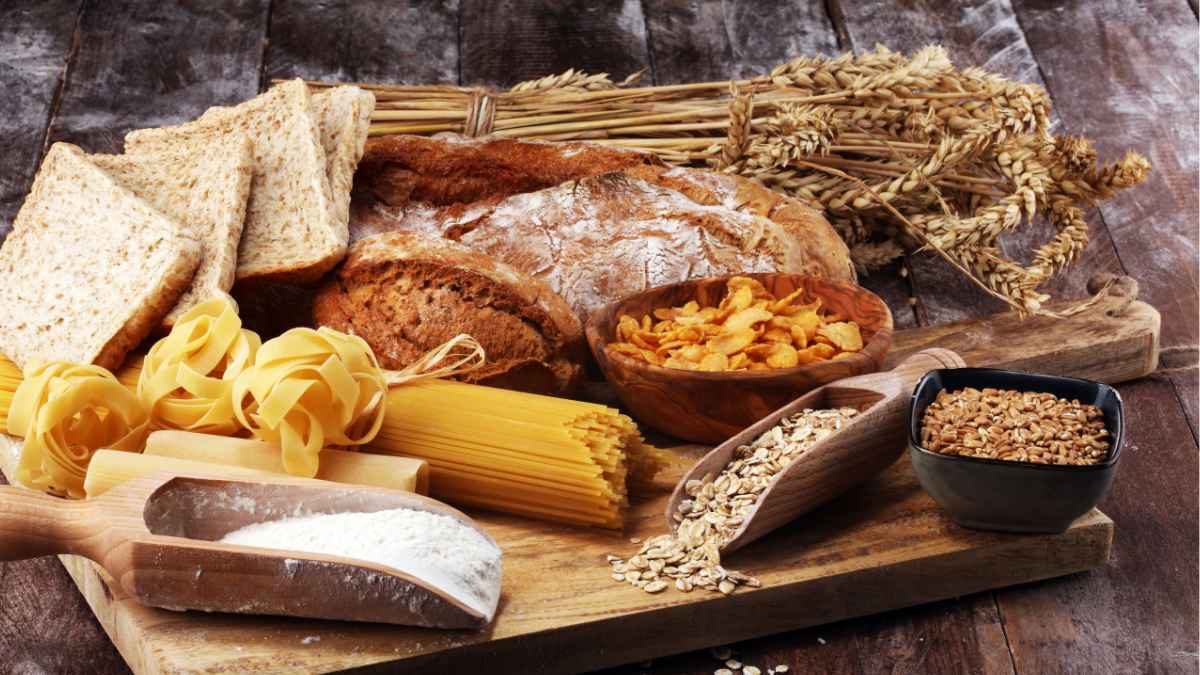

Introduction:
The cutting phase in bodybuilding is a crucial period where the primary goal is to reduce body fat while preserving muscle mass. One of the most debated topics during this phase is carbohydrate intake. While carbs are essential for energy, their role during cutting can be controversial. This article delves into why avoiding carbs during the cutting phase might be beneficial, exploring various aspects such as energy metabolism, fat loss efficiency, insulin response, and alternative nutrient sources.
Understanding the Cutting Phase in Bodybuilding
The cutting phase is a strategic period in bodybuilding aimed at reducing body fat to achieve a leaner, more defined physique. This phase typically follows a bulking period, where the focus is on muscle gain. During cutting, the caloric intake is reduced, and the macronutrient ratios are adjusted to promote fat loss while maintaining muscle mass.
One of the primary challenges during the cutting phase is balancing energy intake and expenditure. Bodybuilders need to consume fewer calories than they burn to lose fat, but they must also ensure they get enough nutrients to support muscle maintenance and overall health. This delicate balance often leads to debates about the optimal macronutrient composition of the diet.
Carbohydrates, proteins, and fats are the three main macronutrients, each playing a unique role in the body. Carbohydrates are the body’s preferred energy source, but they can also contribute to fat storage if consumed in excess. Proteins are essential for muscle repair and growth, while fats provide a concentrated energy source and support various bodily functions.
During the cutting phase, many bodybuilders opt to reduce their carbohydrate intake to accelerate fat loss. This approach is based on the idea that lower carb consumption can help control insulin levels and promote the utilization of stored fat for energy. However, this strategy requires careful planning to avoid potential negative effects on performance and health.
Understanding the principles of the cutting phase and the role of different macronutrients is essential for making informed dietary choices. By optimizing nutrient intake, bodybuilders can achieve their fat loss goals while preserving muscle mass and maintaining overall well-being.
The Role of Carbohydrates in Energy Metabolism
Carbohydrates are the body’s primary source of energy, especially during high-intensity activities such as weightlifting and cardio. When consumed, carbs are broken down into glucose, which is then used by cells for immediate energy or stored as glycogen in the liver and muscles for later use.
The availability of glycogen is crucial for sustaining performance during workouts. Adequate glycogen stores enable bodybuilders to train at higher intensities and recover more effectively between sessions. This is why carbs are often emphasized during the bulking phase, where the goal is to maximize muscle growth and performance.
However, during the cutting phase, the focus shifts from maximizing performance to optimizing fat loss. While carbs are essential for energy, their role in fat storage cannot be overlooked. Excessive carbohydrate intake can lead to elevated insulin levels, which promote fat storage and hinder fat loss efforts.
Reducing carb intake during cutting can help shift the body’s energy reliance from glucose to stored fat. This metabolic shift, known as ketosis, occurs when carbohydrate intake is sufficiently low, prompting the body to produce ketones from fat as an alternative energy source. This process can enhance fat loss by increasing the utilization of stored fat for energy.
It’s important to note that the body’s adaptation to lower carb intake can take time. During the initial phase of carb reduction, some individuals may experience decreased energy levels and performance. However, as the body becomes more efficient at using fat for fuel, energy levels and performance typically improve.
Understanding the role of carbohydrates in energy metabolism is key to making informed decisions about their intake during the cutting phase. By strategically reducing carbs, bodybuilders can enhance fat loss while still maintaining sufficient energy for effective training.
Negative Effects of Carbs on Fat Loss Efficiency
One of the primary concerns with carbohydrate intake during the cutting phase is its impact on fat loss efficiency. Carbs, when consumed in excess, can hinder fat loss by promoting fat storage and increasing overall caloric intake. This is due to the body’s hormonal response to carbohydrate consumption.
When carbohydrates are consumed, they are broken down into glucose, leading to a rise in blood sugar levels. In response, the pancreas releases insulin, a hormone that facilitates the uptake of glucose into cells for energy. However, insulin also promotes the storage of excess glucose as glycogen in the liver and muscles, and any surplus is converted to fat.
High insulin levels can inhibit the breakdown of stored fat, making it more challenging to achieve fat loss. This is why managing carbohydrate intake is crucial during the cutting phase. By reducing carbs, bodybuilders can lower insulin levels, thereby promoting the mobilization and utilization of stored fat for energy.
Another negative effect of high carb intake is the potential for increased hunger and cravings. Carbohydrates, particularly refined carbs and sugars, can cause rapid spikes and drops in blood sugar levels. These fluctuations can lead to increased hunger and cravings, making it difficult to adhere to a calorie-restricted diet.
Reducing carb intake can help stabilize blood sugar levels, leading to more consistent energy levels and reduced hunger. This can make it easier to maintain a calorie deficit and achieve fat loss goals. Additionally, lower carb diets have been shown to improve satiety, helping individuals feel fuller for longer periods.
While carbs are essential for energy, their impact on fat loss efficiency cannot be ignored. By strategically reducing carbohydrate intake, bodybuilders can enhance their ability to lose fat while minimizing the negative effects associated with high carb consumption.
Insulin Response: Carbs and Fat Storage
Insulin is a hormone that plays a critical role in regulating blood sugar levels and fat storage. When carbohydrates are consumed, they are broken down into glucose, leading to a rise in blood sugar levels. In response, the pancreas releases insulin to facilitate the uptake of glucose into cells for energy.
While insulin is essential for energy metabolism, it also has a significant impact on fat storage. Insulin promotes the storage of excess glucose as glycogen in the liver and muscles, and any surplus glucose is converted to fat. High insulin levels can inhibit the breakdown of stored fat, making it more challenging to achieve fat loss.
During the cutting phase, managing insulin levels is crucial for optimizing fat loss. By reducing carbohydrate intake, bodybuilders can lower insulin levels, promoting the mobilization and utilization of stored fat for energy. This can enhance fat loss efficiency and help achieve a leaner physique.
It’s important to note that not all carbohydrates have the same impact on insulin levels. Simple carbs, such as sugars and refined grains, cause rapid spikes in blood sugar and insulin levels. In contrast, complex carbs, such as whole grains and vegetables, are digested more slowly, leading to a more gradual rise in blood sugar and insulin levels.
By choosing complex carbs and reducing overall carb intake, bodybuilders can better manage insulin levels and promote fat loss. Additionally, incorporating regular physical activity can help improve insulin sensitivity, making it easier for the body to utilize glucose for energy and reduce fat storage.
Understanding the relationship between carbs, insulin, and fat storage is essential for making informed dietary choices during the cutting phase. By strategically managing carbohydrate intake, bodybuilders can optimize insulin response and enhance fat loss efficiency.
Alternatives to Carbs: Protein and Fat Utilization
While carbohydrates are a primary energy source, they are not the only macronutrient that can fuel the body. During the cutting phase, reducing carb intake can prompt the body to utilize alternative energy sources, such as protein and fat.
Proteins are essential for muscle repair and growth, making them a critical component of a bodybuilder’s diet. When carbohydrate intake is reduced, the body can convert protein into glucose through a process called gluconeogenesis. This helps maintain blood sugar levels and provide energy, especially during periods of intense training.
However, relying too heavily on protein for energy can be counterproductive, as it may lead to muscle breakdown. To prevent this, it’s important to consume adequate protein while also incorporating healthy fats into the diet. Fats provide a concentrated energy source and support various bodily functions, including hormone production and nutrient absorption.
Healthy fats, such as those found in avocados, nuts, seeds, and fatty fish, can be an excellent alternative to carbs during the cutting phase. These fats are metabolized more slowly than carbohydrates, providing a sustained energy source and helping to stabilize blood sugar levels.
In addition to providing energy, fats can enhance satiety, making it easier to adhere to a calorie-restricted diet. By incorporating a balance of protein and healthy fats, bodybuilders can maintain muscle mass, support overall health, and promote fat loss.
Understanding the role of protein and fat utilization is essential for optimizing nutrient intake during the cutting phase. By strategically reducing carbs and incorporating alternative energy sources, bodybuilders can achieve their fat loss goals while maintaining muscle mass and overall well-being.
Practical Tips for Reducing Carbs Safely
Reducing carbohydrate intake during the cutting phase can be beneficial for fat loss, but it requires careful planning to avoid potential negative effects on performance and health. Here are some practical tips for reducing carbs safely:
-
Gradual Reduction: Rather than making drastic changes, gradually reduce carbohydrate intake over several weeks. This allows the body to adapt to lower carb levels and minimizes potential side effects, such as decreased energy and performance.
-
Focus on Complex Carbs: Choose complex carbohydrates, such as whole grains, vegetables, and legumes, over simple carbs and sugars. Complex carbs are digested more slowly, leading to more stable blood sugar levels and sustained energy.
-
Incorporate Healthy Fats: Include healthy fats in your diet to provide a concentrated energy source and enhance satiety. Foods such as avocados, nuts, seeds, and fatty fish are excellent choices.
-
Adequate Protein Intake: Ensure you consume enough protein to support muscle repair and growth. Aim for a protein intake of 1.6 to 2.2 grams per kilogram of body weight per day, depending on your training intensity and goals.
-
Monitor Energy Levels: Pay attention to your energy levels and adjust your diet as needed. If you experience significant fatigue or decreased performance, consider slightly increasing your carb intake or incorporating more healthy fats.
-
Stay Hydrated: Proper hydration is essential, especially when reducing carbs. Carbohydrates help retain water in the body, so reducing carb intake can lead to increased water loss. Drink plenty of water and consider electrolyte supplementation if needed.
By following these practical tips, bodybuilders can safely reduce carbohydrate intake during the cutting phase, optimizing fat loss while maintaining performance and overall health.
Conclusion:
Avoiding carbs during the cutting phase can be a strategic approach to enhance fat loss and achieve a leaner physique. By understanding the role of carbohydrates in energy metabolism, managing insulin response, and incorporating alternative energy sources such as protein and healthy fats, bodybuilders can optimize their diet for fat loss efficiency. Practical tips for reducing carbs safely can help ensure that the transition is smooth and sustainable, supporting overall health and performance.
Read More…
- National Institutes of Health (NIH) – Carbohydrates and Blood Sugar: This source provides detailed information on how carbohydrates affect blood sugar levels and insulin response.
- Journal of the International Society of Sports Nutrition (JISSN) – Protein and Exercise: This article discusses the importance of protein intake for muscle repair and growth, especially during periods of reduced carbohydrate intake.
- American Journal of Clinical Nutrition – Dietary Fats and Health: This source explores the role of healthy fats in the diet and their benefits for energy metabolism and satiety.
- Mayo Clinic – Low-Carb Diet: Can It Help You Lose Weight?: This article provides an overview of low-carb diets and their potential benefits for weight loss and fat loss.
- Harvard T.H. Chan School of Public Health – Carbohydrates and Weight: This source discusses the impact of different types of carbohydrates on weight management and fat loss.