

Se hai un abbonamento attivo ACCEDI QUI
Introduction:
Many women experience a range of cravings during their menstrual cycle, particularly for sugary and carbohydrate-rich foods. Understanding the underlying causes of these cravings can help manage them more effectively. This article delves into the hormonal, physiological, and psychological factors that contribute to these cravings and offers nutritional strategies to manage them.
Understanding Hormonal Fluctuations in Menstruation
Hormonal fluctuations are a hallmark of the menstrual cycle, with estrogen and progesterone levels varying significantly throughout. These hormonal changes can have a profound impact on a woman’s body and mind. During the follicular phase, estrogen levels rise, reaching their peak just before ovulation. Following ovulation, the luteal phase begins, characterized by a rise in progesterone and a decline in estrogen levels.
These hormonal shifts can influence appetite and food preferences. For instance, the drop in estrogen and increase in progesterone during the luteal phase can lead to increased hunger and cravings for certain types of foods. This is partly due to progesterone’s role in preparing the body for a potential pregnancy, which includes increasing energy intake.
Moreover, hormonal fluctuations can affect insulin sensitivity. During the luteal phase, women may experience reduced insulin sensitivity, making it more challenging to maintain stable blood sugar levels. This can lead to cravings for high-carbohydrate foods, which provide a quick source of energy.
The interaction between estrogen and progesterone also affects neurotransmitter activity in the brain. These neurotransmitters, such as serotonin and dopamine, play a crucial role in regulating mood and appetite. Changes in their levels can lead to cravings for foods that can boost their production, such as sugars and carbs.
Understanding these hormonal dynamics is essential for developing strategies to manage cravings effectively. By recognizing the phases of the menstrual cycle and their impact on appetite, women can make more informed dietary choices.
The Role of Serotonin in Sugar and Carb Cravings
Serotonin, a neurotransmitter often referred to as the "feel-good" chemical, plays a significant role in mood regulation and appetite control. During the menstrual cycle, serotonin levels can fluctuate, particularly in the luteal phase, leading to mood swings and changes in appetite.
Low serotonin levels are associated with feelings of depression and irritability, which can drive cravings for foods that can quickly boost serotonin production. Carbohydrates, especially simple sugars, are known to increase serotonin levels by facilitating the uptake of tryptophan, a precursor to serotonin, into the brain.
This biochemical mechanism explains why many women crave sugary and carb-rich foods during their menstrual cycle. The temporary boost in serotonin can provide a sense of relief from mood swings and emotional discomfort. However, this can create a cycle of cravings and consumption, as the body seeks to maintain elevated serotonin levels.
Additionally, serotonin influences the regulation of satiety and hunger. Low levels of serotonin can lead to increased appetite and a preference for high-calorie, carbohydrate-rich foods. This can be particularly challenging during the luteal phase when hormonal changes already predispose women to increased hunger.
Understanding the role of serotonin in food cravings can help in developing strategies to manage these cravings. For example, consuming complex carbohydrates, which provide a more sustained release of energy and have a less dramatic impact on blood sugar levels, can help maintain stable serotonin levels without triggering intense cravings.
How Estrogen and Progesterone Affect Appetite
Estrogen and progesterone, the primary female sex hormones, have a significant impact on appetite and food preferences. During the menstrual cycle, the levels of these hormones fluctuate, leading to changes in hunger and cravings.
Estrogen is known to have an appetite-suppressing effect. During the follicular phase, when estrogen levels are high, women may experience reduced appetite and a preference for lighter, healthier foods. This is partly due to estrogen’s influence on the hypothalamus, the brain region responsible for regulating hunger and satiety.
In contrast, progesterone, which rises during the luteal phase, has an appetite-stimulating effect. This hormone prepares the body for a potential pregnancy by increasing energy intake and promoting the storage of fat. As a result, women may experience increased hunger and cravings for high-calorie, carbohydrate-rich foods during this phase.
The interplay between estrogen and progesterone also affects the body’s metabolism. High levels of progesterone can lead to a slower metabolism, making it more challenging to burn calories efficiently. This can further contribute to weight gain and cravings for energy-dense foods.
Moreover, estrogen and progesterone influence the production of other hormones that regulate appetite, such as leptin and ghrelin. Leptin, which signals satiety, tends to be lower during the luteal phase, while ghrelin, which stimulates hunger, may be higher. This hormonal imbalance can drive cravings for sugary and carb-rich foods.
Understanding the impact of estrogen and progesterone on appetite can help women anticipate and manage their cravings. By recognizing the hormonal phases and their effects on hunger, women can make more informed dietary choices and adopt strategies to maintain a balanced diet.
The Impact of Blood Sugar Levels on Mood
Blood sugar levels play a crucial role in regulating mood and energy levels. During the menstrual cycle, hormonal fluctuations can affect blood sugar regulation, leading to mood swings and cravings for sugary and carbohydrate-rich foods.
When blood sugar levels drop, the body responds by releasing stress hormones such as cortisol and adrenaline. These hormones can lead to feelings of anxiety, irritability, and fatigue, driving cravings for quick sources of energy like sugars and carbs. Consuming these foods can provide a rapid boost in blood sugar levels, temporarily alleviating these symptoms.
However, the consumption of sugary and high-carb foods can lead to a cycle of blood sugar spikes and crashes. After an initial spike, blood sugar levels can drop rapidly, leading to further cravings and mood swings. This cycle can be particularly pronounced during the luteal phase when hormonal changes already predispose women to blood sugar fluctuations.
Maintaining stable blood sugar levels is essential for managing mood and cravings. Consuming balanced meals that include a mix of proteins, fats, and complex carbohydrates can help stabilize blood sugar levels and prevent dramatic spikes and crashes.
Additionally, regular physical activity can help regulate blood sugar levels and improve mood. Exercise increases insulin sensitivity, allowing the body to use glucose more efficiently and reducing the risk of blood sugar fluctuations.
Understanding the impact of blood sugar levels on mood can help women develop strategies to manage cravings and maintain emotional well-being during their menstrual cycle. By focusing on balanced nutrition and regular physical activity, women can support stable blood sugar levels and reduce the risk of mood swings and cravings.
Psychological Factors Driving Food Cravings
Psychological factors play a significant role in driving food cravings during the menstrual cycle. Emotional states such as stress, anxiety, and depression can influence eating behaviors and lead to cravings for comfort foods, particularly those high in sugars and carbs.
Stress is a common trigger for food cravings. During stressful periods, the body releases cortisol, a hormone that can increase appetite and drive cravings for high-calorie, carbohydrate-rich foods. These foods can provide a temporary sense of comfort and relief from stress, but they can also lead to a cycle of emotional eating and cravings.
Anxiety and depression can also contribute to food cravings. Low levels of serotonin, which are associated with depression, can drive cravings for sugary and carb-rich foods that can boost serotonin production. Similarly, anxiety can lead to increased appetite and a preference for comfort foods that provide a sense of emotional relief.
Moreover, cultural and social factors can influence food cravings. Societal norms and media portrayals often associate comfort and indulgence with sugary and carb-rich foods, reinforcing cravings during emotional states. Additionally, social interactions and celebrations often involve these types of foods, making them more accessible and appealing during periods of emotional vulnerability.
Understanding the psychological factors driving food cravings can help women develop strategies to manage them. Mindfulness practices, such as meditation and deep breathing exercises, can help reduce stress and improve emotional regulation. Cognitive-behavioral strategies, such as identifying and challenging negative thought patterns, can also help manage cravings and promote healthier eating behaviors.
By addressing the psychological factors underlying food cravings, women can develop a more balanced and mindful approach to eating during their menstrual cycle. This can help reduce the risk of emotional eating and support overall well-being.
Nutritional Strategies to Manage Cravings Effectively
Managing cravings during the menstrual cycle requires a combination of nutritional strategies that support stable blood sugar levels, hormonal balance, and emotional well-being. By focusing on balanced nutrition and mindful eating practices, women can effectively manage their cravings and maintain a healthy diet.
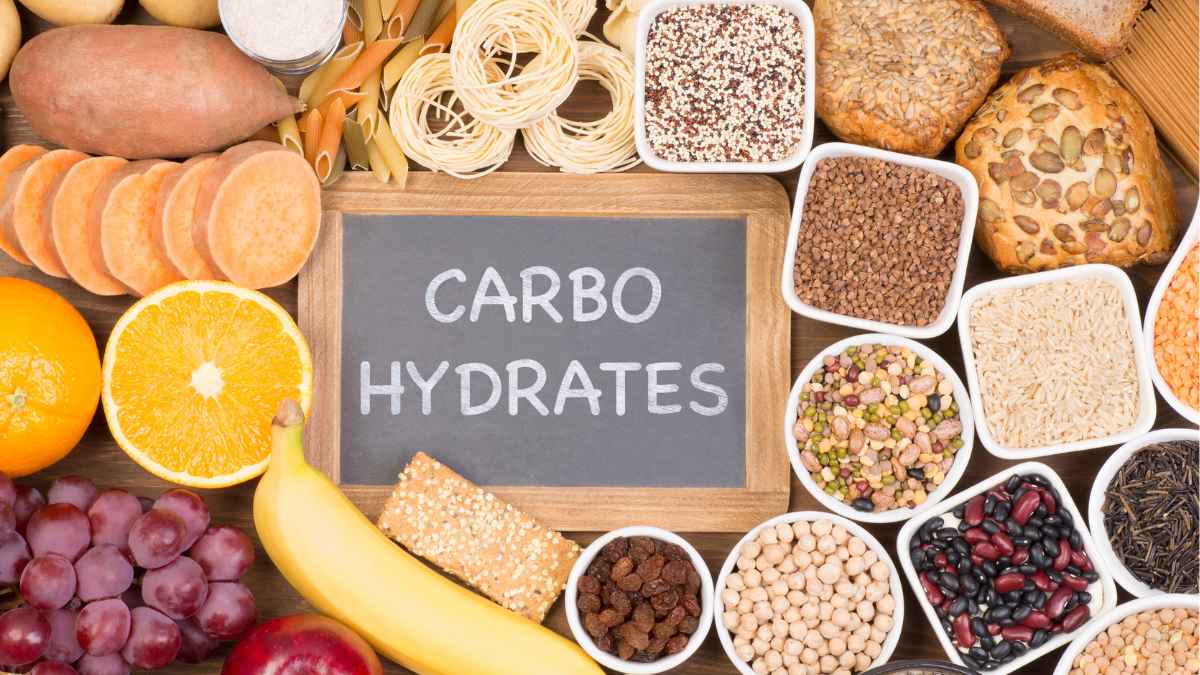
One effective strategy is to consume balanced meals that include a mix of proteins, fats, and complex carbohydrates. Proteins and fats can help slow the absorption of carbohydrates, preventing rapid blood sugar spikes and crashes. Complex carbohydrates, such as whole grains, legumes, and vegetables, provide a more sustained release of energy and help maintain stable blood sugar levels.
Incorporating foods rich in fiber can also help manage cravings. Fiber slows the digestion of carbohydrates, promoting satiety and reducing the risk of blood sugar fluctuations. High-fiber foods, such as fruits, vegetables, and whole grains, can help women feel fuller for longer and reduce the likelihood of cravings.
Staying hydrated is another important strategy. Dehydration can sometimes be mistaken for hunger, leading to unnecessary snacking and cravings. Drinking plenty of water throughout the day can help maintain hydration and reduce the risk of cravings.
Additionally, consuming foods rich in essential nutrients, such as magnesium and vitamin B6, can support hormonal balance and reduce the risk of cravings. Magnesium, found in foods like nuts, seeds, and leafy greens, can help regulate blood sugar levels and reduce stress. Vitamin B6, found in foods like poultry, fish, and bananas, can support serotonin production and improve mood.
Mindful eating practices, such as paying attention to hunger and fullness cues, can also help manage cravings. By eating slowly and savoring each bite, women can develop a more mindful and balanced approach to eating, reducing the risk of overeating and emotional eating.
Conclusion:
Understanding the complex interplay of hormonal, physiological, and psychological factors that drive cravings during the menstrual cycle can help women develop effective strategies to manage them. By focusing on balanced nutrition, regular physical activity, and mindful eating practices, women can support their overall well-being and reduce the risk of cravings for sugary and carbohydrate-rich foods.
Read More…
- Hormonal Fluctuations and Appetite – Link: This article provides an in-depth look at how hormonal changes during the menstrual cycle affect appetite and food preferences.
- Serotonin and Carbohydrate Cravings – Link: Explore the role of serotonin in driving cravings for sugary and carb-rich foods.
- Blood Sugar Levels and Mood – Link: Understand the impact of blood sugar levels on mood and how to maintain stable levels.
- Psychological Factors in Food Cravings – Link: Discover the psychological factors that contribute to food cravings and strategies to manage them.
- Nutritional Strategies for Managing Cravings – Link: Learn about effective nutritional strategies to manage cravings during the menstrual cycle.