

Introduction:
In the quest for effective weight loss strategies, many individuals consider dietary changes, particularly the reduction or elimination of sugar and bread. These two components are often perceived as culprits in weight gain, leading to the belief that cutting them out can facilitate weight loss. However, understanding the complexities of nutrition and metabolism is crucial before making significant dietary changes. This article explores the biochemical implications of reducing sugar and bread intake, analyzes their effects on body composition, and evaluates both short-term and long-term weight loss strategies. Furthermore, it provides nutritional alternatives and evidence-based recommendations for sustainable weight management.
Understanding the Role of Sugar and Carbohydrates in Weight Loss
Sugar and carbohydrates play a significant role in the body’s energy balance. When consumed, they are broken down into glucose, which serves as the primary energy source for the body. However, excessive intake of sugar can lead to elevated insulin levels, promoting fat storage and hindering weight loss efforts. Additionally, high sugar consumption is linked to increased cravings and overeating, making it challenging to maintain a caloric deficit necessary for weight loss.
Bread, primarily made from refined carbohydrates, can have similar effects. Refined carbohydrates are quickly digested, leading to rapid spikes in blood sugar levels followed by crashes that trigger hunger. This cycle can create a pattern of overeating, further complicating weight loss. Whole grain bread, while healthier, can still contribute to overall carbohydrate intake, which some individuals may need to monitor closely.
Moreover, the glycemic index (GI) of foods, which measures how quickly they raise blood sugar levels, is crucial in this context. Foods with a high GI can lead to increased insulin resistance over time, making weight loss more challenging. Therefore, understanding the GI of sugar and bread can help individuals make informed dietary choices that align with their weight loss goals.
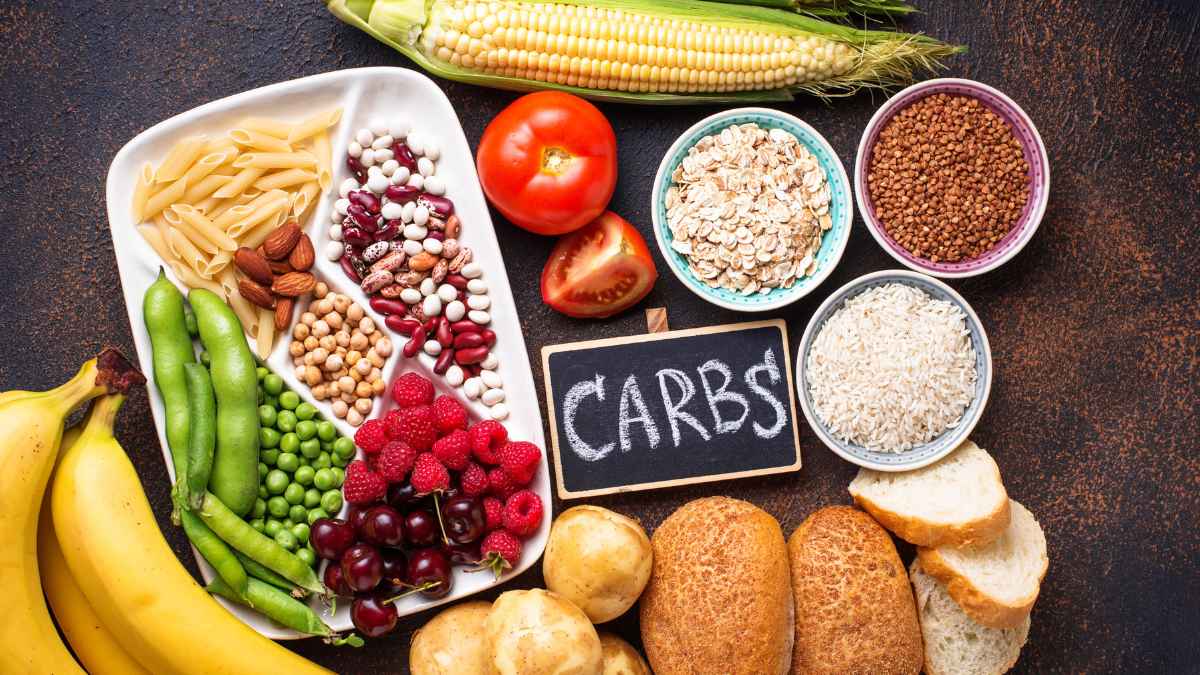
Lastly, it’s essential to recognize that not all carbohydrates are created equal. Complex carbohydrates, such as whole grains, legumes, and vegetables, provide essential nutrients and fiber that can aid in satiety and overall health. Thus, the focus should not solely be on cutting out sugar and bread but rather on making informed choices about carbohydrate sources.
The Biochemical Impact of Sugar Reduction on Metabolism
Reducing sugar intake can have profound effects on metabolism. When sugar consumption decreases, the body begins to utilize stored fat for energy, leading to a process known as lipolysis. This metabolic shift can result in weight loss, as the body becomes more efficient at burning fat. Additionally, lower sugar levels can lead to improved insulin sensitivity, which is crucial for maintaining a healthy weight.
Moreover, cutting out sugar can help stabilize energy levels throughout the day. Many individuals experience energy crashes after consuming high-sugar foods, leading to a cycle of cravings and overeating. By reducing sugar intake, individuals may find that their energy levels are more consistent, which can support better decision-making regarding food choices.
Another biochemical impact of sugar reduction is its effect on appetite-regulating hormones. Studies suggest that lower sugar intake can lead to increased levels of leptin, a hormone that signals satiety, while decreasing levels of ghrelin, the hunger hormone. This hormonal balance can help individuals feel fuller for longer, reducing the likelihood of overeating.
Furthermore, reducing sugar can positively affect gut health. High sugar diets are linked to an imbalance in gut microbiota, which can contribute to weight gain and metabolic disorders. A healthier gut microbiome, supported by a lower sugar diet, can enhance nutrient absorption and overall metabolic function, further aiding weight loss efforts.
Analyzing the Effects of Bread Elimination on Body Composition
Eliminating bread from the diet can lead to significant changes in body composition, particularly for those who consume large amounts of refined bread products. By cutting out these foods, individuals may inadvertently reduce their overall calorie intake, leading to weight loss. Additionally, the removal of bread can decrease the consumption of empty calories, which often contribute to weight gain without providing essential nutrients.
However, the effects of bread elimination can vary based on individual dietary habits. For some, bread serves as a source of fiber and essential nutrients when whole grain varieties are consumed. Removing bread without replacing it with other fiber-rich foods can lead to digestive issues and a lack of satiety, potentially hindering weight loss efforts.
Moreover, the psychological aspect of eliminating bread should not be overlooked. For many, bread is a staple food that provides comfort and satisfaction. Strictly eliminating bread can lead to feelings of deprivation, potentially resulting in binge eating or a rebound effect where individuals overconsume once they reintroduce bread into their diets.
Ultimately, the impact of bread elimination on body composition is highly individual. While some may experience weight loss and improved body composition, others may find that a moderate approach, including whole grain bread in a balanced diet, is more sustainable in the long run.
Evaluating Short-Term vs. Long-Term Weight Loss Strategies
When considering dietary changes, it’s essential to differentiate between short-term and long-term weight loss strategies. Cutting out sugar and bread may lead to rapid weight loss initially, primarily due to water loss and a reduction in caloric intake. However, such drastic changes can be challenging to maintain over time, leading to potential weight regain once normal eating patterns resume.
In contrast, long-term weight loss strategies focus on sustainable changes that promote a healthy lifestyle. Rather than completely eliminating sugar and bread, individuals can adopt a balanced approach that includes moderation and mindful eating. This strategy can help prevent feelings of deprivation and promote a healthier relationship with food.
Additionally, long-term strategies often emphasize the importance of physical activity and overall lifestyle changes. Incorporating regular exercise can enhance weight loss efforts and improve metabolic health. Combining dietary changes with an active lifestyle can lead to more sustainable results and better overall health.
Ultimately, the most effective weight loss strategy is one that is tailored to individual preferences, lifestyles, and health goals. While cutting out sugar and bread may be beneficial for some, others may find greater success through moderation and balanced eating patterns.
Nutritional Alternatives: Replacing Sugar and Bread Effectively
For those looking to reduce sugar and bread intake, finding suitable alternatives is crucial. Natural sweeteners, such as stevia or monk fruit, can provide sweetness without the added calories and glycemic impact of sugar. These alternatives can be used in baking, beverages, and cooking, allowing individuals to satisfy their sweet cravings while supporting their weight loss goals.
When it comes to bread, numerous alternatives exist that can provide similar textures and flavors without the refined carbohydrates. Options such as almond flour bread, cauliflower bread, or chickpea flour flatbreads can be nutritious substitutes. These alternatives often contain higher protein and fiber content, contributing to satiety and overall health.
Incorporating more whole foods into the diet is another effective strategy. Fruits, vegetables, legumes, and whole grains can provide essential nutrients and fiber while helping to reduce overall sugar and refined carbohydrate intake. Focusing on whole foods can enhance satiety and promote a healthier eating pattern.
Lastly, it’s essential to cultivate cooking skills that allow for the creation of healthy meals at home. Preparing meals from scratch can help individuals control ingredients and portion sizes, making it easier to avoid added sugars and refined carbohydrates commonly found in processed foods.
Evidence-Based Recommendations for Sustainable Weight Management
Research supports the idea that sustainable weight management involves a multifaceted approach. Evidence suggests that reducing added sugars can lead to significant weight loss and improved metabolic health. A systematic review found that individuals who reduced their sugar intake experienced greater weight loss compared to those who did not adjust their sugar consumption.
Moreover, studies indicate that incorporating whole grains into the diet can be beneficial for weight management. Whole grains are associated with lower body weight and reduced risk of obesity. They provide essential nutrients and fiber, which can enhance satiety and promote healthy digestion.
Additionally, behavioral strategies such as mindful eating and setting realistic goals are crucial for long-term success. Mindful eating encourages individuals to pay attention to hunger and fullness cues, promoting a healthier relationship with food. Setting achievable goals can help maintain motivation and prevent feelings of failure.
In conclusion, a balanced approach that includes reducing sugar and refined carbohydrates while emphasizing whole foods and mindful eating is the most effective strategy for sustainable weight management. Individual preferences and lifestyles should guide dietary choices, ensuring that changes are realistic and maintainable over time.
Conclusions:
Cutting out sugar and bread can be effective for weight loss, but it is crucial to approach these changes thoughtfully. Understanding the biochemical impacts, evaluating short-term versus long-term strategies, and finding suitable alternatives can lead to sustainable weight management. Ultimately, a balanced and individualized approach is essential for achieving and maintaining a healthy weight.
Read more
- Harvard Health Publishing – The Truth About Sugar – An in-depth look at the effects of sugar on health and weight management.
- Mayo Clinic – Carbohydrates: How Carbs Fit Into a Healthy Diet – A comprehensive guide to understanding carbohydrates and their role in a balanced diet.
- American Journal of Clinical Nutrition – Effects of Reducing Sugar Intake – A research study examining the impact of sugar reduction on weight loss and metabolic health.
- Cleveland Clinic – Healthy Alternatives to Bread – Suggestions for nutritious bread alternatives to support weight management.
- National Institutes of Health – Mindful Eating – An exploration of mindful eating practices and their benefits for weight loss and health.