

Introduction:
High cholesterol is a common health concern that can lead to serious cardiovascular diseases if not managed properly. As dietary choices play a crucial role in maintaining healthy cholesterol levels, many individuals seek natural food options that can support their health. Among these, bananas often come up as a potential ally in managing cholesterol. This article explores the relationship between bananas and cholesterol, examining their nutritional profile, mechanisms of action, clinical evidence, and dietary recommendations for incorporating them into a cholesterol management plan.
Understanding Cholesterol: Types and Health Implications
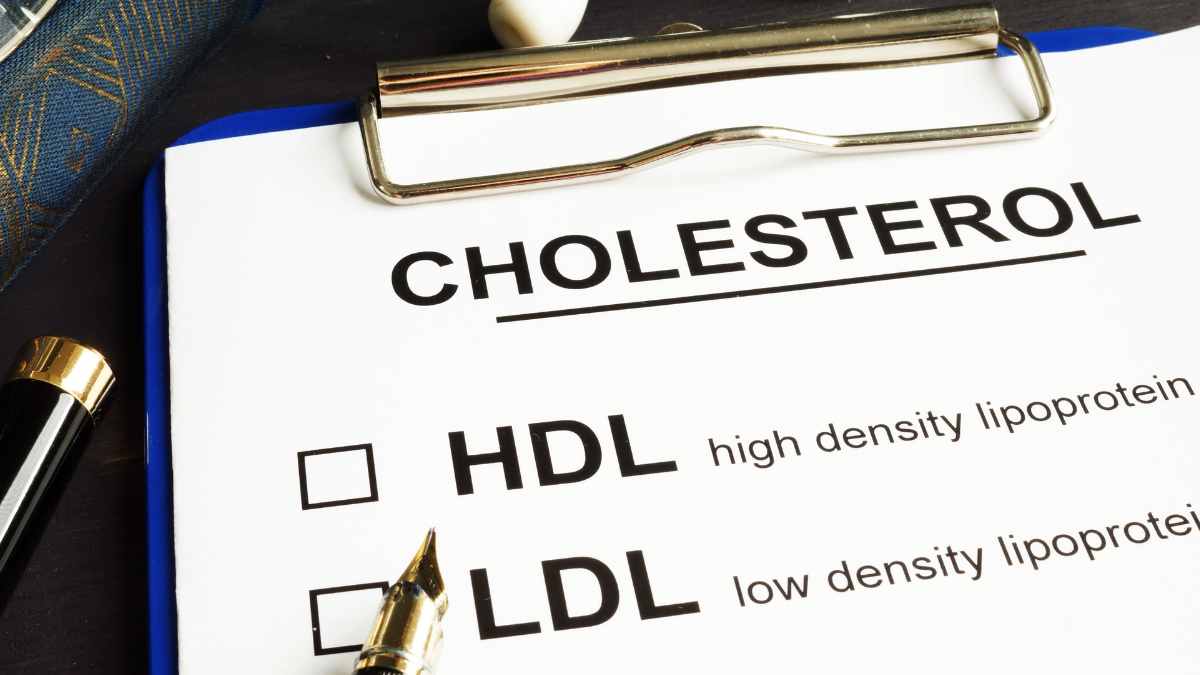
Cholesterol is a waxy substance found in the cells of the body and is essential for producing hormones, vitamin D, and bile acids that help digest fat. However, not all cholesterol is created equal. There are two primary types of cholesterol: low-density lipoprotein (LDL), often referred to as "bad" cholesterol, and high-density lipoprotein (HDL), known as "good" cholesterol. Elevated levels of LDL cholesterol can lead to plaque buildup in arteries, increasing the risk of heart disease and stroke.
The balance between LDL and HDL cholesterol is crucial for cardiovascular health. While LDL contributes to arterial blockages, HDL helps transport cholesterol away from the arteries to the liver, where it can be processed and eliminated. Therefore, maintaining a low LDL and high HDL level is essential for reducing the risk of heart-related issues. Lifestyle factors, including diet, exercise, and smoking cessation, play significant roles in managing these cholesterol levels.
High cholesterol is often asymptomatic, making regular screenings important for early detection. Individuals with high cholesterol may experience fatigue, chest pain, or shortness of breath, but these symptoms typically arise only after significant arterial damage has occurred. Consequently, understanding cholesterol’s implications and actively managing it through dietary choices is vital for long-term health.
In addition to dietary factors, genetics can influence cholesterol levels. Some individuals may have a genetic predisposition to high cholesterol, necessitating a more vigilant approach to diet and lifestyle changes. Recognizing the multifaceted nature of cholesterol management is essential for developing effective strategies to promote heart health.
Nutritional Profile of Bananas: Key Components Explained
Bananas are a popular fruit known for their convenience and natural sweetness. They are rich in essential nutrients, making them a healthy addition to many diets. One medium-sized banana contains approximately 105 calories, 27 grams of carbohydrates, and 3 grams of dietary fiber. The fiber content is particularly noteworthy, as dietary fiber has been linked to improved cholesterol levels.
In addition to fiber, bananas are an excellent source of potassium, providing about 422 milligrams per medium banana. Potassium is crucial for heart health, helping to regulate blood pressure and maintain proper cardiovascular function. Moreover, bananas contain several vitamins and minerals, including vitamin C, vitamin B6, and magnesium, all of which contribute to overall health.
The soluble fiber found in bananas, primarily in the form of pectin, plays a significant role in cholesterol management. Soluble fiber can bind to cholesterol in the digestive system, preventing its absorption into the bloodstream. This mechanism is essential for lowering LDL cholesterol levels and promoting heart health.
Furthermore, bananas are low in fat and cholesterol-free, making them a heart-healthy snack option. Their natural sweetness can also satisfy sugar cravings, potentially reducing the desire for less healthy snacks that may contribute to elevated cholesterol levels.
Mechanisms: How Bananas May Influence Cholesterol Levels
The consumption of bananas may positively influence cholesterol levels through various mechanisms. One of the primary ways is through their high fiber content. Dietary fiber, particularly soluble fiber, has been shown to lower LDL cholesterol levels by binding to bile acids in the intestines. This binding process promotes the excretion of bile acids, leading the liver to use cholesterol to produce more bile, thereby reducing the overall cholesterol levels in the bloodstream.
Moreover, the potassium in bananas can help regulate blood pressure, which is often associated with cholesterol levels. High blood pressure can exacerbate the effects of high cholesterol on cardiovascular health. By maintaining healthy blood pressure, bananas may indirectly support better cholesterol management.
The antioxidants present in bananas, such as dopamine and catechins, may also contribute to cardiovascular health. These compounds help combat oxidative stress, which can lead to inflammation and damage to blood vessels. By reducing inflammation, bananas may help maintain healthier arteries, further supporting cholesterol management.
Additionally, the natural sugars in bananas provide a quick source of energy, making them an ideal pre- or post-workout snack. Regular physical activity is crucial for maintaining healthy cholesterol levels, and bananas can support an active lifestyle by providing the necessary fuel for exercise.
Clinical Evidence: Bananas and Their Impact on Lipid Profiles
While anecdotal evidence suggests that bananas may help manage cholesterol levels, scientific studies provide a more comprehensive understanding of their impact on lipid profiles. Research has indicated that diets high in fruits and vegetables, including bananas, are associated with lower cholesterol levels and reduced cardiovascular risk.
A study published in the American Journal of Clinical Nutrition found that individuals who consumed more fruits and vegetables had significantly lower LDL cholesterol levels compared to those with lower intake. Although this study did not isolate bananas specifically, it highlights the importance of a diet rich in plant-based foods for heart health.
Another study focused on the effects of dietary fiber on cholesterol levels. It revealed that increasing soluble fiber intake, such as that found in bananas, led to a reduction in LDL cholesterol levels. This finding supports the notion that incorporating bananas into the diet can be beneficial for individuals looking to manage their cholesterol.
Moreover, research on specific populations, such as those with metabolic syndrome, has shown that a diet rich in potassium and fiber can lead to improved lipid profiles. Given that bananas are a significant source of both nutrients, they may play a role in enhancing heart health in these individuals.
Dietary Recommendations: Incorporating Bananas Safely
Incorporating bananas into a cholesterol management plan can be done safely and effectively. Nutritionists recommend consuming a variety of fruits and vegetables to ensure a balanced intake of nutrients. Bananas can be enjoyed in various ways, such as in smoothies, oatmeal, or as a standalone snack.
However, moderation is key. While bananas are nutritious, they are also relatively high in carbohydrates and natural sugars compared to some other fruits. Individuals monitoring their carbohydrate intake, such as those with diabetes, should consider portion sizes and overall dietary balance when including bananas in their meals.
It is also essential to pair bananas with other heart-healthy foods. For example, combining bananas with nuts or seeds can provide healthy fats and additional fiber, further supporting cholesterol management. Whole grains, legumes, and other fruits can complement bananas in a well-rounded diet.
Lastly, individuals should consult with healthcare professionals or registered dietitians to create a personalized dietary plan that considers their unique health needs and cholesterol levels. This tailored approach can maximize the benefits of dietary changes while ensuring overall health and well-being.
Conclusions:
In summary, bananas can be a valuable addition to a cholesterol management plan due to their rich nutritional profile, particularly their fiber and potassium content. While they may not be a standalone solution for high cholesterol, their incorporation into a balanced diet, combined with other heart-healthy lifestyle choices, can contribute to improved lipid profiles and overall cardiovascular health. As with any dietary change, it is essential to consider individual health needs and consult with healthcare professionals for personalized guidance.
Read more
- American Heart Association – Understanding Cholesterol – This resource provides an overview of cholesterol, its types, and its implications for heart health.
- Harvard Health Publishing – The Benefits of Fiber – A detailed article discussing the role of dietary fiber in health, including its effects on cholesterol levels.
- National Institutes of Health – Potassium and Heart Health – This page explains the importance of potassium for cardiovascular health and its dietary sources.
- American Journal of Clinical Nutrition – Fruits and Vegetables and Cholesterol – A study examining the relationship between fruit and vegetable intake and cholesterol levels.
- Mayo Clinic – Cholesterol: Top Foods to Improve Your Numbers – A practical guide on foods that can help manage cholesterol levels, including the benefits of fruits like bananas.