

Introduction:
The relationship between diet and heart health is a topic of significant interest, particularly when it comes to understanding how specific foods impact cholesterol levels. Among these foods, potatoes often come under scrutiny due to their carbohydrate content and potential effects on blood sugar. However, the question remains: are potatoes detrimental to cholesterol levels? This article delves into various aspects of potatoes, cholesterol, and overall heart health, providing a comprehensive view on whether potatoes can be included in a heart-healthy diet.
Understanding Cholesterol: Types and Their Impact on Health
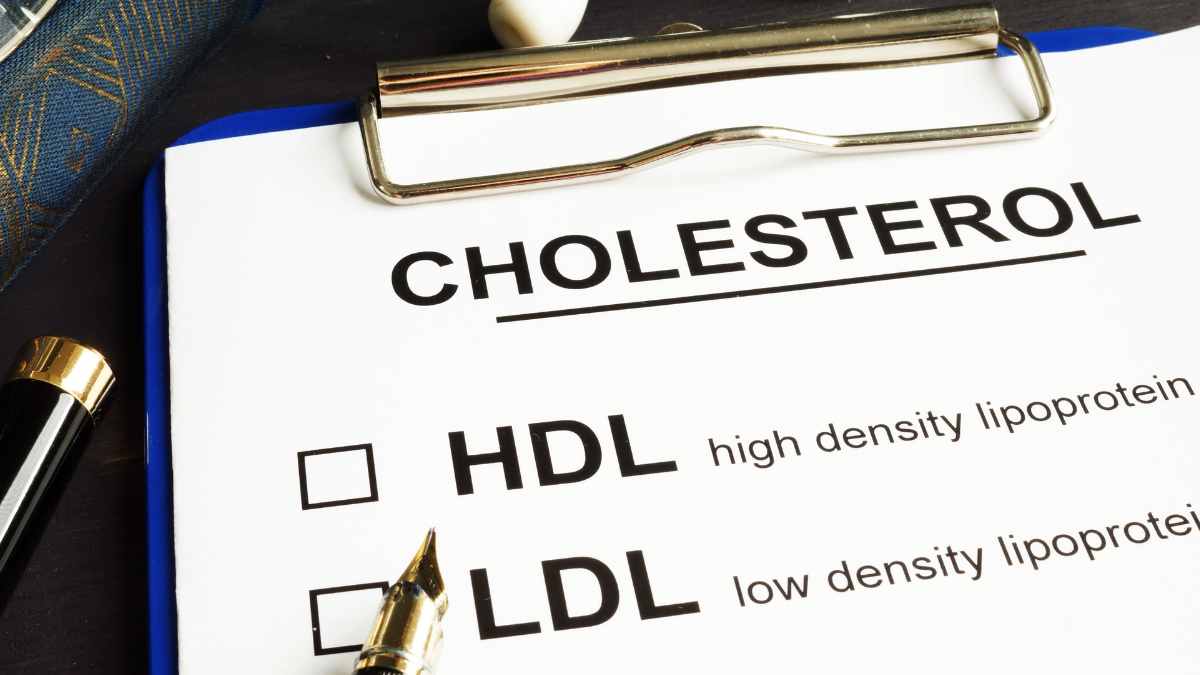
Cholesterol is a waxy substance found in every cell of the body and is essential for producing hormones, vitamin D, and substances that help digest foods. There are two primary types of cholesterol: low-density lipoprotein (LDL) and high-density lipoprotein (HDL). LDL cholesterol is often referred to as "bad" cholesterol because high levels can lead to plaque buildup in arteries, increasing the risk of heart disease and stroke. Conversely, HDL cholesterol is known as "good" cholesterol as it helps remove LDL cholesterol from the bloodstream.
The balance between LDL and HDL is crucial for maintaining cardiovascular health. High levels of LDL and low levels of HDL can lead to atherosclerosis, a condition characterized by the hardening and narrowing of arteries. This imbalance can result from various factors, including genetics, lifestyle choices, and dietary habits. Understanding these dynamics is essential for making informed dietary choices, particularly regarding foods like potatoes.
Moreover, the impact of dietary cholesterol on blood cholesterol levels is often misunderstood. Recent studies indicate that saturated and trans fats in the diet have a more significant effect on blood cholesterol levels than dietary cholesterol itself. This shift in understanding suggests that foods traditionally considered unhealthy may not be as detrimental when consumed in moderation and as part of a balanced diet.
In light of these considerations, it’s important to evaluate how specific foods, such as potatoes, fit into the broader context of cholesterol management and heart health. By analyzing their nutritional composition and effects on the body, we can better understand their role in a heart-healthy diet.
Nutritional Composition of Potatoes: A Detailed Analysis
Potatoes are a staple food in many cultures, valued for their versatility and nutritional benefits. A medium-sized potato contains approximately 160 calories, 37 grams of carbohydrates, and 4 grams of protein. They are also a good source of vitamins and minerals, including vitamin C, vitamin B6, potassium, and magnesium. These nutrients play vital roles in maintaining overall health and supporting bodily functions.
One of the most notable aspects of potatoes is their high carbohydrate content, primarily in the form of starch. While carbohydrates are essential for energy, the type and amount consumed can influence blood sugar levels. Potatoes have a relatively high glycemic index (GI), which means they can cause a rapid increase in blood sugar when consumed alone. However, the overall impact on cholesterol levels is more complex and requires a deeper examination of their nutritional profile.
In addition to carbohydrates, potatoes contain antioxidants and phytochemicals that may contribute to heart health. For example, compounds like flavonoids and carotenoids have been linked to reduced inflammation and improved endothelial function, both of which are beneficial for cardiovascular health. This highlights the potential for potatoes to provide health benefits beyond their carbohydrate content.
Furthermore, the method of preparation significantly affects the nutritional value of potatoes. Boiling or baking potatoes retains most of their nutrients, while frying can add unhealthy fats and calories. Therefore, understanding how to prepare and consume potatoes is crucial for maximizing their health benefits while minimizing potential drawbacks.
The Role of Dietary Fiber in Cholesterol Management
Dietary fiber is a critical component of a heart-healthy diet, playing a significant role in cholesterol management. Potatoes, particularly when consumed with the skin, are a good source of dietary fiber. Fiber helps lower LDL cholesterol levels by binding to cholesterol in the digestive system, preventing its absorption into the bloodstream. This mechanism can contribute to improved heart health and reduced risk of cardiovascular disease.
There are two types of dietary fiber: soluble and insoluble. Soluble fiber, found in foods like oats and legumes, is particularly effective in lowering cholesterol levels. While potatoes are not as high in soluble fiber as some other foods, they do contain a mix of both types. Incorporating fiber-rich foods into the diet can lead to a more balanced lipid profile, which is essential for maintaining cardiovascular health.
In addition to its cholesterol-lowering effects, dietary fiber also aids in regulating blood sugar levels. This is particularly important for individuals with diabetes or those at risk of developing the condition. By slowing down the digestion and absorption of carbohydrates, fiber helps prevent spikes in blood sugar, which can have downstream effects on cholesterol levels and overall heart health.
To maximize the benefits of dietary fiber from potatoes, it is advisable to consume them with their skins intact. This simple practice can significantly increase fiber intake and contribute to better heart health. As part of a balanced diet rich in fruits, vegetables, whole grains, and legumes, potatoes can be a valuable component in managing cholesterol levels.
Potatoes and Glycemic Index: Implications for Heart Health
The glycemic index (GI) is a measure of how quickly a food raises blood sugar levels after consumption. Foods with a high GI, such as white potatoes, can lead to rapid spikes in blood sugar, which may have implications for heart health. However, the impact of GI on cholesterol levels is not straightforward and can be influenced by various factors, including portion size, preparation methods, and the overall composition of the meal.
When potatoes are consumed as part of a balanced meal that includes protein, healthy fats, and fiber, the overall glycemic response can be mitigated. For instance, pairing potatoes with a source of protein, such as beans or lean meat, can slow down the absorption of carbohydrates, leading to a more gradual increase in blood sugar levels. This approach not only helps manage blood sugar but may also have a positive effect on cholesterol levels.
Moreover, the GI of potatoes can vary significantly based on their variety and how they are cooked. For example, boiled potatoes generally have a lower GI compared to baked or fried potatoes. Choosing cooking methods that preserve the nutritional integrity of potatoes can help minimize their impact on blood sugar and cholesterol levels.
Research has shown that diets high in low-GI foods are associated with improved heart health outcomes. Incorporating potatoes in moderation, while being mindful of their GI and pairing them with other healthy foods, can allow individuals to enjoy their benefits without compromising heart health.
Research Findings: Potatoes and Their Effect on Cholesterol
Numerous studies have explored the relationship between potato consumption and cholesterol levels. While some research suggests that high intake of starchy foods may be linked to elevated cholesterol levels, other studies indicate that potatoes, when prepared healthily, do not have a significant negative impact on cholesterol.
For instance, a study published in the American Journal of Clinical Nutrition found that consuming potatoes as part of a balanced diet did not adversely affect lipid profiles in healthy adults. This suggests that the overall dietary pattern is more crucial than the inclusion of specific foods like potatoes. Additionally, the presence of beneficial nutrients and fiber in potatoes may counteract potential negative effects on cholesterol.
Another study highlighted the role of antioxidants found in potatoes, particularly colored varieties like purple potatoes. These antioxidants may help reduce oxidative stress and inflammation, which are known contributors to heart disease. This indicates that the type of potato consumed can influence its health effects, with more nutrient-dense options offering additional benefits.
Overall, research indicates that potatoes can be part of a heart-healthy diet when consumed in moderation and prepared healthily. The key lies in understanding the broader dietary context and making informed choices about how potatoes are incorporated into meals.
Practical Recommendations for Including Potatoes in Diets
To enjoy the benefits of potatoes while managing cholesterol levels, it is essential to consider portion sizes and preparation methods. Opting for boiled or baked potatoes rather than fried varieties can significantly reduce unhealthy fat intake. Additionally, leaving the skin on increases fiber content, further supporting heart health.
Pairing potatoes with other nutrient-dense foods can enhance their health benefits. For example, adding vegetables, legumes, or lean proteins can create a balanced meal that mitigates the glycemic impact of potatoes. This approach not only helps manage blood sugar levels but also promotes a healthier lipid profile.
Incorporating a variety of potato types can also be beneficial. Sweet potatoes, for instance, are lower on the glycemic index and rich in antioxidants, making them a heart-healthy alternative. Experimenting with different cooking methods and recipes can help maintain interest in meals while ensuring nutritional diversity.
Lastly, being mindful of overall dietary patterns is crucial. A diet rich in fruits, vegetables, whole grains, and healthy fats, combined with moderate potato consumption, can support heart health and cholesterol management. By making informed choices, individuals can enjoy potatoes as part of a balanced diet without compromising their cardiovascular health.
Conclusions:
In summary, potatoes can be included in a heart-healthy diet without significantly impacting cholesterol levels, provided they are prepared and consumed mindfully. Their nutritional composition, including fiber and antioxidants, offers potential benefits for heart health. Understanding the role of glycemic index and dietary patterns is essential for making informed choices about potato consumption. Ultimately, moderation and balance are key to enjoying potatoes while supporting overall cardiovascular health.
Read more
-
American Heart Association – Cholesterol
This resource provides comprehensive information about cholesterol types, their effects on health, and management strategies. -
Harvard T.H. Chan School of Public Health – The Nutrition Source: Potatoes
This article discusses the nutritional profile of potatoes and their role in a balanced diet. -
Mayo Clinic – Dietary Fiber: Essential for a Healthy Diet
This resource emphasizes the importance of dietary fiber in cholesterol management and overall health. -
National Institutes of Health – Glycemic Index
This study explores the implications of the glycemic index on health, including its effects on cholesterol levels. -
Journal of Nutrition – Potatoes and Health
This research article examines the health effects of potato consumption and its implications for dietary guidelines.