
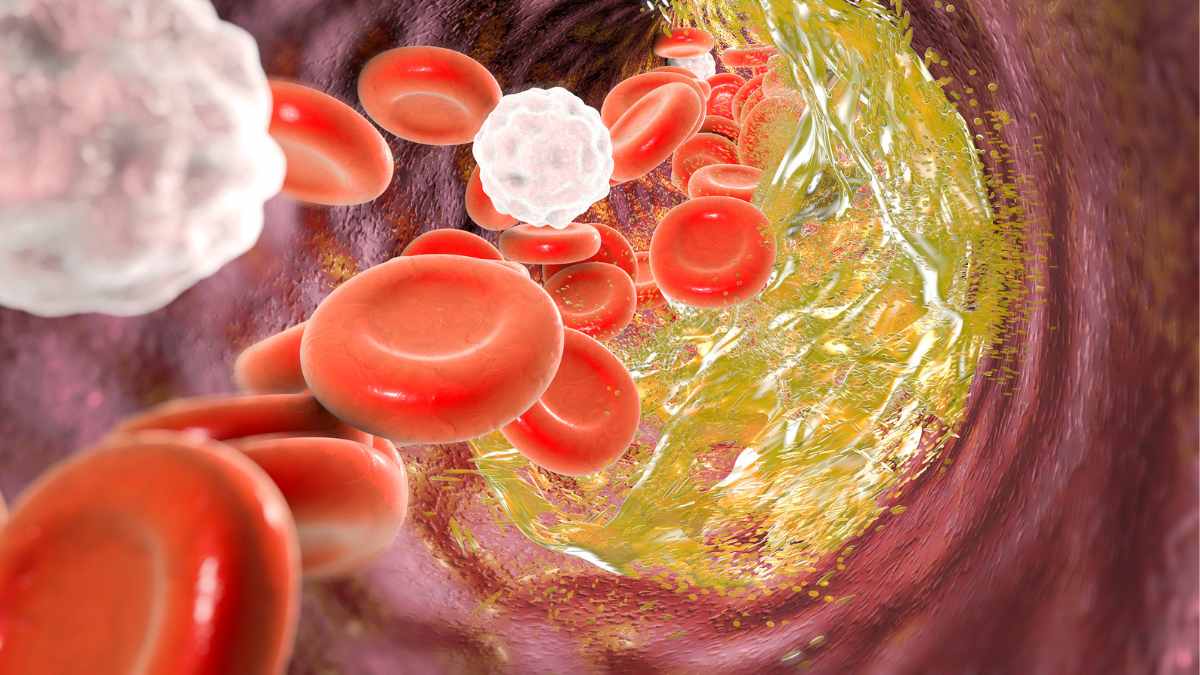

Introduction:
High cholesterol is a significant health concern that can lead to serious cardiovascular issues if left unchecked. Understanding when to start worrying about cholesterol levels is crucial for maintaining long-term health. This article delves into the types of cholesterol, the importance of early monitoring, age-related risk factors, recommended screening guidelines, associated symptoms, and effective management strategies.
Understanding Cholesterol: Types and Their Impact on Health
Cholesterol is a waxy substance found in your blood, essential for building healthy cells, but high levels can increase the risk of heart disease. There are two primary types of cholesterol: low-density lipoprotein (LDL) and high-density lipoprotein (HDL). LDL is often referred to as "bad" cholesterol because it can lead to plaque buildup in arteries, increasing the risk of heart attacks and strokes. Conversely, HDL is known as "good" cholesterol as it helps remove LDL cholesterol from the bloodstream.
The balance between LDL and HDL cholesterol is critical for cardiovascular health. Elevated LDL levels can lead to atherosclerosis, a condition where arteries become narrowed and hardened, while higher levels of HDL are associated with a lower risk of heart disease. Understanding these types and their functions is essential for evaluating one’s cholesterol health.
Genetic factors can also play a role in cholesterol levels. Conditions such as familial hypercholesterolemia can lead to significantly elevated LDL cholesterol from a young age, emphasizing the need for early monitoring. Lifestyle choices, including diet and exercise, can influence cholesterol levels, making awareness of these factors crucial.
In summary, cholesterol is not inherently bad; rather, it is the levels and types that determine its impact on health. Maintaining a healthy balance is vital for reducing the risk of cardiovascular diseases, making it essential to understand cholesterol’s role in overall health.
The Importance of Monitoring Cholesterol Levels Early
Monitoring cholesterol levels early in life can significantly impact long-term health outcomes. Many people are unaware that high cholesterol can develop silently, without any noticeable symptoms. Regular screenings can help identify potential issues before they escalate into serious health problems. Early detection allows for timely intervention, which can include lifestyle changes or medications.
Moreover, early monitoring can help establish a baseline for cholesterol levels, making it easier to track changes over time. This is particularly important as individuals age, as cholesterol levels can fluctuate due to various factors, including diet, physical activity, and hormonal changes. Establishing a baseline can aid healthcare providers in determining the best course of action for managing cholesterol levels.
Additionally, understanding personal risk factors, such as family history and lifestyle choices, can inform the need for more frequent monitoring. Individuals with a family history of heart disease or high cholesterol should be particularly vigilant, as they may be at a higher risk of developing similar issues.
In conclusion, early monitoring of cholesterol levels is a proactive approach to health management. By identifying potential issues early, individuals can take necessary steps to maintain healthy cholesterol levels and reduce the risk of cardiovascular diseases.
Age-Related Risk Factors for High Cholesterol Development
As individuals age, the risk of developing high cholesterol increases due to various physiological changes. Hormonal changes during puberty, pregnancy, and menopause can impact cholesterol levels, often leading to higher LDL and lower HDL levels. For example, women may experience fluctuations in cholesterol levels during menopause, which can increase their risk of heart disease.
Moreover, lifestyle factors often change with age. Younger individuals may have more active lifestyles, while older adults may become less active due to physical limitations or health issues. Sedentary behavior is a significant contributor to elevated cholesterol levels, as regular physical activity is essential for maintaining a healthy balance of cholesterol.
Dietary habits also evolve over time. Older adults may have different nutritional needs and may not consume a heart-healthy diet, leading to increased cholesterol levels. Poor dietary choices, such as high intake of saturated fats and trans fats, can significantly impact cholesterol levels, particularly in aging populations.
In summary, age plays a crucial role in the development of high cholesterol. Understanding these age-related risk factors can help individuals take proactive measures to monitor and manage their cholesterol levels effectively.
Recommended Cholesterol Screening Guidelines by Age Group
Cholesterol screening guidelines vary by age group, with recommendations emphasizing the importance of early detection. The American Heart Association suggests that adults aged 20 and older should have their cholesterol checked every four to six years. However, those with risk factors such as obesity, diabetes, or a family history of heart disease may require more frequent screenings.
For children and adolescents, the guidelines recommend cholesterol screening between the ages of 9 and 11, and again between 17 and 21. Early screening is particularly important for children with risk factors, such as obesity or a family history of high cholesterol. Identifying high cholesterol levels early can help prevent long-term health issues.
Adults aged 40 and older should have their cholesterol levels checked more frequently, as the risk of developing high cholesterol increases with age. Individuals with existing health conditions, such as hypertension or diabetes, should also be screened regularly, regardless of age.
In conclusion, adhering to recommended cholesterol screening guidelines is essential for early detection and management of high cholesterol. Regular screenings can help individuals understand their cholesterol levels and take necessary actions to maintain heart health.
Symptoms and Health Issues Associated with High Cholesterol
High cholesterol typically does not present any noticeable symptoms, which is why it is often referred to as a "silent" condition. Many individuals may be unaware of their elevated cholesterol levels until they undergo routine blood tests. However, over time, high cholesterol can lead to serious health issues, including heart disease, stroke, and peripheral artery disease.
One of the most significant health risks associated with high cholesterol is the development of atherosclerosis. This condition occurs when cholesterol and other substances build up in the walls of arteries, forming plaques that can restrict blood flow. If a plaque ruptures, it can lead to a heart attack or stroke, making it crucial to manage cholesterol levels effectively.
In addition to cardiovascular issues, high cholesterol can also contribute to other health problems. For instance, it can lead to the development of gallstones, which are hardened deposits that can form in the gallbladder. Furthermore, individuals with high cholesterol may experience complications related to diabetes, as elevated cholesterol levels can worsen insulin resistance.
In summary, while high cholesterol may not present immediate symptoms, its long-term health implications are significant. Understanding the potential health issues associated with high cholesterol underscores the importance of regular monitoring and proactive management.
Effective Strategies for Managing Cholesterol Levels Over Time
Managing cholesterol levels effectively requires a multifaceted approach that includes lifestyle changes, dietary modifications, and, in some cases, medication. Adopting a heart-healthy diet is one of the most effective strategies for lowering cholesterol levels. This includes increasing the intake of fruits, vegetables, whole grains, and healthy fats, while reducing saturated and trans fats.
Regular physical activity is another critical component of cholesterol management. Engaging in at least 150 minutes of moderate aerobic exercise each week can help raise HDL cholesterol and lower LDL cholesterol levels. Activities such as brisk walking, cycling, and swimming are excellent options for maintaining cardiovascular health.
For individuals who struggle to manage their cholesterol levels through lifestyle changes alone, healthcare providers may recommend medications such as statins. These medications can help lower LDL cholesterol levels and reduce the risk of heart disease. It is essential for individuals to work closely with their healthcare providers to determine the most appropriate treatment plan based on their unique health needs.
In conclusion, effective management of cholesterol levels involves a combination of healthy lifestyle choices, regular monitoring, and, when necessary, medication. By taking proactive steps, individuals can significantly reduce their risk of developing high cholesterol and its associated health complications.
Conclusions:
Understanding the complexities of cholesterol and its impact on health is crucial for individuals of all ages. Early monitoring, awareness of age-related risk factors, and adherence to screening guidelines can significantly influence long-term health outcomes. By adopting effective management strategies, individuals can maintain healthy cholesterol levels and reduce the risk of cardiovascular diseases.
Read more
- American Heart Association: Cholesterol – Comprehensive information on cholesterol types, risks, and management strategies.
- Centers for Disease Control and Prevention: Cholesterol – Guidelines and statistics on cholesterol levels and heart disease.
- National Heart, Lung, and Blood Institute: High Blood Cholesterol – Detailed resources on cholesterol management and related health issues.
- Mayo Clinic: Cholesterol Levels: What They Mean – Insights into interpreting cholesterol levels and their implications for health.
- Harvard Health Publishing: High Cholesterol – Articles on the causes, effects, and management of high cholesterol.