

Introduction:
Cholesterol is a waxy substance found in the cells of the body and in the bloodstream, essential for various bodily functions, including the production of hormones and vitamin D. However, an imbalance in cholesterol levels can lead to serious health issues, such as heart disease and stroke. Recently, there has been growing interest in natural remedies and dietary changes that may help manage cholesterol levels. One such remedy is lemon water, which is often touted for its health benefits. This article explores the relationship between lemon water and cholesterol management, examining its nutritional profile, potential mechanisms of action, and relevant scientific studies.
Understanding Cholesterol: Types and Health Implications
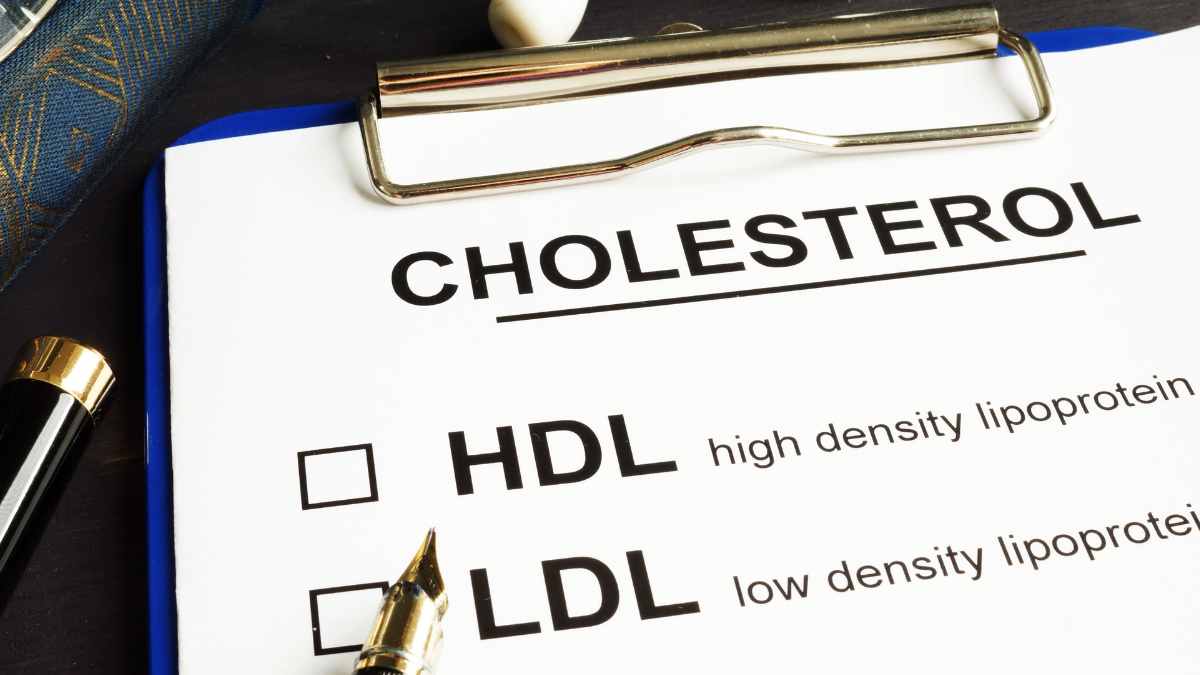
Cholesterol is categorized into two main types: low-density lipoprotein (LDL) and high-density lipoprotein (HDL). LDL cholesterol, often referred to as "bad" cholesterol, can accumulate in the walls of arteries, leading to atherosclerosis, which increases the risk of heart disease and stroke. In contrast, HDL cholesterol, known as "good" cholesterol, helps transport cholesterol away from the arteries and back to the liver for excretion. Maintaining a healthy balance between these two types is crucial for cardiovascular health.
High levels of LDL cholesterol are associated with several risk factors, including obesity, sedentary lifestyle, poor diet, and genetic predisposition. Elevated cholesterol levels can lead to the formation of plaques in the arteries, narrowing them and making it more difficult for blood to flow. This condition can ultimately result in serious cardiovascular events, making cholesterol management a priority for many individuals.
Monitoring cholesterol levels through regular blood tests is essential for understanding one’s cardiovascular health. The American Heart Association recommends that adults have their cholesterol levels checked every four to six years, starting at age 20. For those with risk factors, more frequent monitoring may be necessary.
In addition to regular check-ups, understanding the implications of cholesterol levels on overall health can empower individuals to make informed lifestyle choices. This knowledge can motivate individuals to adopt healthier dietary habits and engage in regular physical activity, both of which play a crucial role in managing cholesterol levels.
The Role of Dietary Choices in Cholesterol Management
Dietary choices significantly influence cholesterol levels and overall heart health. Consuming a diet high in saturated fats, trans fats, and cholesterol can raise LDL cholesterol levels, while a diet rich in fruits, vegetables, whole grains, and healthy fats can help lower them. Foods high in fiber, such as oats, legumes, and fruits, can bind to cholesterol in the digestive system and help eliminate it from the body.
Incorporating healthy fats, such as those found in olive oil, avocados, and fatty fish, can also support cholesterol management. These fats can increase HDL cholesterol levels while lowering LDL cholesterol. Additionally, certain foods, like nuts and seeds, are rich in plant sterols and stanols, which can further aid in reducing cholesterol absorption in the intestines.
The Mediterranean diet, characterized by high consumption of fruits, vegetables, whole grains, and healthy fats, has been shown to improve cholesterol levels and reduce the risk of heart disease. This approach emphasizes the importance of whole, minimally processed foods and encourages the reduction of refined sugars and unhealthy fats.
As individuals seek to manage their cholesterol levels, understanding the impact of dietary choices is paramount. Adopting a heart-healthy diet can lead to significant improvements in cholesterol levels and overall cardiovascular health.
Investigating the Nutritional Profile of Lemon Water
Lemon water is a simple beverage made by mixing fresh lemon juice with water. While it is low in calories and contains minimal macronutrients, it is rich in vitamin C, antioxidants, and flavonoids. Vitamin C is a powerful antioxidant that helps protect cells from oxidative stress and may contribute to heart health.
The flavonoids found in lemons, particularly hesperidin and diosmin, have been studied for their potential health benefits, including anti-inflammatory and cholesterol-lowering effects. These compounds may help improve blood vessel function and reduce the risk of cardiovascular diseases.
Moreover, lemon water is often consumed as a detoxifying drink, with proponents claiming it aids digestion and promotes hydration. Staying well-hydrated is essential for overall health and can support metabolic processes, including those involved in cholesterol management.
While lemon water alone may not be a miracle solution for lowering cholesterol, its nutritional profile suggests that it can be a beneficial addition to a heart-healthy diet. Incorporating lemon water as part of a balanced diet may provide additional health benefits that support cholesterol management.
Mechanisms: How Lemon Water May Affect Cholesterol Levels
The potential impact of lemon water on cholesterol levels can be attributed to several mechanisms. Firstly, the antioxidant properties of vitamin C and flavonoids may help reduce oxidative stress, which is linked to the development of atherosclerosis. By combating oxidative stress, lemon water may contribute to improved endothelial function and reduced inflammation in the cardiovascular system.
Secondly, the high citric acid content in lemons may play a role in enhancing the absorption of certain nutrients and promoting better digestion. Improved digestion can lead to more efficient nutrient absorption and utilization, potentially influencing cholesterol metabolism.
Furthermore, lemon water is often consumed as part of a hydration strategy. Adequate hydration is crucial for maintaining optimal metabolic function, including the processes involved in lipid metabolism. Staying hydrated can support liver function, which is essential for cholesterol synthesis and regulation.
Lastly, the incorporation of lemon water into a balanced diet may encourage healthier lifestyle choices. Individuals who prioritize hydration and consume lemon water may be more inclined to make other heart-healthy dietary decisions, further supporting cholesterol management.
Review of Scientific Studies on Lemon Water and Cholesterol
While there is limited direct research specifically focusing on lemon water and its effects on cholesterol levels, several studies have investigated the health benefits of lemon and its constituents. One study published in the Journal of Nutrition found that citrus flavonoids, including those found in lemons, can help lower LDL cholesterol levels and improve overall lipid profiles.
Another study published in the American Journal of Clinical Nutrition indicated that the consumption of vitamin C-rich foods is associated with lower cholesterol levels and a reduced risk of cardiovascular disease. These findings suggest that the antioxidant properties of lemon may play a role in cholesterol management.
Additionally, research has shown that a diet rich in fruits and vegetables, including citrus fruits, can lead to improved heart health. A meta-analysis published in Circulation found that increased fruit and vegetable intake is linked to lower cholesterol levels and a reduced risk of heart disease.
While more research is needed to establish a direct causal relationship between lemon water and cholesterol levels, the existing studies highlight the potential benefits of incorporating lemons and their constituents into a heart-healthy diet.
Practical Recommendations for Incorporating Lemon Water
Incorporating lemon water into your daily routine can be simple and enjoyable. Start by squeezing half a lemon into a glass of water, adjusting the amount to your taste preferences. For added flavor, consider infusing lemon water with other fruits, herbs, or spices, such as mint or ginger.
To maximize the potential health benefits, aim to consume lemon water regularly, perhaps in the morning as a refreshing start to the day or throughout the day as a hydrating beverage. Pairing lemon water with a balanced diet rich in whole foods can enhance its effects on cholesterol management.
It’s essential to remember that lemon water should not be viewed as a standalone solution for cholesterol management. Instead, it should be part of a comprehensive approach that includes a heart-healthy diet, regular physical activity, and routine health check-ups.
Lastly, be mindful of dental health when consuming lemon water, as the acidity can erode tooth enamel. To mitigate this risk, consider drinking lemon water through a straw and rinsing your mouth with plain water afterward.
Conclusions:
While lemon water may not be a definitive solution for lowering cholesterol, its nutritional profile and potential health benefits suggest that it can be a valuable addition to a heart-healthy lifestyle. By understanding the role of dietary choices in cholesterol management and incorporating lemon water into a balanced diet, individuals can take proactive steps toward improving their cardiovascular health.
Read more
-
American Heart Association – Understanding Cholesterol – A comprehensive overview of cholesterol types and their implications for heart health.
-
Journal of Nutrition – Citrus Flavonoids and Cholesterol – A study exploring the effects of citrus flavonoids on cholesterol levels.
-
American Journal of Clinical Nutrition – Vitamin C and Cholesterol – Research linking vitamin C intake to cholesterol management.
-
Circulation – Fruits and Vegetables Intake and Heart Health – A meta-analysis examining the relationship between fruit and vegetable consumption and cardiovascular health.
-
Mayo Clinic – Cholesterol: Top Foods to Improve Your Numbers – Practical dietary recommendations for managing cholesterol levels.