

Introduction:
Cholesterol is a waxy substance found in the cells of the body and in the bloodstream. While it is essential for various bodily functions, including the production of hormones and vitamin D, elevated levels can pose significant health risks. The question arises: can individuals live with high cholesterol and still maintain a healthy lifestyle? This article explores the complexities of cholesterol, its impact on health, and the strategies for managing elevated levels effectively.
Understanding Cholesterol: Types and Their Functions
Cholesterol is classified into two primary types: low-density lipoprotein (LDL) and high-density lipoprotein (HDL). LDL cholesterol is often referred to as "bad" cholesterol because high levels can lead to plaque buildup in the arteries, increasing the risk of heart disease and stroke. Conversely, HDL cholesterol is known as "good" cholesterol, as it helps remove LDL cholesterol from the bloodstream, transporting it to the liver for excretion. Understanding these distinctions is crucial for assessing cholesterol’s role in overall health.
In addition to LDL and HDL, triglycerides are another type of fat found in the blood. Elevated triglyceride levels can also contribute to the risk of cardiovascular diseases. The balance between these types of cholesterol is essential; while some cholesterol is necessary for health, excess levels, particularly of LDL, can be detrimental. Thus, maintaining a healthy ratio of LDL to HDL is a key factor in cardiovascular health.
Cholesterol is produced by the liver and can also be obtained from dietary sources, primarily animal products. The body requires cholesterol for the formation of cell membranes and the synthesis of certain hormones, such as estrogen and testosterone. However, when dietary intake exceeds the body’s needs or when the liver produces too much cholesterol, it can lead to elevated levels in the bloodstream.
In summary, understanding the different types of cholesterol and their functions is fundamental to grasping how they affect health. While cholesterol is necessary for various physiological processes, maintaining a healthy balance is crucial to preventing potential health issues associated with high cholesterol levels.
The Impact of High Cholesterol on Cardiovascular Health
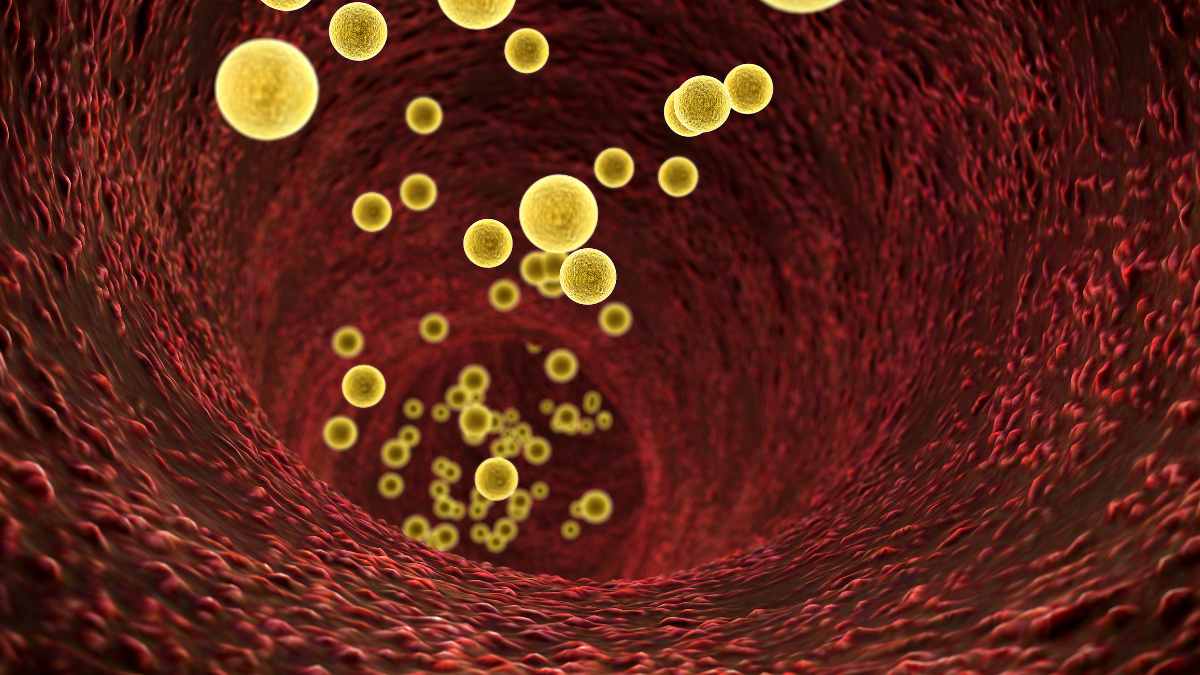
High cholesterol levels are a significant risk factor for cardiovascular diseases, including coronary artery disease, heart attacks, and strokes. When LDL cholesterol accumulates in the arteries, it can form plaques that narrow and harden the arteries, a condition known as atherosclerosis. This process can lead to reduced blood flow and oxygen supply to the heart and brain, resulting in serious health complications.
Research indicates that individuals with high LDL cholesterol levels are at a greater risk of developing heart disease. The American Heart Association recommends regular cholesterol screenings to monitor levels, especially for those with additional risk factors such as a family history of heart disease, obesity, or a sedentary lifestyle. Understanding one’s cholesterol levels is essential for proactive health management.
Moreover, high cholesterol can also contribute to other health issues beyond cardiovascular diseases. For instance, it may increase the risk of developing pancreatitis, a condition characterized by inflammation of the pancreas. Elevated cholesterol levels can also be associated with metabolic syndrome, a cluster of conditions that increase the risk of heart disease, stroke, and diabetes.
In conclusion, high cholesterol poses significant risks to cardiovascular health and overall well-being. Awareness of these risks is vital for individuals with elevated cholesterol levels to take appropriate measures to manage their health effectively.
Assessing Risk Factors Associated with High Cholesterol
Several risk factors contribute to high cholesterol levels, some of which are modifiable while others are not. Non-modifiable risk factors include genetics and age. Individuals with a family history of high cholesterol or heart disease are more likely to experience elevated cholesterol levels. Additionally, cholesterol levels tend to increase with age, making it essential for older adults to monitor their levels regularly.
Modifiable risk factors include lifestyle choices such as diet, physical activity, and smoking. A diet high in saturated fats, trans fats, and cholesterol can lead to increased LDL levels. Conversely, a diet rich in fruits, vegetables, whole grains, and healthy fats can help improve cholesterol levels. Regular physical activity is also crucial, as it can raise HDL cholesterol while lowering LDL cholesterol and triglycerides.
Obesity is another significant risk factor for high cholesterol. Excess body weight can lead to increased LDL levels and decreased HDL levels, further exacerbating the risk of cardiovascular diseases. Therefore, maintaining a healthy weight through balanced nutrition and regular exercise is vital for managing cholesterol levels.
In summary, understanding the risk factors associated with high cholesterol is essential for effective management. By addressing modifiable risk factors and being aware of non-modifiable ones, individuals can take proactive steps to maintain healthy cholesterol levels and reduce their risk of cardiovascular diseases.
Lifestyle Modifications to Manage Cholesterol Levels
Making lifestyle modifications is one of the most effective ways to manage cholesterol levels. A heart-healthy diet is paramount. This includes reducing the intake of saturated fats found in red meat and full-fat dairy products, as well as eliminating trans fats found in many processed foods. Instead, individuals should focus on incorporating healthy fats, such as those found in avocados, nuts, and olive oil, which can help improve cholesterol levels.
Regular physical activity is another critical component of managing cholesterol. Engaging in at least 150 minutes of moderate-intensity aerobic exercise per week can help raise HDL cholesterol while lowering LDL cholesterol. Activities such as walking, cycling, and swimming are excellent options for promoting cardiovascular health.
Quitting smoking and reducing alcohol consumption can also have a positive impact on cholesterol levels. Smoking is known to lower HDL cholesterol and increase the risk of heart disease. Similarly, excessive alcohol consumption can lead to higher triglyceride levels. By adopting healthier habits, individuals can significantly improve their cholesterol profiles and overall health.
In conclusion, lifestyle modifications play a crucial role in managing cholesterol levels. By focusing on a balanced diet, regular exercise, and avoiding harmful habits, individuals can take control of their cholesterol and enhance their health.
Medical Interventions for High Cholesterol Management
In some cases, lifestyle modifications alone may not be sufficient to manage high cholesterol levels. For individuals at high risk for cardiovascular diseases or those with significantly elevated cholesterol levels, medical interventions may be necessary. Statins are the most commonly prescribed medications for lowering LDL cholesterol. They work by inhibiting the liver’s ability to produce cholesterol, resulting in lower levels in the bloodstream.
Other classes of cholesterol-lowering medications include bile acid sequestrants, cholesterol absorption inhibitors, and PCSK9 inhibitors. Each of these medications has a unique mechanism of action and may be prescribed based on individual health needs and cholesterol levels. It is essential for patients to work closely with their healthcare providers to determine the most appropriate treatment plan.
Regular monitoring of cholesterol levels is vital for individuals undergoing medical treatment. Healthcare providers may recommend periodic blood tests to assess the effectiveness of the prescribed medications and to make any necessary adjustments. Additionally, patients should be encouraged to maintain open communication with their healthcare providers regarding any side effects or concerns related to their treatment.
In summary, while lifestyle changes are crucial for managing high cholesterol, medical interventions may be necessary for some individuals. A collaborative approach between patients and healthcare providers can lead to effective cholesterol management and improved health outcomes.
Long-Term Health Outcomes with Elevated Cholesterol Levels
The long-term health outcomes associated with elevated cholesterol levels can be significant. Persistent high LDL cholesterol can lead to the development of atherosclerosis, increasing the risk of heart attacks and strokes. Studies have shown that individuals with untreated high cholesterol are more likely to experience cardiovascular events compared to those with normal cholesterol levels.
Moreover, high cholesterol can have implications beyond cardiovascular health. Research suggests a potential link between elevated cholesterol levels and other conditions, such as cognitive decline and Alzheimer’s disease. While the exact relationship is still being studied, maintaining healthy cholesterol levels may contribute to better brain health as individuals age.
It is also important to consider the psychological impact of living with high cholesterol. Individuals may experience anxiety or stress related to their health, particularly if they have a family history of heart disease. This psychological burden can affect overall well-being and should be addressed as part of a comprehensive health management plan.
In conclusion, the long-term health outcomes associated with elevated cholesterol levels underscore the importance of proactive management. By understanding the risks and taking appropriate measures, individuals can work towards maintaining optimal health and reducing the likelihood of serious health complications.
Conclusions:
Living with high cholesterol does not automatically equate to poor health, but it does necessitate proactive management. By understanding cholesterol types, assessing risk factors, making lifestyle modifications, and seeking medical interventions when necessary, individuals can maintain a healthy lifestyle even with elevated cholesterol levels. Regular monitoring and collaboration with healthcare providers are essential for achieving long-term health outcomes.
Read more
- American Heart Association: Understanding Cholesterol – A comprehensive resource on cholesterol types, functions, and health implications.
- Centers for Disease Control and Prevention: High Cholesterol Facts – Information on high cholesterol, its effects, and prevention strategies.
- Mayo Clinic: Cholesterol Management – Overview of high cholesterol, including causes, symptoms, and treatment options.
- National Heart, Lung, and Blood Institute: High Blood Cholesterol – Detailed information on high blood cholesterol, risk factors, and management strategies.
- Harvard Health Publishing: Cholesterol and Heart Disease – Insights into the relationship between cholesterol levels and heart disease, along with management tips.