

Introduction:
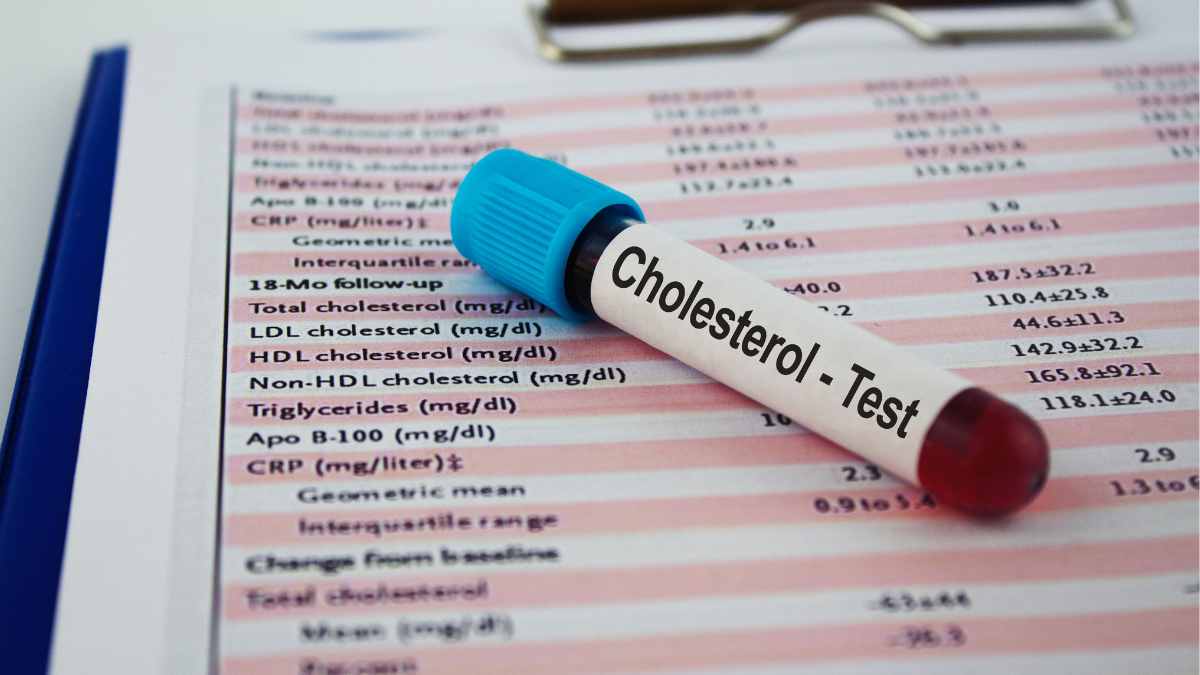
Cholesterol tests are crucial in assessing cardiovascular health, as they provide insights into lipid levels in the bloodstream. These tests measure various types of cholesterol, including low-density lipoprotein (LDL), high-density lipoprotein (HDL), and triglycerides. With the growing popularity of coffee as a daily beverage for millions, questions arise regarding its potential impact on cholesterol test results. This article explores the relationship between coffee consumption and cholesterol testing, aiming to clarify whether coffee affects the accuracy of these important health assessments.
Understanding Cholesterol Tests and Their Importance in Health
Cholesterol tests, commonly referred to as lipid panels, are essential for evaluating an individual’s risk of heart disease and stroke. These tests analyze the levels of different lipoproteins in the blood, providing a comprehensive overview of cardiovascular health. High levels of LDL cholesterol are associated with an increased risk of atherosclerosis, while HDL cholesterol is often termed "good" cholesterol due to its protective effects on heart health. Monitoring these levels is vital for early detection and management of potential cardiovascular issues.
The importance of cholesterol tests extends beyond just individual health; they play a significant role in public health initiatives aimed at reducing heart disease prevalence. Regular testing can help identify individuals at risk, allowing for timely interventions such as lifestyle modifications or medication. Understanding cholesterol levels empowers patients and healthcare providers to make informed decisions about diet, exercise, and other lifestyle factors that contribute to heart health.
In addition to standard lipid panels, healthcare providers may also consider factors such as family history, age, and lifestyle when interpreting cholesterol test results. This comprehensive approach ensures that individuals receive personalized care tailored to their specific health profiles. Regular monitoring of cholesterol levels is particularly important for individuals with existing health conditions, such as diabetes or hypertension, which can further complicate cardiovascular health.
As the understanding of cholesterol and its implications for health evolves, so too does the approach to testing and management. Emerging research continues to shed light on the complex relationship between diet, lifestyle, and cholesterol levels, prompting healthcare professionals to stay informed about the latest findings in the field.
The Role of Coffee in Metabolism and Lipid Profiles
Coffee is one of the most widely consumed beverages globally, known for its stimulating effects primarily due to caffeine. Beyond its immediate effects on alertness and energy levels, coffee has been the subject of extensive research regarding its influence on metabolism and lipid profiles. The bioactive compounds found in coffee, such as chlorogenic acids and antioxidants, may have varying effects on lipid metabolism, potentially influencing cholesterol levels.
Caffeine, the primary active ingredient in coffee, is known to stimulate the central nervous system and can affect metabolic processes. Studies have suggested that caffeine may enhance fat oxidation, which could theoretically impact lipid profiles. However, the relationship between caffeine consumption and cholesterol levels is complex and may depend on individual factors such as genetics, overall diet, and lifestyle.
Moreover, the method of coffee preparation can also play a role in its health effects. For instance, unfiltered coffee, such as French press or Turkish coffee, contains higher levels of cafestol and kahweol, compounds that have been shown to raise LDL cholesterol levels. In contrast, filtered coffee may have a lesser impact on cholesterol due to the removal of these compounds during the brewing process. Understanding these nuances is essential for individuals concerned about their cholesterol levels and coffee consumption.
As coffee continues to be a staple in many diets, ongoing research aims to clarify its role in health and disease. The potential benefits of coffee, such as its antioxidant properties, must be weighed against its possible effects on cholesterol levels, particularly for individuals at risk of cardiovascular disease.
Examining the Impact of Caffeine on Cholesterol Levels
The relationship between caffeine and cholesterol levels has been a topic of interest for researchers for decades. Some studies suggest that caffeine consumption may lead to a temporary increase in cholesterol levels, while others indicate no significant impact. The variability in findings can be attributed to several factors, including the amount of coffee consumed, individual metabolic responses, and the specific type of coffee.
Research has shown that moderate coffee consumption is generally associated with a reduced risk of cardiovascular disease. However, the impact of caffeine on cholesterol levels can vary significantly among individuals. For example, some people may metabolize caffeine more slowly, leading to prolonged exposure to its effects, which could influence lipid profiles differently than in those who metabolize it quickly. This variability underscores the importance of personalized health assessments when considering dietary choices.
Additionally, the timing of coffee consumption in relation to cholesterol testing may also influence results. Drinking coffee shortly before a test could potentially skew lipid levels, leading to inaccurate assessments. Therefore, understanding how caffeine interacts with cholesterol metabolism is crucial for both patients and healthcare providers when interpreting test results.
The ongoing exploration of caffeine’s effects on cholesterol levels highlights the complexity of dietary influences on health. As more studies emerge, it becomes increasingly important for individuals to consider their unique responses to coffee and caffeine when evaluating their overall cardiovascular risk.
Research Findings: Coffee Consumption and Cholesterol Tests
Numerous studies have investigated the relationship between coffee consumption and cholesterol levels, yielding mixed results. Some research indicates that moderate coffee drinkers may experience lower risks of heart disease, while other studies suggest that certain types of coffee may elevate LDL cholesterol levels. The inconsistency in findings can be attributed to variations in study design, population demographics, and coffee preparation methods.
A meta-analysis of various studies found that filtered coffee consumption was generally associated with lower cholesterol levels compared to unfiltered coffee. This finding suggests that the method of preparation plays a critical role in determining the impact of coffee on lipid profiles. Unfiltered coffee, which retains higher levels of cafestol and kahweol, has been linked to increased LDL cholesterol levels, emphasizing the importance of brewing methods in health considerations.
Furthermore, some studies have suggested that coffee consumption may have a protective effect against cardiovascular disease, particularly in individuals with a genetic predisposition to high cholesterol. The presence of antioxidants in coffee may contribute to this protective effect, highlighting the potential benefits of moderate coffee consumption as part of a balanced diet.
Despite the mixed findings, it is clear that coffee consumption can influence cholesterol test results. Therefore, healthcare providers often recommend that patients refrain from consuming coffee for at least 12 hours prior to testing to ensure accurate measurements of lipid levels. This precaution helps mitigate any potential effects of caffeine on cholesterol metabolism, allowing for a clearer understanding of an individual’s cardiovascular health.
Recommendations for Coffee Intake Before Testing Procedures
Given the potential impact of coffee on cholesterol test results, it is essential for individuals to follow specific guidelines regarding coffee consumption prior to testing. Most healthcare professionals recommend abstaining from coffee and other caffeinated beverages for at least 12 hours before a cholesterol test. This fasting period allows for a more accurate assessment of lipid levels, minimizing the risk of caffeine-induced fluctuations.
In addition to refraining from coffee, individuals should also consider other dietary factors that may influence cholesterol levels. For instance, consuming high-fat or high-sugar foods before a test can also skew results. Maintaining a balanced diet in the days leading up to the test can help ensure that the results reflect the individual’s typical lipid profile.
It is also advisable for individuals to inform their healthcare providers about their coffee consumption habits. This information can provide valuable context when interpreting test results and determining appropriate management strategies. Open communication with healthcare professionals can lead to more personalized care and better health outcomes.
Ultimately, understanding the relationship between coffee and cholesterol testing is crucial for individuals concerned about their cardiovascular health. By following recommended guidelines and being mindful of coffee consumption, patients can help ensure that their cholesterol tests provide accurate and meaningful insights into their health.
Conclusions:
The relationship between coffee consumption and cholesterol tests is complex and multifaceted. While coffee can influence lipid profiles, particularly depending on preparation methods and individual metabolic responses, understanding these dynamics is crucial for accurate health assessments. By adhering to recommended guidelines regarding coffee intake before testing and maintaining open communication with healthcare providers, individuals can better navigate their cardiovascular health. Ongoing research will continue to shed light on the intricate connections between diet, lifestyle, and cholesterol levels, ultimately guiding more effective health management strategies.
Read more
- American Heart Association – Cholesterol – This resource provides comprehensive information on cholesterol, its types, and the importance of cholesterol testing in cardiovascular health.
- Mayo Clinic – Cholesterol Test – An overview of cholesterol tests, including what to expect and how to prepare for testing.
- National Institutes of Health – Coffee and Health – A detailed study on the effects of coffee consumption on health, including its impact on cholesterol levels.
- Harvard Health Publishing – Coffee and Cholesterol – An article discussing the relationship between coffee consumption and cholesterol, highlighting recent research findings.
- Cleveland Clinic – Caffeine and Cholesterol – Insights into how caffeine affects cholesterol levels and recommendations for coffee consumption before testing.