

Se hai un abbonamento attivo ACCEDI QUI
Introduction to Cholesterol and Its Health Implications
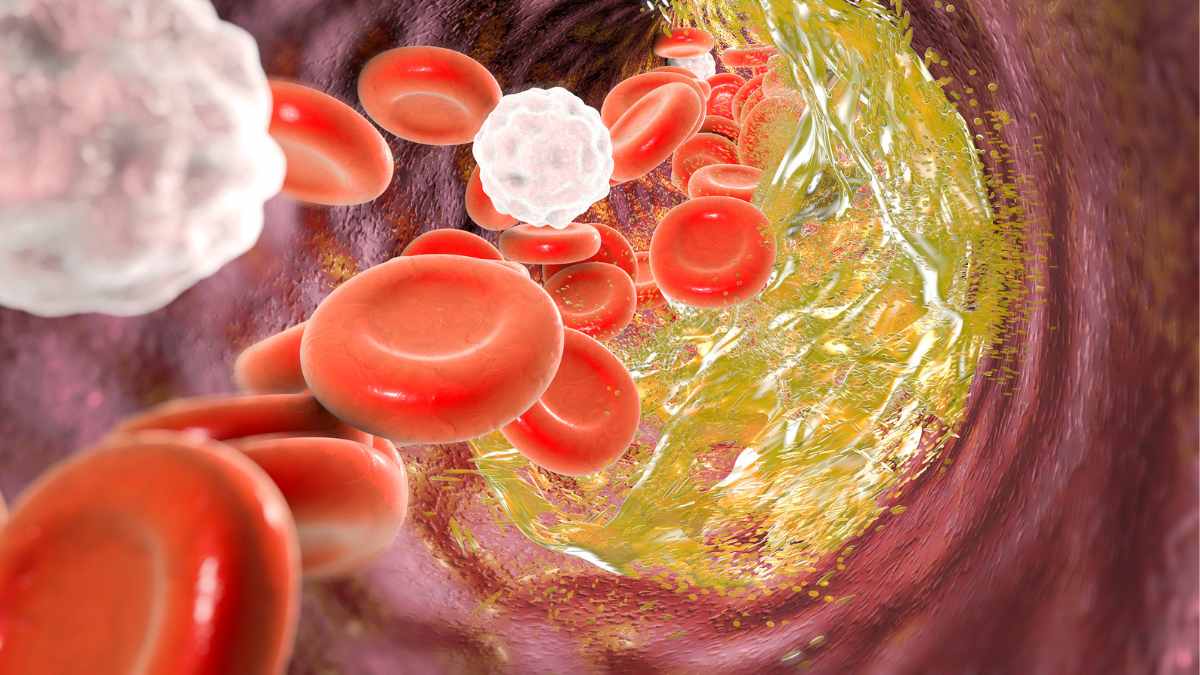
Cholesterol is a waxy, fat-like substance found in every cell of the body, playing a crucial role in various physiological processes, including the formation of cell membranes and the synthesis of hormones. However, elevated cholesterol levels can lead to serious health issues, including cardiovascular diseases, stroke, and heart attacks. Cholesterol is transported in the bloodstream by lipoproteins, primarily low-density lipoprotein (LDL) and high-density lipoprotein (HDL). While LDL is often referred to as "bad" cholesterol due to its association with plaque buildup in arteries, HDL is considered "good" cholesterol because it helps remove LDL from the bloodstream.
The balance between these two types of cholesterol is essential for maintaining heart health. A diet high in saturated fats, trans fats, and cholesterol can increase LDL levels, while a diet rich in fruits, vegetables, whole grains, and healthy fats can promote higher HDL levels. Lifestyle factors such as physical activity, smoking, and weight management also play significant roles in cholesterol levels. As a result, many individuals seek dietary interventions to manage their cholesterol levels effectively.
Among the various natural remedies and dietary changes proposed, lemon water has gained attention for its potential health benefits. Lemon, a citrus fruit rich in vitamin C and antioxidants, is often touted for its ability to detoxify the body and improve overall health. However, the specific effects of lemon water on cholesterol levels remain a topic of interest and research.
This article aims to explore the relationship between lemon water and cholesterol reduction, examining its nutritional properties, mechanisms of action, clinical evidence, and potential benefits and risks associated with its consumption.
The Role of Lemon Water in Nutritional Science
Lemon water is a simple beverage made by mixing fresh lemon juice with water. This drink is low in calories and provides a refreshing alternative to sugary beverages. Lemons are rich in vitamin C, flavonoids, and other antioxidants, which contribute to their health-promoting properties. The primary active compounds in lemons include citric acid, ascorbic acid (vitamin C), and various phytonutrients that may have beneficial effects on health.
The consumption of lemon water is often associated with hydration, which is vital for maintaining optimal bodily functions. Adequate hydration can enhance metabolic processes, support digestion, and improve nutrient absorption. Furthermore, the antioxidants present in lemon may help combat oxidative stress, which is linked to various chronic diseases, including heart disease.
In the context of cholesterol management, lemon water’s potential benefits may stem from its ability to improve overall dietary habits. Many people who incorporate lemon water into their daily routine may also be more inclined to adopt healthier eating patterns, such as increasing their intake of fruits and vegetables while reducing processed foods high in unhealthy fats.
While lemon water is not a miracle solution for cholesterol reduction, its incorporation into a balanced diet may complement other lifestyle changes aimed at improving lipid profiles. Understanding the mechanisms through which lemon water may influence cholesterol levels is essential for evaluating its efficacy.
Mechanisms of Action: How Lemon Water Affects Cholesterol
The potential impact of lemon water on cholesterol levels can be attributed to several mechanisms. First, the high vitamin C content in lemons has been shown to have a positive effect on lipid metabolism. Vitamin C is an antioxidant that helps reduce oxidative stress and inflammation, both of which are linked to elevated cholesterol levels and cardiovascular diseases.
Second, the citric acid in lemons may play a role in enhancing the absorption of certain nutrients, such as magnesium and potassium, which are essential for heart health. These minerals help regulate blood pressure and support overall cardiovascular function. Additionally, citric acid may aid in the digestion of fats, potentially leading to improved lipid profiles.
Another important aspect is the fiber content found in lemons, particularly in the pulp. Although lemon water typically contains less fiber than whole lemons, any fiber present can contribute to improved cholesterol levels. Soluble fiber has been shown to bind to cholesterol in the digestive system, preventing its absorption and promoting its excretion from the body.
Lastly, the alkalizing effect of lemon water may also contribute to better metabolic health. Although lemons are acidic in nature, they have an alkalizing effect once metabolized, which may help balance the body’s pH levels. A balanced pH is essential for optimal cellular function and may influence lipid metabolism.
Review of Clinical Studies on Lemon Water and Lipid Levels
While there is a growing body of anecdotal evidence supporting the health benefits of lemon water, scientific research specifically examining its effects on cholesterol levels is limited. Some studies have investigated the impact of citrus fruits and their extracts on lipid profiles, providing insights that may be relevant to lemon water consumption.
One study published in the "Journal of Nutritional Biochemistry" found that citrus flavonoids, particularly hesperidin and naringin, can help lower LDL cholesterol and triglycerides while increasing HDL cholesterol levels. These findings suggest that the consumption of citrus fruits, including lemons, may positively influence lipid metabolism.
Another clinical trial focused on the effects of lemon juice on metabolic syndrome participants. The results indicated that regular consumption of lemon juice led to significant reductions in total cholesterol and LDL levels, as well as improvements in other metabolic markers. While this study did not specifically use lemon water, it highlights the potential lipid-lowering effects of lemon components.
Despite these promising findings, more rigorous studies are needed to establish a direct causal relationship between lemon water consumption and cholesterol reduction. Most existing research focuses on whole fruits or concentrated extracts, making it challenging to draw definitive conclusions about the efficacy of lemon water alone.
Potential Benefits and Risks of Lemon Water Consumption
Incorporating lemon water into a daily routine can offer several potential benefits beyond cholesterol management. The high vitamin C content supports immune function, while the antioxidants present in lemons may help protect against chronic diseases. Additionally, lemon water can aid digestion, promote hydration, and serve as a low-calorie alternative to sugary beverages.
However, it is essential to consider potential risks associated with excessive lemon water consumption. The acidity of lemon juice can erode tooth enamel over time, leading to dental issues. To mitigate this risk, it is advisable to drink lemon water through a straw and rinse the mouth with plain water afterward.
Furthermore, individuals with certain medical conditions, such as gastroesophageal reflux disease (GERD), may experience worsened symptoms due to the acidity of lemon juice. It is crucial for these individuals to consult with healthcare professionals before incorporating lemon water into their diets.
Lastly, while lemon water can be a beneficial addition to a healthy lifestyle, it should not be viewed as a standalone solution for cholesterol management. It is most effective when combined with a balanced diet, regular physical activity, and other lifestyle modifications aimed at improving overall health.
Conclusions: Evaluating Lemon Water’s Efficacy for Cholesterol
In summary, lemon water may offer several potential benefits for individuals seeking to manage their cholesterol levels. The presence of vitamin C, citric acid, and antioxidants in lemons suggests that this simple beverage could positively influence lipid metabolism. However, the current body of scientific evidence specifically linking lemon water to cholesterol reduction remains limited.
While some studies have shown promising results regarding the effects of citrus fruits on lipid profiles, more rigorous clinical trials are needed to establish a direct connection between lemon water consumption and changes in cholesterol levels. It is essential to approach lemon water as a complementary component of a broader strategy for heart health, rather than a standalone remedy.
Ultimately, individuals looking to improve their cholesterol levels should focus on a holistic approach that includes a balanced diet, regular exercise, and lifestyle modifications. Lemon water can be a refreshing addition to this regimen, but it should be consumed mindfully and in conjunction with other healthy habits.
Read more
-
American Heart Association: Understanding Cholesterol – A comprehensive overview of cholesterol, its types, and its impact on heart health.
-
National Institutes of Health: Vitamin C – Detailed information about vitamin C, its functions, and its health benefits.
-
Journal of Nutritional Biochemistry: Citrus Flavonoids and Lipid Metabolism – A study exploring the effects of citrus flavonoids on cholesterol levels and lipid metabolism.
-
Mayo Clinic: Dietary Recommendations for High Cholesterol – Guidelines for dietary changes to manage high cholesterol.
-
Healthline: Lemon Water Benefits – An article discussing the various health benefits of lemon water, including hydration and antioxidant properties.