

Se hai un abbonamento attivo ACCEDI QUI
Introduction:
Lowering LDL cholesterol, often referred to as "bad" cholesterol, is a crucial step in maintaining cardiovascular health. Elevated levels of LDL can lead to plaque buildup in arteries, increasing the risk of heart disease and stroke. While lifestyle changes can take time to show results, there are effective strategies to lower LDL cholesterol quickly. This article explores various methods, including dietary modifications, physical activity, medications, and long-term strategies for sustaining healthy cholesterol levels.
Understanding LDL Cholesterol and Its Health Implications
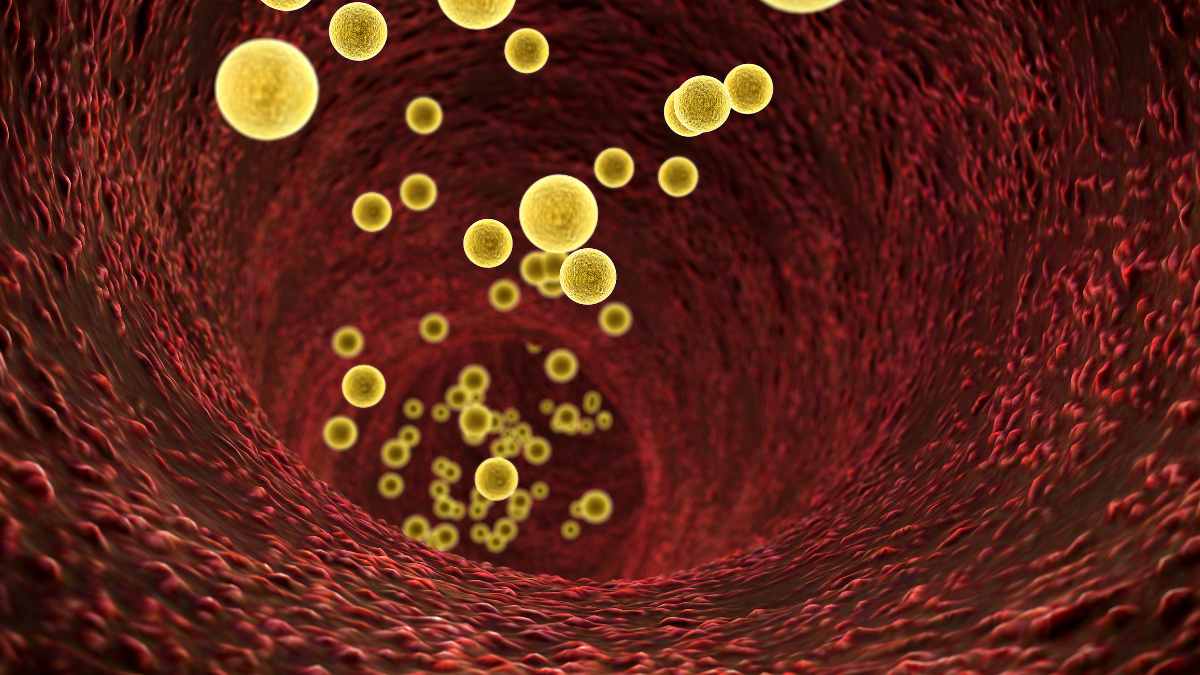
LDL cholesterol is a type of lipoprotein that carries cholesterol from the liver to the cells. When present in excess, it can accumulate in the walls of arteries, leading to atherosclerosis—a condition characterized by narrowed and hardened arteries. This process can significantly increase the risk of cardiovascular diseases, including heart attacks and strokes. Understanding the implications of high LDL levels is essential for proactive health management.
The American Heart Association recommends that adults maintain an LDL level below 100 mg/dL for optimal heart health. Levels between 100-129 mg/dL are considered near optimal, while 130-159 mg/dL is borderline high. Recognizing these thresholds can help individuals take timely action to manage their cholesterol levels. Regular screenings are essential, especially for those with a family history of heart disease or other risk factors.
In addition to its role in cardiovascular health, high LDL cholesterol may also be linked to other health issues, such as metabolic syndrome and type 2 diabetes. This connection underscores the importance of maintaining a healthy lifestyle. Individuals with elevated LDL levels should be aware of the potential systemic effects and prioritize strategies to lower their cholesterol.
Moreover, understanding the distinction between LDL and HDL (high-density lipoprotein) cholesterol is crucial. HDL is often termed "good" cholesterol because it helps remove LDL from the bloodstream. A balanced approach to cholesterol management involves not only lowering LDL but also increasing HDL levels.
Dietary Modifications to Reduce LDL Cholesterol Levels
One of the most effective ways to lower LDL cholesterol quickly is through dietary changes. Incorporating heart-healthy foods can significantly impact cholesterol levels. Foods high in soluble fiber, such as oats, beans, lentils, and fruits, can help reduce LDL absorption in the bloodstream. Adding these foods to your diet can create a favorable environment for cholesterol management.
In addition to fiber, incorporating healthy fats is essential. Replacing saturated fats found in red meat and full-fat dairy products with unsaturated fats from sources like olive oil, avocados, and nuts can lower LDL levels. Omega-3 fatty acids, found in fatty fish like salmon and mackerel, are also beneficial for heart health and can help reduce overall cholesterol levels.
Limiting processed foods and sugars is another critical dietary modification. Trans fats, often found in fried and commercially baked goods, can significantly raise LDL cholesterol. Reading food labels and avoiding items with hydrogenated oils can help individuals make healthier choices that support their cholesterol goals.
Finally, portion control and mindful eating practices can also contribute to lower LDL levels. Being conscious of caloric intake and avoiding overeating can lead to weight loss, which is beneficial for cholesterol management. A balanced diet, combined with portion control, can create a sustainable approach to lowering LDL cholesterol.
The Role of Physical Activity in Lowering LDL Cholesterol
Regular physical activity is a cornerstone of any effective strategy for lowering LDL cholesterol. Exercise helps improve overall cardiovascular health and can lead to significant reductions in LDL levels. Engaging in aerobic activities such as walking, running, cycling, or swimming for at least 150 minutes per week is recommended for optimal benefits.
Incorporating strength training exercises at least twice a week can also enhance cholesterol management. Building muscle mass increases metabolic rate, which can help burn more calories and reduce body fat. A lower body fat percentage is associated with improved cholesterol profiles, including lower LDL levels.
Moreover, high-intensity interval training (HIIT) has been shown to be particularly effective in improving lipid profiles. Short bursts of intense exercise followed by recovery periods can lead to greater reductions in LDL cholesterol compared to moderate-intensity exercise alone. This method can be especially appealing for those with limited time to dedicate to workouts.
Finally, consistency is key. Establishing a regular exercise routine not only aids in lowering LDL but also enhances overall well-being. Finding enjoyable activities can increase adherence and make it easier to maintain an active lifestyle, which is crucial for long-term cholesterol management.
Medications and Supplements for Rapid LDL Reduction
For individuals who require more immediate results in lowering LDL cholesterol, medications may be necessary. Statins are the most commonly prescribed medications for this purpose. They work by inhibiting the enzyme responsible for cholesterol production in the liver, leading to significant reductions in LDL levels.
In addition to statins, other classes of medications, such as bile acid sequestrants and PCSK9 inhibitors, can also be effective. Bile acid sequestrants help remove cholesterol from the bloodstream, while PCSK9 inhibitors can dramatically lower LDL levels, especially in individuals with familial hypercholesterolemia. Consulting with a healthcare provider is essential to determine the most appropriate medication based on individual health needs.
Supplements can also play a supportive role in lowering LDL cholesterol. Plant sterols and stanols, found in fortified foods and supplements, can help block cholesterol absorption in the intestines. Omega-3 fatty acid supplements may also contribute to improved lipid profiles, although dietary sources are generally preferred.
It’s important to note that while medications and supplements can provide rapid results, they should complement lifestyle changes rather than replace them. A holistic approach that incorporates diet, exercise, and medication is often the most effective strategy for managing LDL cholesterol.
Monitoring and Evaluating LDL Levels Effectively
Regular monitoring of LDL cholesterol levels is crucial for effective management. Healthcare providers typically recommend cholesterol screenings every four to six years for adults, but individuals with elevated risk factors may require more frequent testing. Understanding one’s cholesterol levels can help guide lifestyle and treatment decisions.
When evaluating LDL levels, it’s essential to consider the complete lipid profile, which includes total cholesterol, HDL, and triglycerides. This comprehensive view allows for a better understanding of overall cardiovascular risk. Tracking changes over time can also help assess the effectiveness of dietary and lifestyle interventions.
Home testing kits are available for those who prefer to monitor their cholesterol levels independently. These kits can provide quick results, but it’s important to follow up with a healthcare provider for comprehensive evaluation and guidance. Regular consultations with a healthcare professional can ensure that individuals remain on track with their cholesterol management goals.
Finally, keeping a record of lifestyle changes, dietary habits, and exercise routines can provide valuable insights into what strategies are most effective for lowering LDL cholesterol. This self-monitoring can empower individuals to take control of their health and make informed decisions.
Long-Term Strategies for Sustaining Lower LDL Cholesterol
While quick fixes can provide immediate results, sustainable cholesterol management requires long-term commitment. Adopting a heart-healthy lifestyle is essential for maintaining lower LDL levels over time. This includes ongoing dietary modifications, regular physical activity, and consistent monitoring of cholesterol levels.
Education about nutrition and heart health can empower individuals to make informed choices. Understanding the impact of different foods on cholesterol levels can lead to better dietary decisions. Participating in community programs or seeking guidance from a registered dietitian can provide additional support in this area.
Building a support system can also enhance long-term success. Engaging friends, family, or support groups in healthy activities can create a motivating environment. Sharing goals and progress with others can foster accountability and encourage sustained lifestyle changes.
Finally, regular follow-ups with healthcare providers are crucial for ongoing management. Adjustments to medications, dietary recommendations, or exercise plans may be necessary over time. Staying engaged with healthcare professionals can ensure that individuals remain on the right path to maintaining healthy LDL cholesterol levels.
Conclusions:
Lowering LDL cholesterol quickly is achievable through a combination of dietary modifications, increased physical activity, medications, and effective monitoring. While immediate results can be motivating, it is essential to adopt long-term strategies for sustained success. By understanding the implications of LDL cholesterol and taking proactive steps, individuals can significantly improve their cardiovascular health.
Read more
-
American Heart Association – Understanding Cholesterol
This resource provides comprehensive information about cholesterol types, their functions, and how to manage cholesterol levels effectively. -
Mayo Clinic – LDL Cholesterol: What You Need to Know
An informative article detailing the importance of LDL cholesterol, how it affects health, and strategies for lowering it. -
National Heart, Lung, and Blood Institute – High Blood Cholesterol
This site offers guidelines on cholesterol management, including dietary recommendations and the role of physical activity. -
Cleveland Clinic – Cholesterol-Lowering Medications
A detailed overview of medications available for lowering cholesterol, including their mechanisms and potential side effects. -
Harvard Health – How to Lower Cholesterol
This article discusses various lifestyle changes and dietary modifications that can effectively lower cholesterol levels.