

Introduction:
High cholesterol levels, particularly low-density lipoprotein (LDL) cholesterol, can be a significant concern for many individuals. While cholesterol is a necessary substance in the body, excessive amounts of LDL can lead to serious health issues. Understanding how elevated LDL cholesterol affects both physical and mental health is crucial for effective management and prevention of related diseases. This article delves into the multifaceted implications of high cholesterol, offering insights into its physiological effects, associated risks, psychological impact, and strategies for improvement.
Understanding Cholesterol: The Role of LDL in Health
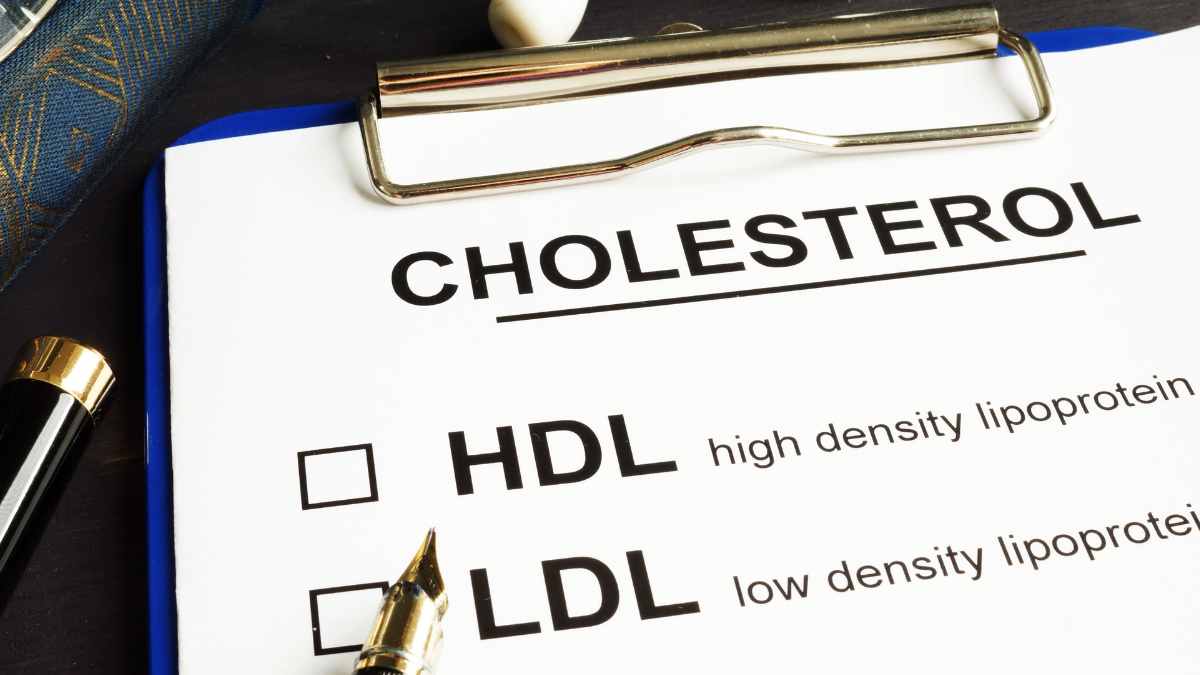
Cholesterol is a waxy, fat-like substance found in every cell of the body. It plays essential roles in producing hormones, vitamin D, and substances that help digest foods. Cholesterol travels through the bloodstream in two primary forms: low-density lipoprotein (LDL) and high-density lipoprotein (HDL). While LDL is often referred to as "bad" cholesterol due to its association with plaque buildup in arteries, HDL is known as "good" cholesterol because it helps remove LDL cholesterol from the bloodstream.
When LDL levels are elevated, it can lead to the formation of plaques in the arteries, a condition known as atherosclerosis. This process narrows the arteries and restricts blood flow, potentially resulting in serious cardiovascular events such as heart attacks and strokes. Understanding the balance between LDL and HDL cholesterol is vital for maintaining cardiovascular health. Regular monitoring of cholesterol levels can provide insights into an individual’s risk profile.
Diet, lifestyle, and genetics all play a role in determining cholesterol levels. Foods high in saturated fats, trans fats, and cholesterol can raise LDL levels, while a diet rich in fruits, vegetables, whole grains, and healthy fats can help maintain a healthier balance. Additionally, factors such as physical inactivity, obesity, and smoking can exacerbate high LDL cholesterol levels.
Recognizing the importance of managing LDL cholesterol is the first step toward promoting overall health. Individuals should be proactive in understanding their cholesterol levels and the factors that influence them. By making informed lifestyle choices, it is possible to mitigate the risks associated with high LDL cholesterol.
The Physiological Impact of Elevated LDL Cholesterol Levels
Elevated LDL cholesterol levels can lead to several physiological consequences that affect the cardiovascular system. The most significant impact is the development of atherosclerosis, which is characterized by the buildup of fatty deposits in the arterial walls. This condition can lead to reduced blood flow, increasing the risk of ischemic heart disease and peripheral artery disease.
As the arteries narrow due to plaque accumulation, the heart must work harder to pump blood through the constricted vessels. This can lead to increased blood pressure, a condition known as hypertension. Over time, the heart may become enlarged and weakened, potentially resulting in heart failure. The risks associated with high LDL cholesterol extend beyond the heart, affecting various organs and systems in the body.
Moreover, elevated LDL cholesterol can contribute to the formation of blood clots. When plaques rupture, they can create a thrombus that obstructs blood flow, leading to acute cardiovascular events. The risk of stroke is also heightened, as clots can travel to the brain, causing significant neurological damage. Understanding these physiological impacts underscores the importance of maintaining healthy cholesterol levels.
Regular check-ups and lipid panels are essential for monitoring cholesterol levels and assessing cardiovascular risk. Early intervention can help prevent the progression of atherosclerosis and its associated complications. Individuals with high LDL cholesterol should work closely with healthcare providers to develop a comprehensive management plan that addresses both lifestyle and medical interventions.
Symptoms and Risks Associated with High Cholesterol
High cholesterol levels often go unnoticed, as they typically do not present any immediate symptoms. However, the long-term risks associated with elevated LDL cholesterol are significant. The most concerning risks include heart disease, stroke, and other cardiovascular complications, which can arise silently over time. Many individuals may be unaware of their high cholesterol until they experience a serious health event.
The accumulation of plaque in the arteries can lead to chest pain, known as angina, which occurs when the heart muscle does not receive enough blood. If a plaque ruptures, it can cause a heart attack, characterized by severe chest pain, shortness of breath, and other alarming symptoms. Similarly, a stroke can occur when blood flow to the brain is interrupted, leading to sudden weakness, confusion, and difficulty speaking.
Certain risk factors can exacerbate the effects of high cholesterol, including obesity, diabetes, and a sedentary lifestyle. Individuals with a family history of heart disease or high cholesterol are also at a higher risk. Recognizing these risk factors is essential for proactive health management and can guide individuals in making lifestyle changes to reduce their risk.
While high cholesterol itself may not cause noticeable symptoms, its consequences can be life-threatening. Regular screening and awareness of personal risk factors are vital for early detection and intervention. Individuals should prioritize discussions with healthcare providers about their cholesterol levels and the associated risks to ensure they are taking the necessary steps to protect their cardiovascular health.
Psychological Effects of Managing High Cholesterol Levels
The diagnosis of high cholesterol can evoke a range of psychological responses in individuals. Feelings of anxiety, fear, and stress are common as people grapple with the implications of their health status. The knowledge that one’s cholesterol levels are elevated can lead to concerns about future health complications, which may affect mental well-being.
Managing high cholesterol often requires significant lifestyle changes, including dietary modifications and increased physical activity. This journey can be overwhelming, leading to feelings of frustration or helplessness. Individuals may struggle with the need to give up favorite foods or alter long-standing habits, which can contribute to emotional distress.
Moreover, the stigma associated with high cholesterol and heart disease can lead to feelings of isolation. Many individuals may feel embarrassed or ashamed about their health status, which can hinder open discussions with friends and family. This lack of support can exacerbate feelings of anxiety and depression, making it even more challenging to adhere to lifestyle changes.
It is essential for individuals managing high cholesterol to seek support from healthcare professionals, support groups, or counseling. Engaging with others who share similar experiences can provide valuable encouragement and motivation. Additionally, practicing stress-reduction techniques, such as mindfulness and meditation, can help individuals cope with the emotional challenges of managing their cholesterol levels.
Strategies for Reducing High Cholesterol and Improving Health
Reducing high LDL cholesterol levels is achievable through a combination of lifestyle changes and medical interventions. One of the most effective strategies is adopting a heart-healthy diet. This includes increasing the intake of fruits, vegetables, whole grains, and healthy fats while reducing saturated and trans fats. Foods rich in omega-3 fatty acids, such as fatty fish, can also help lower LDL levels.
Regular physical activity is another critical component of cholesterol management. Engaging in at least 150 minutes of moderate-intensity aerobic exercise per week can help raise HDL cholesterol levels while lowering LDL cholesterol. Activities such as walking, cycling, and swimming can be beneficial for cardiovascular health.
In some cases, lifestyle changes alone may not be sufficient to manage high cholesterol. Healthcare providers may prescribe medications, such as statins, to help lower LDL cholesterol levels. It is crucial for individuals to work closely with their healthcare team to determine the most appropriate treatment plan based on their specific health needs.
Monitoring cholesterol levels regularly is essential for assessing the effectiveness of these strategies. Individuals should schedule routine check-ups to track their progress and make necessary adjustments to their management plan. By taking a proactive approach to cholesterol management, individuals can significantly improve their overall health and reduce the risk of cardiovascular disease.
Long-Term Health Implications of Persistently High LDL Levels
Persistently high LDL cholesterol levels can have serious long-term health implications that extend beyond immediate cardiovascular risks. Over time, the damage caused by atherosclerosis can lead to chronic conditions, including coronary artery disease, heart failure, and peripheral artery disease. These conditions can significantly impact an individual’s quality of life and overall health.
Moreover, high LDL cholesterol is associated with an increased risk of developing type 2 diabetes. Insulin resistance, which can occur as a result of obesity and metabolic syndrome, is often linked to elevated cholesterol levels. This connection highlights the importance of managing cholesterol not only for heart health but also for metabolic health.
The long-term effects of high LDL cholesterol can also lead to increased healthcare costs. Individuals may require ongoing medical treatment, medications, and interventions to manage complications arising from elevated cholesterol levels. This financial burden can add stress to individuals and families, further impacting mental health.
Preventing the long-term consequences of high LDL cholesterol requires a commitment to lifestyle changes and regular health monitoring. Individuals should prioritize their cardiovascular health by making informed choices and seeking professional guidance. By addressing high cholesterol proactively, it is possible to mitigate its long-term effects and promote overall well-being.
Conclusions:
High cholesterol, particularly elevated LDL levels, poses significant health risks that can affect both physical and mental well-being. Understanding the implications of high cholesterol is essential for effective management and prevention of serious health complications. By adopting a heart-healthy lifestyle, seeking medical guidance, and monitoring cholesterol levels, individuals can take control of their health and reduce the risks associated with high LDL cholesterol.
Read more:
-
American Heart Association – Understanding Cholesterol
- This resource provides a comprehensive overview of cholesterol types, their functions, and how they impact heart health.
-
Centers for Disease Control and Prevention – High Cholesterol Facts
- This page offers statistics and facts about high cholesterol, including risk factors and health implications.
-
Mayo Clinic – High Cholesterol: Symptoms and Causes
- The Mayo Clinic provides detailed information on the causes, symptoms, and treatment options for high cholesterol.
-
National Heart, Lung, and Blood Institute – High Blood Cholesterol
- This resource from the NHLBI outlines the risks associated with high cholesterol and offers guidance on management strategies.
-
Harvard Health Publishing – How to Lower Cholesterol
- Harvard Health provides evidence-based strategies for lowering cholesterol through diet, exercise, and medication.