

Introduction:
Cholesterol is a waxy substance that is essential for the body, but not all cholesterol is created equal. Low-Density Lipoprotein (LDL) cholesterol, often referred to as "bad" cholesterol, can lead to serious health issues, including heart disease and stroke, when levels become elevated. Understanding how to effectively lower LDL cholesterol is crucial for maintaining cardiovascular health. This article will explore various methods to reduce LDL levels, including dietary changes, physical activity, pharmacological interventions, and monitoring practices.
Understanding LDL Cholesterol: Definition and Importance
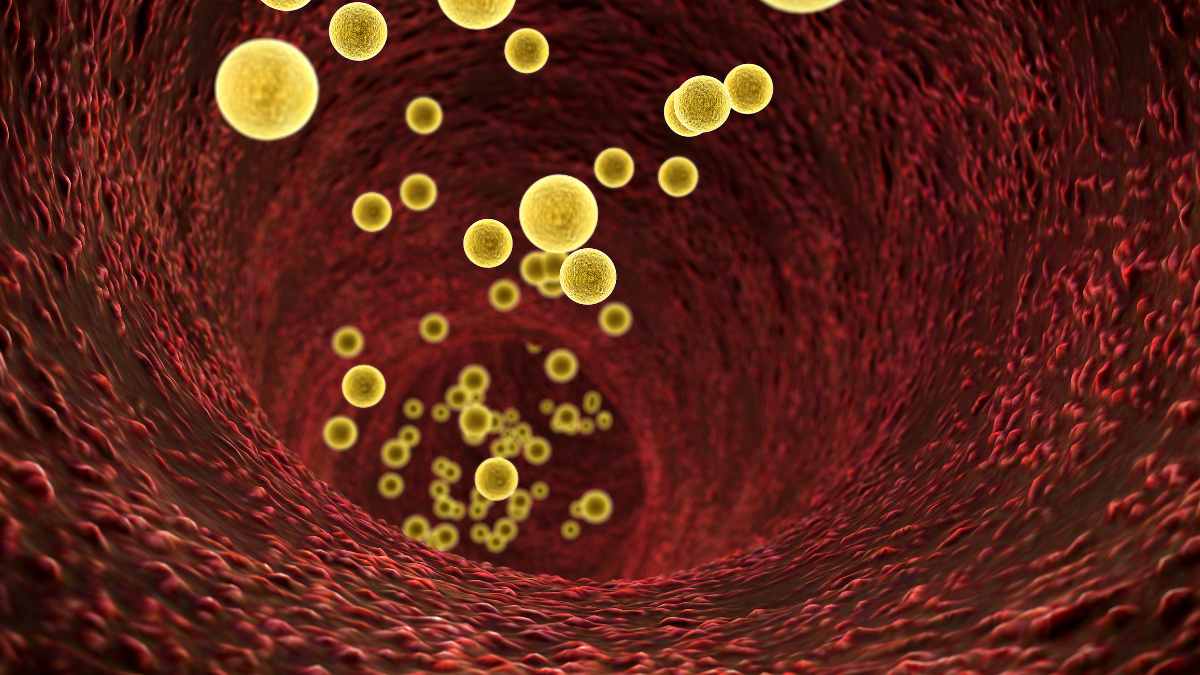
LDL cholesterol is a type of lipoprotein that carries cholesterol from the liver to the cells. While cholesterol is necessary for producing hormones and building cell membranes, excessive LDL levels can lead to plaque buildup in the arteries, a condition known as atherosclerosis. This buildup narrows the arteries and increases the risk of cardiovascular diseases.
The importance of managing LDL cholesterol cannot be overstated. Research indicates that high LDL levels are directly linked to an increased risk of heart attacks and strokes. Understanding one’s lipid profile, including LDL levels, is essential for assessing cardiovascular risk. Regular check-ups and blood tests can help individuals stay informed about their cholesterol levels and take necessary actions to manage them.
In addition to its role in cardiovascular health, LDL cholesterol also affects other bodily functions. It is involved in the synthesis of vitamin D and certain hormones. However, the balance is crucial; too much LDL can disrupt these functions and lead to health complications. Thus, maintaining optimal LDL levels is vital for overall well-being.
Furthermore, genetic factors can influence LDL cholesterol levels. Some individuals may have a genetic predisposition to high cholesterol, making it even more critical for them to monitor and manage their levels proactively. Understanding both lifestyle and genetic factors is key to effective LDL management.
Dietary Modifications to Effectively Lower LDL Levels
Diet plays a significant role in managing LDL cholesterol levels. One of the most effective dietary changes is to increase the intake of soluble fiber. Foods rich in soluble fiber, such as oats, beans, lentils, and fruits, can help reduce the absorption of cholesterol in the bloodstream. Incorporating these foods into daily meals can significantly impact LDL levels.
Another important dietary modification is to reduce saturated and trans fats. These unhealthy fats are commonly found in processed foods, red meat, and full-fat dairy products. Replacing these with healthier fats, such as those found in olive oil, avocados, and nuts, can help lower LDL cholesterol. Additionally, incorporating fatty fish, which are high in omega-3 fatty acids, can also contribute to improved heart health.
Plant sterols and stanols, found in fortified foods, can also help lower LDL levels. These compounds block the absorption of cholesterol in the intestines. Including foods that contain plant sterols, such as certain margarines and yogurts, can be an effective strategy.
Moreover, maintaining a balanced diet that emphasizes whole, unprocessed foods can aid in overall cholesterol management. A diet rich in fruits, vegetables, whole grains, and lean proteins not only helps lower LDL but also supports overall health.
The Role of Physical Activity in Reducing LDL Cholesterol
Regular physical activity is another cornerstone in the fight against high LDL cholesterol. Engaging in aerobic exercises, such as walking, running, cycling, and swimming, can help raise High-Density Lipoprotein (HDL) cholesterol, which is known as "good" cholesterol, while simultaneously lowering LDL levels. The American Heart Association recommends at least 150 minutes of moderate aerobic activity per week.
In addition to aerobic exercises, strength training can also be beneficial. Building muscle mass can enhance metabolism and promote better cholesterol levels. Incorporating strength training exercises at least twice a week can provide additional benefits.
Moreover, even small changes in daily activity can contribute to lower LDL levels. Simple actions such as taking the stairs instead of the elevator or engaging in active hobbies can accumulate to significant health benefits. The key is consistency and finding enjoyable activities that promote an active lifestyle.
Finally, it is essential to note that physical activity not only helps in managing cholesterol levels but also contributes to overall cardiovascular health. Combining regular exercise with a healthy diet creates a synergistic effect that can lead to sustainable improvements in cholesterol levels.
Pharmacological Interventions for Elevated LDL Management
For some individuals, lifestyle changes alone may not be sufficient to lower LDL cholesterol. In such cases, pharmacological interventions may be necessary. Statins are the most commonly prescribed medications for lowering LDL levels. These drugs work by inhibiting the enzyme responsible for cholesterol production in the liver.
Other classes of medications, such as bile acid sequestrants, niacin, and PCSK9 inhibitors, may also be prescribed depending on individual needs and health conditions. These medications can help lower LDL levels through various mechanisms, providing additional options for management.
It is crucial for individuals to work closely with healthcare providers to determine the most appropriate medication and dosage. Regular follow-ups and blood tests are essential to monitor the effectiveness of the treatment and make necessary adjustments.
Additionally, patients should be aware of potential side effects associated with cholesterol-lowering medications. Open communication with healthcare providers about any adverse effects is important for ensuring adherence to treatment.
Monitoring and Assessing LDL Levels: Best Practices
Regular monitoring of LDL cholesterol levels is essential for effective management. The American Heart Association recommends that adults have their cholesterol checked at least once every four to six years, but individuals with risk factors may need more frequent testing. Understanding one’s lipid profile helps in making informed decisions regarding lifestyle and treatment options.
Blood tests that measure total cholesterol, LDL, HDL, and triglycerides provide a comprehensive view of an individual’s cholesterol status. These tests can help identify patterns and guide management strategies.
Keeping a record of cholesterol levels over time can also help individuals track their progress and motivate them to adhere to lifestyle changes or medication regimens. Utilizing digital tools or apps for health monitoring can enhance this process.
Lastly, it is essential to discuss results with healthcare providers to interpret them accurately. Providers can offer personalized recommendations based on individual health status and risk factors.
Long-Term Strategies for Sustaining Healthy LDL Levels
Sustaining healthy LDL cholesterol levels requires a long-term commitment to lifestyle changes and regular monitoring. Establishing a balanced diet and consistent exercise routine is crucial for maintaining optimal cholesterol levels. Setting realistic goals and gradually incorporating changes can lead to sustainable habits.
Support systems can also play a significant role in maintaining healthy behaviors. Engaging family and friends in healthy eating and physical activities can create a supportive environment.
Additionally, staying informed about cholesterol and heart health can empower individuals to make better choices. Participating in educational programs or workshops can enhance knowledge and motivation.
Finally, regular check-ups with healthcare providers help ensure that individuals remain on track with their cholesterol management plans. Proactive health management is key to preventing complications associated with high LDL levels.
Conclusions:
Lowering LDL cholesterol is a multifaceted approach that involves dietary modifications, physical activity, pharmacological interventions, and regular monitoring. By understanding the importance of LDL management and implementing effective strategies, individuals can significantly reduce their risk of cardiovascular diseases. Commitment to long-term lifestyle changes, along with support from healthcare providers, is essential for sustaining healthy LDL levels and promoting overall well-being.
Read more
- American Heart Association – Understanding Cholesterol – A comprehensive overview of cholesterol, its types, and its impact on heart health.
- Mayo Clinic – Cholesterol: Top Foods to Improve Your Numbers – A detailed guide on dietary changes to improve cholesterol levels.
- Centers for Disease Control and Prevention – High Cholesterol Facts – Information on cholesterol statistics and health impacts.
- National Heart, Lung, and Blood Institute – High Blood Cholesterol – Resources and information on managing high cholesterol.
- Harvard Health Publishing – How to Lower Your Cholesterol – Expert advice on lifestyle changes and medications for lowering cholesterol.