

Introduction:
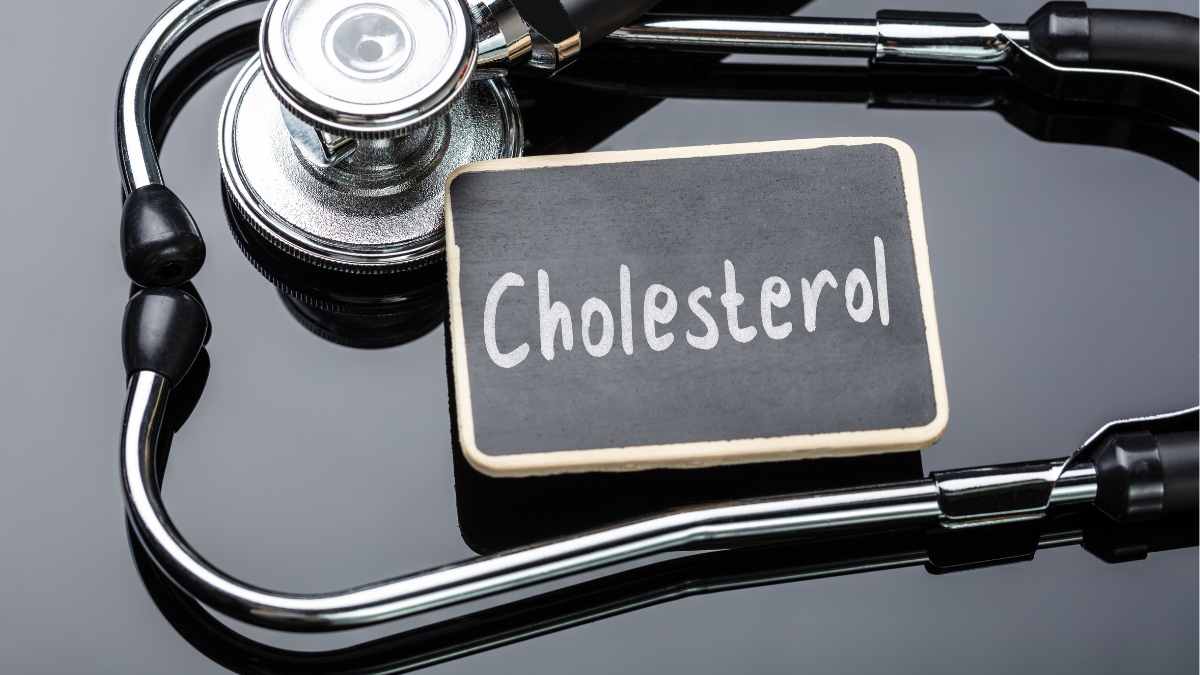
Cholesterol is a waxy substance found in your blood, essential for building healthy cells. However, when levels become too high, it can lead to serious health issues, including heart disease and stroke. Many individuals seek natural methods to manage their cholesterol levels effectively. In this article, we will explore various strategies to reduce cholesterol levels within a week, focusing on dietary changes, physical activity, stress management, and monitoring progress.
Understanding Cholesterol: Types and Health Implications
Cholesterol is categorized into two main types: low-density lipoprotein (LDL) and high-density lipoprotein (HDL). LDL is often referred to as "bad" cholesterol because it can lead to plaque buildup in arteries, increasing the risk of cardiovascular diseases. Conversely, HDL is known as "good" cholesterol as it helps remove LDL cholesterol from the bloodstream. Maintaining a healthy balance between these two types is crucial for overall heart health.
High cholesterol levels can lead to atherosclerosis, a condition where arteries become narrowed and hardened due to plaque accumulation. This can result in reduced blood flow to vital organs, potentially leading to heart attacks or strokes. Understanding the implications of cholesterol levels is essential for individuals looking to improve their health and reduce their risk of cardiovascular diseases.
Regular cholesterol screenings are vital for monitoring levels and assessing risk factors. Many people are unaware of their cholesterol status until they undergo routine blood tests. Awareness of cholesterol levels allows individuals to take proactive steps to manage their health, including lifestyle modifications and dietary changes.
In summary, understanding the types of cholesterol and their health implications is the first step toward effective management. By focusing on reducing LDL and increasing HDL, individuals can significantly improve their cardiovascular health and overall well-being.
Dietary Modifications: Foods to Include and Avoid
Making informed dietary choices is one of the most effective ways to manage cholesterol levels naturally. Incorporating heart-healthy foods into your diet can significantly impact your cholesterol levels. Foods rich in omega-3 fatty acids, such as fatty fish (salmon, mackerel, sardines), nuts, and seeds, can help lower LDL cholesterol and promote heart health. Additionally, incorporating plant sterols and stanols found in fortified foods can also aid in cholesterol reduction.
On the other hand, certain foods should be limited or avoided to maintain healthy cholesterol levels. Trans fats and saturated fats, commonly found in processed foods, fried items, and fatty cuts of meat, can raise LDL cholesterol levels. Instead, opt for lean proteins, whole grains, and plenty of fruits and vegetables. Choosing healthy fats, such as those found in avocados and olive oil, can also contribute to better cholesterol management.
Incorporating a variety of colorful fruits and vegetables into your meals can provide essential nutrients and antioxidants that support heart health. Foods like oats, barley, and legumes are excellent sources of soluble fiber, which can help lower cholesterol levels. A balanced diet rich in whole foods can make a significant difference in cholesterol management in just a week.
Finally, staying hydrated and limiting sugary beverages can also play a role in maintaining healthy cholesterol levels. Making conscious dietary choices can lead to significant improvements in cholesterol levels and overall health.
The Role of Fiber: Enhancing Cholesterol Management
Fiber plays a crucial role in managing cholesterol levels, particularly soluble fiber. Soluble fiber dissolves in water and forms a gel-like substance in the digestive tract, which can help reduce the absorption of cholesterol into the bloodstream. Foods rich in soluble fiber include oats, barley, beans, lentils, fruits (such as apples and citrus), and vegetables.
Incorporating these fiber-rich foods into your diet can help lower LDL cholesterol levels effectively. Aiming for at least 25 to 30 grams of fiber per day can provide significant health benefits. Gradually increasing fiber intake can help your digestive system adjust, minimizing potential discomfort.
In addition to lowering cholesterol levels, fiber offers other health benefits, including improved digestion and weight management. A high-fiber diet can promote a feeling of fullness, reducing overall calorie intake and aiding in weight loss. Weight management is essential for individuals looking to improve their cholesterol levels, as excess weight can contribute to higher LDL cholesterol.
In summary, fiber is a powerful ally in cholesterol management. By focusing on incorporating soluble fiber-rich foods into your diet, you can effectively lower LDL cholesterol levels while enjoying additional health benefits.
Physical Activity: Effective Exercises for Heart Health
Regular physical activity is a cornerstone of heart health and can significantly impact cholesterol levels. Engaging in aerobic exercises, such as walking, jogging, cycling, or swimming, can help raise HDL cholesterol while lowering LDL cholesterol. Aim for at least 150 minutes of moderate-intensity aerobic activity per week to reap the benefits.
Incorporating strength training exercises at least twice a week can also contribute to overall cardiovascular health. Building muscle mass can increase your metabolism, helping you maintain a healthy weight and manage cholesterol levels more effectively. Resistance exercises, such as weightlifting or bodyweight workouts, can be beneficial in this regard.
In addition to structured workouts, finding ways to stay active throughout the day can also make a difference. Simple changes, such as taking the stairs instead of the elevator or going for short walks during breaks, can contribute to your overall activity level. Consistency is key when it comes to physical activity and cholesterol management.
Ultimately, a combination of aerobic and strength training exercises, along with daily movement, can lead to significant improvements in cholesterol levels and overall heart health. Making physical activity a regular part of your routine can have lasting benefits for your cardiovascular system.
Stress Reduction Techniques: Impact on Cholesterol Levels
Chronic stress can negatively impact cholesterol levels and overall heart health. When stressed, the body releases hormones such as cortisol and adrenaline, which can lead to increased appetite, unhealthy eating habits, and elevated cholesterol levels. Managing stress is crucial for maintaining healthy cholesterol levels.
Incorporating stress reduction techniques into your daily routine can help mitigate these effects. Mindfulness practices, such as meditation and yoga, can promote relaxation and reduce stress levels. Taking time for self-care and engaging in hobbies can also provide a much-needed break from daily stressors.
Physical activity is another effective way to manage stress. Exercise releases endorphins, which can improve mood and reduce feelings of stress and anxiety. Finding enjoyable activities that promote movement can serve as both a physical and mental health boost.
In summary, addressing stress through various techniques can have a positive impact on cholesterol levels. By prioritizing stress management, individuals can support their overall heart health and work toward achieving healthier cholesterol levels.
Monitoring Progress: Tracking Cholesterol Changes Effectively
Monitoring cholesterol levels is essential for understanding the effectiveness of your efforts to manage them. Regular blood tests can provide valuable insights into your cholesterol status, allowing you to track changes over time. Discussing your results with a healthcare professional can help you interpret the findings and make necessary adjustments to your lifestyle.
Keeping a food diary can also be beneficial for tracking dietary changes. Recording what you eat can help identify patterns and areas for improvement. Being mindful of your food choices can lead to better adherence to dietary modifications aimed at lowering cholesterol.
In addition to dietary tracking, monitoring physical activity can provide insights into your progress. Using fitness apps or wearable devices can help you stay accountable and motivated to reach your activity goals. Setting specific, measurable goals can also enhance your commitment to maintaining a healthy lifestyle.
Ultimately, regular monitoring of cholesterol levels and lifestyle changes can empower individuals to take charge of their health. Tracking progress effectively can lead to lasting improvements in cholesterol management and overall well-being.
Conclusions:
Reducing cholesterol levels naturally within a week is achievable through a combination of dietary modifications, physical activity, stress management, and regular monitoring. By understanding cholesterol types and their implications, incorporating fiber-rich foods, engaging in regular exercise, managing stress, and tracking progress, individuals can take significant steps toward improving their heart health. Making these changes not only benefits cholesterol levels but also contributes to overall well-being.
Read more:
- American Heart Association – Understanding Cholesterol – A comprehensive guide on cholesterol types, health implications, and management strategies.
- Mayo Clinic – Diet and Cholesterol – Insights on dietary modifications to manage cholesterol levels effectively.
- Harvard Health – The Role of Fiber – An overview of the importance of fiber in cholesterol management and overall health.
- Centers for Disease Control and Prevention – Physical Activity Basics – Guidelines and recommendations for incorporating physical activity into daily life.
- National Institutes of Health – Stress Management – Resources and techniques for effective stress management and its impact on health.