

Introduction:
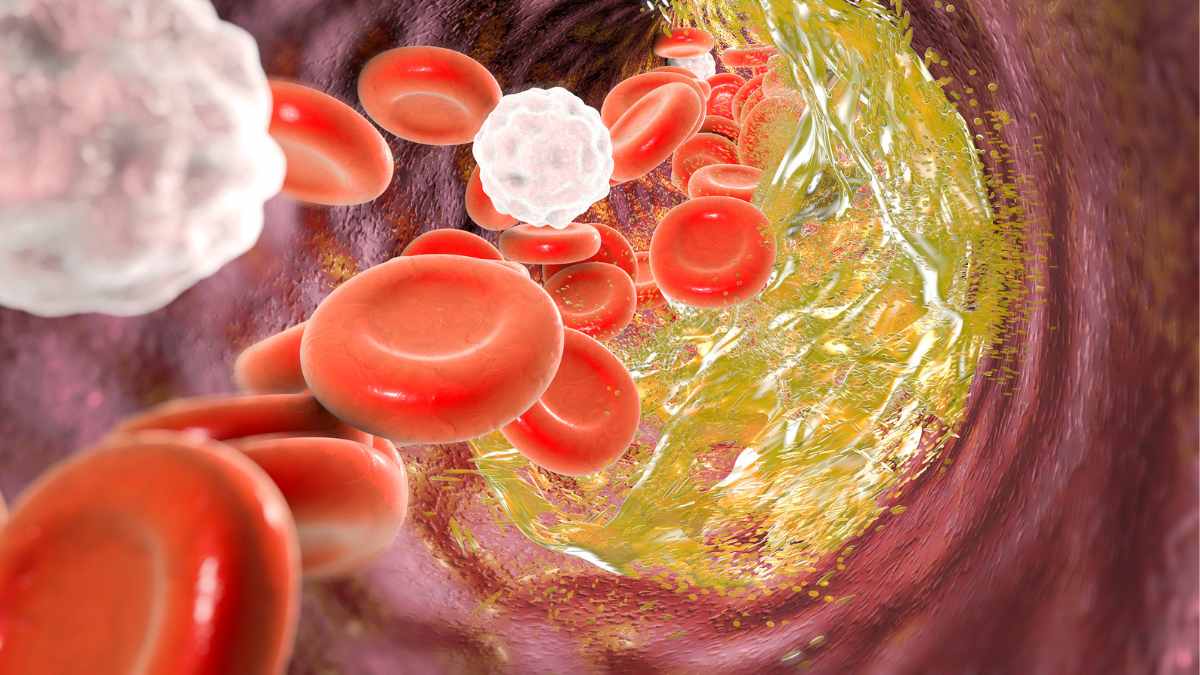
Cholesterol is a waxy substance found in the cells of the body, essential for the production of hormones, vitamin D, and substances that help digest foods. However, high levels of cholesterol can lead to cardiovascular diseases, making its management crucial for maintaining overall health. Among various dietary interventions, fruits, particularly bananas, have been considered for their potential role in lowering cholesterol levels. This article delves into the relationship between bananas and cholesterol, exploring their nutritional profile, the role of fiber, research insights, mechanisms of action, and practical dietary recommendations.
Understanding Cholesterol and Its Health Implications
Cholesterol is classified into two main types: low-density lipoprotein (LDL) and high-density lipoprotein (HDL). LDL is often referred to as "bad" cholesterol, as high levels can lead to plaque buildup in the arteries, increasing the risk of heart disease and stroke. Conversely, HDL is known as "good" cholesterol because it helps transport cholesterol away from the arteries and back to the liver for excretion. Maintaining a healthy balance between these two types is essential for cardiovascular health.
Factors contributing to high cholesterol levels include poor diet, lack of physical activity, obesity, and genetic predisposition. Lifestyle modifications such as adopting a heart-healthy diet, engaging in regular exercise, and avoiding tobacco smoke can significantly influence cholesterol levels. Understanding these factors is critical for developing effective strategies to manage cholesterol and reduce the risk of heart-related issues.
Dietary choices play a pivotal role in cholesterol management. Foods high in saturated fats and trans fats can elevate LDL levels, while those rich in unsaturated fats, fiber, and certain phytochemicals can help lower them. Incorporating fruits and vegetables into the diet is widely recommended, as they are generally low in calories and high in nutrients, which can contribute to heart health.
Bananas, in particular, are often highlighted for their potential health benefits. They are widely consumed, easily accessible, and versatile, making them a popular choice for many individuals. Understanding their nutritional components and how they may influence cholesterol levels is essential for anyone looking to improve their heart health.
Nutritional Profile of Bananas: Key Components Explained
Bananas are primarily composed of carbohydrates, with a significant portion being natural sugars such as fructose, glucose, and sucrose. They are low in fat and provide a modest amount of protein. One medium banana contains about 105 calories, making it a low-calorie snack option. The carbohydrate content provides a quick source of energy, which is particularly beneficial for athletes and active individuals.
In addition to carbohydrates, bananas are rich in essential vitamins and minerals. They are an excellent source of potassium, a mineral that plays a crucial role in regulating blood pressure and cardiovascular function. Potassium helps counteract the effects of sodium, thus contributing to lower blood pressure levels, which is beneficial for heart health.
Bananas also contain vitamin C, vitamin B6, and dietary fiber. Vitamin C is a powerful antioxidant that helps protect the body against oxidative stress, while vitamin B6 is vital for protein metabolism and cognitive development. The dietary fiber found in bananas, particularly soluble fiber, is of particular interest when discussing cholesterol management.
The fiber in bananas, especially pectin, can help regulate digestion and promote satiety, making them a good choice for those looking to manage their weight. Understanding the nutritional profile of bananas is essential for recognizing their potential role in a heart-healthy diet.
The Role of Fiber in Cholesterol Management
Dietary fiber is a crucial component of a heart-healthy diet, and it is classified into two types: soluble and insoluble fiber. Soluble fiber dissolves in water and forms a gel-like substance in the digestive tract, which can help lower blood cholesterol levels. Insoluble fiber, on the other hand, aids in digestion and promotes regular bowel movements.
Soluble fiber can bind to cholesterol in the digestive system, preventing its absorption into the bloodstream. This mechanism is particularly important for individuals looking to lower their LDL cholesterol levels. Foods rich in soluble fiber, such as oats, beans, and fruits like bananas, can significantly contribute to overall fiber intake and support heart health.
Bananas are a good source of soluble fiber, particularly pectin, which has been shown to have cholesterol-lowering effects. Research indicates that increasing soluble fiber intake can lead to a reduction in total cholesterol and LDL cholesterol levels. This makes bananas a valuable addition to a diet aimed at managing cholesterol levels.
Incorporating fiber-rich foods into daily meals not only supports cholesterol management but also promotes overall digestive health. A diet high in fiber can help maintain a healthy weight, reduce the risk of chronic diseases, and improve gut health. Therefore, including bananas as part of a balanced diet can be beneficial for cholesterol management and overall well-being.
Research Insights: Bananas and Cholesterol Levels
Several studies have explored the relationship between banana consumption and cholesterol levels. While specific research focusing solely on bananas is limited, the broader context of fruit consumption and its effects on cholesterol is well-documented. Fruits, including bananas, are associated with lower cholesterol levels and reduced cardiovascular risk.
A study published in the "American Journal of Clinical Nutrition" found that higher fruit and vegetable intake is linked to lower LDL cholesterol levels. This suggests that incorporating fruits like bananas into the diet can be part of an effective strategy for managing cholesterol. The fiber content, antioxidants, and phytochemicals present in fruits contribute to these beneficial effects.
Another study indicated that individuals who consumed a diet rich in fruits and vegetables had a lower risk of developing heart disease. While bananas were not singled out in this research, their inclusion in a fruit-rich diet aligns with the findings that emphasize the importance of plant-based foods in promoting heart health.
Overall, while more targeted research is needed to establish a direct causal relationship between banana consumption and cholesterol levels, existing evidence supports the notion that bananas can be a beneficial component of a heart-healthy diet.
Mechanisms of Action: How Bananas Affect Lipid Profiles
The mechanisms by which bananas may influence lipid profiles primarily revolve around their fiber content, antioxidant properties, and nutrient composition. As previously mentioned, soluble fiber in bananas can help lower LDL cholesterol levels by binding to cholesterol in the digestive tract. This binding process reduces cholesterol absorption, leading to lower levels in the bloodstream.
Additionally, bananas are rich in potassium, which has been shown to have a positive impact on blood pressure and overall cardiovascular health. Maintaining healthy blood pressure levels is crucial for reducing the risk of heart disease, and potassium-rich foods like bananas can play a significant role in achieving this.
The antioxidants found in bananas, such as dopamine and catechins, may also contribute to heart health. Antioxidants help combat oxidative stress, which can lead to inflammation and damage to blood vessels. By reducing oxidative stress, bananas may help maintain healthy blood vessels and improve overall cardiovascular function.
In summary, the combination of soluble fiber, potassium, and antioxidants in bananas creates a multifaceted approach to supporting heart health and potentially lowering cholesterol levels. Understanding these mechanisms can help individuals make informed dietary choices to improve their lipid profiles.
Practical Recommendations for Incorporating Bananas in Diet
Incorporating bananas into your diet can be both easy and enjoyable. They can be eaten as a standalone snack, added to smoothies, or used in baking. For a nutritious breakfast, consider adding sliced bananas to oatmeal or yogurt, enhancing both flavor and nutritional value. This combination not only provides fiber but also adds natural sweetness without the need for added sugars.
For those looking to manage their cholesterol levels, it is essential to consume bananas as part of a balanced diet rich in various fruits, vegetables, whole grains, and lean proteins. Pairing bananas with other fiber-rich foods, such as nuts or seeds, can further enhance their cholesterol-lowering effects. This combination provides healthy fats and additional fiber, promoting satiety and overall health.
When selecting bananas, choose those that are ripe but not overly soft. Ripe bananas are easier to digest and contain higher levels of antioxidants. Storing bananas at room temperature until they ripen and then refrigerating them can help extend their shelf life while maintaining their nutritional quality.
Lastly, moderation is key. While bananas offer numerous health benefits, they should be consumed as part of a varied diet. Balancing banana intake with other fruits and vegetables ensures a wide range of nutrients and maximizes health benefits.
Conclusions:
Incorporating bananas into a heart-healthy diet can be beneficial for managing cholesterol levels, primarily due to their soluble fiber content, potassium, and antioxidant properties. While more research is needed to establish a direct link between banana consumption and cholesterol reduction, existing evidence supports the idea that fruits, including bananas, play a significant role in promoting cardiovascular health. By understanding the nutritional profile of bananas and their mechanisms of action, individuals can make informed dietary choices that contribute to overall well-being.
Read more
-
American Heart Association – Understanding Cholesterol
This resource provides comprehensive information on cholesterol types, their health implications, and lifestyle modifications for management. -
Harvard Health Publishing – The Importance of Fiber
This article discusses the role of dietary fiber in health, including its effects on cholesterol levels and heart disease risk. -
National Institutes of Health – Potassium and Heart Health
A detailed overview of potassium’s role in cardiovascular health and its impact on blood pressure and cholesterol levels. -
Journal of Nutrition – Fruits and Vegetables and Cardiovascular Health
This study explores the relationship between fruit and vegetable intake and cardiovascular health, providing insights into dietary recommendations. -
Centers for Disease Control and Prevention – Healthy Eating for a Healthy Heart
A valuable guide on heart-healthy eating, emphasizing the importance of fruits, vegetables, and dietary choices for cardiovascular health.