

Introduction:
The relationship between coffee consumption and cholesterol levels has been a topic of interest among health professionals and coffee enthusiasts alike. With millions of people worldwide relying on coffee as a daily ritual, understanding its implications for cardiovascular health is crucial. This article delves into the complexities of cholesterol types, the role of coffee in cardiovascular health, and the potential effects of coffee on cholesterol levels, providing a comprehensive overview for those concerned about their health and coffee consumption.
Understanding Cholesterol: Types and Their Impact on Health
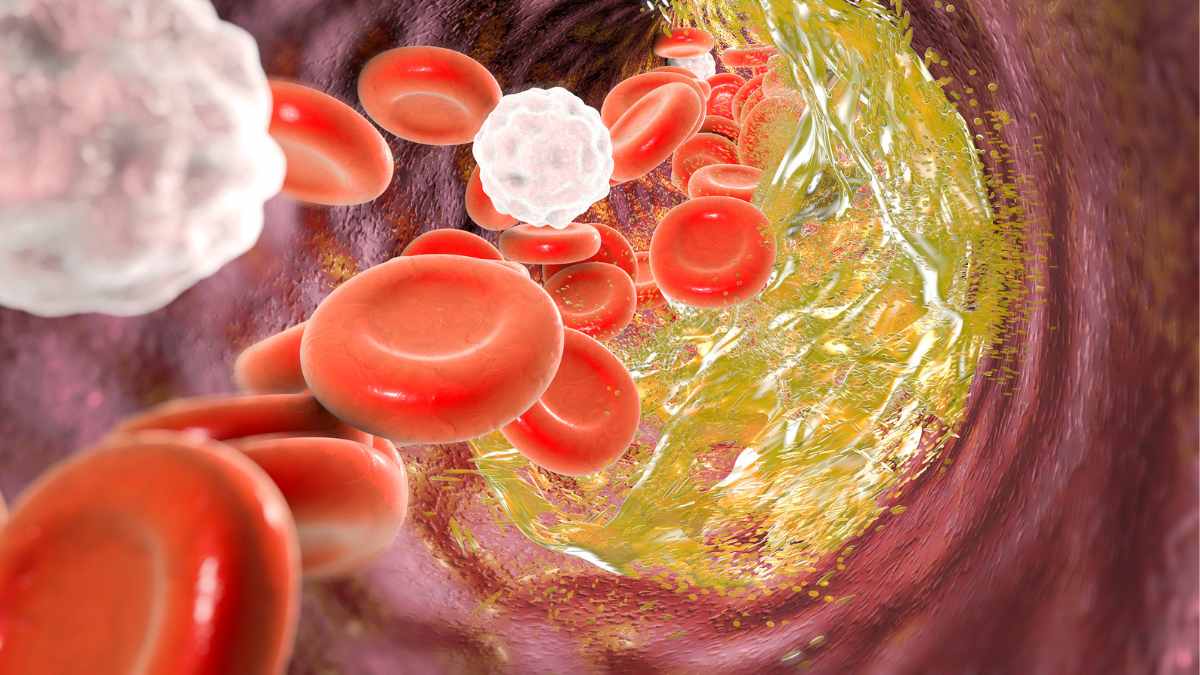
Cholesterol is a waxy substance found in the cells of the body and is essential for the production of hormones, vitamin D, and bile acids that help digest fat. There are two primary types of cholesterol: low-density lipoprotein (LDL) and high-density lipoprotein (HDL). LDL cholesterol is often referred to as "bad" cholesterol because high levels can lead to the buildup of plaque in arteries, increasing the risk of heart disease and stroke. Conversely, HDL cholesterol is known as "good" cholesterol, as it helps transport cholesterol away from the arteries and back to the liver for excretion.
The balance between LDL and HDL cholesterol is critical for maintaining cardiovascular health. Elevated levels of LDL can lead to atherosclerosis, a condition characterized by the hardening and narrowing of arteries. This can result in reduced blood flow and increased risk of heart-related issues. On the other hand, higher levels of HDL cholesterol are associated with a lower risk of heart disease, as it plays a protective role in cardiovascular health.
Factors influencing cholesterol levels include genetics, diet, physical activity, and lifestyle choices such as smoking and alcohol consumption. Understanding these factors is essential for individuals looking to manage their cholesterol levels effectively. Regular check-ups and blood tests can help monitor cholesterol levels, allowing for timely interventions if necessary.
In recent years, there has been growing interest in the impact of dietary components, such as coffee, on cholesterol levels. With coffee being a widely consumed beverage, understanding its effects on both LDL and HDL cholesterol is of paramount importance for public health.
The Role of Coffee in Cardiovascular Health Research
Research on coffee and its effects on cardiovascular health has produced mixed results. Some studies suggest that moderate coffee consumption may be associated with a reduced risk of cardiovascular disease, while others indicate potential adverse effects on cholesterol levels. The variability in findings can be attributed to factors such as the type of coffee consumed, preparation methods, and individual differences in metabolism.
A significant body of research has indicated that coffee may have protective effects against certain cardiovascular conditions. For instance, a meta-analysis published in the American Journal of Clinical Nutrition found that moderate coffee consumption was linked to a lower risk of heart disease and stroke. This protective effect is thought to be due to the presence of antioxidants and anti-inflammatory compounds in coffee, which may improve endothelial function and reduce inflammation.
Conversely, some studies have raised concerns about the impact of coffee on cholesterol levels, particularly when it comes to unfiltered coffee varieties, such as French press or Turkish coffee. These brewing methods can lead to higher levels of cafestol and kahweol, compounds that have been shown to raise LDL cholesterol levels. Therefore, the type of coffee consumed plays a significant role in determining its overall impact on cardiovascular health.
As research continues to evolve, it is essential to consider the broader context of coffee consumption within an individual’s overall diet and lifestyle. Understanding the nuances of coffee’s effects on cardiovascular health can help individuals make informed choices about their coffee intake.
Analyzing Coffee’s Effects on LDL and HDL Cholesterol Levels
The relationship between coffee consumption and cholesterol levels is complex and varies depending on individual factors. Studies have shown that unfiltered coffee can lead to an increase in LDL cholesterol, while filtered coffee has a more neutral effect. For instance, a study published in the Journal of Internal Medicine found that individuals who consumed unfiltered coffee had higher LDL levels compared to those who drank filtered coffee.
On the other hand, some research suggests that moderate coffee consumption may not significantly affect HDL cholesterol levels. A study in the European Journal of Clinical Nutrition indicated that regular coffee drinkers had comparable HDL levels to non-coffee drinkers, suggesting that coffee may not adversely impact the "good" cholesterol. This finding is crucial since maintaining adequate HDL levels is essential for cardiovascular health.
Moreover, the effects of coffee on cholesterol can also depend on genetic factors. Some individuals metabolize caffeine more slowly, which may influence how coffee affects their cholesterol levels. Genetic variations in enzymes responsible for caffeine metabolism can lead to differing responses to coffee consumption, highlighting the importance of personalized dietary recommendations.
In summary, while unfiltered coffee may raise LDL cholesterol levels, filtered coffee appears to have a more neutral impact. Understanding these differences is vital for individuals concerned about their cholesterol levels and overall cardiovascular health.
Coffee Consumption: Recommended Amounts for Health Benefits
Determining the optimal amount of coffee for health benefits is a subject of ongoing research. Most studies suggest that moderate coffee consumption, defined as 3 to 4 cups per day, may offer cardiovascular benefits without significantly raising cholesterol levels. This amount is generally associated with a lower risk of heart disease and stroke, as well as potential improvements in metabolic health.
However, individual tolerance to caffeine can vary widely, and some people may experience adverse effects such as increased heart rate, anxiety, or digestive issues with higher consumption. It is essential for individuals to listen to their bodies and adjust their coffee intake accordingly. For those with existing heart conditions or high cholesterol, consulting with a healthcare professional is advisable to determine a safe level of coffee consumption.
Additionally, the method of preparation can influence the health effects of coffee. Filtered coffee is generally recommended over unfiltered varieties for those concerned about cholesterol levels. The use of paper filters can reduce the presence of cafestol and kahweol, minimizing their impact on LDL cholesterol.
In conclusion, while moderate coffee consumption may provide health benefits, it is crucial to consider individual responses and preparation methods. Striking a balance between enjoying coffee and managing cholesterol levels is key to maintaining cardiovascular health.
Potential Mechanisms: How Coffee Influences Cholesterol Levels
The mechanisms by which coffee influences cholesterol levels are multifaceted and not yet fully understood. One proposed mechanism involves the presence of bioactive compounds in coffee, such as chlorogenic acids and polyphenols, which may have antioxidant and anti-inflammatory properties. These compounds can potentially improve endothelial function and reduce oxidative stress, contributing to overall cardiovascular health.
Another mechanism relates to the impact of coffee on liver function. The liver plays a crucial role in cholesterol metabolism, and coffee consumption has been associated with improved liver enzyme levels. Some studies suggest that coffee may enhance the liver’s ability to process and excrete cholesterol, thereby reducing overall cholesterol levels in the bloodstream.
Additionally, coffee may influence lipid metabolism through its effects on hormones. Caffeine, a primary component of coffee, can stimulate the release of adrenaline, which in turn may promote the breakdown of fat stores for energy. This process could potentially lead to a reduction in circulating cholesterol levels, although more research is needed to confirm this hypothesis.
Overall, while several mechanisms have been proposed to explain the relationship between coffee and cholesterol levels, further research is necessary to elucidate these pathways fully. Understanding how coffee interacts with various biological processes can provide valuable insights into its role in cardiovascular health.
Conclusions:
The relationship between coffee consumption and cholesterol levels is complex and influenced by various factors, including the type of coffee, preparation methods, and individual metabolic responses. While moderate coffee consumption may offer cardiovascular benefits, particularly in terms of reducing the risk of heart disease, it is essential to consider its potential impact on LDL cholesterol levels, especially with unfiltered varieties.
For individuals concerned about their cholesterol levels, it is advisable to monitor coffee intake and opt for filtered coffee to minimize any adverse effects. Consulting with healthcare professionals can also provide personalized recommendations based on individual health profiles.
Ultimately, balancing coffee consumption with overall dietary and lifestyle choices is key to maintaining optimal cholesterol levels and promoting cardiovascular health.
Read more
-
American Heart Association – Cholesterol
This resource provides comprehensive information on cholesterol, its types, and its impact on heart health. -
Harvard Health Publishing – Coffee and Heart Health
An overview of recent research on coffee consumption and its effects on cardiovascular health. -
National Institutes of Health – Coffee Consumption and Health
A detailed study exploring the relationship between coffee consumption and various health outcomes, including cholesterol levels. -
European Journal of Clinical Nutrition – Coffee and Cholesterol
This article discusses the effects of coffee on cholesterol levels, highlighting the differences between filtered and unfiltered coffee. -
Journal of Internal Medicine – Coffee and Lipid Levels
A research study examining the impact of coffee on lipid levels, including LDL and HDL cholesterol.