

Se hai un abbonamento attivo ACCEDI QUI
Introduction:
High cholesterol levels are a significant health concern, as they can lead to cardiovascular diseases, including heart attacks and strokes. With the increasing prevalence of high cholesterol, many individuals are seeking natural remedies and dietary adjustments to manage their lipid profiles. One such remedy that has garnered attention is honey, a natural sweetener known for its various health benefits. This article explores the relationship between honey and cholesterol, examining its composition, scientific evidence, and practical recommendations for incorporation into diets.
Understanding Cholesterol: Types and Health Implications
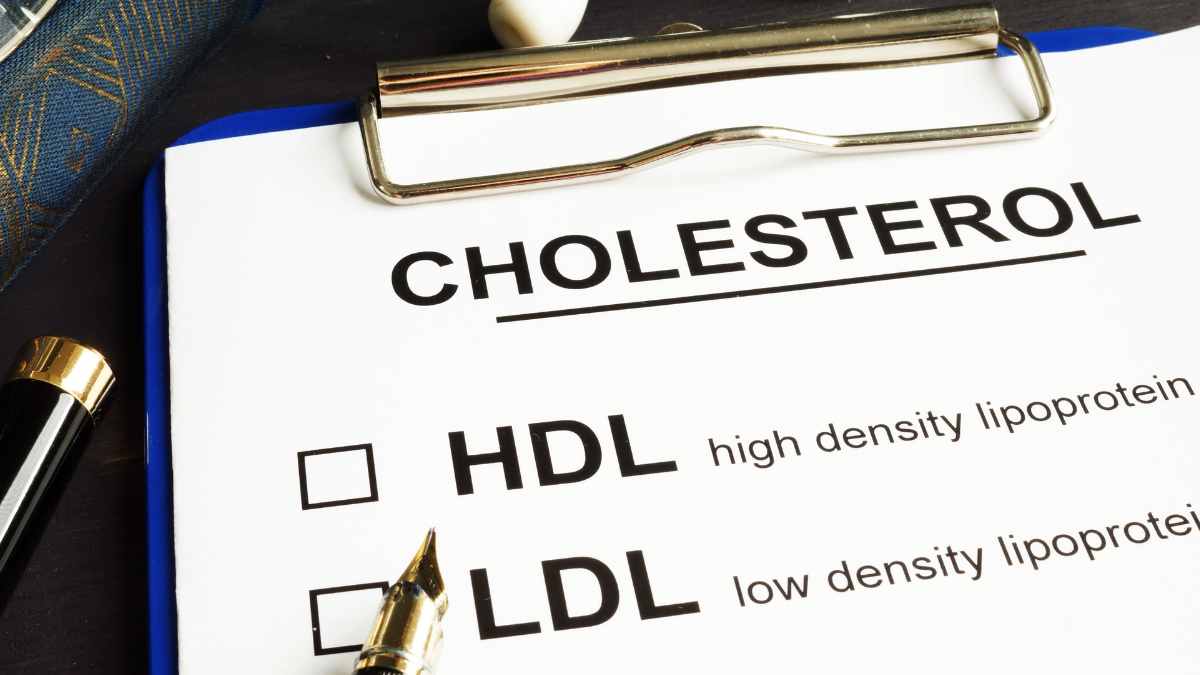
Cholesterol is a waxy substance found in every cell of the body, playing a crucial role in the formation of cell membranes, hormones, and vitamin D. It exists in two primary forms: low-density lipoprotein (LDL) and high-density lipoprotein (HDL). LDL is often referred to as "bad" cholesterol because high levels can lead to plaque buildup in arteries, increasing the risk of heart disease. Conversely, HDL is known as "good" cholesterol, as it helps remove LDL from the bloodstream.
The balance between these two types of cholesterol is vital for maintaining cardiovascular health. Elevated LDL levels can lead to atherosclerosis, a condition characterized by narrowed arteries, which can result in reduced blood flow and increased risk of heart-related issues. Thus, understanding and managing cholesterol levels is essential for preventing serious health complications.
Factors contributing to high cholesterol include genetics, diet, physical inactivity, and lifestyle choices such as smoking and excessive alcohol consumption. Regular monitoring of cholesterol levels and adopting a heart-healthy lifestyle can significantly mitigate these risks. This emphasizes the importance of dietary interventions in managing cholesterol levels effectively.
In recent years, there has been growing interest in natural substances, such as honey, that may influence cholesterol levels positively. However, it is essential to understand the broader context of cholesterol management, including the roles of various dietary components and lifestyle changes.
The Role of Diet in Managing Cholesterol Levels
Diet plays a pivotal role in managing cholesterol levels, as certain foods can either elevate or lower cholesterol. Diets high in saturated fats and trans fats can increase LDL cholesterol, while those rich in fiber, healthy fats, and antioxidants can help improve lipid profiles. Foods such as oats, legumes, fatty fish, nuts, and fruits are known to have cholesterol-lowering effects.
Incorporating specific dietary patterns, such as the Mediterranean diet, which emphasizes whole grains, fruits, vegetables, and healthy fats, has shown promise in improving cholesterol levels. This diet not only supports heart health but also provides a wide range of nutrients that contribute to overall well-being.
Moreover, the importance of portion control and moderation cannot be overstated. Consuming excessive amounts of any food, even healthy ones, can lead to weight gain and negatively impact cholesterol levels. Therefore, a balanced approach to diet is crucial in managing cholesterol effectively.
As individuals seek natural alternatives to pharmaceuticals for cholesterol management, honey emerges as a potential candidate worth exploring. Its unique composition and potential health benefits warrant further investigation into its role in dietary interventions for high cholesterol.
Honey Composition: Nutrients and Bioactive Compounds
Honey is a complex substance composed primarily of sugars, including fructose and glucose, which provide its sweet taste. However, it also contains a variety of bioactive compounds, including antioxidants, vitamins, and minerals, which contribute to its health-promoting properties. The antioxidant content in honey, primarily from flavonoids and phenolic acids, is believed to play a crucial role in its potential health benefits.
In addition to its antioxidant properties, honey has anti-inflammatory and antimicrobial effects, making it a versatile natural remedy. These bioactive compounds may help combat oxidative stress and inflammation, both of which are linked to high cholesterol and cardiovascular diseases.
The specific composition of honey can vary significantly depending on the floral source and processing methods. For instance, darker honeys generally contain higher levels of antioxidants compared to lighter varieties. This variability highlights the importance of selecting high-quality honey for potential health benefits.
Understanding the nutritional profile of honey is essential for evaluating its role in cholesterol management. While honey is often viewed as a healthier alternative to refined sugars, it is still a source of calories and should be consumed in moderation, especially by individuals monitoring their cholesterol levels.
Scientific Evidence: Honey’s Effects on Cholesterol Levels
Several studies have investigated the effects of honey on cholesterol levels, with promising results. Research indicates that honey may help reduce LDL cholesterol and increase HDL cholesterol, contributing to improved lipid profiles. For instance, a study published in the Journal of Medicinal Food found that participants who consumed honey regularly experienced a significant reduction in total cholesterol and LDL levels.
Another study published in the American Journal of Clinical Nutrition highlighted the potential of honey to improve lipid metabolism. Participants who incorporated honey into their diets showed favorable changes in their cholesterol levels compared to those who consumed sugar. These findings suggest that honey may offer a natural alternative for managing cholesterol levels.
Moreover, the anti-inflammatory and antioxidant properties of honey may further support cardiovascular health. By reducing oxidative stress and inflammation, honey could potentially mitigate the risk factors associated with high cholesterol and heart disease.
Despite these promising findings, it is essential to approach the research with caution. Many studies have small sample sizes, and further research is needed to establish the long-term effects of honey on cholesterol levels and overall cardiovascular health.
Mechanisms of Action: How Honey Influences Lipid Profiles
The mechanisms through which honey influences lipid profiles are multifaceted. One primary action is its ability to enhance the antioxidant capacity of the body. By reducing oxidative stress, honey may help prevent the oxidation of LDL cholesterol, a process that contributes to plaque formation in arteries.
Additionally, honey may modulate lipid metabolism by influencing the activity of enzymes involved in cholesterol synthesis and breakdown. For example, certain studies suggest that honey can inhibit the activity of HMG-CoA reductase, an enzyme critical in cholesterol synthesis, thereby potentially lowering cholesterol production in the liver.
Moreover, honey’s anti-inflammatory properties may contribute to improved endothelial function, which is crucial for maintaining healthy blood vessels. By reducing inflammation, honey may help prevent the development of atherosclerosis and promote better blood flow.
Understanding these mechanisms is vital for recognizing how honey can fit into a broader strategy for managing cholesterol levels. While honey alone is not a panacea, its incorporation into a balanced diet may offer additional benefits for those looking to improve their lipid profiles.
Practical Recommendations: Incorporating Honey into Diets
Incorporating honey into diets can be done in various ways, allowing individuals to enjoy its potential health benefits while enhancing the flavor of their meals. One practical recommendation is to use honey as a natural sweetener in place of refined sugars. This can include adding honey to tea, yogurt, or smoothies, providing a healthier alternative without sacrificing taste.
Another approach is to use honey in salad dressings or marinades. Combining honey with vinegar and olive oil can create a delicious dressing that not only enhances the flavor of salads but also contributes to a heart-healthy diet.
For those looking to incorporate honey into their breakfast, drizzling it over oatmeal or whole-grain toast can add sweetness and nutrients. Additionally, using honey in baking can provide a natural sweetness while reducing the need for processed sugars.
However, moderation is key. While honey offers health benefits, it is still a source of calories and sugars. Individuals with high cholesterol should aim to limit their overall sugar intake, including honey, and focus on a balanced diet rich in whole foods, fiber, and healthy fats.
Conclusions:
In summary, honey may offer potential benefits for individuals managing high cholesterol levels, thanks to its unique composition and bioactive compounds. While scientific evidence suggests that honey can positively influence lipid profiles, it should be viewed as part of a broader dietary strategy rather than a standalone solution. A balanced diet, regular physical activity, and lifestyle modifications remain essential components of effective cholesterol management. As always, individuals should consult healthcare professionals before making significant dietary changes, particularly if they have existing health conditions.
Read more
-
American Heart Association – Cholesterol: This resource provides comprehensive information on cholesterol types, their implications for heart health, and dietary recommendations. Link
-
Journal of Medicinal Food: A peer-reviewed journal that often publishes studies on the health benefits of natural foods, including honey. Link
-
American Journal of Clinical Nutrition: A leading journal in nutrition research that features studies on dietary impacts on health, including cholesterol management. Link
-
National Institutes of Health – Honey and Health: This resource discusses the health benefits of honey, including its potential effects on cholesterol levels. Link
-
Mayo Clinic – Cholesterol Management: Offers practical tips and guidelines for managing cholesterol through diet and lifestyle changes. Link