

Introduction:
Cholesterol management is a crucial aspect of cardiovascular health, and dietary choices play a significant role in regulating cholesterol levels. Among various food options, oatmeal has emerged as a popular choice for those looking to improve their heart health. This article explores the relationship between oatmeal and cholesterol, delving into its nutritional components, the role of soluble fiber, clinical studies supporting its benefits, and practical tips for incorporating oatmeal into your diet.
Understanding Cholesterol: Types and Health Implications
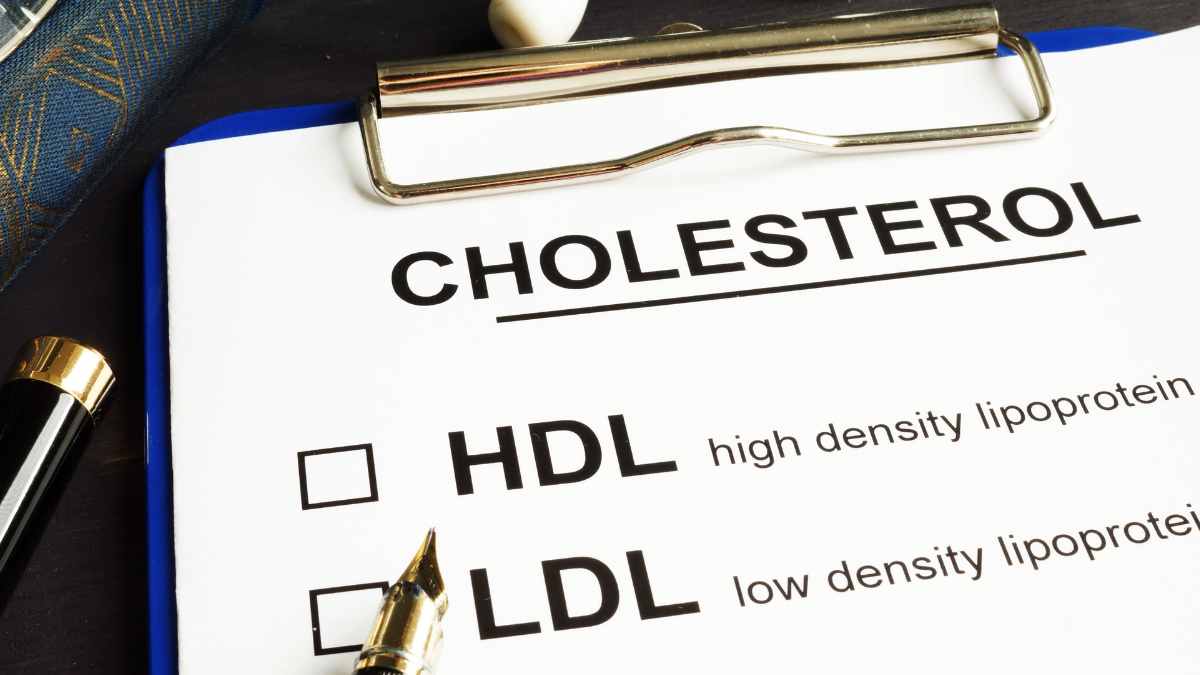
Cholesterol is a waxy substance found in every cell of the body, essential for producing hormones, vitamin D, and bile acids that help digest fat. However, not all cholesterol is created equal. There are two primary types: low-density lipoprotein (LDL) and high-density lipoprotein (HDL). LDL is often referred to as "bad" cholesterol because high levels can lead to plaque buildup in arteries, increasing the risk of heart disease and stroke. Conversely, HDL is known as "good" cholesterol as it helps remove LDL from the bloodstream.
The balance between these two types of cholesterol is vital for maintaining optimal health. Elevated LDL levels can lead to atherosclerosis, a condition characterized by narrowed arteries, which can result in serious cardiovascular events. Therefore, managing cholesterol levels through lifestyle changes, including diet, is essential for reducing health risks associated with high cholesterol.
In addition to dietary choices, factors such as genetics, age, and lifestyle habits like physical activity and smoking can influence cholesterol levels. Understanding these factors is crucial for developing a comprehensive approach to cholesterol management. Regular check-ups and blood tests can help monitor cholesterol levels and assess the effectiveness of dietary interventions.
The implications of cholesterol levels extend beyond heart health. Emerging research suggests that high cholesterol may also be linked to other health issues, including cognitive decline and certain types of cancer. Thus, maintaining healthy cholesterol levels is not only important for cardiovascular health but also for overall well-being.
Nutritional Profile of Oatmeal: Key Components Explained
Oatmeal is a nutrient-dense food that offers a variety of health benefits, particularly for heart health. One of the key components of oatmeal is soluble fiber, specifically beta-glucan, which has been shown to have a positive impact on cholesterol levels. A single serving of oatmeal provides about 4 grams of dietary fiber, making it an excellent choice for those looking to increase their fiber intake.
In addition to fiber, oatmeal is rich in essential nutrients, including vitamins and minerals such as magnesium, phosphorus, and B vitamins. These nutrients play a role in various bodily functions, including energy metabolism and maintaining healthy bones. Furthermore, oatmeal is low in saturated fat and cholesterol, making it a heart-healthy option.
Oatmeal also contains antioxidants, particularly avenanthramides, which have anti-inflammatory properties. These antioxidants can help reduce oxidative stress and inflammation in the body, further contributing to cardiovascular health. The combination of fiber, nutrients, and antioxidants makes oatmeal a powerful food for those concerned about cholesterol levels.
Moreover, oatmeal is versatile and can be easily incorporated into a variety of meals, from breakfast bowls to baked goods. This adaptability makes it a practical choice for individuals seeking to improve their dietary habits without sacrificing taste or convenience.
The Role of Soluble Fiber in Cholesterol Management
Soluble fiber plays a crucial role in cholesterol management by binding to cholesterol molecules in the digestive system. This process helps to reduce the absorption of cholesterol into the bloodstream, effectively lowering LDL cholesterol levels. When soluble fiber is consumed, it forms a gel-like substance in the gut, which not only traps cholesterol but also slows down digestion and absorption of carbohydrates, leading to improved blood sugar control.
Research indicates that a daily intake of 3 grams of soluble fiber can lead to a significant reduction in LDL cholesterol levels. Oatmeal, being one of the best sources of soluble fiber, can help individuals meet this daily requirement. The specific type of soluble fiber found in oats, beta-glucan, has been extensively studied for its cholesterol-lowering effects.
In addition to lowering LDL cholesterol, soluble fiber may also contribute to increased HDL cholesterol levels. This dual action makes soluble fiber particularly beneficial for heart health. Furthermore, a diet high in soluble fiber can promote satiety, which may help with weight management—a critical factor in maintaining healthy cholesterol levels.
Incorporating soluble fiber-rich foods like oatmeal into the diet can also lead to other health benefits, including improved gut health and reduced risk of chronic diseases. Thus, oatmeal serves as an effective dietary strategy for those looking to manage their cholesterol levels and enhance overall health.
Clinical Studies: Oatmeal’s Impact on Cholesterol Levels
Numerous clinical studies have investigated the impact of oatmeal on cholesterol levels, consistently demonstrating its beneficial effects. One landmark study published in the American Journal of Clinical Nutrition found that participants who consumed oatmeal daily experienced a significant reduction in total cholesterol and LDL cholesterol levels compared to those who did not include oatmeal in their diet.
Another study conducted by researchers at the University of Massachusetts showed that individuals who consumed oatmeal regularly had lower cholesterol levels and improved cardiovascular health markers. The study highlighted that the cholesterol-lowering effects of oatmeal were particularly pronounced in individuals with elevated baseline cholesterol levels.
Additionally, a meta-analysis of multiple studies concluded that incorporating oats into the diet could lead to a reduction in LDL cholesterol levels by an average of 5-10%. This finding underscores the importance of oatmeal as a dietary intervention for cholesterol management.
Despite the positive findings, it is essential to note that the overall diet and lifestyle play a significant role in cholesterol levels. Oatmeal should be part of a balanced diet that includes a variety of fruits, vegetables, whole grains, and healthy fats for optimal heart health.
Recommended Oatmeal Intake for Optimal Health Benefits
To reap the cholesterol-lowering benefits of oatmeal, experts recommend consuming at least one serving of oatmeal daily. A typical serving size is about 1 cup of cooked oatmeal, which provides approximately 4 grams of soluble fiber. This amount can help individuals meet the daily soluble fiber intake needed for cholesterol management.
For those looking to enhance the health benefits of oatmeal, consider opting for whole grain or steel-cut oats, which retain more nutrients compared to instant varieties. Whole oats contain the bran and germ, providing additional fiber and nutrients that contribute to heart health.
It’s also beneficial to combine oatmeal with other cholesterol-lowering foods. For instance, adding fruits like berries or bananas can enhance the fiber content and provide additional antioxidants. Nuts and seeds, such as walnuts or chia seeds, can also be added for healthy fats and protein, creating a balanced meal.
While oatmeal is a powerful tool for managing cholesterol, it is essential to maintain a holistic approach to diet and lifestyle. Regular physical activity, maintaining a healthy weight, and avoiding trans fats and excessive saturated fats are crucial components of an effective cholesterol management strategy.
Practical Tips for Incorporating Oatmeal into Your Diet
Incorporating oatmeal into your diet can be both simple and enjoyable. Start your day with a warm bowl of oatmeal topped with fresh fruits, nuts, or a drizzle of honey for added flavor and nutrition. Experiment with different toppings to keep your breakfast interesting and satisfying.
For those short on time, consider preparing overnight oats. Combine rolled oats with yogurt or milk and your choice of toppings, and let them sit in the refrigerator overnight. This convenient option allows you to enjoy a nutritious breakfast without the morning rush.
Oatmeal can also be used in various recipes beyond breakfast. Consider adding oats to smoothies for a creamy texture, or use them as a base for baked goods like muffins and cookies. Oats can even be incorporated into savory dishes, such as meatloaf or veggie burgers, to boost fiber content.
Lastly, be mindful of portion sizes and added sugars. While oatmeal is a healthy choice, excessive sweeteners or high-calorie toppings can diminish its health benefits. Opt for natural sweeteners and whole food toppings to maximize the nutritional value of your oatmeal.
Conclusions:
In summary, oatmeal is a powerful ally in the fight against high cholesterol. Its rich content of soluble fiber, particularly beta-glucan, has been shown to effectively lower LDL cholesterol levels while promoting overall heart health. Clinical studies support the positive impact of oatmeal on cholesterol management, reinforcing its role as a staple in a heart-healthy diet. By incorporating oatmeal into your daily routine, along with a balanced diet and healthy lifestyle choices, you can take significant steps toward improving your cholesterol levels and overall well-being.
Read more
- American Heart Association – Fiber – An overview of the importance of fiber in heart health and dietary recommendations.
- National Institutes of Health – Cholesterol – Comprehensive information on cholesterol, its types, and health implications.
- Harvard Health Publishing – Oats and Cholesterol – Insights from Harvard experts on how oats can benefit cholesterol levels.
- Journal of Nutrition – Beta-Glucan Effects – A study examining the effects of beta-glucan on cholesterol levels and heart health.
- Cleveland Clinic – Oatmeal Health Benefits – An article discussing the various health benefits of oatmeal, including its impact on cholesterol.