
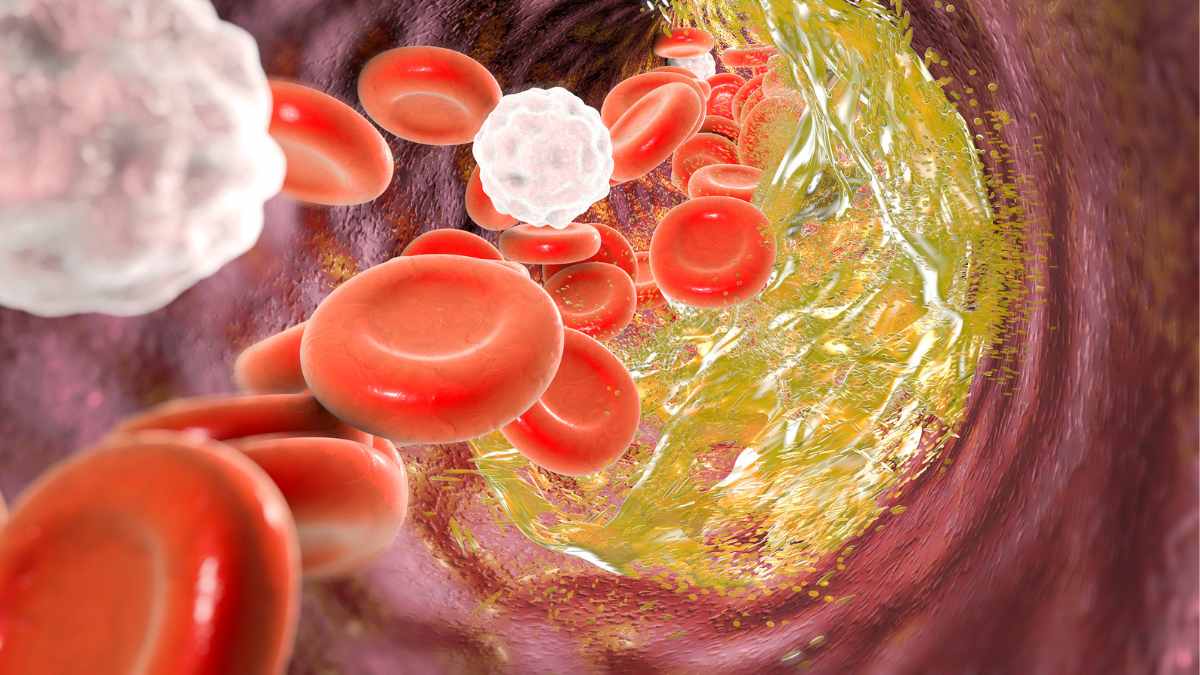

Introduction:
The relationship between dietary components and health outcomes has long been a subject of intense research and debate. Among these components, sugar has emerged as a focal point, particularly concerning its impact on cholesterol levels and cardiovascular health. Understanding how sugar affects cholesterol is crucial for developing effective dietary guidelines and promoting overall heart health. This article delves into the intricate connections between sugar consumption and cholesterol, examining the types of cholesterol, the role of sugar in metabolism, and the implications for health.
Understanding Cholesterol: Types and Their Functions
Cholesterol is a waxy, fat-like substance found in every cell of the body, essential for producing hormones, vitamin D, and bile acids that help digest fat. It is transported in the bloodstream by lipoproteins, which are classified into two main types: low-density lipoprotein (LDL) and high-density lipoprotein (HDL). LDL cholesterol is often referred to as "bad" cholesterol because high levels can lead to plaque buildup in arteries, increasing the risk of heart disease. Conversely, HDL cholesterol is known as "good" cholesterol as it helps remove LDL cholesterol from the bloodstream.
The balance between LDL and HDL is crucial for maintaining cardiovascular health. An optimal lipid profile typically includes low levels of LDL and high levels of HDL. Factors such as genetics, lifestyle choices, and diet significantly influence these cholesterol levels. Understanding these dynamics is essential for assessing the impact of dietary sugars on cholesterol levels and overall heart health.
In addition to LDL and HDL, there are other lipid markers, such as triglycerides, which are another type of fat in the blood. Elevated triglyceride levels can also contribute to the risk of heart disease. Therefore, a comprehensive understanding of cholesterol types and their functions is vital for evaluating how various dietary components, including sugars, may affect lipid profiles.
Ultimately, maintaining a healthy cholesterol balance is a multifaceted endeavor that requires consideration of various dietary and lifestyle factors. As we explore the role of sugar in human metabolism, we can better understand its potential impact on cholesterol levels.
The Role of Sugar in Human Metabolism and Health
Sugar, particularly in its refined forms, is a significant source of energy in the human diet. When consumed, sugars are broken down into glucose, which enters the bloodstream and is used by cells for energy. However, excessive sugar intake can lead to metabolic disturbances, including insulin resistance and obesity, both of which are risk factors for cardiovascular disease.
Metabolically, sugars can have a profound impact on the body’s hormonal balance. High sugar consumption triggers the release of insulin, a hormone that helps regulate blood sugar levels. Over time, excessive insulin production can lead to insulin resistance, where the body’s cells become less responsive to insulin, resulting in higher blood sugar levels. This condition is often associated with metabolic syndrome, which includes elevated triglycerides and reduced HDL cholesterol levels.
Furthermore, the consumption of added sugars, particularly fructose, has been linked to increased fat accumulation in the liver, leading to non-alcoholic fatty liver disease (NAFLD). This condition can further exacerbate dyslipidemia, characterized by abnormal lipid levels, including elevated LDL cholesterol and triglycerides. The metabolic pathways influenced by sugar consumption illustrate the complexity of its effects on overall health.
In summary, while sugars serve as a vital energy source, their excessive intake can disrupt metabolic processes and contribute to various health issues, including those related to cholesterol levels. Understanding these mechanisms is crucial for addressing the broader implications of sugar consumption on cardiovascular health.
How Sugar Intake Influences Lipid Profiles and Cholesterol
Research suggests that high sugar intake can adversely affect lipid profiles, leading to increased levels of LDL cholesterol and triglycerides while decreasing HDL cholesterol. This shift in lipid profiles is concerning, as it can elevate the risk of cardiovascular diseases. One mechanism through which sugar affects lipid metabolism is by promoting de novo lipogenesis, a process where excess carbohydrates are converted into fat in the liver.
When individuals consume high amounts of sugar, particularly from sugary beverages and processed foods, the liver can become overwhelmed, leading to increased triglyceride production. Elevated triglycerides are closely linked to increased LDL cholesterol levels, further compounding the risk of atherosclerosis and heart disease. Additionally, a diet high in sugar can lead to weight gain, which is another independent risk factor for dyslipidemia.
Moreover, the type of sugar consumed can play a significant role in determining its impact on cholesterol levels. Fructose, in particular, has been shown to have a more pronounced effect on lipid metabolism compared to glucose. High fructose consumption can lead to increased fat production in the liver and higher triglyceride levels, contributing to the overall negative impact on cholesterol profiles.
In conclusion, the influence of sugar intake on lipid profiles and cholesterol levels is significant and multifaceted. Understanding these relationships is essential for developing effective dietary strategies aimed at improving cardiovascular health.
Evidence Linking Sugar Consumption to Cholesterol Levels
Numerous studies have explored the relationship between sugar consumption and cholesterol levels, providing compelling evidence of the negative impact of excessive sugar intake on lipid profiles. For instance, a study published in the American Journal of Clinical Nutrition found that higher sugar-sweetened beverage consumption was associated with increased triglyceride levels and decreased HDL cholesterol in both children and adults.
Another study conducted by the Framingham Heart Study highlighted that individuals with high added sugar intake had a higher likelihood of having elevated LDL cholesterol levels. These findings underscore the potential role of sugar as a significant contributor to dyslipidemia and cardiovascular risk.
Furthermore, meta-analyses have reinforced these conclusions, indicating that reducing sugar intake can lead to improved lipid profiles. A systematic review published in Obesity Reviews found that interventions aimed at decreasing sugar consumption resulted in significant reductions in triglycerides and improvements in HDL cholesterol levels.
While the evidence linking sugar consumption to cholesterol levels is robust, it is essential to consider the broader dietary context. Other dietary factors, such as the intake of saturated and trans fats, fiber, and overall caloric intake, also play critical roles in determining lipid profiles. Therefore, a holistic approach to dietary recommendations is necessary for addressing cholesterol and heart health.
Recommendations for Sugar Intake and Heart Health
Given the evidence linking sugar consumption to adverse cholesterol levels, health organizations have established guidelines for sugar intake. The American Heart Association recommends that women limit added sugars to no more than 100 calories per day (approximately 25 grams) and men to no more than 150 calories per day (approximately 37.5 grams). These recommendations aim to reduce the risk of cardiovascular disease and promote overall health.
In addition to limiting added sugars, it is essential to focus on a balanced diet rich in whole foods. Incorporating fruits, vegetables, whole grains, lean proteins, and healthy fats can help mitigate the negative effects of sugar on cholesterol levels. These foods provide essential nutrients and fiber, which can support healthy lipid profiles and overall cardiovascular health.
Moreover, regular physical activity is a crucial component of heart health. Exercise can help improve lipid profiles by increasing HDL cholesterol levels and lowering LDL cholesterol and triglycerides. Combining dietary changes with physical activity can have a synergistic effect on improving cholesterol levels and reducing cardiovascular risk.
Ultimately, public health initiatives aimed at reducing sugar consumption, along with promoting healthier dietary choices and physical activity, are essential for addressing the growing epidemic of cardiovascular disease. A multifaceted approach that includes education, policy changes, and community support can help individuals make healthier choices and improve their heart health.
Future Research Directions on Sugar and Cholesterol Impact
While current research provides valuable insights into the relationship between sugar consumption and cholesterol levels, several areas warrant further investigation. One critical area is the need for long-term studies that examine the effects of sugar intake on lipid profiles over extended periods. Such studies could provide a clearer understanding of the causal relationships and help establish more definitive dietary recommendations.
Additionally, research exploring the impact of different types of sugars, such as glucose, fructose, and sucrose, on cholesterol levels is essential. Understanding how these sugars affect lipid metabolism differently could lead to more targeted dietary guidelines and interventions.
The role of individual variability in response to sugar intake is another area that requires further exploration. Factors such as genetics, microbiome composition, and metabolic health may influence how individuals respond to sugar consumption, highlighting the need for personalized dietary recommendations.
Finally, investigating the effects of sugar reduction interventions on cholesterol levels and cardiovascular health in diverse populations can help inform public health strategies. By understanding how different demographic groups respond to sugar intake and dietary changes, health professionals can develop more effective and culturally relevant interventions.
Conclusions:
The relationship between sugar intake and cholesterol levels is complex and multifaceted, with significant implications for cardiovascular health. While sugars serve as an important energy source, excessive consumption can lead to adverse effects on lipid profiles, increasing the risk of heart disease. Understanding the mechanisms through which sugar influences cholesterol levels is crucial for developing effective dietary guidelines and promoting overall heart health.
As research continues to evolve, it is essential to consider the broader dietary context and individual variability in response to sugar consumption. By adopting a holistic approach that includes reducing sugar intake, promoting balanced diets, and encouraging physical activity, individuals can take proactive steps toward improving their cholesterol levels and overall cardiovascular health.
Read more
- American Heart Association – Added Sugars – This resource provides guidelines on added sugars and their impact on heart health.
- National Institutes of Health – Cholesterol – A comprehensive overview of cholesterol types, functions, and health implications.
- Harvard T.H. Chan School of Public Health – Sugary Drinks – This article discusses the health effects of sugary beverages, including their impact on cholesterol.
- American Journal of Clinical Nutrition – Sugar-Sweetened Beverages and Lipids – A study examining the relationship between sugar-sweetened beverages and lipid profiles.
- Obesity Reviews – Sugar Reduction Interventions – A systematic review of interventions aimed at reducing sugar intake and their effects on health outcomes.